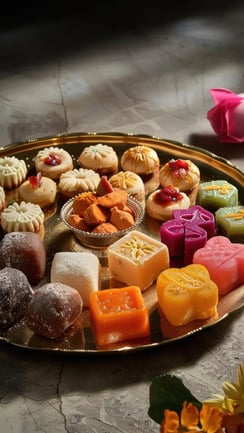
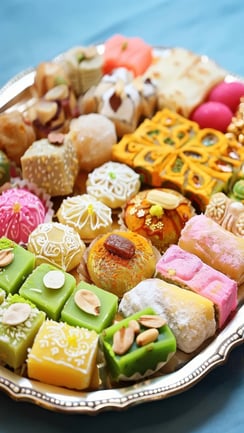
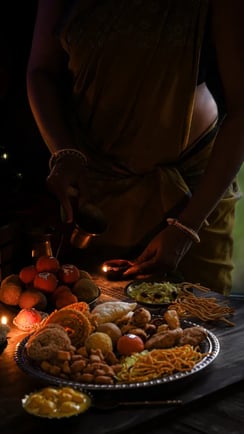
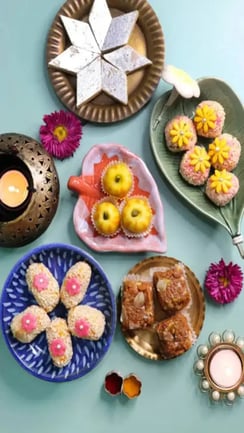
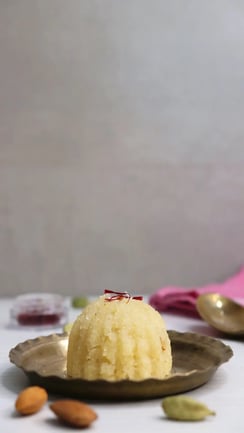
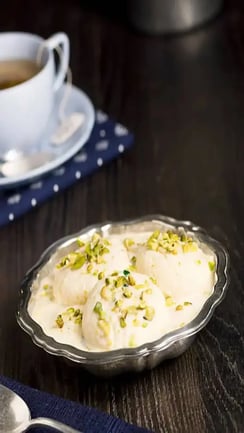
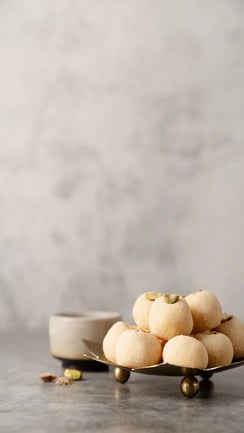
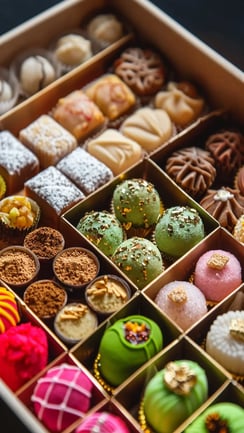
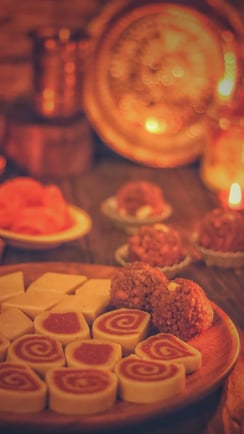
Diwali sweets table is often dominated by traditional sweets, each with its own regional history. These sweets are a reflection of the kitchens and trade routes that molded them over the centuries. Many dishes are traced by historians to Persian and Arabic confectionery, where sugar syrups were the main component.
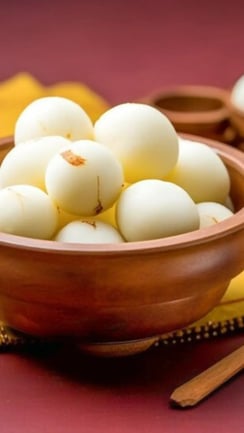
Gulab Jamun
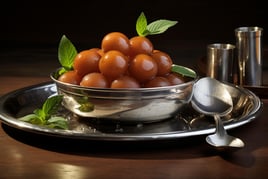
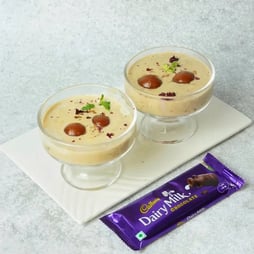
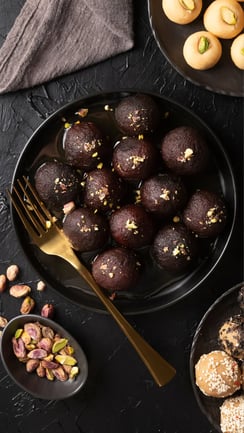
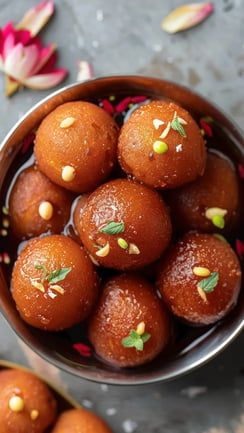
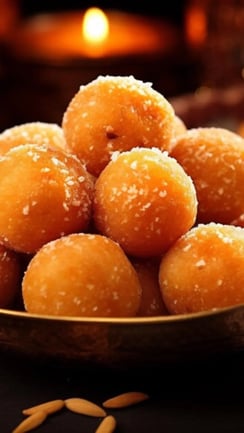
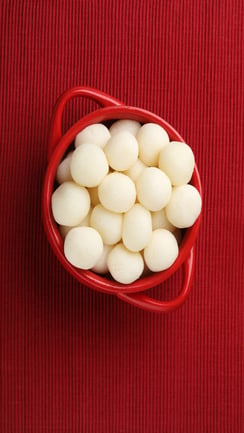
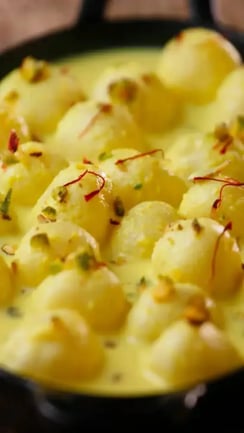
Gulab jamun is made with Khoya, which is lightly kneaded into smooth dough balls that do not crack when fried. Fried on low heat until deep brown and soaked in cardamom sugar syrup. Later, Mughal kitchens added a dash of saffron, rose water, and crushed pistachios to the sweet. In the Bengali kitchens, chhena is used in different ways to make the softer dessert chhena jamun. Sometimes home cooks make smaller balls for bite-size party treats and gift boxes. The quality of the sugar syrup determines if the gulab jamun will be soft or dense, so timing is important.
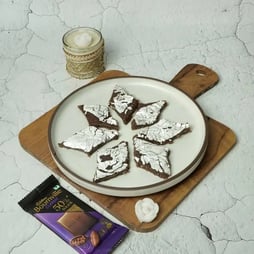
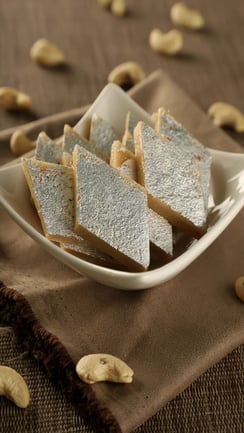
Kaju Katli
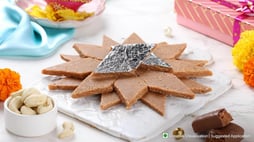
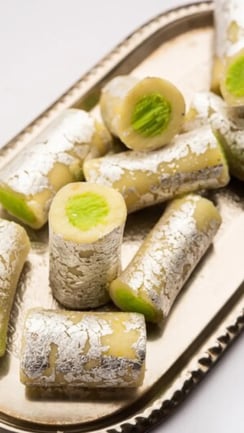
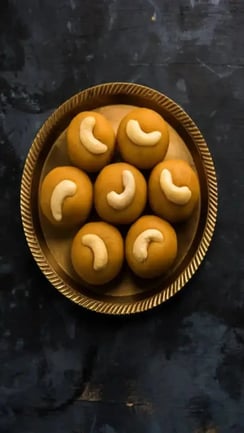
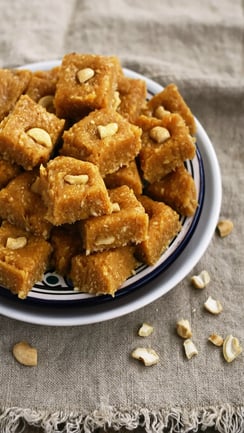
The sweet is based on Mughal-era recipes, made with cashew nuts, although the exact origins are still disputed. Cashews are crushed to a paste and then cooked with sugar until they thicken. Once the dough cools, it is rolled thin and cut into neat diamond shapes. A decorative tradition often associated with royal kitchens is to add silver varq on top. Newer shops have pistachio, rose, and saffron versions, giving bright color variations. Cooks often slice the sweet with a special blade to keep the edges sharp.
Jalebi
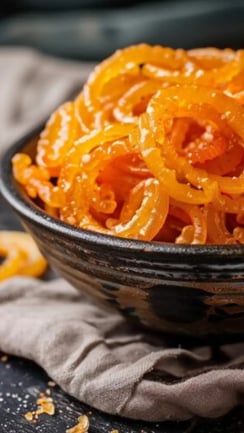
Scholars trace the arrival of jalebi to trade routes connecting India and West Asia centuries ago. Some cooks dip jalebis in warm milk; others serve them plain and crisp. The halwais serve jalebi hot, as the syrup best sticks to the warm, freshly h fried spirals. Leftover jalebis soften fast, so most families eat them in one day.
Besan Ladoo
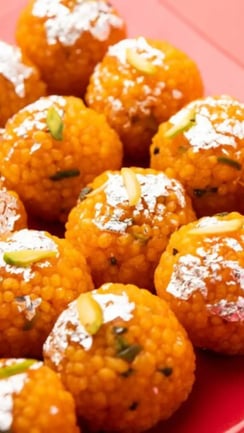
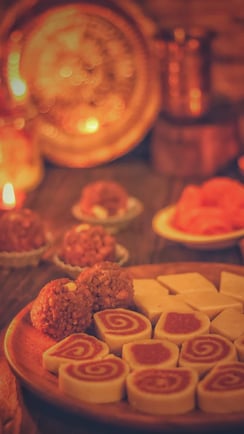
Traditionally, besan ladoo has been a festival staple across the north and west of India. Once the flour cools down a bit, cooks add sugar powder, cardamom, and chopped nuts. The mixture should be warm when shaping, the balls will fall apart. Some families add dry fruits, poppy seeds, or edible gum for winter variations. Sometimes, a lighter version is served in Maharashtrian and Gujarati homes with jaggery instead of sugar. Freshly made ladoos can be kept in an airtight tin for about a week.
Soan Papdi
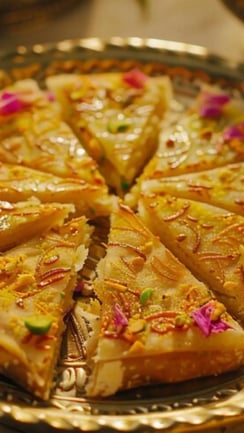
Soan papdi is known for its thin, delicate, crackling wafer-like layers. Cooks make a dough of gram flour and then roll it out into thin, flat sheets. The gram flour mixture is often combined with sugar syrup, ghee, and cardamom. The thin dough is cooked gently in ghee until crisp, and flaky layers are formed. Some regional kitchens add pistachio slivers and saffron for a more luxurious festive finish. Store in a dry tin; moisture will quickly soften delicate layers.
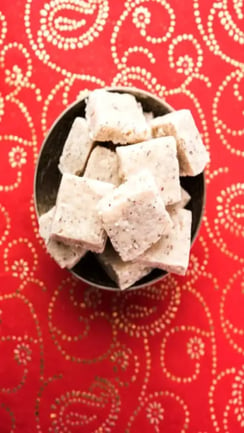
Coconut Barfi
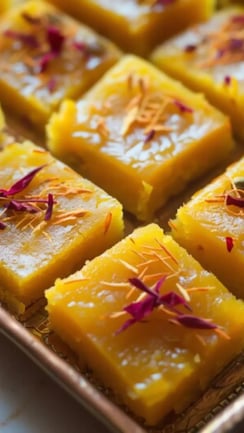
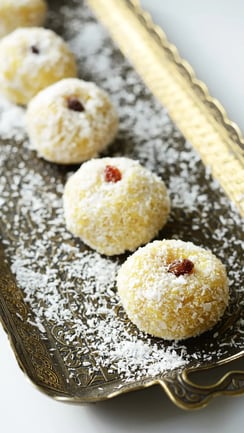
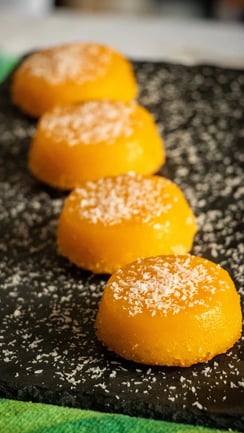
In the southern and western kitchens of India, it's coconut barfi time during the festival season. Sugar is boiled with freshly grated coconut till it thickens and leaves the sides of the pan. A whiff of cardamom and a dusting of nutmeg lift the flavor without overwhelming the coconut. Some cooks add condensed milk for a creamier, quicker-to-make version to make at home. Spread on a greased plate and cut in diamond shapes when cool. Coconut barfi keeps well for a few days in an airtight container.