






Candy
Candy
Cut the kiwi pieces, soak them in sugar syrup, and cook gently until translucent. Before storing, dry kiwi pieces. Beware of overcooking, as it leads to excessive softness in the fruit.
Soak dry strawberries in hot sugar syrup and wait till the coating becomes firm. Do it quickly to get an even coating. Avoid soaking wet strawberries since moisture prevents the coating from sticking.
Heat sugar until it reaches the hard-crack stage, then carefully drizzle thin strands with a whisk over a prepared surface. Collect the strands gently. Avoid overheating the sugar, as it burns easily.
Mix sugar granules with several drops of food coloring and flavor, then leave to dry thoroughly. Take care not to add too much liquid, as it causes clumping of the sugar.
Boil sugar, water, and glucose syrup to the hard-crack stage, then add flavoring and coloring, and distribute into molds with sticks. Avoid stirring after the mixture starts boiling; otherwise, crystallization occurs.
Melt quality chocolate, pour into molds with sticks, mix with nuts or dried fruits if needed, then let the chocolate set. Do not overheat the chocolate to preserve the smoothness of the texture.
Heat sugar till golden, stir in butter and cream, continue heating till thickened, pour into prepared pan. Leave to cool down and cut into pieces. Beware of over-cooking the caramel; it makes it bitter.
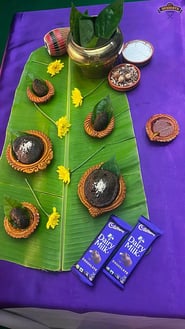
Dairy Milk chocolates can be used for peanut butter as they provide a smooth coating and good flavor balance. Avoid the use of low-quality chocolate.
Couverture chocolate is considered ideal for making candies due to its smooth melting, glossy setting and rich taste. Any dark or milk Dairy Milk chocolate can be used. Chocolates with excessive fat content should be avoided.
Dark, milk, semi-sweet or couverture chocolate can be used as a base for candy bark with nuts, dried fruits or sprinkles on it. Beware of overheating the chocolate, which becomes thick and non-spreading.