






Christmas Indian Sweet
Christmas Indian Sweet
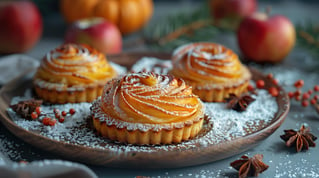
The most popular Christmas sweet in India is kul kuls, along with plum cake and nevries. These desserts are important for the Christmas celebrations all across India.
Mix butter, flour, and sugar, adding a little milk to form a dough. Shape into kulkuls, deep-fry until crispy, drain on paper towels, cool slightly, then sprinkle with icing sugar before serving.
They are important during Christmas because they align with acts of hospitality, joy, and happiness. Desserts like plum cakes, cookies, and local delicacies imbue the Christmas season with warmth and celebration.
Festive flavors in Christmas Indian sweets are: cardamom, saffron, cinnamon, cloves, rose, dry fruits, and rich ghee. These spices, dry fruits and nuts and create comforting, yet celebratory sweets that fully compliment the Christmas spirit.
You can store them in an airtight box at room temperature for 2-3 weeks. Coat kul kuls with sugar powder as soon as you drain them from oil. Only then will the sugar powder stick to them.
Yes, there are many low-sugar Indian sweet options like date and nut barfi, sandesh, and ragi ladoo that use natural sweeteners like dates instead of refined sugar crystals.
They have evolved from colonial-era adaptations of British, Portuguese, and French cakes into a diverse fusion of local ingredients like coconut milk, jaggery, rice flour, and native spices.
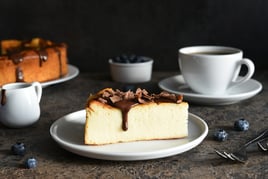
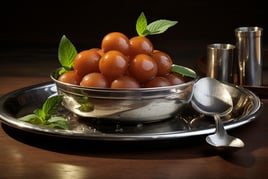
Creative twists on classic Indian Christmas sweets are: gulab jamun cheesecake, kheer trifle, and chocolate barfi logs. These fusion ideas blend traditional desi flavors with the Christmas spirit.
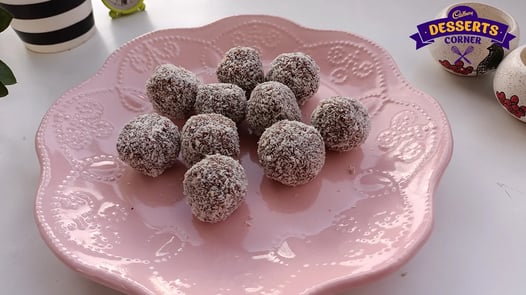
Cadbury Dairy Milk Fruit and Nut and Roast Almond are ideal for making Christmas sweets like chocolate barfi, peda, or loaded plum cake chunks. They add a rich texture with real raisins and nuts.
You can add a chocolate twist to Indian sweets by mixing Cadbury Silk into barfi dough, dipping kaju katli in melted Bournville dark chocolate, or layering Cadbury Fruit and Nut chocolate with some coconut ladoos.