








Buns
Buns
Make a soft dough using flour, yeast, milk, butter, sugar, and salt. Shape into buns and let the dough rise, bake until golden. Use no extra flour in excess because excess flour makes the product harder.
The traditional cream buns can have an egg both in the dough and in the cream stuffing; still, there are non-egg versions. It is important to check the recipe before baking or serving.
Make a soft dough based on yeast, let it rise, form rounds, and bake until golden. Apply butter after baking to make buns softer. Do not over-proof them, otherwise, the buns will get flat.
It is a kind of French bread made from flour, butter, eggs, milk, and yeast. It is soft and slightly sweet. Avoid overmixing the dough.
First, make some buns, cool them, then cut and stuff with whipped or flavored cream. The bun should be cooled before serving. Try not to use warm buns to stuff them, otherwise, the cream will melt quickly.
Prepare soft buns first, allow them to cool completely, then slice and fill with whipped cream or flavoured cream. Chill before serving. Avoid filling warm buns, as the cream melts quickly.
Mix a spiced yeast dough with dried fruits, let it rise, shape into buns, add the signature cross, then cook until golden. Avoid adding too much flour, which makes them dry.
From buns, you could make bread pudding, cream buns, chocolate-filled buns, fruit sandwiches, ice-cream sandwiches, cinnamon bun dessert, and caramel bread. Try not to use stale buns unless the recipe requires them.
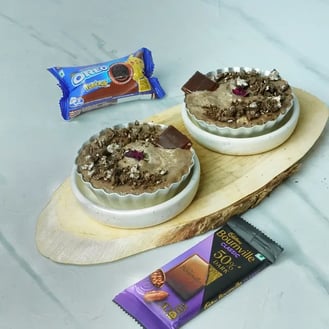
Dairy Milk Bounville or milk chocolate produces a smooth glaze that sets beautifully on warm buns. Avoid overheating the chocolate, as it can become thick or grainy.
You should choose dark chocolate with 60-70% cocoa content for a strong taste because the dough is sweet. Couverture chocolate also melts better. Avoid very high cocoa content chocolate.