










Navratri
Navratri
During a Navratri fast, people commonly enjoy sweets prepared with fasting-friendly ingredients such as makhana, sabudana, amaranth flour, water chestnut flour, sweet potato, coconut, milk, dry fruits, and jaggery. These desserts offer satisfying flavor, natural color, and are a favorite part of festive fasting meals.
Popular Navratri dessert recipes include makhana kheer, sabudana kheer, coconut laddoos, sweet potato halwa, rajgira laddoos, fruit cream, and vrat-friendly barfi. These recipes are easy to prepare and provide delicious flavor while following common fasting guidelines during the festival.
Navratri sweets are generally prepared using ingredients such as milk, yogurt, makhana, sabudana, rajgira, singhara flour, coconut, dry fruits, jaggery, cardamom, saffron, and fresh fruits. These ingredients create delightful flavor, attractive color, and are widely used in fasting recipes.
To prepare vrat-friendly desserts at home, select fasting-approved ingredients and combine them using simple cooking methods like roasting, simmering, or chilling. Natural sweeteners, nuts, and aromatic spices can enhance the flavor while keeping the dessert suitable for Navratri fasting.
No-cook Navratri desserts include fruit bowls, yogurt parfaits, coconut-date balls, dry fruit laddoos, chilled shrikhand, and nut-based energy bites. These recipes require minimal preparation while offering refreshing flavor, vibrant color, and convenience during fasting days.
Healthy Navratri desserts can be prepared with fruits, nuts, seeds, makhana, yogurt, and natural sweeteners like dates or jaggery. These ingredients provide satisfying flavor and wholesome nutrition while creating lighter festive treats that fit within many fasting preferences.
Traditional Navratri sweets include makhana kheer, sabudana kheer, rajgira laddoos, coconut barfi, sweet potato halwa, singhara halwa, and fruit-based desserts. These recipes have been enjoyed for generations, bringing festive flavor, beautiful color, and cultural significance to the celebration.
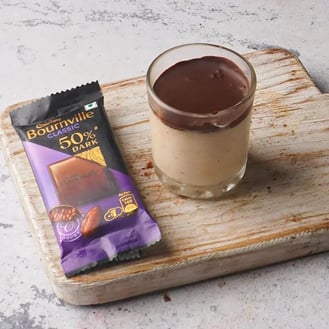
Yes, chocolate-inspired desserts can be prepared for Navratri by combining fasting-friendly ingredients with cocoa or chocolate that fits your personal fasting practices. Makhana, nuts, coconut, and dates pair well with chocolate, creating rich flavor and an attractive festive color.
Choose a chocolate that melts smoothly and blends well with fasting-friendly ingredients such as nuts, coconut, fruits, and milk. A chocolate with balanced sweetness, creamy texture, rich flavor, and glossy color works well for festive dessert recipes and decorations.
You can modernize traditional Navratri sweets by adding cocoa to halwa, drizzling melted chocolate over laddoos, creating chocolate-filled barfi, or decorating desserts with chocolate shavings. These additions enhance flavor, enrich the color, and offer a creative variation while respecting festive traditions.
Popular Navratri sweets include makhana kheer, sabudana kheer, rajgira laddoos, coconut barfi, sweet potato halwa, singhara halwa, shrikhand, and dry fruit laddoos. These festive desserts are loved for their comforting flavor, appealing color, and use of ingredients commonly enjoyed during fasting.
An easy Navratri sweet can be prepared by cooking roasted makhana with milk, cardamom, and a natural sweetener until creamy. Garnish with chopped nuts before serving to create a simple dessert with delicious flavor and an attractive festive presentation.
Sweets play an important role during Navratri because they are offered during prayers and enjoyed after fasting. They symbolize devotion, gratitude, and celebration, while their delightful flavor and festive color bring families together throughout the nine-day festival.
Quick Navratri sweets include coconut-date balls, fruit yogurt cups, makhana bites, dry fruit laddoos, chilled shrikhand, and no-cook nut bars. These recipes require minimal preparation while delivering satisfying flavor, vibrant color, and convenience for busy fasting days.
The shelf life of Navratri sweets depends on their ingredients. Milk-based desserts generally remain fresh for two to three days under refrigeration, while dry sweets prepared with nuts or coconut often last longer when stored in airtight containers.
Yes, low-sugar Navratri sweets can be prepared using dates, raisins, figs, or small amounts of jaggery instead of refined sugar. These natural ingredients provide enjoyable flavor while helping create lighter desserts suitable for many festive meal preferences.
Navratri sweets have evolved by incorporating modern ingredients, healthier preparation methods, and creative presentations. While traditional recipes remain popular, contemporary versions often feature unique flavor combinations, improved nutrition, and eye-catching color without losing their festive significance.
Classic Navratri sweets can be refreshed by adding fruit purees, cocoa, roasted seeds, flavored yogurt, coconut cream, or crunchy nut toppings. These simple ideas introduce exciting flavor combinations, enhance the color, and give traditional desserts a modern festive appeal.
Choose a chocolate that blends smoothly with fasting-friendly ingredients and offers balanced sweetness without overpowering traditional recipes. A creamy texture, rich flavor, and attractive color make it suitable for coatings, decorative drizzles, fillings, and festive dessert creations.
You can add a chocolate twist by mixing cocoa into kheer, coating dry fruit laddoos with chocolate, creating chocolate-filled coconut sweets, or decorating desserts with chocolate shavings. These additions enhance flavor, deepen the color, and create a favorite festive variation.
Traditionally, Navratri desserts do not contain chocolate, but focus on dairy products, fruits, nuts, pure cocoa powder, and fasting flours. You can create fusion desserts like chocolate barfi and makhana or nut laddoos made with cocoa.
Combine sugar and milk together and bring the mixture to a boil. Add sabudana, dark chocolate or cocoa powder, and walnuts. As the mixture starts thickening, pour into bowls and sprinkle chopped walnuts on top.
They symbolize divine offerings, gratitude, and fasting sustenance. Navratri desserts are shared to spread goodwill, and prepared using vrat-friendly ingredients that align with rituals for the 9-day fast.
Fruits like strawberries, bananas, apples, mangoes, and pomegranate pair well with Navratri Chocolate Desserts. They add natural sweetness, freshness, while balancing the chocolate flavours. Seasonal fruits also enhance the desserts and create delicious combinations.
You can store Navratri Chocolate Desserts in an airtight container in the fridge for 2-3 days. While heating up, a splash of milk should be added to retain its creamy consistency.
Healthy Navratri chocolate dessert options include singhara flour chocolate brownies, date and nut chocolate balls, and makhana chocolate kheer. These options use vrat-friendly flours and natural sweeteners like dates, instead of refined flour and sugar.
Traditional Navratri sweets exclude chocolate and rely on dairy, ghee, and fasting flours flavored with cardamom or saffron. Modern chocolate desserts introduce cocoa or fusion elements like date pastes or baked treats using vrat-friendly flours.
The best toppings for Navratri Chocolate Desserts are: almonds, pistachios, fresh fruits, and chocolate shavings. They add flavour, texture, and elegance while making desserts more attractive for the celebrations.
Cadbury Dairy Milk Silk (either plain or roast almond) is best for Navratri chocolate desserts because of its high cocoa butter creaminess, which melts smoothly for fondues, phirni fusions, or toppings.
Some chocolate twists can be added to the Navratri chocolate desserts by using cocoa powder or melted chocolate, combined with traditional ingredients such as sabudana, singhara flour, or laddoos.