








Festive
Festive
Bhapa Doi is a steamed Bengali dessert made by mixing hung curd, condensed milk, and a touch of milk, then steaming it until set. It has a soft, custard-like texture and a sweet, tangy flavor.
Bhapa doi is made by whisking together hung curd, condensed milk, and regular milk until it becomes smooth. Then pour the mixture into a greased dish. Steam it for about twenty minutes, then chill it in the fridge before serving.
Hung curd gives Bhapa Doi its thick, creamy texture, so it is generally recommended for the best results. Using regular curd without straining it first can leave the dessert watery and less firm once it is set.
Hung curd, condensed milk, and a small amount of regular milk are the most important ingredients to make bhapa doi. Some recipes also add a touch of cardamom or saffron for extra flavor and aroma.
You don't need an oven for Bhapa Doi at all. Steaming the mixture on the stovetop in a covered container is enough to give you the same soft, custard-like texture.
Bhapa Doi usually takes about twenty to twenty-five minutes to steam, plus a couple of hours to chill in the fridge. The chilling time helps it get the classic custard consistency.
Using curd that hasn't been strained enough often leaves too much liquid in the mixture, and prevents it from setting well. Steaming for too short a time can also leave the center soft and underset.
A properly steamed Bhapa Doi will look set around the edges with just a slight jiggle in the center, similar to a custard. A knife inserted should come out clean once it is fully cooked.
Cadbury Crackle can be a good option to make chocolate Bhapa Doi. It adds a fun twist to the dessert without overpowering the tangy curd base. Plus the crunchy texture can also make the dessert interesting.
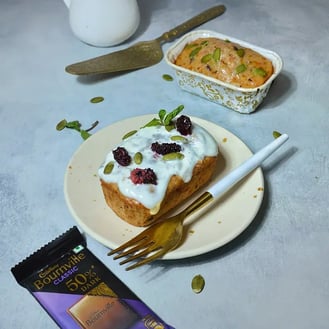
Cadbury Bournville, with its deeper cocoa flavor will work well with the condensed milk nicely. This balance keeps the dessert rich without losing the classic tangy Bhapa Doi character.
Chikki is a traditional Indian sweet made by mixing jaggery or sugar with nuts like peanuts, sesame seeds, or dry fruits. Once the mixture cools and hardens, it turns into a crunchy, bite-sized treat enjoyed across India.
You can make chikki by melting jaggery or sugar in a pan until it turns into a thick syrup, then stir in roasted nuts of your choice. Pour the mixture onto a greased surface, flatten it out, and let it cool before breaking it into pieces.
You can make peanut chikki by roasting peanuts until they become fragrant, then set them aside while you melt jaggery into a sticky syrup. Mix the peanuts into the syrup, spread the mixture on a greased plate, and let it cool completely before cutting into shapes.
To make jaggery chikki, heat the jaggery in a heavy-bottomed pan until it melts into a smooth syrup. Make sure you are stirring occasionally to avoid burning. Later, add roasted nuts or sesame seeds, mix well, then spread the mixture and let it cool until it hardens into chikki.
Cooking the jaggery syrup to the right consistency is key to getting crispy chikki, so watch for a hard-crack stage when testing a drop in water. Another important step is spreading the mixture thin to let it cool and harden faster.
Gur chikki is made using jaggery, or gur, as its base, melted slowly until it forms a rich, thick syrup. Later, add in roasted peanuts or sesame seeds, spread the mixture out, and let it set before breaking into pieces.
Cook jaggery with a splash of water over low heat until it thickens into a glossy syrup that coats the back of a spoon. Mix in your roasted nuts, spread the mixture quickly, and let it cool until it becomes firm.
Yes, chikki can be made using sugar instead of jaggery if you prefer a lighter color and milder sweetness. The process stays the same, since sugar also forms a syrup that binds the nuts together nicely.
Cadbury Dairy Milk is one of the best chocolates to make chocolate chikki, since it melts smoothly and blends easily with roasted nuts or puffed rice. You can try a variety of chocolates that suit your taste preferences.
Cadbury Bournville is a nice option for making a chocolate coconut chikki. This chocolate has a rich, slightly less sweet flavor that balances well with the natural sweetness of coconut in this chikki.
To make Mysore Pak, you need to melt ghee and gently cook besan with sugar syrup, and sitr continuously until the mixture turns golden and starts leaving the sides of the pan. Later, pour it into a greased tray, let it set, and cut into squares.
Mysore Pak is traditionally made using besan, ghee, and sugar. All of this is cooked together until it forms a rich, sweet mixture. A generous amount of ghee is used for this recipe which gives the signature melt-in-the-mouth texture people love.
Mysore Pak is a classic South Indian sweet that originated in Mysore. This sweet is made by cooking besan with ghee and sugar syrup. It has a soft, crumbly texture and a rich, buttery flavor.
You can store Mysore Pak in an airtight container at room temperature, away from direct sunlight or moisture. This keeps it fresh for several days without affecting its texture or the buttery flavor it's known for.
Mysore Pak stays fresh for about a week when it is stored properly in an airtight container at room temperature. Keeping it away from humidity keeps its texture as it is, and prevents it from turning soggy.
For the crispy, brown mysore pak, you need to cook the sugar syrup to a slightly higher temperature before adding the besan mixture. Later, stir continuously and use enough ghee to create the signature tiny holes in the sweet.
Refrigeration is not necessary for Mysore Pak, since it stores well at room temperature in an airtight container. If you chill the sweet, it can harden the ghee and change its soft, melt-in-the-mouth texture.
Keep Mysore Pak in a clean, airtight container and place it somewhere cool and dry, away from direct heat or sunlight. This simple step helps it stay fresh and keeps its texture intact for several days.
Cadbury Fuse works nicely for a chocolate twist on Mysore Pak. This chocolate has rich choco and caramel flavor, and crunchy wafer bits. It melts smoothly into the besan mixture, adding a fun texture to the traditional flavor.
Cadbury Bournville is one of the best dark chocolates to use in a gourmet Mysore Pak recipe. It has a deep, slightly bitter edge that works beautifully in Mysore Pak.
To make peda at home, cook khoya in a pan with sugar until it thickens and pulls away from the sides. Make sure to stir continuously to avoid burning. Let the mixture cool slightly, and shape it into small discs or balls.
To make peda at home, crumble khoya in a pan and cook it gently with sugar until the mixture turns soft and glossy. Once it cools enough to handle, roll it into small balls and flatten them into traditional peda shapes.
To make milk peda, simmer the milk over low heat for a long time until it reduces and thickens into a rich, creamy mass. Later, add sugar and cook further until it comes together, then shape the mixture into small rounds.
You can make mawa peda by cooking mawa (khoya) with sugar over low heat, stirring until the mixture thickens and turns light golden. Add a touch of cardamom for flavor, then shape it into discs once it is cool enough to handle.
Milk Peda stays fresh for about a week when it is stored in an airtight container at room temperature. Refrigerating it can extend its shelf life, but it is best enjoyed within the first few days.
You can make peda with condensed milk by cooking condensed milk in a pan over low heat, stirring constantly until it thickens and starts to leave the sides. Later, let it cool slightly, and shape it into small rounds and let them take shape.
Keep Milk Peda in an airtight container, either at room temperature for a few days or in the fridge for longer freshness. Storing it away from moisture keeps the pedas soft, preserving its melt-in-the-mouth texture.
To make coconut peda at home, cook grated coconut with condensed milk or khoya on low heat till the mixture thickens and comes together easily. Later, shape it into small rounds once it is cooled and garnish with more coconut on top.
Either Cadbury Dairy Milk or Cadbury Fuse works well for a khoya chocolate peda. Fuse adds a fun crunch from its wafer bits, while Dairy Milk keeps things classic and creamy.
Cadbury Bournville or Cadbury Dairy Milk Silk both pair nicely with milk powder-based peda recipes. Bournville brings a richer, less sweet flavor, while Silk gives a smooth, creamy texture.
You can make chocolate sandesh by crumbling fresh paneer and cooking it gently with sugar and melted chocolate until the mixture turns smooth and glossy. Let it cool a little, then shape it into small rounds or traditional molds.
To make Sandesh, knead fresh paneer until smooth. Later, cook it with sugar on low heat until the mixture becomes soft. Add a pinch of cardamom for flavor, shape it into small discs, and let it cool.
To make nolen gurer sandesh, cook fresh paneer with nolen gur (date palm jaggery) over low heat until the mixture softens and turns a light caramel shade. Then shape it into small rounds once cooled to let the jaggery flavor shine.
To make paneer sandesh, knead fresh, soft paneer until it is smooth and lump-free. Then cook it briefly with sugar over low heat. Once the mixture cools, shape it into small rounds or press it into decorative molds.
To make steam sandesh, mix crumbled paneer with sugar and a touch of milk. Then steam the mixture in a greased tin for about fifteen minutes. Let it cool completely before slicing it into squares or diamond shapes.
Sandesh can be made in a microwave by mixing crumbled paneer and sugar in a microwave-safe bowl, and heating in short bursts, stirring in between, until it thickens. Then, let the mixture cool before shaping it into small rounds or pressing it into molds.
You need to mix milk powder with condensed milk and a touch of ghee, and then let it cook gently until the mixture turns soft and pliable. Shape it into small rounds once it cools enough to handle comfortably.
Cook the grated apple with a little sugar until it softens. Then mix it into crumbled paneer, which is cooked separately until smooth. Then mix both and shape the mixture into small rounds once it has cooled down.
Cadbury Silk Bubbly would be one of the best chocolates to make chocolate sandesh. Its subtle sweetness keeps the delicate flavor of the sandesh from getting overpowered. You can also try other milk chocolates.
Cadbury Bournville would work wonderfully with nolen gur, since its deeper cocoa notes balance the jaggery's sweetness nicely. This combination gives the sandesh a rich, well-rounded flavor without getting too sugary.
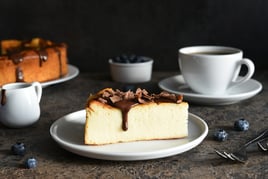
The best desserts for festive celebrations include rich classics like sticky Toffee Pudding, Chocolate Kalakand, and Bournville dark chocolate Cheesecake. These treats offer a mix of warm spices, creamy textures, and rich holiday flavors.
Traditional sweets served during festivals include Kaju Katli, Gujiya, Modak, laddos, and more. These sweets carry deep cultural and regional significance.
Several festive desserts are easy to make at home, like Besan Ladoo , Coconut Barfi, Sooji Halwa and more. These simple sweets use basic ingredients, require minimal prep time, and come together in under 30 minutes.
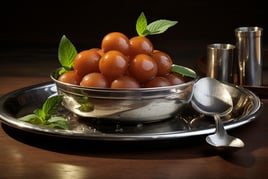
The most popular festive sweets in India include Gulab Jamun, Kaju Katli, and various types of Ladoo, which are staples during celebrations like Diwali, Holi, and regional holidays across the country.
Quick festive Indian dessert ideas include Besan, Coconut Barfi, and Meethi Seviyan. These simple treats require minimal ingredients and take less than 30 minutes to prepare at home.
Try adding festive-related toppings and flavors to your sweets. A Kaju Katli for Diwali can be drizzled with chocolate syrup, or rakhi sweets can be dusted with cocoa powder for a festive touch.
The best no-bake Indian festive desserts feature quick, elegant options like Motichoor Ladoo Cheesecake, Dry Fruit Anjeer Roll, and Sandesh.
Dark chocolate with high cocoa content (54-70%) is best for festive desserts, because its high cocoa butter content ensures a glossy finish and a smooth melt.
You can use white chocolate to create a contrast with the look of a dark chocolate dessert, or use dark chocolate shavings or pieces on top of a traditional festive dessert to accentuate the flavor profiling.
Cocoa powder, melted baking chocolate, or chocolate shells can be added to traditional festive sweets. You can mix cocoa directly into milk fudge bases, dip traditional laddoos into liquid ganache, or layer crumbled mithai with melted chocolate.
Blend curd, ghee, water, ice, flour, and gram flour into a smooth batter. Prepare sugar syrup. Fry batter in layers until crisp and golden, soak briefly in syrup, garnish with nuts, and edible silver leaf.
Ghevar is a disc-shaped, honeycomb-textured Rajasthani sweet made from a batter of flour, ghee, and milk. Deep-fried to a crispy, airy texture, it is soaked in sugar syrup and typically garnished with rabri, chopped nuts, saffron, and edible silver leaf.
The shelf life of Ghevar largely depends on its variety. Malai or Rabri Ghevar lasts just 1-2 days. Plain Ghevar lasts 3-7 days, while unsweetened plain Ghevar can last 20-30 days.
Store Ghevar in an airtight container at room temperature, or in the fridge depending on the toppings. Storing it properly keeps the honeycomb crunch intact for a longer period of time.
Whisk chilled ghee, flour, besan, milk, and water into a smooth batter. Fry in layers until crisp. Prepare one-string sugar syrup, sweeten the Ghevar, then top with rabri, pistachios, almonds, saffron, and silver leaf.
To make Chashni for traditional Ghevar, you need sugar, water, a pinch of cardamom powder, a few saffron strands, and a few drops of lemon juice. Boil them together for 4-5 minutes until the mixture becomes liquid.
Ghevar remains soft from the inside as adding thick clumps instead of a thin stream prevents the hot fat from cooking the core, leaving a heavy, doughy middle.
To make chocolate Ghevar, prepare a chilled batter of ghee, ice, flour, and cocoa powder, fry it in hot oil in a stream, and top it with sugar syrup and chocolate rabdi (malai).
The best chocolate to use for making a chocolate Ghevar is dark chocolate or a smooth milk chocolate like Cadbury Dairy Milk Silk, which provides a creamy texture.
For a chocolate Ghevar cheesecake fusion, 54% to 55% cocoa dark chocolate works best. This cocoa balance ensures the filling is rich and glossy without overpowering the traditional honey, ghee, and subtle flour notes of the Ghevar.
Mix maida, besan, baking powder, baking soda, yogurt, cardamom, and water; ferment for 10-12 hours. Prepare sugar syrup with sugar, water, saffron, and cardamom. Fry batter, dip in sugar syrup, then cool until coated well and serve warm.
To make jalebi without curd, use a combination of maida, a little rice flour for crunch, and a splash of lemon juice. Replace the curd with water and a pinch of baking soda to instantly ferment the batter.
Traditional jalebi recipes do not incorporate yeast. Instead, they use a rising agent like baking soda or baking powder to make the batter for jalebi.
Jalebi batter should rest for 8 to 12 hours to allow proper fermentation, which improves flavour, texture, and crispiness. In warmer temperatures, a short resting time may work, while cooler temperatures may require longer fermentation.
The best flour for Jalebi is refined all-purpose flour (maida), as it creates a smooth batter and crispy texture. You can also add a small amount of corn flour or rice flour to improve crunchiness.
To make a crispy and juicy jalebi batter, whisk maida, besan, melted ghee, and baking soda. Gradually, add water and plain yogurt to form a smooth, lump-free flowing batter with a ribbon-like consistency.
Combine sugar and water in a pan. Stir until sugar dissolves and the liquid comes to a boil. Add cardamom powder and saffron strands for flavor. Lower the heat and let it simmer for about 5-7 minutes before turning off.
To store jalebi for a long time, cool them completely, place them in an airtight container at room temperature for up to 3-5 days, or refrigerate them for extended storage.
For low sugar chocolate jalebi, high-quality dark chocolate, like Bournville cocoa powder is best. These options provide a deep, rich flavor that balances out the sweetness of syrup.
The best chocolate to use for making a chocolate jalebi is 50% to 60% dark chocolate , or Cadbury cocoa powder if you are mixing directly into the batter.
Wash the rice and cook it in milk for 10 minutes. Add condensed milk and cook for another 5-7 minutes. Stir constantly until it reaches desired consistency. Serve kheer garnished with nuts and elaichi powder.
Rinse and soak sabudana for 15 minutes. Cook on medium heat, add milk, cardamom powder, sugar and stir well. Do this for 25 minutes. Once cooked, take it off the heat and serve.
Kheer should be cooked for around 30-45 minutes on low heat until the milk thickens and rice softens. Slow cooking helps blend flavours, enhance creaminess, and create a rich texture.
Roast makhana and cashews in a pan. Heat milk on medium heat, add makhana, cardamom powder, and milk to the mix. Add ground makhana and mix well. Cook for 10-15 minutes and serve.
Simmer it slowly for a long time, allowing excess milk to evaporate. Adding more rice, crushed nuts, or milk solids like khoya also enhances thickness while giving the dessert a creamy texture.
In a pan, cook sevai with butter. Pour milk and sugar and mix till it comes to a boil. Add saffron strands and stir again. You can add nuts as needed. Mix well, cook for 3-4 minutes and serve.
Yes, rice should be soaked for 20-30 minutes before making kheer. Soaking helps rice cook evenly, and soften faster, creating a smoother consistency while reducing overall cook time.
Almonds, cashews, pistachios and raisins go well with kheer. They add a crunch, natural sweetness, and richness to the creamy dessert. Chopped or roasted dry fruits enhance flavour and texture.
The best chocolate to use for making chocolate kheer is high quality dark chocolate (50%-60% cocoa), or Cadbury Dairy Milk cocoa powder. It helps balance the natural sweetness and richness of the kheer.
Dark chocolate pairs best with saffron when making a chocolate kheer. The strong flavor of high cocoa dark chocolate cuts through the rich, creamy milk base without masking the aroma of saffron.
To make a classic Payasam, you will need these simple ingredients: rice, jaggery, coconut milk, ghee, cashews, raisins, and cardamom powder. Swap rice for vermicelli if you want a Vermicelli Payasam.
Rinse rice, cook until soft. Stir jaggery, add coconut milk, and bring to a gentle boil. Simmer for 15 minutes, stirring frequently. Add water if needed, then mix in cardamom and ghee before serving.
Payasam is a traditional sweet dessert pudding. It is made by cooking ingredients like rice, lentils, or vermicelli in milk, sweetened with jaggery, and flavored with cardamom, saffron, and ghee roasted nuts.
Almonds, cashews, raisins, and pistachios are considered as the best dry fruits for payasam. They add a richness, sweetness, and a nice crunch to the dessert. Roasted nuts enhance the traditional flavour even more.
In order to make Dates Payasam, you just need to substitute jaggery with dates. It can be made using milk, dates, ghee, and cardamom. Because dates are naturally sweet, it requires no extra refined sugar or jaggery.
To make payasam thick, simmer whole milk with the grains on low heat until reduced, then add 2-3 tablespoons of sweetened condensed milk or blend in a tablespoon of soaked, ground cashews.
Add sweetened condensed milk towards the end of cooking. Once your payasam's base is fully cooked and slightly thickened, stir in the condensed milk and simmer for just 2-3 minutes.
Milk chocolate or a balanced dark chocolate works best for chocolate sabudana payasam, providing a smooth melt without overpowering the subtle, creamy texture of the tapioca pearls. Can Custard Be Used To Make Payasam Yes, custard powder can be used to make payasam. It yields a rich, thick, and creamy variation often called custard payasam or semiya custard kheer.
For making chocolate payasam, high-quality dark chocolate (50%-60% cocoa) or Cadbury cocoa powder works best. Dark chocolate provides a rich, balanced flavor that blends well with milk, without overpowering the traditional flavor.
Roast besan and flour in ghee until aromatic, then mix with cardamom. Cook sugar, water, and lemon juice to a hard amber syrup. Cool slightly, repeatedly stretch and fold into fine threads while coating with the flour mixture. Press into molds with chopped nuts and unmold to serve.
It is made of the following ingredients: ghee, all-purpose flour , besan, cardamom powder, sugar, water, half a lemon, saffron, almonds, and pistachios for garnishing.
Wrap in a thin food-grade plastic sheet or butter paper. It ensures freshness for a longer time at room temperature. If you keep it open, it will absorb moisture present in the air and become sticky. How To Prebake Soan Papdi Traditional soan papdi cannot be prebaked because it is a spun-sugar and gram flour confection that melts completely when exposed to oven heat..
To make sugar syrup for soan papdi, combine sugar, water, and lemon juice in a heavy-bottomed pan, cook on low heat until it reaches a light amber and one-string consistency, and avoid stirring while it melts.
Leftover soan papdi can be easily used for new creations like a creamy milkshake, rich kheer, or quick ladoos. Because it melts and dissolves easily, it adds sweetness and a nutty flavor.
If the sugar syrup is boiled past the correct stage into a hard-crack or rock stage, soan papdi turns solid and chewy instead of melting in your mouth.
The best chocolate for a healthy dark chocolate soan papdi uses high cocoa content (70% or more), real cocoa butter instead of vegetable fats (avoiding compounds), and clean natural sweeteners.
Chocolate soan papdi is traditionally made using unsweetened cocoa powder rather than melted chocolate. Adding Cadbury cocoa powder directly into the flour mixture during the roasting stage ensures delicate, flaky sugar threads maintain their texture without getting sticky.
Yes, Soan Papdi can be made without ghee by substituting it with plant-based oils like coconut oil or refined vegetable oil, though ghee is traditionally used for flavor and binding.
Take warm water, add almonds, pistachios, khus khus seeds, dried rose petals, and blend with sugar and cardamom seeds. Take 4 tablespoons of this paste in a glass, add cold milk, and mix well. Serve chilled.
Thandai is a traditional, spiced Indian cold drink made from milk, sugar, and a blend of ground nuts, seeds, and aromatic spices. Derived from the Hindi word thanda, thandai translates to "that cools or "cooler."
Grind almonds, pistachios, khus khus seeds, dried rose petals, and cardamom seeds together to form Thandai powder. Make sure to grind in short bursts; otherwise, the ingredients will release their oil and won't form a proper powder.
Thandai is made of the following ingredients: warm water, almonds, pistachios, khus khus seeds, dried rose petals, sugar, cardamom seeds, and cold milk. Make sure to stir them well to get a thick and smooth consistency.
Bhang Thandai is a traditional Indian cold milk drink mixed with nuts, spices, and bhang (an edible paste made from the leaves and flowers of the cannabis plant). It is sweet, creamy, and cooling.
Thandai gets its traditional flavour from spices like cardamom, saffron, black pepper, fennel seeds, and rose petals. These ingredients create a refreshing aroma and unique taste. Almonds, pistachios further enhance its traditional flavor.
In order to make vegan thandai, you can substitute regular milk with a plant-based milk such as oat milk, almond milk, or light coconut milk.
Yes, thandai can be made completely without any milk by blending soaked nuts and seeds with water. Or you can also use plant-based milk like oat, almond, or coconut milk instead of regular milk.
The best chocolate to use in a chocolate thandai is good-quality dark chocolate (54% to 55% cocoa) or Cadbury Silk chocolate , depending on whether you want a rich cocoa contrast or a milky blend.
For a low-sugar chocolate thandai, use a 55%-70% sugar-free dark chocolate or Cadbury cocoa powder. Dark chocolate provides enough rich cocoa notes without overpowering the aromatic spices with excessive bitterness or sugar.