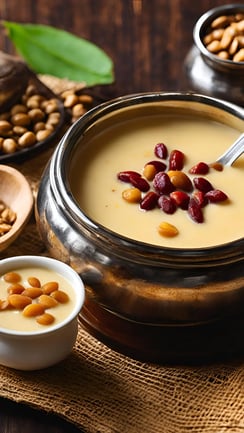
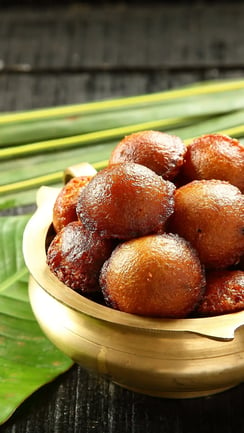
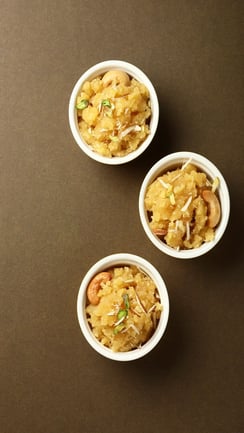
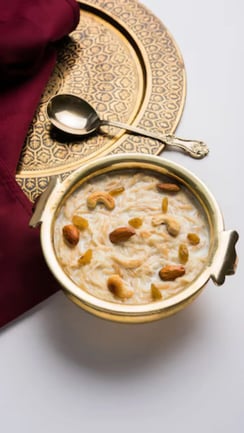
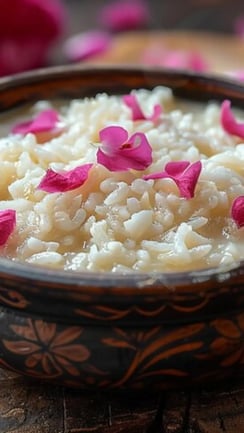
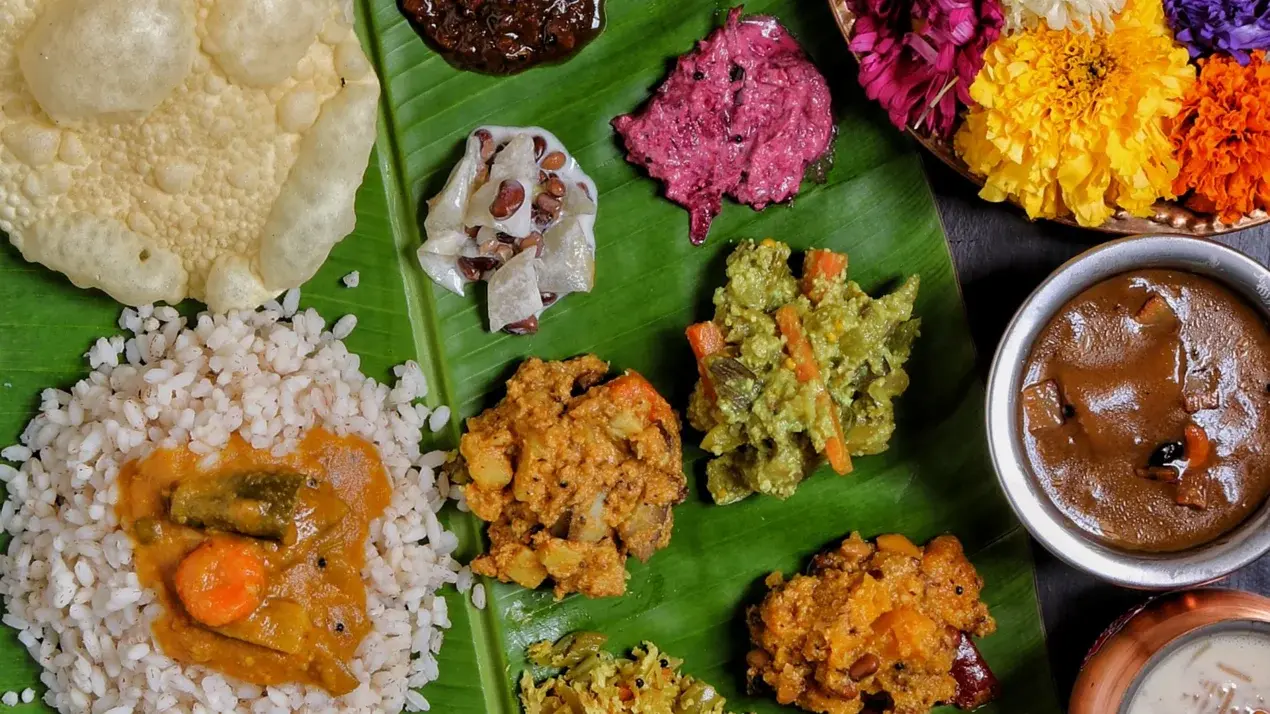
Kerala’s traditional sweets are prepared with simple ingredients and love. These dishes take time, but the rewards are so satisfying. Get a glimpse of the famous aravana payasam recipe, elaneer payasam recipe, Ada Pradhaman recipe, achappam recipe, banana halwa recipe, and many more. Here are some of the traditional dishes that should ideally be there in an Onam sadya. Each dish has its own texture, its own aroma, its own place in the culture.
Ada Pradhaman
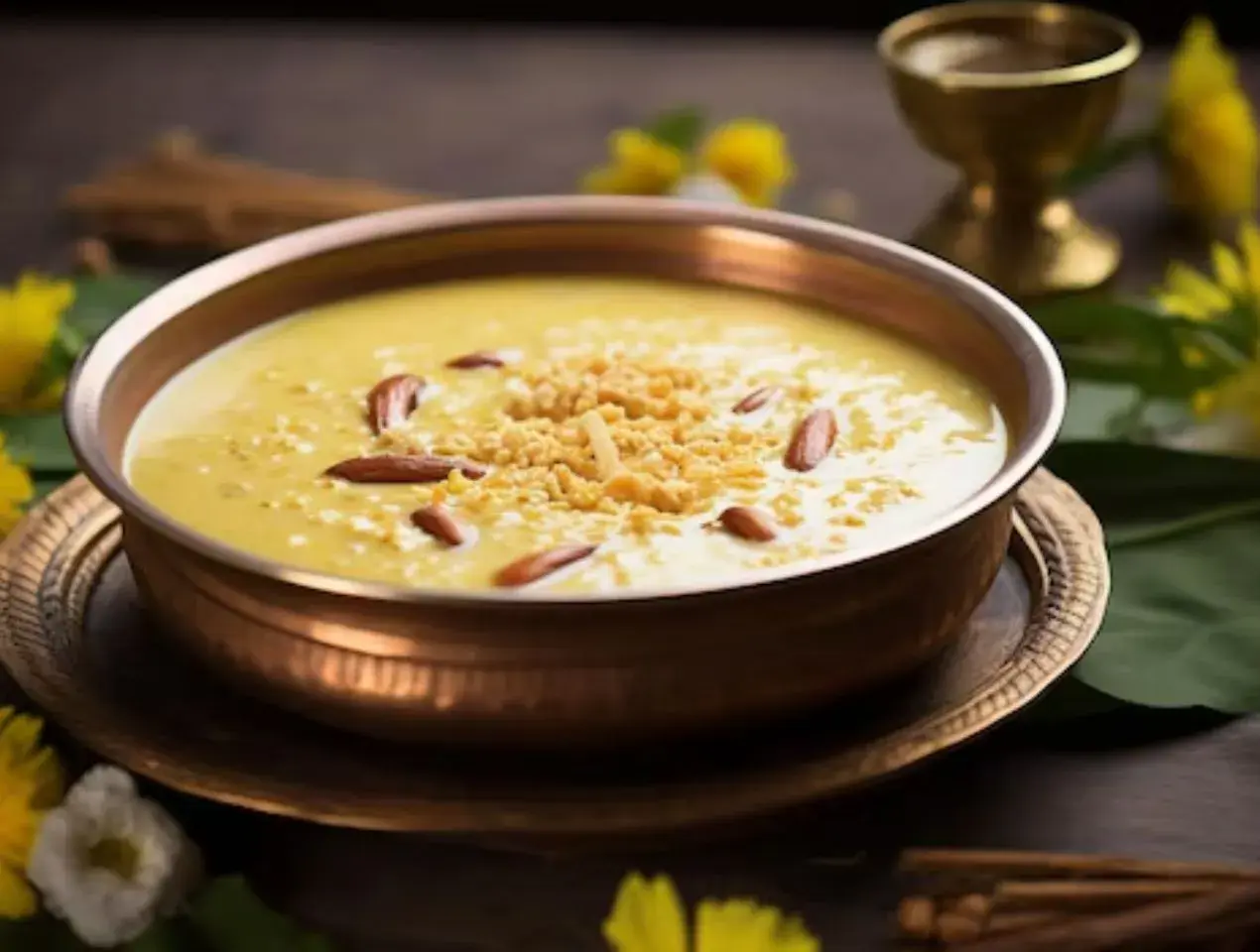
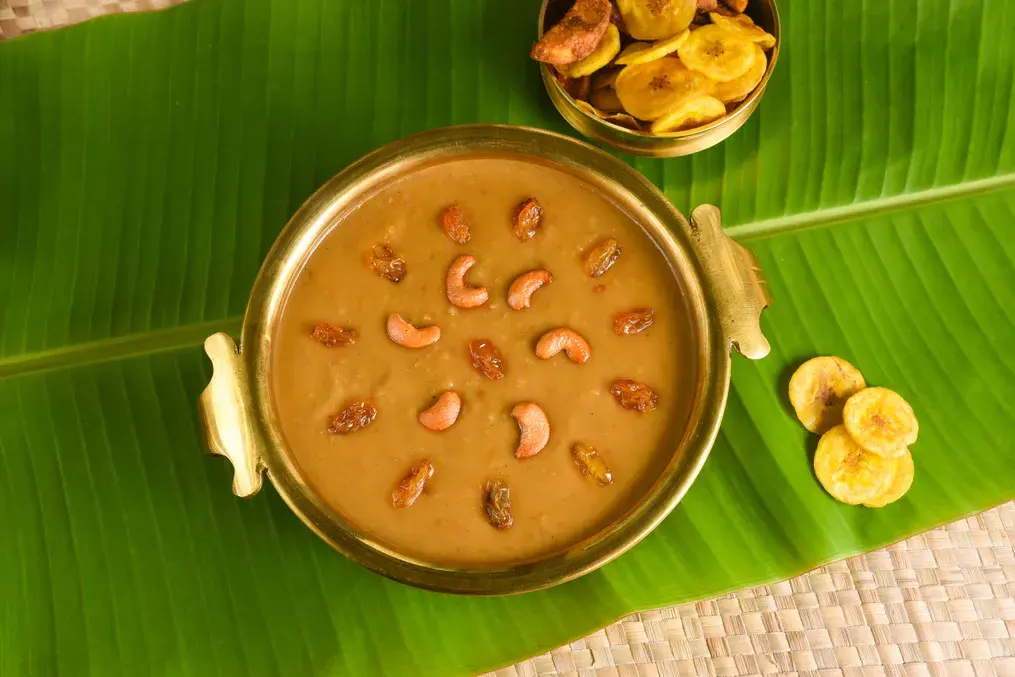
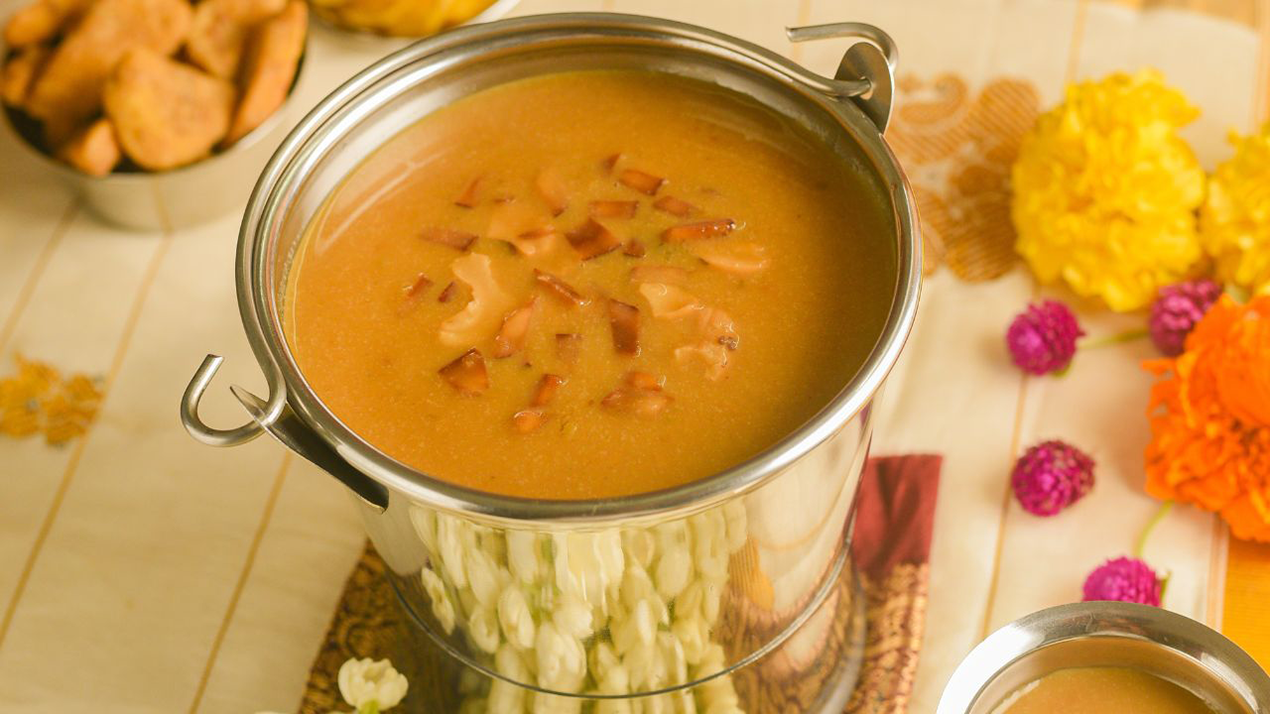
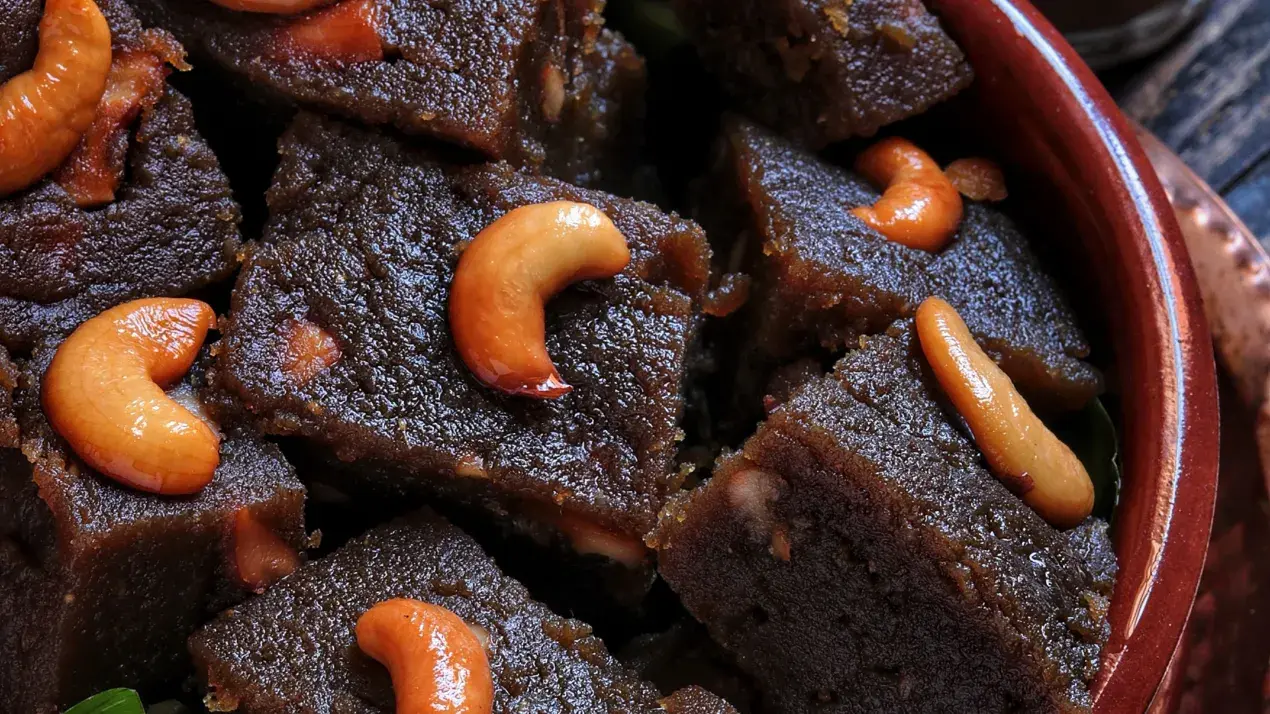
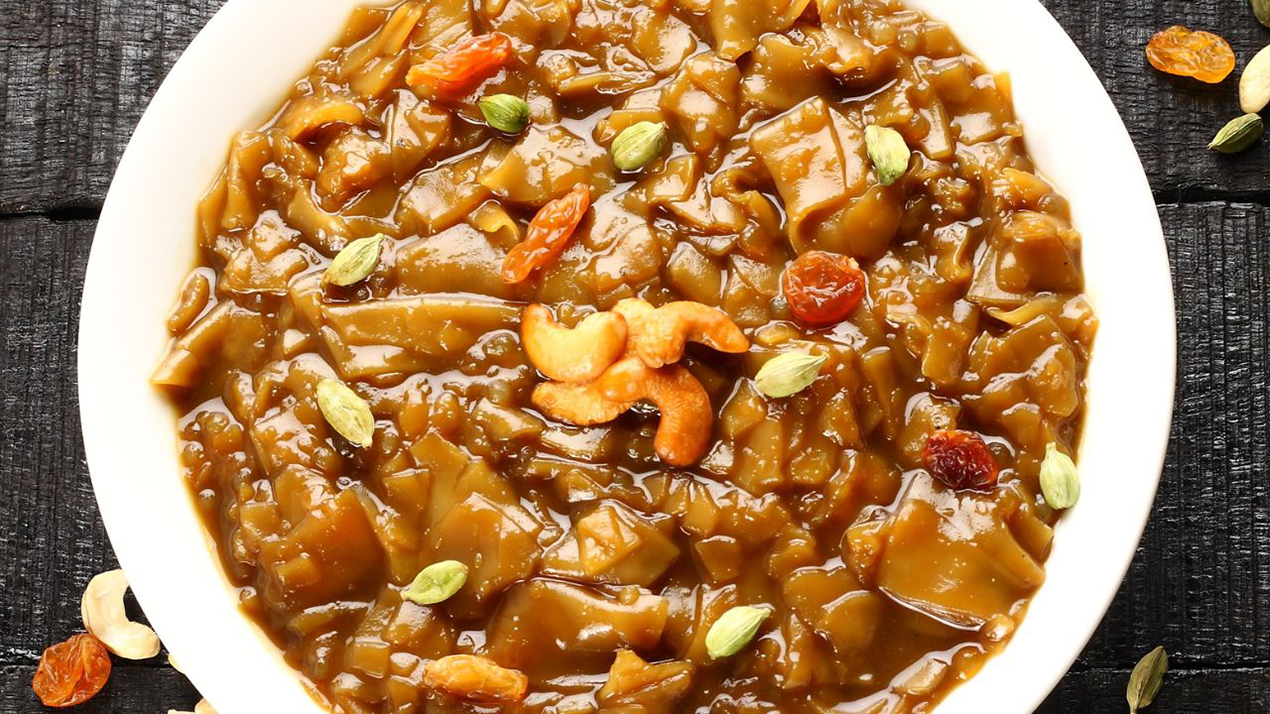
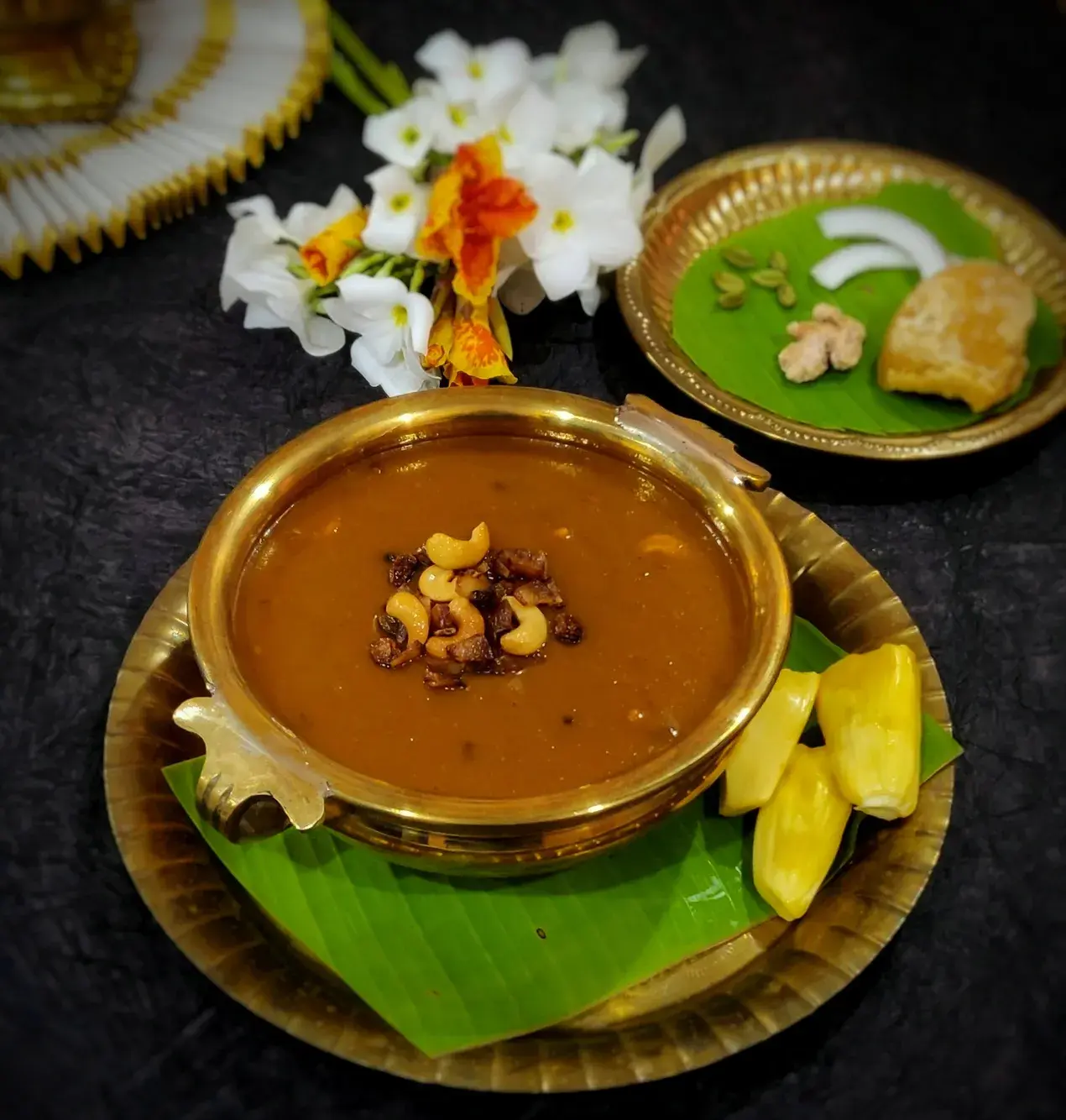
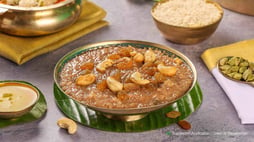
This rich dessert is a combination of rice ada, coconut milk, and jaggery. Ada Pradhaman should be slow-cooked for the perfect consistency. This is one of the most prestigious Onam desserts of many families. It has a thick, glossy texture that shows careful preparation and a skilled hand in the kitchen. Best served warm or at room temp. Serve this with banana chips and crunchy pappadams. Ada Pradhaman is another festivity and tradition symbol. It takes practice, but it is really satisfying when you get the hang of it.
Palada Payasam
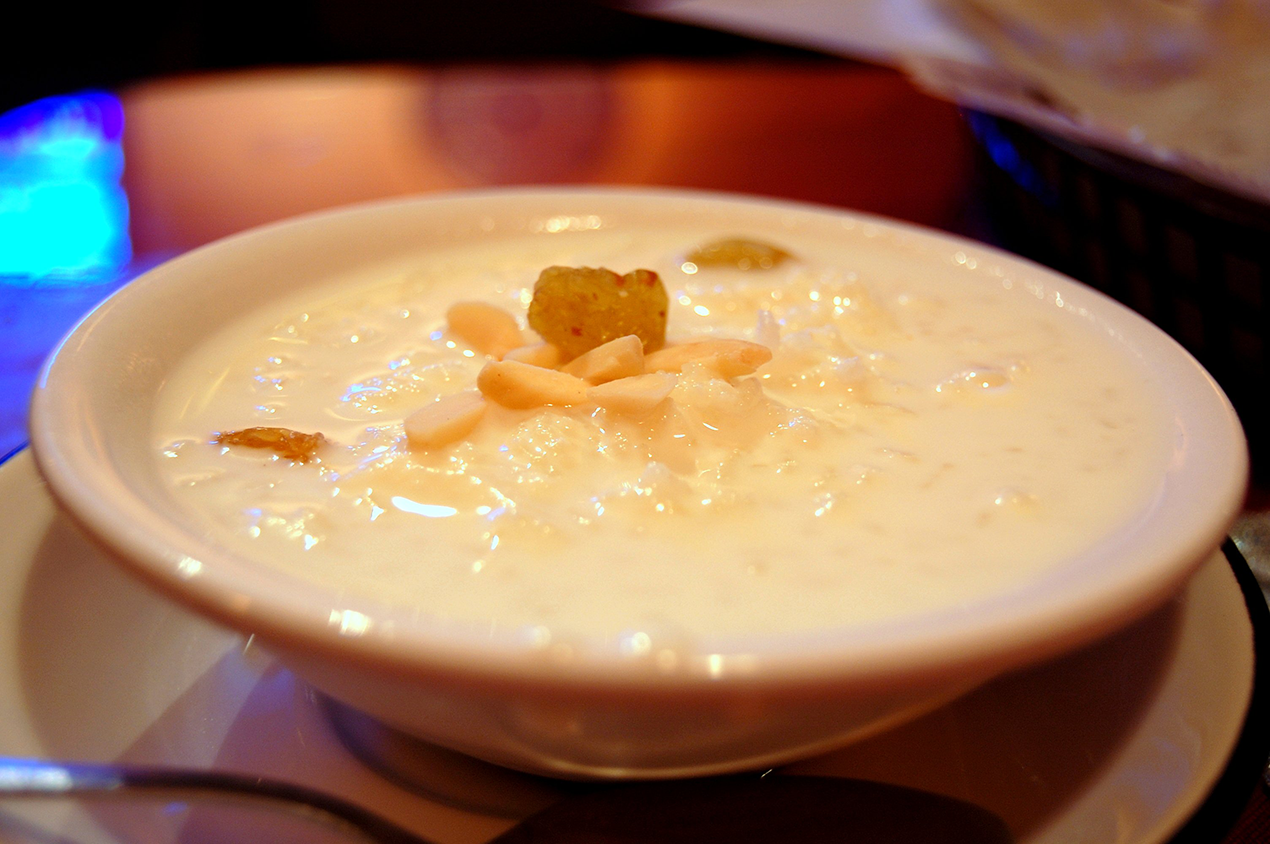
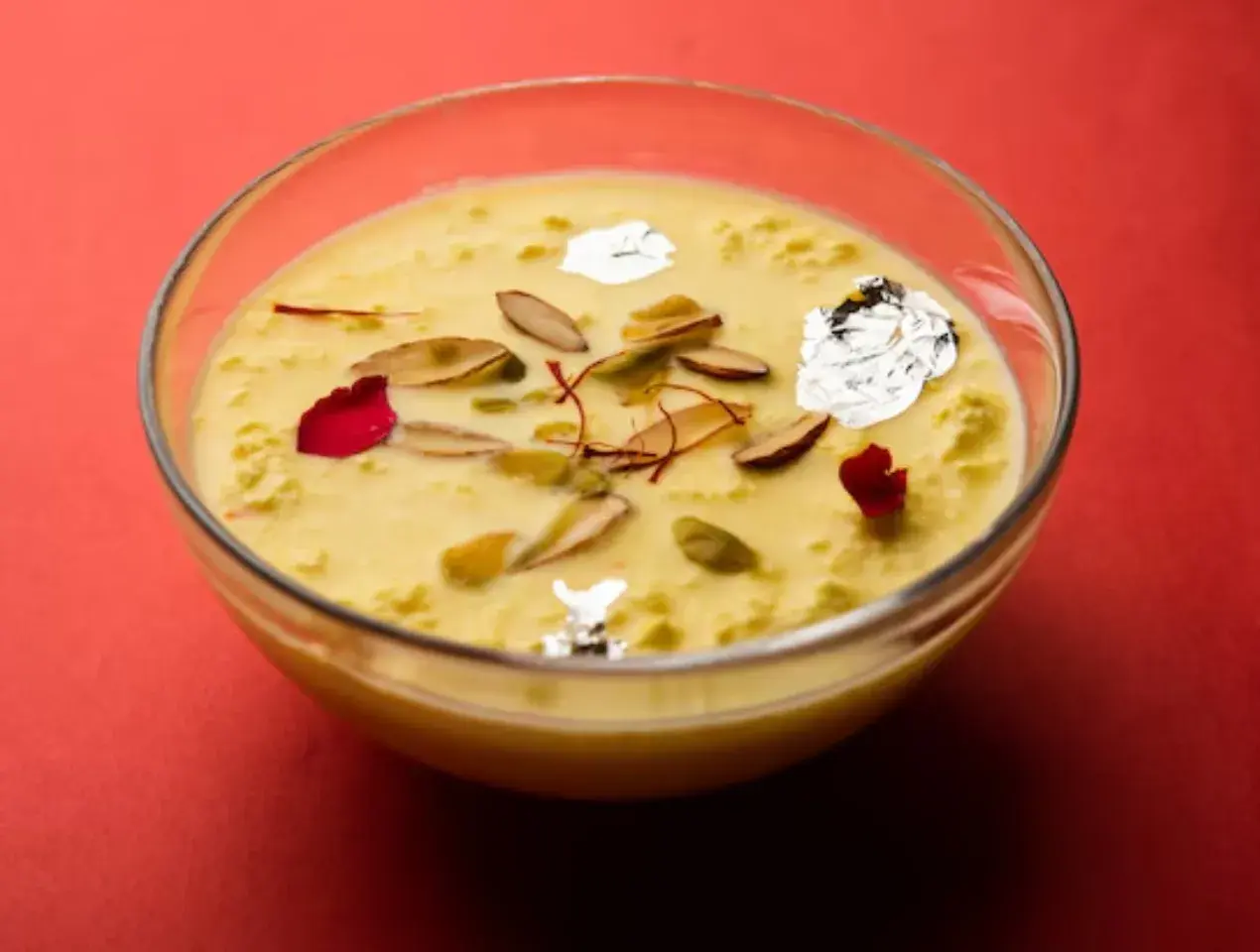
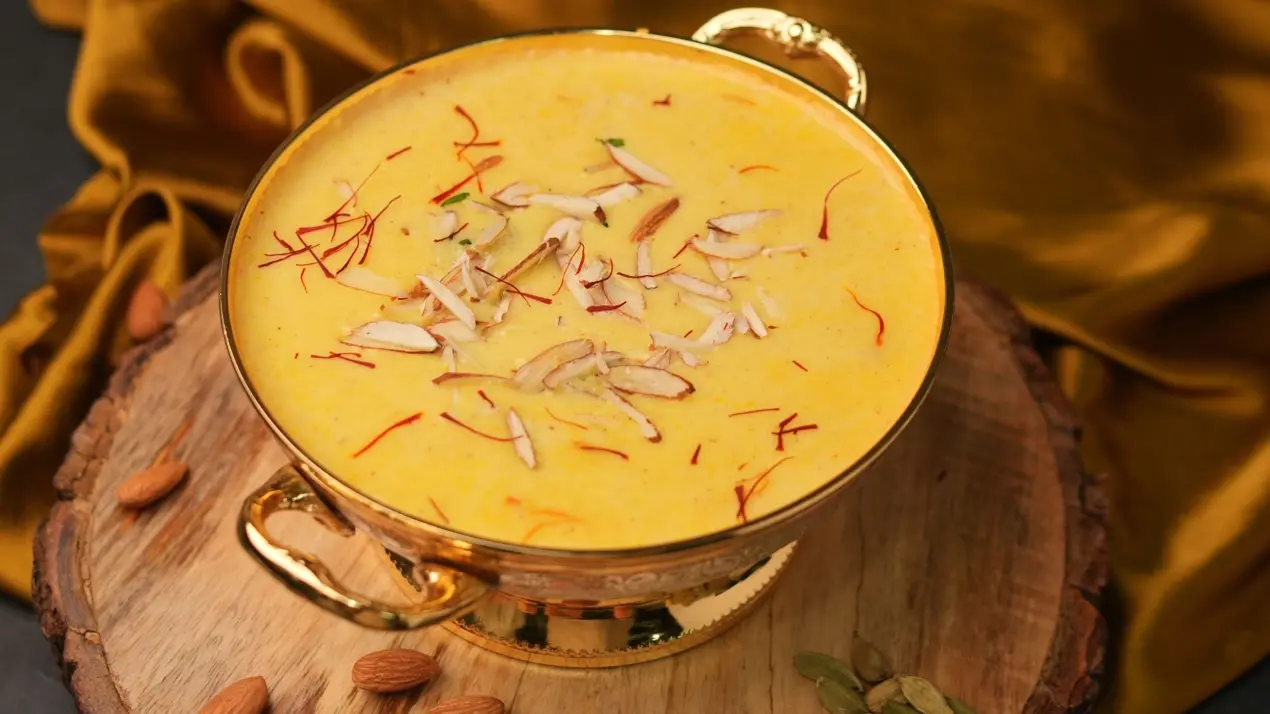
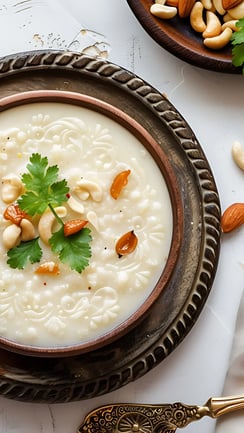
It is a creamy dessert made from milk, rice, ada, and sugar. The palada payasam recipe is known for its smooth consistency. Rice ada is boiled soft in milk. Sugar and cardamom provide balanced sweetness and delicate fragrance. It is a temple-style favorite for Onam in many homes. Cashews and ghee are optional, but add nice richness. This payasam can be served hot or cold. It pairs nicely with crispy banana chips or jackfruit chips. And this is the same recipe served by many temples in Kerala during the major festivals. It's easy enough for home cooks, too.
Parippu Payasam
Parippu Payasam is prepared by combining moong dal, jaggery, and coconut milk. This lentil dessert has a unique nutty, earthy flavor. Lightly toasting dal before cooking enhances the final aroma. Jaggery syrup mixes well when dal becomes fully tender. Finally, add the coconut milk to the mix, which makes the dish creamy but light. Cardamom and ghee-fried cashews enhance the dish's festive appeal further. Parippu Payasam is easy to prepare and can also be prepared in the traditional way. It has a little more protein in it, which makes it a little more filling than others. Even today, this dish is a favorite in many homes in Kerala.
Semiya Payasam
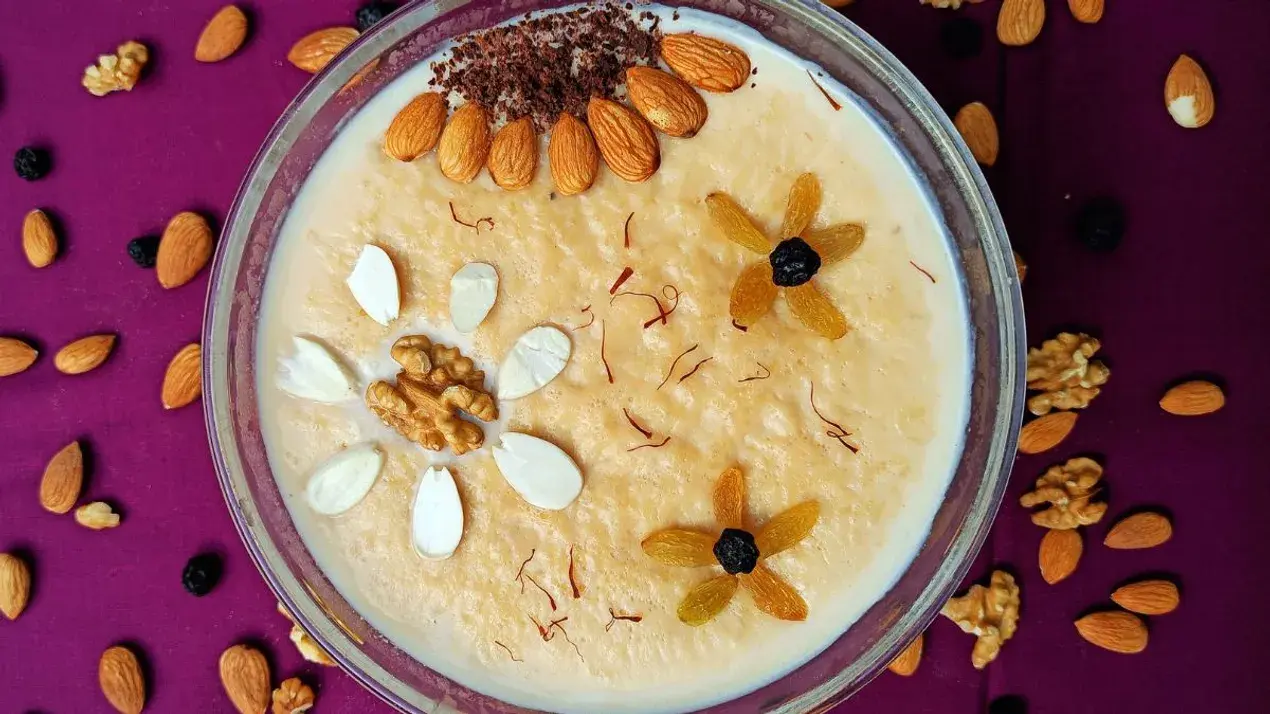
Vermicelli payasam is a quick and favorite dessert that everyone loves. The semiya payasam recipe calls for first roasting vermicelli in ghee. Then add milk and sugar for a creamy consistency. This dish cooks faster than rice- or lentil-based alternatives. Cardamom powder and fried nuts nicely complete the flavor profile. Many households make this dish for smaller, faster celebrations. Its mild sweetness makes it a favorite of children. Semiya payasam goes well with dry fruits and saffron strands. This recipe can easily be adapted to condensed milk for a richer taste. For most home cooks, prep time comes in under thirty minutes. Very good for last-minute Onam dessert planning.
Paal Payasam
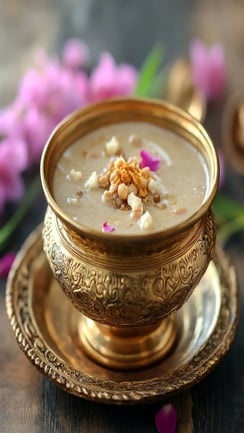
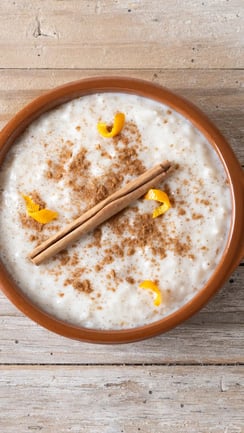
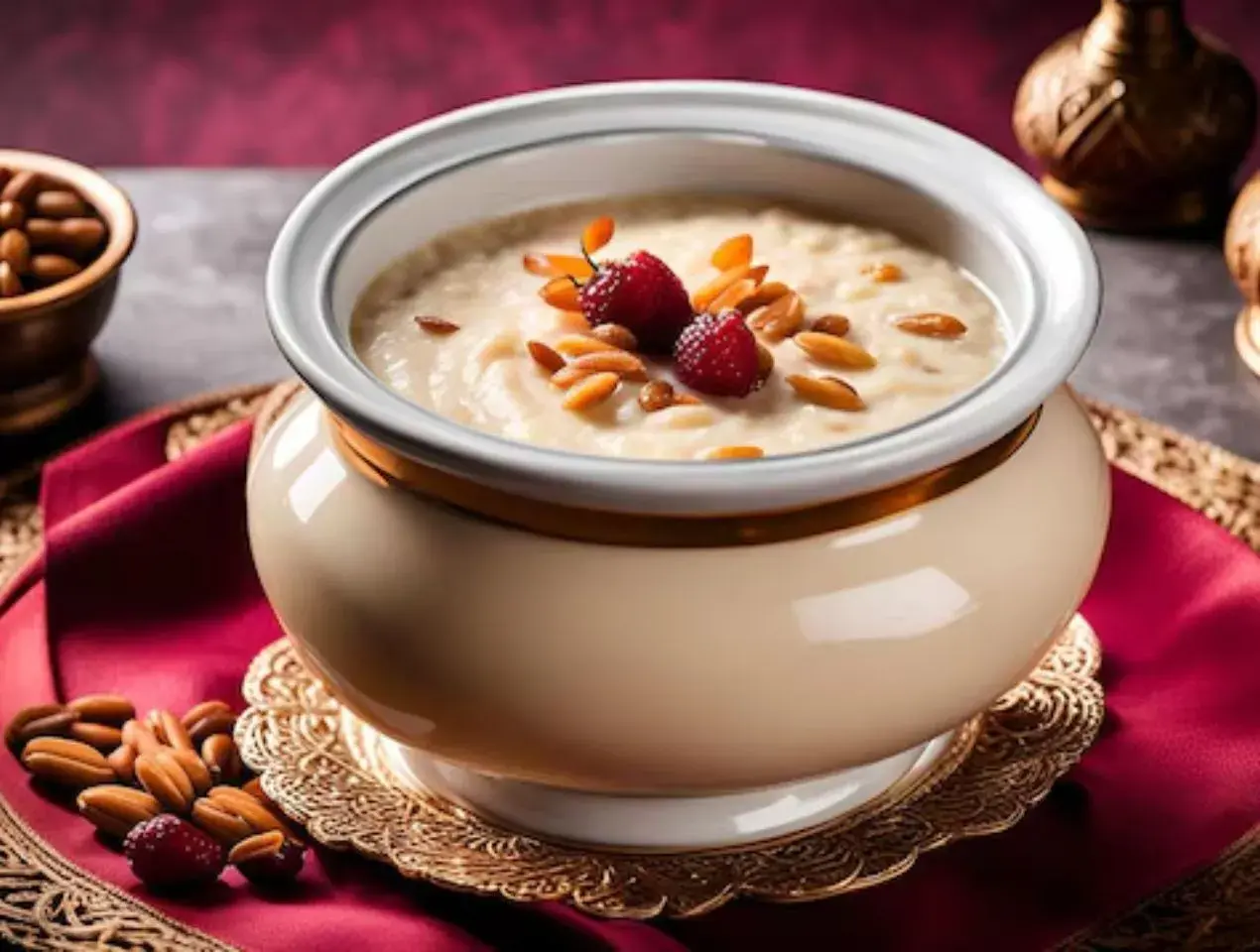
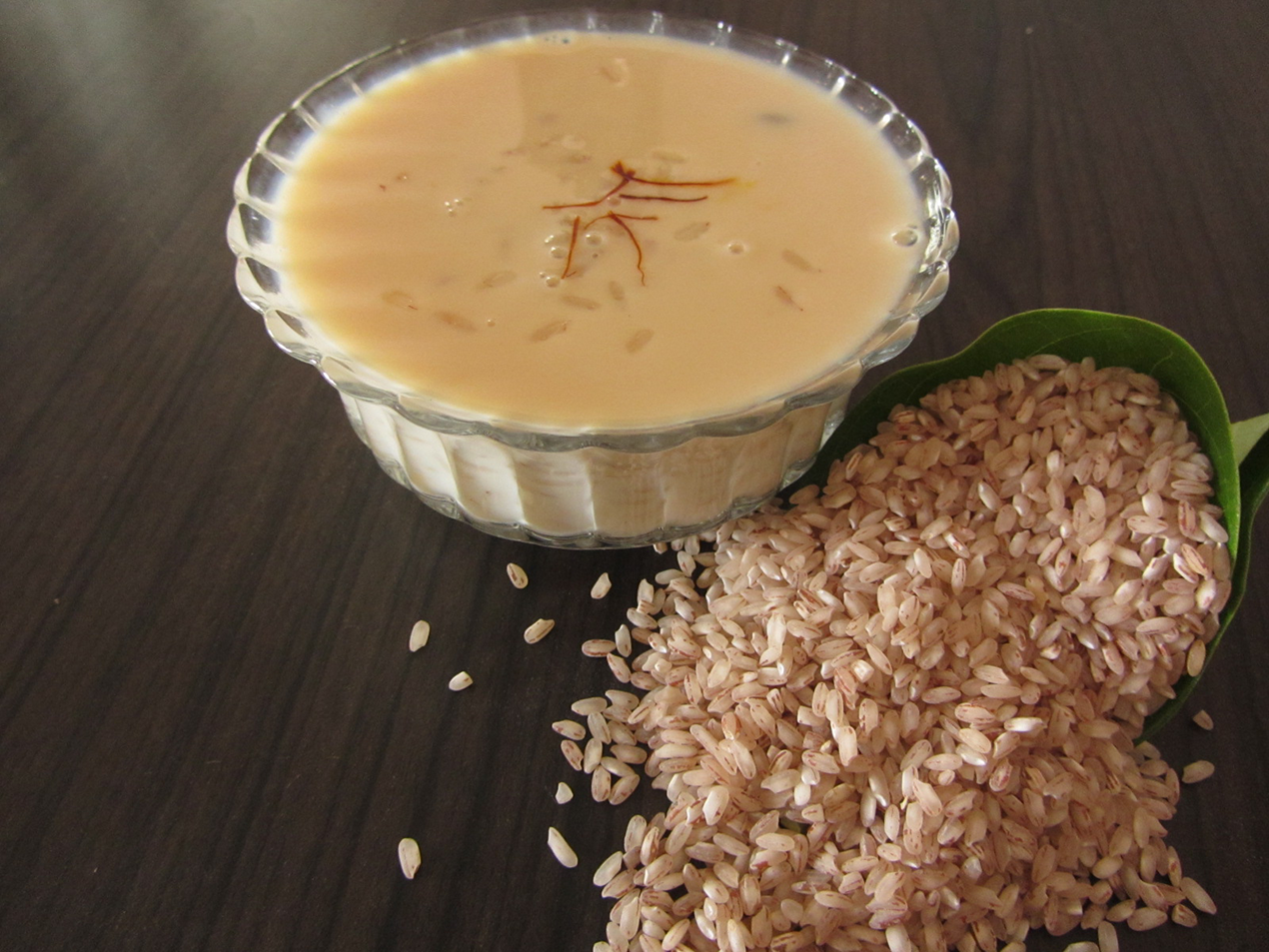
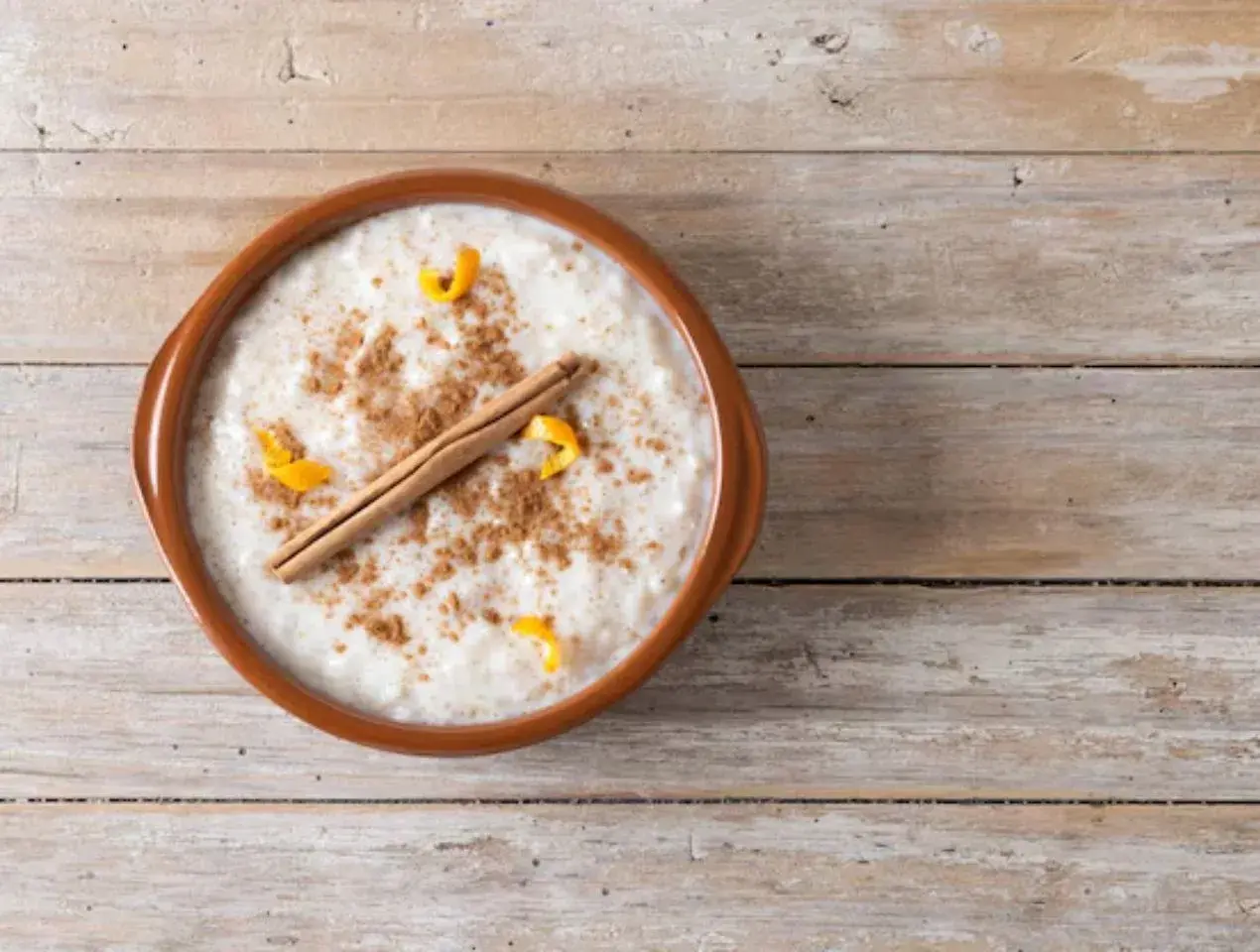
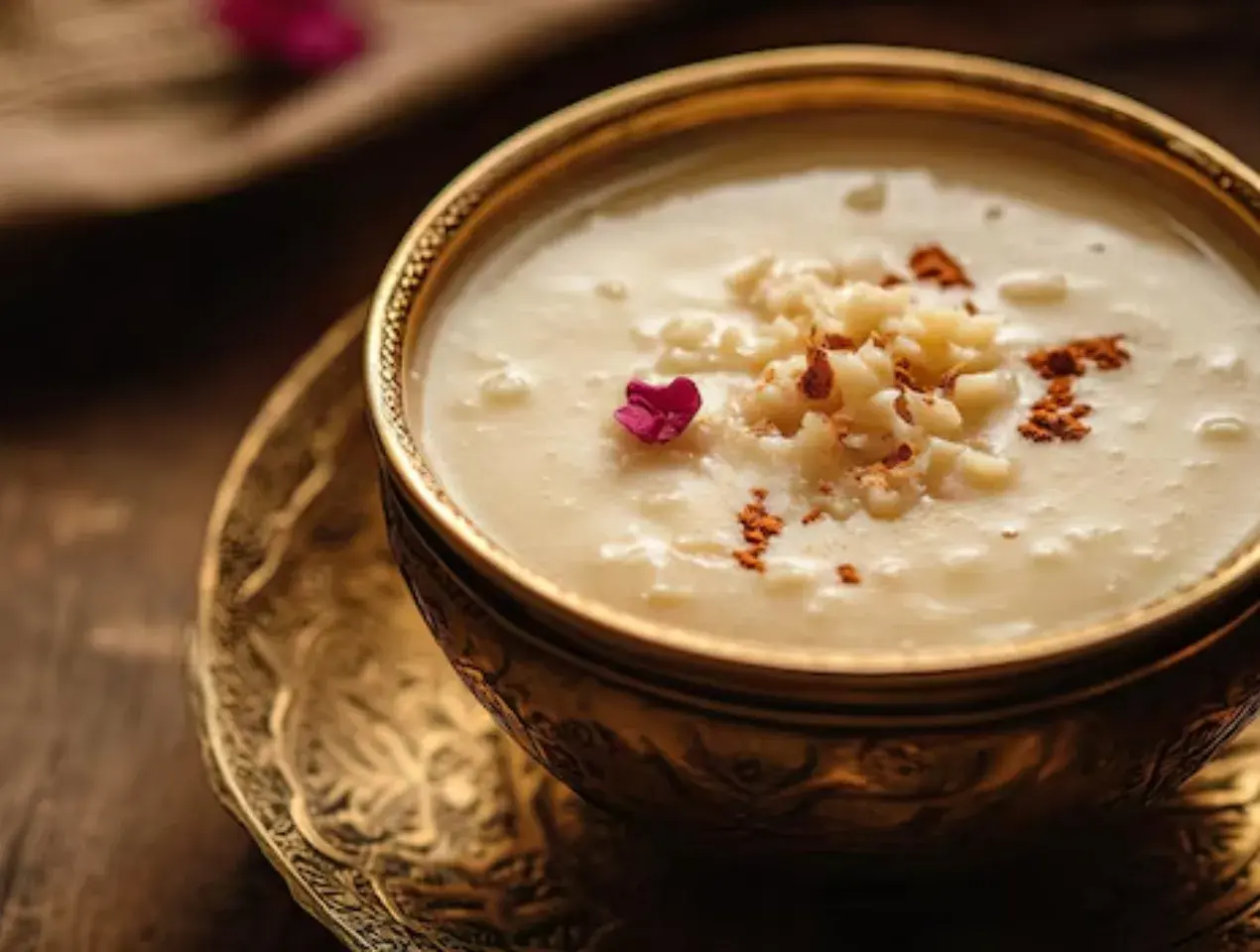
Paal Payasam is a rich dessert with rice and milk. The paal payasam recipe is just about cooking the rice slowly in milk. Cardamom has a subtle fragrance that does not overpower the creaminess of the dish. This is also prepared in many of the South Indian homes as temple offerings. After a long, slow simmer, the color changes to a pale caramel. Stir occasionally so the milk does not stick or burn. The longer you simmer this payasam, the richer the taste. Paal Payasam is the all-time favorite of generations of families. It is a reflection of the simplicity of Kerala cuisine, which is minimalist but full of flavor.
Chakka Pradhaman
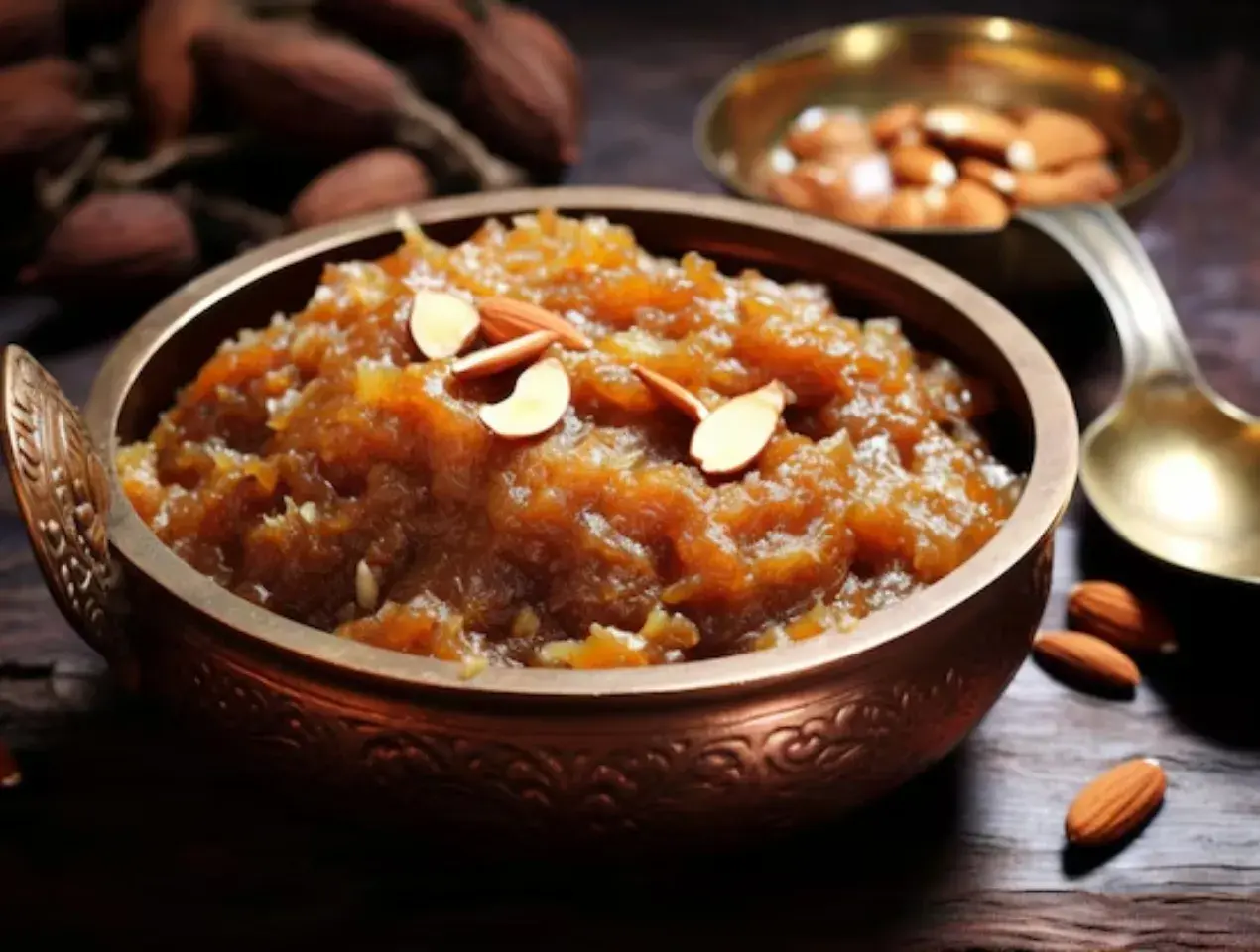
Chakka Pradhaman uses ripe jackfruit, jaggery, and thick coconut milk. Unlike other payasams, this dessert gives a unique tropical sweetness. Jackfruit is cooked down to a thick puree. Then add the Jaggery syrup and mix well in the fruit base. Coconut milk finishes the dish, giving it richness and a smooth texture. It requires more time to prepare than most of the payasam recipes. Chakka Pradhaman is a beautiful representation of Kerala’s seasonal, ingredient-driven cooking traditions. Serve warm with crisp banana chips to offset it. Yet a seasonal regional specialty during peak jackfruit season. It's a nice change from the usual rice-based sweets.
Sharkara Varatti
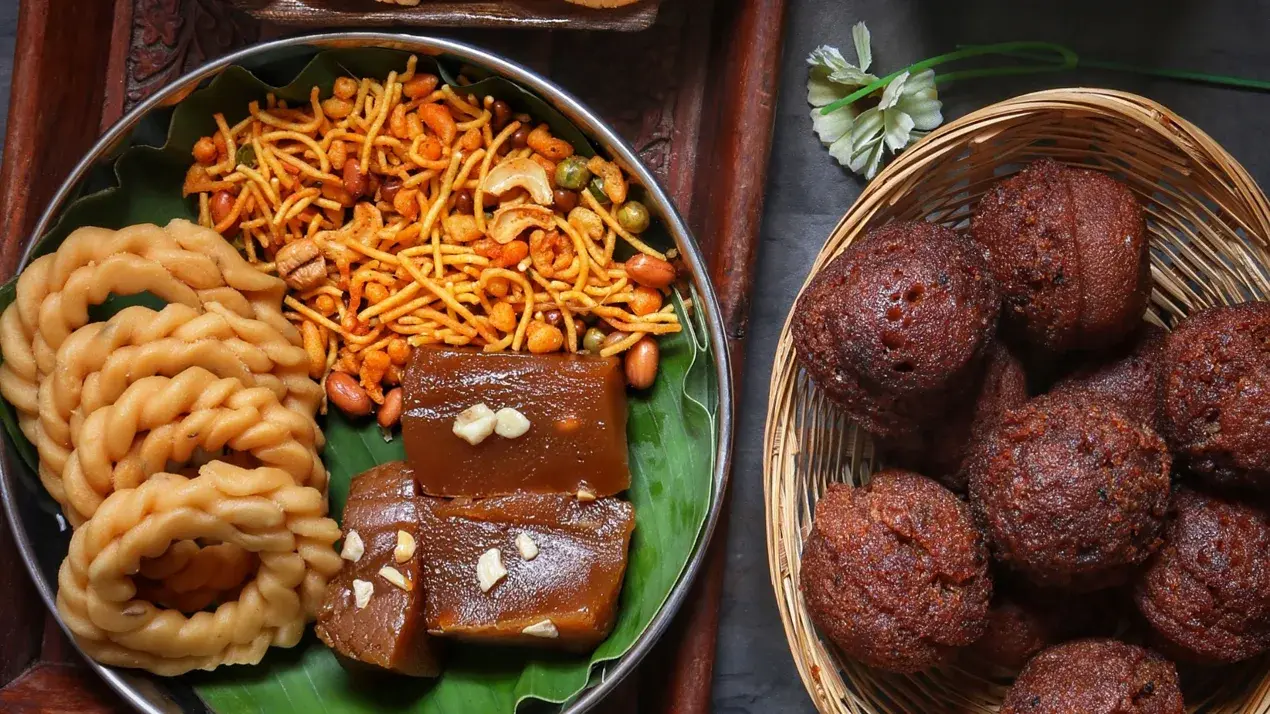
Sharkara Varatti is a dessert of jaggery-coated crispy banana chips. They deep-fry raw bananas until golden and crisp. Then each fried piece of banana is dipped into thick jaggery syrup. Cumin and dry ginger powder give subtle spice notes of warmth. Sweet and mild spice in balance in this snack-dessert hybrid. After that, it will stay crisp for days if stored properly. Sharkara varatti tastes good along with sadya rice and other curries. Many households prepare huge batches, especially for Onam celebrations. It is a much-loved textural feature of any sadya spread.
Unniyappam
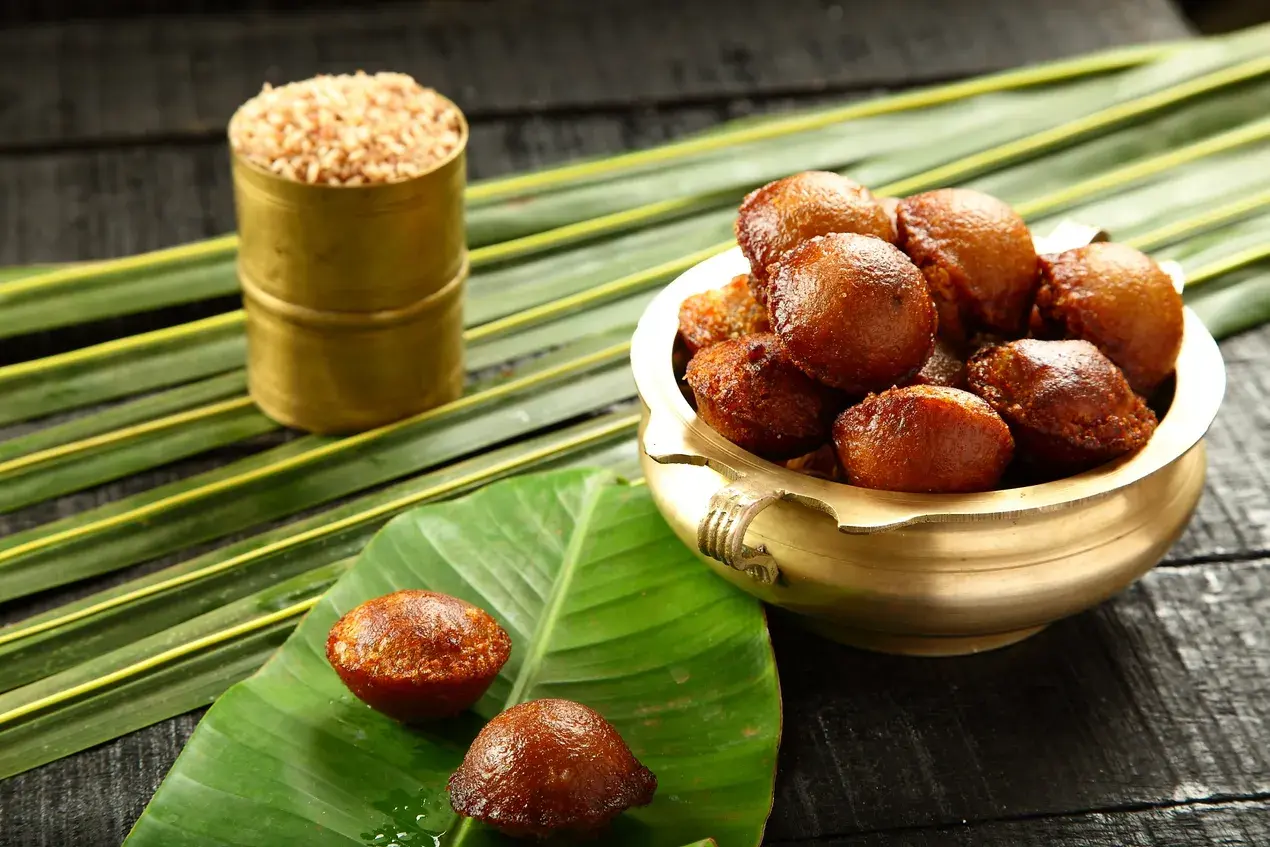
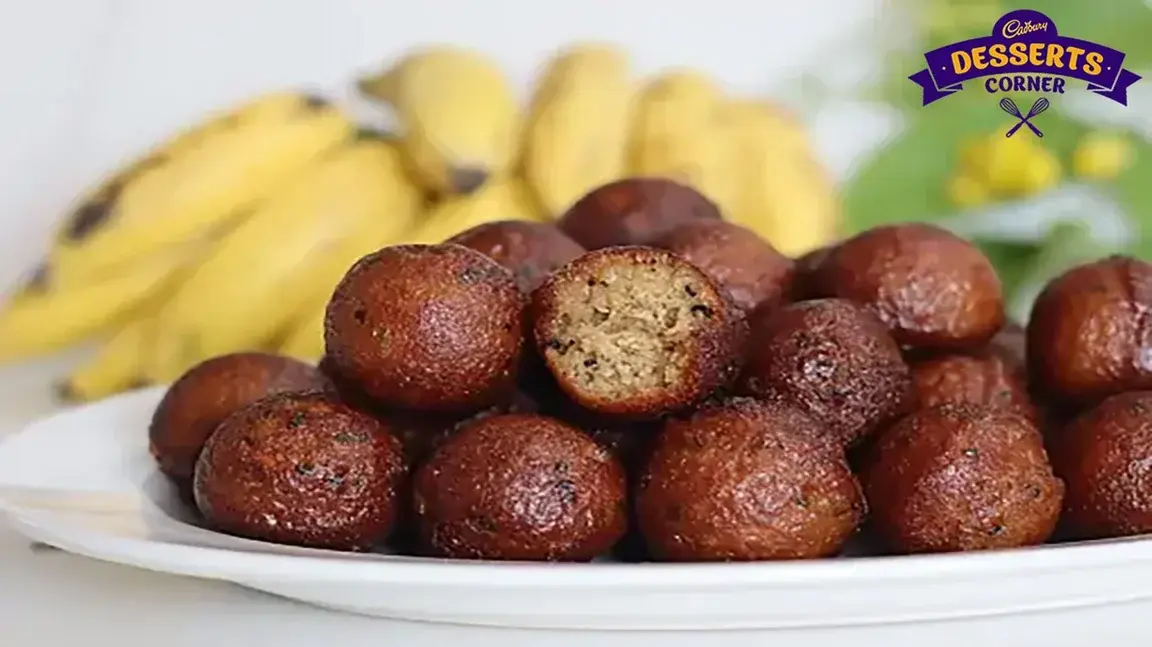
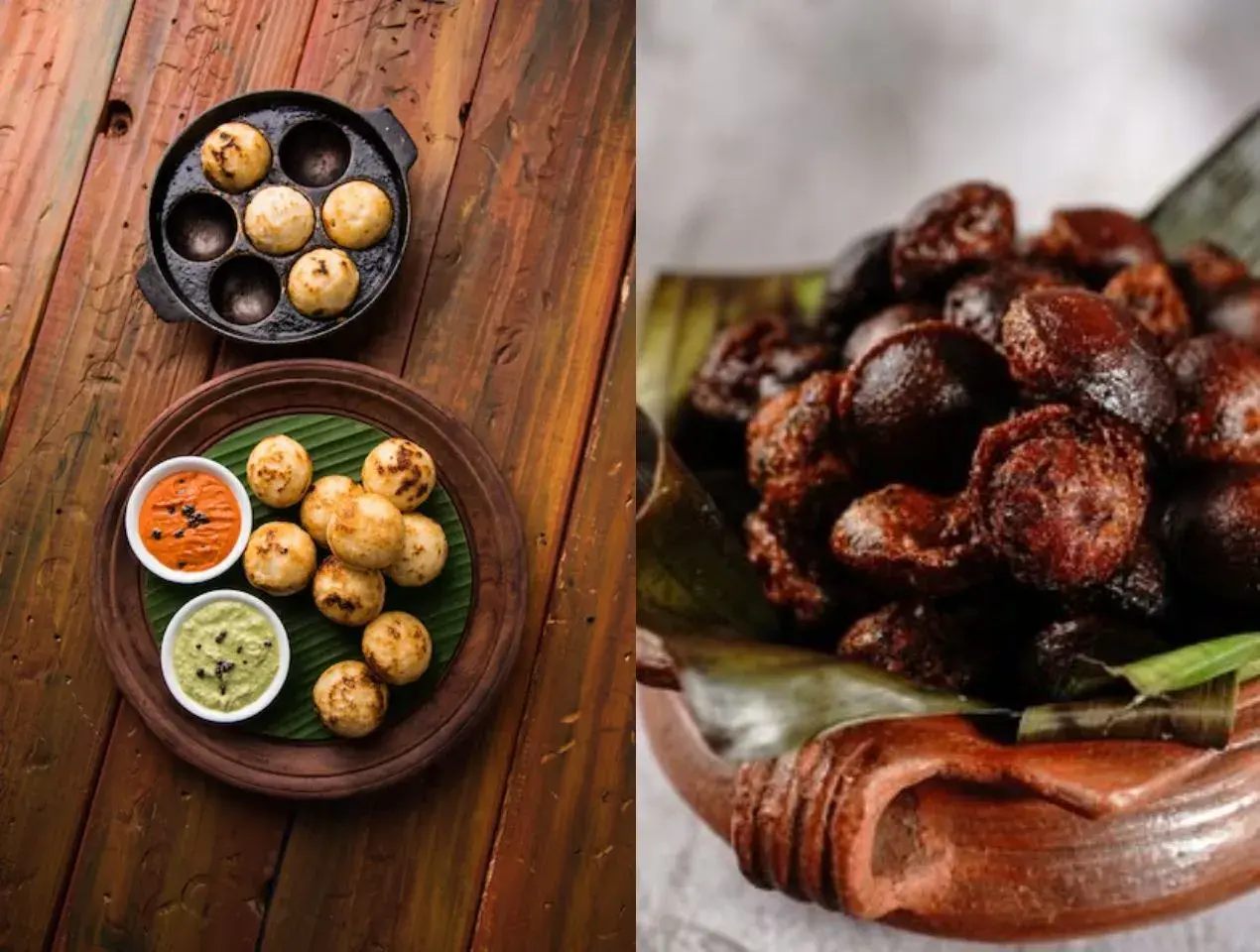
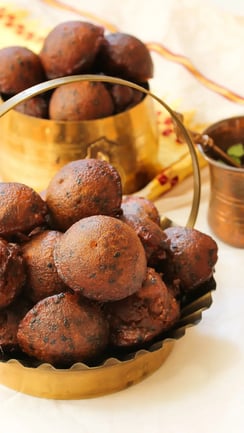
Unniyappam is a deep-fried, jaggery-sweetened rice fritter dessert. Wondering how to make unniyappam? This is a batter of rice flour, banana, and jaggery for the unniyappam recipe. Cardamom and sesame seeds lend fragrance and a touch of crunch throughout. These little round candies are easy for guests to dish up. Unniyappam is a traditional offering to the temple in every household in Kerala. Many families prepare it fresh on every Onam morning. Perfect for festive gift boxes, portable size. It is a sweet dessert and has a good chew to it. Hot tea or black coffee is tasty with Unniyappam.
Neyyappam
Neyyappam is similar to unniyappam but instead of oil uses ghee. The substitution gives a more complex, aromatic finished dessert. The traditional fritter base is made from rice flour, jaggery, and banana. They are fried in ghee, which gives them a characteristic festive buttery taste. The neyappam is often kept by many families for offerings in temples on special occasions. The neyyappam, when cooled, will retain its texture for a few days. It pairs well with black tea in evening gatherings. Neyyappam is a ghee-laden celebration of the festive cuisine of Kerala. This dessert is still made way beyond Onam celebrations.









.webp?width=244&height=486&name=Thumbnail%20(1).webp)