









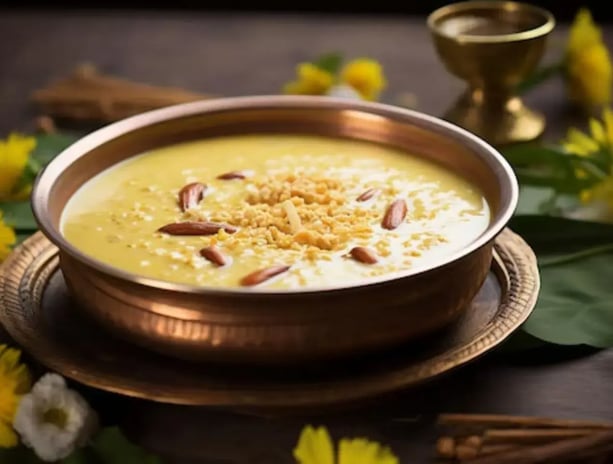


Want to make perfect payasam? Explore payasam for beginners to make this traditional dessert effortlessly delicious and festive-ready.
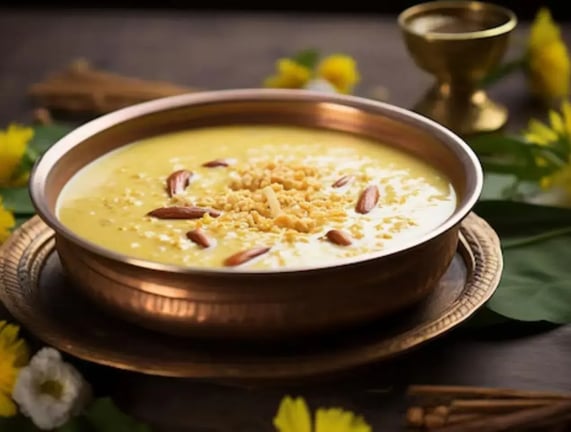
When it comes to Indian desserts, few things capture the festive spirit like payasam. This creamy dessert is not just a sweet treat. It is a tradition. Served during Onam in Kerala and Pongal in Tamil Nadu, everyone loves this sweet and creamy dessert. From rice-based Pal Payasam to vermicelli-based Seviyan Payasam, the options and varieties are endless. If you are new to making payasam, here’s all about payasam for beginners. You start with a base of milk or coconut milk, slowly cooked to creamy perfection. Add sweeteners like jaggery or sugar, spices like cardamom, and garnish with roasted nuts and raisins. With a few tips and tricks, you can make this dessert quickly.
Here’s A Simple Recipe To Make Payasam For Pongal
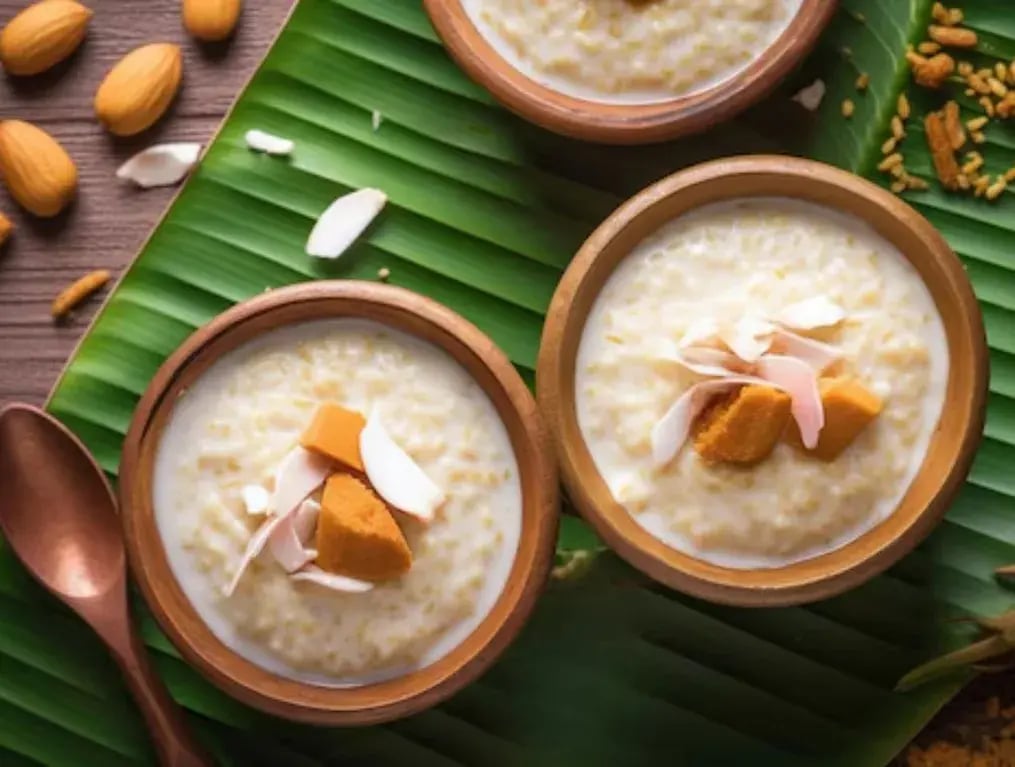
Payasam is an Indian dessert that completes celebrations with its warmth and sweetness. This creamy, sweet, and milky dessert is made during festivals and family get-togethers with simple ingredients like milk, rice, and jaggery.
Key Ingredients & Flavor Combinations
- 1 liter full-fat milk
- 50 grams rice
- 150 grams jaggery
- 1/2 tsp cardamom powder
- 1 tbsp ghee
- 10-12 pieces of cashews
- 8-10 pieces of raisins
- 1/2 cup water
If you want a vegan version of this recipe, replace full-fat regular milk with plant-based alternatives like almond, soy, or coconut milk. Despite being plant-based ingredients, they impart an equal amount of creaminess. Replace ghee with plant-based fat sources like coconut or vegetable oil for richness.
How to Make
-
Heat ghee in a pan and roast cashews and raisins until golden. Set it aside.
-
In the same pan, add rice and sauté for 2 minutes.
-
Boil milk in a pot, then add the rice. Cook on low heat until the rice is cooked and the milk thickens.
-
Dissolve jaggery in water separately and strain.
-
Add the jaggery syrup to the rice mixture. Mix it well.
-
Add cardamom powder and mix. Simmer for 2-3 minutes.
-
Top with roasted cashews and raisins. Serve hot or cold.
10 Tips and Tricks for Perfect Payasam: Beginner-Friendly Advice
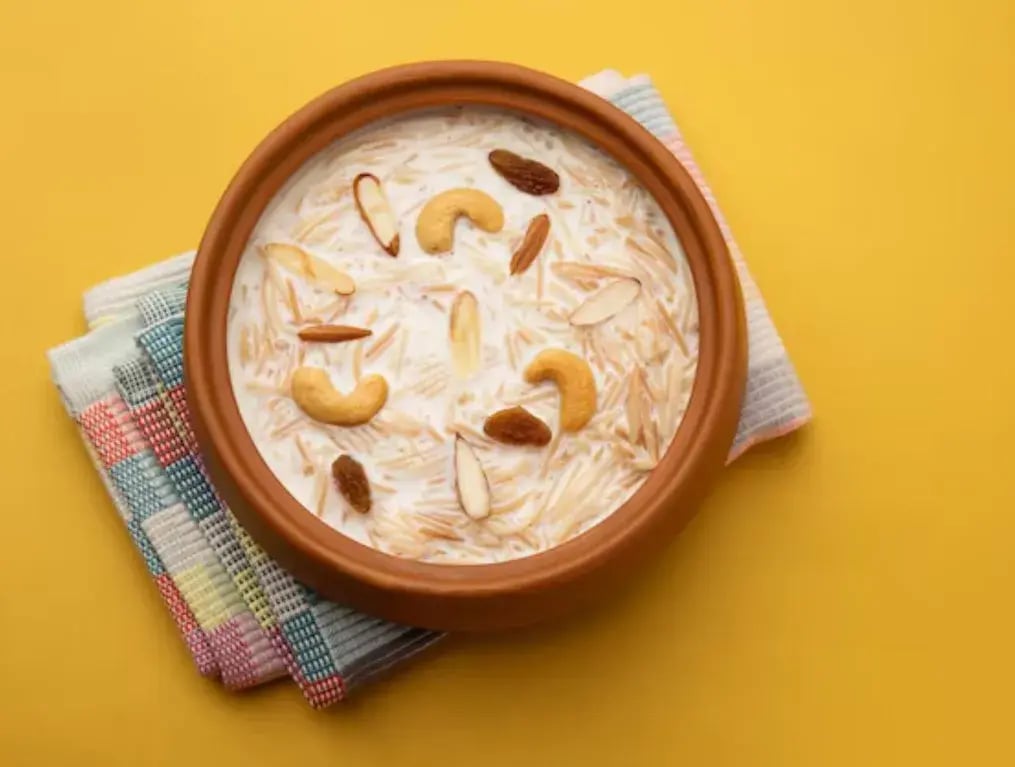
Choose The Right Base
The base of your payasam is the texture. Use full-fat milk for a creamy and rich texture. For variations, use coconut milk for a South Indian flavor. Never use skimmed milk as it will dilute the richness of the dessert.
Wash And Soak The Rice
Soaking rice for 20-30 minutes before cooking helps it cook evenly and absorb the flavors better. This step helps beginners who struggle with timing. Make sure the rice grains do not clump together.
Use Fresh Jaggery
Jaggery is the soul of payasam. Use fresh and high-quality jaggery to get the depth and sweetness of the dessert. Dissolve it in water and strain to remove impurities before adding it to the payasam.
Roast Nuts And Raisins
Roast cashews and raisins in ghee until golden for a nutty crunch and caramelized flavor. This small step makes a big difference to the dessert, making it aromatic and visually appealing. Add this at the end to retain the texture.
Cook Rice Or Vermicelli Separately
If you are a beginner, cook the rice or vermicelli separately to avoid overcooking or uneven texture. This way each ingredient is perfectly cooked before mixing.
Simmer Slowly
Patience is the key when thickening the milk. Keep the flame low and stir often to prevent burning or sticking. This allows the milk to reduce naturally and get a rich base.
Do Not Oversweeten
Payasam should not be too sweet, so start with less jaggery, ,taste and adjust as needed. This way you get a balanced flavor that does not overpower the ingredients.
Add Cardamom Powder For That Extra Fragrance
Cardamom powder is a must for payasam; it gives a warm and inviting aroma. Crush cardamom pods fresh for maximum flavor instead of using the pre-ground powder. Add it towards the end for best results.
Try Other Variants
If you want to go beyond rice payasam, try vermicelli, sago or even millets. Each one gives a different texture and taste while keeping the traditional taste intact.
Serve Warm or Chilled
The beauty of payasam lies in its versatility. Serve it warm for comfort during festivities or chill it for a refreshing dessert during summers. Always let it rest for a while to allow flavors to meld beautifully before serving.
Exploring Payasam Variations
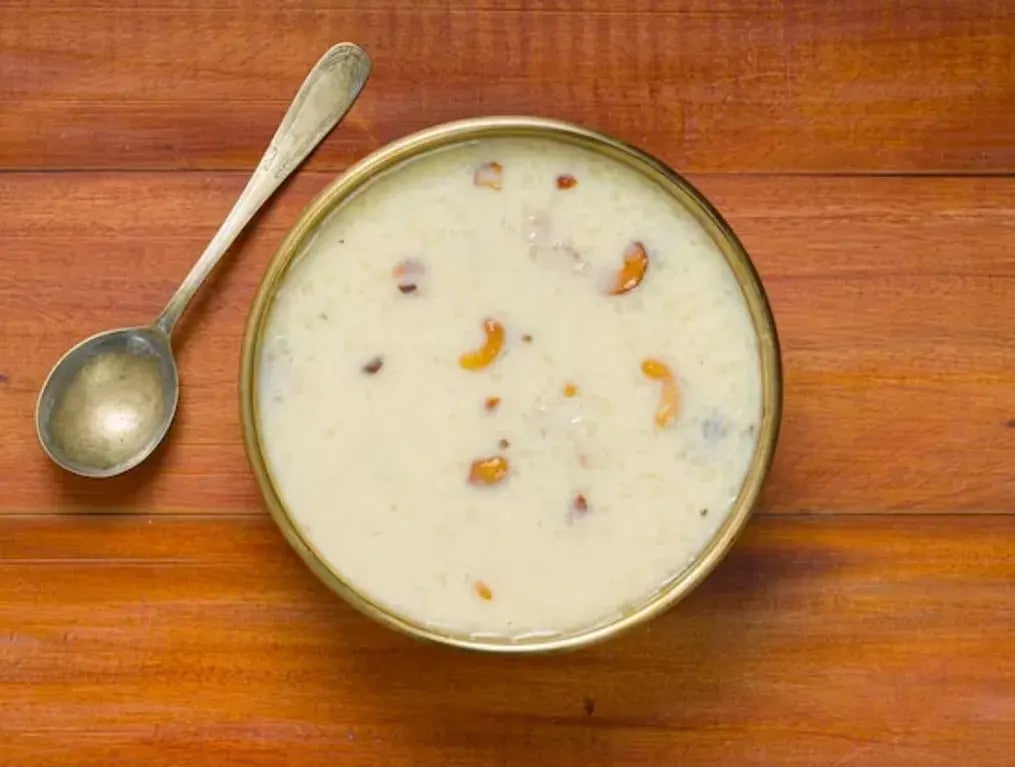
Semiya Payasam
This is one of the easiest and quickest payasam recipes that you could come across. To make this milky, creamy, sweet payasam, all you need to do is roast some vermicelli in ghee, boil it in milk, and add some sugar or condensed milk for sweetening. For an aromatic twist in flavor, add a few cardamom pods. Ghee-roasted cashews and raisins are added for a rich and festive flavor twist. Made in under 20 minutes, this Semiya Payasam recipe is perfect to start the journey of making these festive desserts.
Aval Payasam
Often made during festivals like Onam and Pongal, this payasam is believed to be one of the most popular festive desserts. This traditional South Indian sweet pudding features flattened rice (aval), milk or coconut milk, and sugar or jaggery. Unlike traditional rice payasam, this flattened rice cooks in just 10 to 15 minutes.
Millet Payasam
Millet payasam is a traditional South Indian sweet pudding or kheer made by substituting rice with nutritious millets. Here, millet is simmered with milk, jaggery or sugar, and cardamom. It is then garnished with ghee-roasted nuts.
Cultural Significance Of Payasam
Besides adding sweetness to the auspicious festival, these festive desserts also carry cultural significance across states. Adding great symbolic value, payasams are shared to celebrate growth and prosperity. Made with natural ingredients like coconut, jaggery, milk, and more, these payasams represent health, wealth, and well-being. Making these at home brings the family closer while writing a sweet ending to the elaborate festive celebrations.
Common Mistakes to Avoid
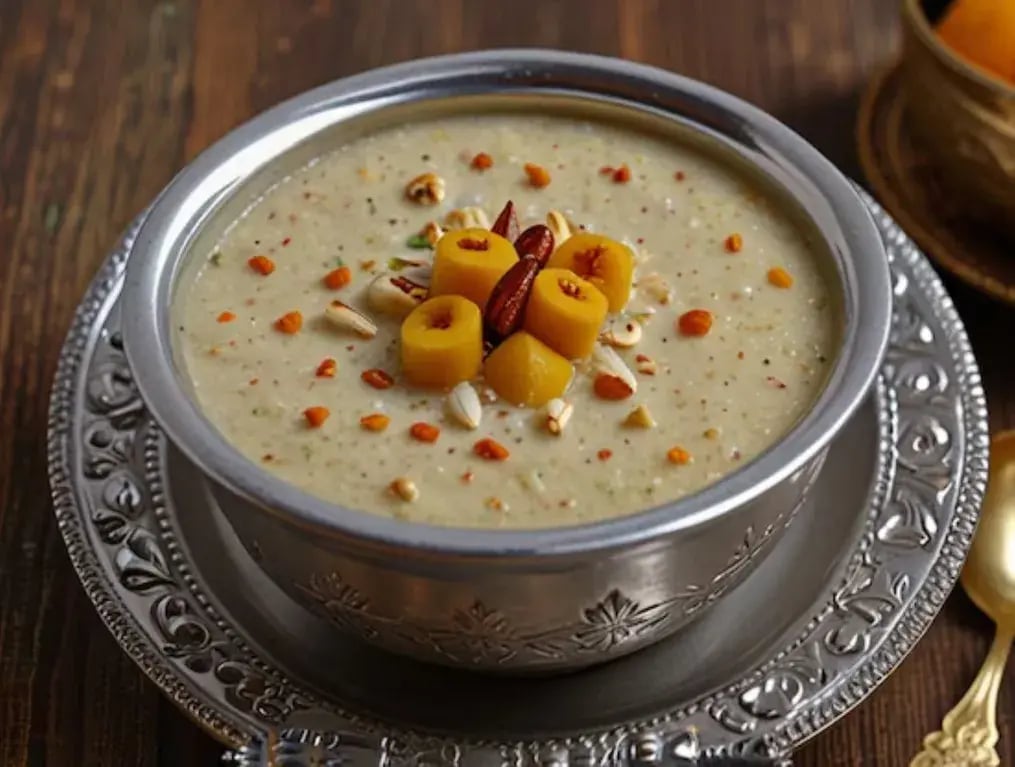
To make sure the payasam is not curdled, avoid mixing hot milk with active jaggery. Make sure you switch off the stove and let the base cool slightly before adding jaggery. Also avoid overcooking the ingredients to ensure the payasam does not turn mushy.
To avoid scorching and sticking, avoid cooking on high flame. Stick to low or medium heat with a heavy-bottomed pan. For a perfectly thick texture, let the payasam cool down. Don’t add spices like cardamom or saffron at the start. Add them near the end, so that the aroma blends in perfectly.
Serving Suggestions
Served warm or chilled, payasams taste unbelievably delicious. Usually served at the end of an elaborate meal, these payasams pair perfectly with roasted nuts, raisins, dried fruits, fresh fruits, and papadams as well. Besides the regular payasams, the fruit-based varieties are also served during the festive season.
Frequently Asked Questions
Can I use sugar instead of jaggery in payasam? 
Yes. You can easily use sugar instead of jaggery in payasam. However, in the southern states of Kerala and Tamil Nadu, jaggery is more commonly used in festive payasams. While refined sugar sweetens them, jaggery also brings in an earthy note.
How can I make vegan payasam?
To give the traditional payasam recipe a vegan twist, replace regular dairy with plant-based alternatives like almond, soy, or coconut milk. Also, swap ghee with plant-based fat like coconut or vegetable oil.
What is the best way to store leftover payasam?
As the payasams contain dairy, it is essential to refrigerate them in airtight containers to avoid spoilage. This keeps them edible for 3-4 days.
Like This Article?
More Like This




Popular Articles


Trending Web Stories


Curated Recipes