









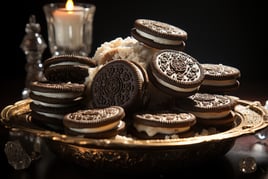


Satisfy your sweet tooth during Navratri fasting with these vrat-friendly treats made from singhara atta, coconut, and dry fruits.

Navratri, one of the most revered Hindu festivals, is celebrated with utmost devotion and spiritual fervor. It’s a 9-day-long festival in honor of Goddess Durga and her 9 avatars. In 2026, Navratri will be from October 11 to October 19, with Ashtami on October 18 and Navami on October 19, followed by Dussehra on October 20. While the festival is all about fasting, prayer, and dance, food plays a big role too.
Also Read: Navratri Special Malpua Recipe
Introduction
During fasting, many people avoid having grains, pulses, and certain spices and opt for vrat-friendly ingredients like sabudana, kuttu, singhara, and makhana. But fasting doesn’t mean you can’t have sweets! In fact, sweets during Navratri are not just delicious but energy-boosting and nourishing. Whether it’s the classic makhane ki kheer, the ever-popular singhare ke atte ka halwa, or the rich rajgira ladoo, these traditional sweets will keep you feeling light yet full.
If you want to add some innovation to your festive menu, try incorporating fruits, nuts, and even jaggery-based sweets. Whether you are observing the fast strictly or just enjoying the festive spirit, these wholesome vrat-friendly sweets will satisfy your sweet tooth while being traditional.

10 Sweets To Make Navratri Fasting Delicious

Makhana Kheer
Makhana, or fox nuts, is a fasting staple, and turning it into kheer is a sweet and healthy dessert. This vrat-special kheer is made by roasting makhana in ghee till crispy, then simmering it in boiled milk till it softens. A pinch of cardamom and chopped nuts adds to the flavor, while a natural sweetener like jaggery or honey keeps it vrat-friendly. Light and filling, this kheer is perfect to satisfy your sweet cravings during Navratri.
Singhare ke Atte ka Halwa

No Indian festival is complete without halwa! For Navratri, singhara (water chestnut) flour is used instead of regular wheat flour. Cook the flour in desi ghee till aromatic, then add hot milk and stir continuously. Sweeten with jaggery or rock sugar and finish with slivers of almonds and cashews. This halwa is rich, warm, and satisfying – just what you need after a day of fasting.
Rajgira Ladoo
Rajgira (amaranth) is a Navratri superfood, packed with protein and essential nutrients. To make rajgira ladoos, simply roast amaranth seeds, mix them with melted jaggery, and shape them into small balls. You can also add chopped dry fruits or a pinch of cardamom for extra flavor. These ladoos are perfect as a quick energy booster during fasting.
Sabudana Kheer
Sabudana or sago pearls are a fasting staple. Cooked slowly in full-fat milk, sweetened with jaggery and flavored with saffron and cardamom, sabudana kheer is both light and nourishing. Easy to digest and providing instant energy, it’s the perfect fasting sweet. Garnish with chopped nuts for a royal finish.
Kuttu Atta Malpua
Malpua is a festive favorite, and during Navratri you can make it vrat-friendly using kuttu (buckwheat) flour. The batter is made with mashed banana, kuttu flour, and milk, then fried in ghee till golden brown. Once crispy, it’s dipped in a jaggery syrup with a hint of cardamom and saffron. These sweet and crispy malpuas are perfect to enjoy this Navratri.
Coconut Ladoo
Coconut ladoos are the easiest to make during Navratri. Fresh coconut is sautéed in ghee, mixed with condensed milk or jaggery,y and shaped into ladoos. Add a pinch of cardamom, and you are done. These ladoos are not only tasty but also an offering to the Goddess.
Lauki Halwa
Bottle gourd, or lauki, may not sound like a dessert ingredient, but during fasting it turns into a rich and delicious halwa. Grated lauki is sautéed in ghee, cooked with milk, and sweetened with rock sugar or jaggery. Add almonds and pistachios,s and you are done. This halwa is nutritious and indulgent.
Sweet Potato Rabri
Sweet potatoes, or shakarkandi, are a fasting favorite, and they make a fantastic rabri-style dessert. Boiled and mashed sweet potatoes are cooked with thickened milk, sweetened with honey or jaggery, and flavored with cardamom. Shakarkandi is so sweet that you don’t need to add much sugar.
Apple Kheer
For a refreshing Navratri dessert, try apple kheer. Grated apples are slow-cooked in milk, flavored with cardamom and saffron, and lightly sweetened with honey. This kheer is not only light and easy to digest but also packed with nutrients, making it perfect as a post-fast treat.
Dry Fruit Barfi

Made from dates, figs, almonds, cashews, and raisins, this sugar-free barfi is naturally sweet and energy-dense. The nuts and dried fruits are blended into a dough, pressed into a tray, and set before being cut into squares. Since it’s made without grains or refined sugar, this nutrient-rich sweet is perfect for Navratri fasting.
How to Store Navratri Fasting Sweets
Preparing Navratri fasting sweets in advance could save lots of time since there will be other activities, like praying and fasting, along with celebrating. However, storage tips depend on the ingredients used. Milk-based desserts like makhana kheer, sabudana kheer, apple kheer, and sweet potato rabri need to be kept refrigerated in an airtight container. It would be best to consume them in 1–2 days to enjoy their taste at its maximum.
Sweeter desserts that contain less liquid have a longer shelf life. Rajgira ladoos, coconut ladoos,s and dry fruit barfi could be stored up to a week in a clean airtight container in a cool, dry place. In case of high humidity and warm temperatures, the refrigerator will work better; however, some sweets will become firmer when cooled.
Make sure your sweet is not hot before you put it in the airtight container because condensation may form, and it might affect the product's texture. When serving the sweets from a container, use a dry and clean spoon.
In case you are planning to prepare sweets for Navratri fast in advance, you can start with dry fruit barfi and rajgira ladoos because it is easier to divide and store them. Halwa and milk-based sweets could be prepared in advance too, but only a few days before their consumption. Remember to check the smell, texture, and color of your stored sweets before eating them.
Frequently Asked Questions
What ingredients are allowed during Navratri fasting? 
Common vrat-friendly ingredients include sabudana, kuttu, singhara, rajgira, makhana, potatoes, sweet potatoes, fruits, milk, yogurt, nuts, and some fasting-approved spices. Requirements may differ depending on each family.
Can Navratri fasting sweets be made ahead of time?
Yes, ladoos and barfis are easily prepared a few days in advance, while kheers and rabri are better prepared closer to their serving. Store all the sweets based on their ingredients.
Which Navratri sweet is best for quick energy during a fast?
Rajgira ladoos and dry fruit barfi are good options to provide quick energy as they consist of naturally sweet ingredients and nuts. The size of portions should be considered too.
Is jaggery better than sugar for Navratri vrat sweets?
Jaggery can give more flavor and even minerals, but it is still a type of sugar and gives calories. It all depends on personal preferences.
Like This Article?
More Like This


Popular Articles


Trending Web Stories


Curated Recipes