





Coconut and palm sugar are Singapore’s dessert BFFs, much like its neighbors. Of course, we need to mention the local pandan leaves that give certain desserts their beautiful green hue. So, what are you waiting for? It’s time for you to take notes!
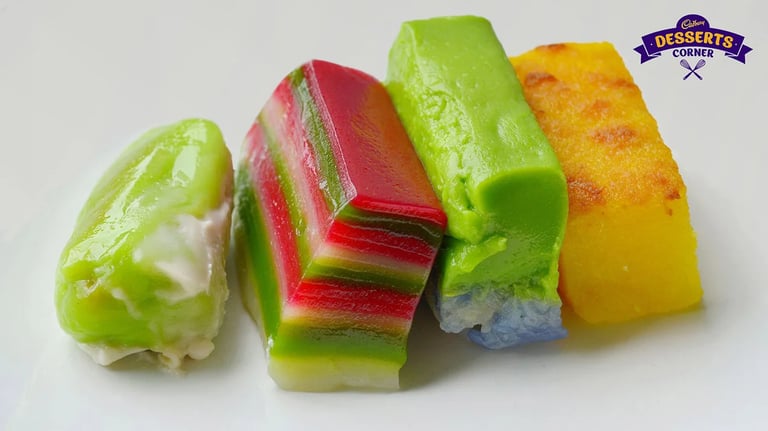
Singapore is often celebrated for its vast cultural and ethnic diversity. And Singaporean cuisine is an indispensable part of it. Being a melting pot of several ethnocultural influences, Singaporean desserts are a perfect blend of fusion and indigenous touches. From the classic pandan cake to refreshing mango pudding, these popular desserts in Singapore have a lot to offer.
Why Coconut and Pandan Define Singapore's Dessert Identity
The true essence of desserts often lies in the ingredients. And when it comes to the desserts that carry the culinary flavor of a whole region, there is always something truly special about the ingredients. For Singaporean desserts, coconut and pandan are two such ingredients. Be it the traditional treats or modern desserts, these two elements bring in the creamy, fragrant, and tropical flavors like nothing else. Pandan, being known as ‘Asian vanilla’, brings in a grassy, nutty aroma, while coconut is all about creamy richness. Here’s a look at popular desserts in Singapore.
Chendol: Singapore's Iconic Pandan Jelly and Coconut Shaved Ice Dessert
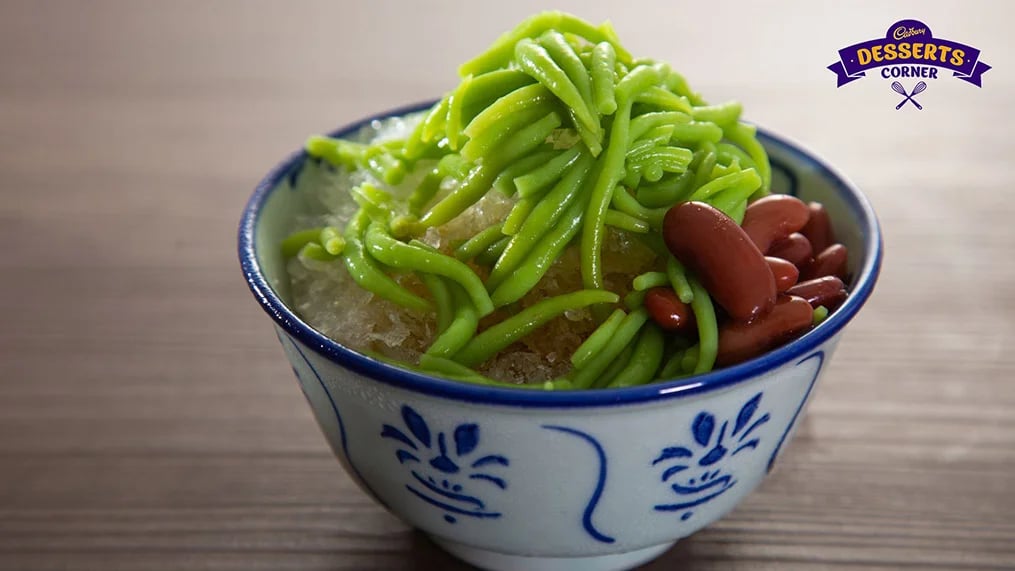
Chendol features soft, pandan-green jelly noodles that lend it a distinctive flavor and color. These Chendol noodles inspired the dessert's name. Chendol is typically made with shaved ice soaked in a coconut milk base. It also includes kidney beans and rice flour or pandan jelly. A sweet and aromatic palm sugar syrup flavored with pandan leaves is poured over the top. Customers can opt to add extras like corn or creamy durian fruit, depending on their preferences. It can be enjoyed either as a chilled dessert on a hot day or as a cooling beverage.
Nyonya Kueh: The Colourful Peranakan Rice Cakes of Singapore
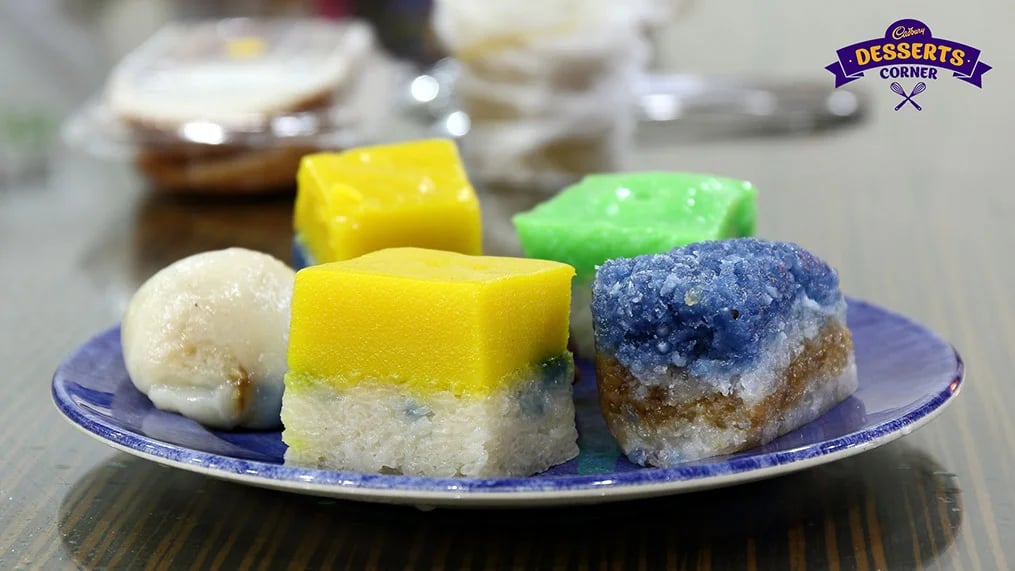
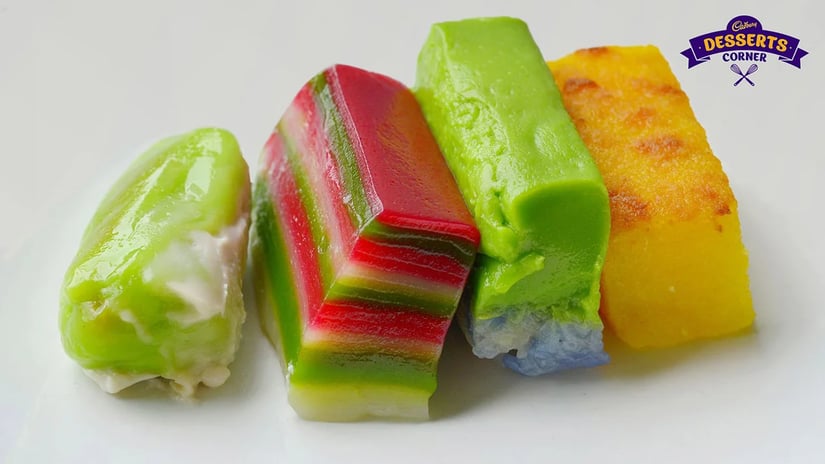
This particular dessert is named after the early Chinese immigrants and their descendants who settled in Penang, Malacca, and Singapore and gave birth to the South East Asian, Nyonya Peranakan cuisine. It features cakes that are different colors of the rainbow and made entirely out of rice flour and coconut milk. Palm sugar, pandan juice, and coconut flakes are also often added as flavor enhancers and sweeteners.
Cincau: Singapore's Herbal Green Grass Jelly with a Mildly Bitter Finish
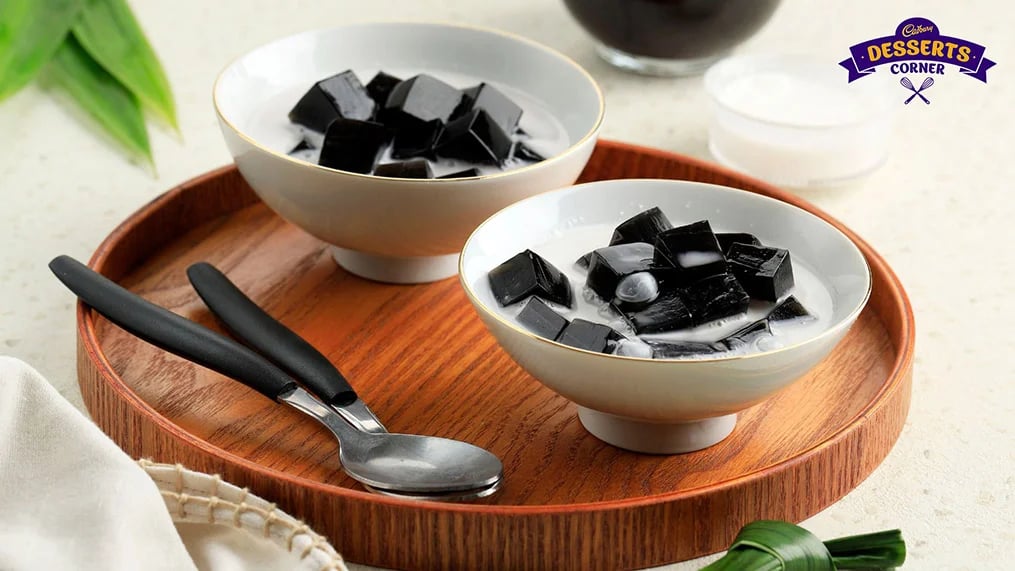
Also known as green grass jelly, Cincau is a traditional Chinese herbal jelly that has a distinct dark appearance that reminds one of soy sauce. But of course, this soy sauce lookalike jelly is sweet and made up of a local plant called Cyclea Barbata, which has beautiful spade-shaped leaves. Cincau takes on different forms, from wriggly worm jelly noodles to the easy-to-plop cubes. But it's not entirely sweet, being herbal it possesses a mildly bitter flavor that is a great addition to desserts like Chendol and Ais Kacang or if you can stand the bitterness, it's great on its own too.
Ais Kacang: Singapore's Rainbow Shaved Ice Dessert
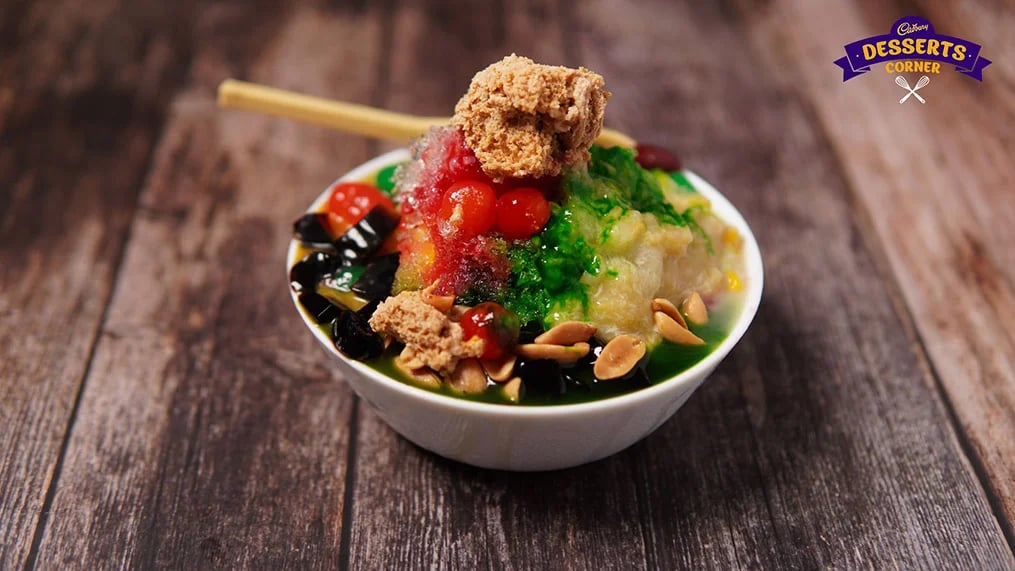
Ice Kachang or Ais Kacang translates to bean ice, so it's red beans served on a bed of ice dessert, similar to the Korean Bingsu which is a revered delicacy. Ais Kacang is a traditional Malaysian dessert where these two ingredients are drenched in colorful sweet syrups, condensed milk, sweet corn, jelly noodles, ice cream, and even peanuts. It's a refreshing treat on a hot summer day. Interesting trivia, if the locals don't understand the name say ABC! That's the colloquial term for this yummy and refreshing dessert.
Tau Huay: Singapore's Silky Soft Soybean Curd Dessert
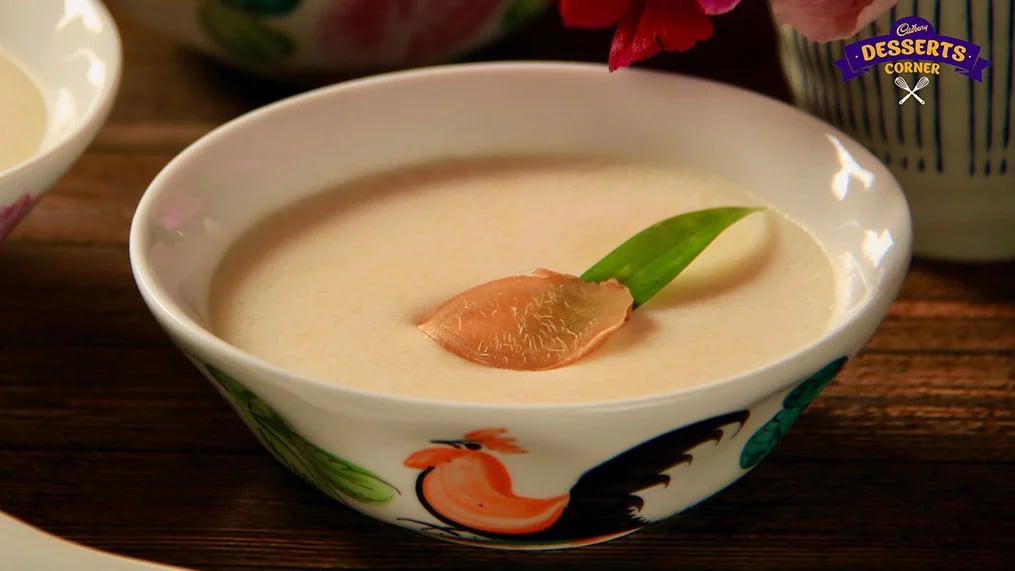
This one might not sound so appetizing for it is a soybean curd dish that has a pudding-like consistency. Eaten during breakfast or lunch, soya bean milk along with sugar and a coagulant, is boiled to make this dessert. In China, the same dish is called Douhua instead of Tau Huay. The texture of this dessert is silky soft, which is enjoyed both chilled and hot and sometimes also eaten as a side dish with you tiao, a kind of doughy fritter. Modernity has also given rise to other variations of Tau Huay made with almond bean curd or soy milk.
Pandan Chiffon Cake: Singapore's National Cake
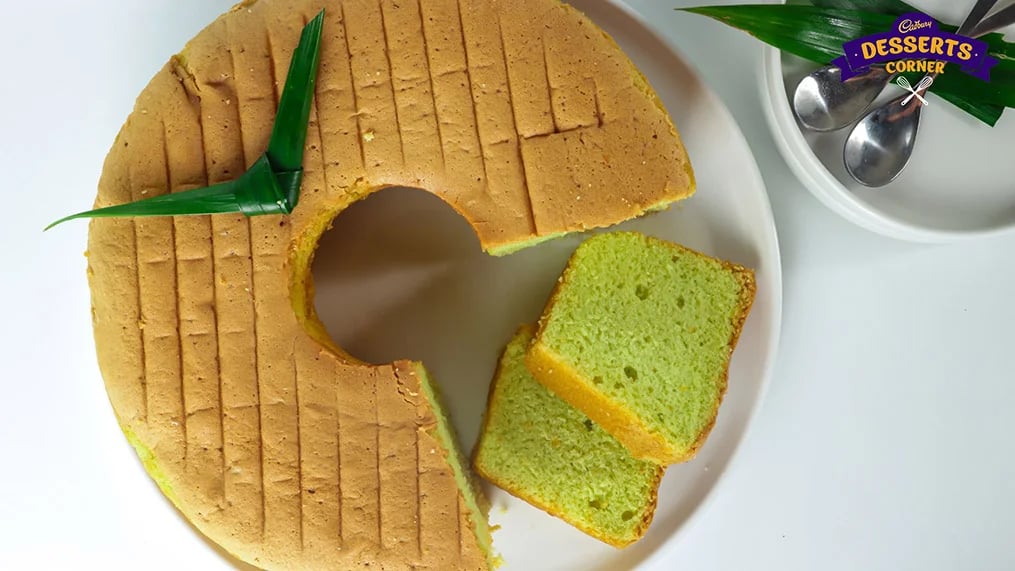
This is “Singapore’s National Cake” with its golden exterior and fun, vibrant green interior, courtesy of the pandan leaves that are extensively used in desserts in many East Asian countries. A simple chiffon cake is transformed into this visual treat using the flavor extract (the juice) from the pandan leaves. Coconut milk also lends its flavor and gives the cake a supple and moist interior. Just like Japan’s Castella Cake, which has foreign influences, the pandan chiffon cake is also not indigenous to Singapore and has Dutch influences.
Durian Pengat: The Creamy Peranakan Coconut Dessert
Coconut milk reigns supreme in the island country of Singapore; this has been established so far, no doubt. So, how about a bunch of chopped fruits and root vegetables cooked in a concoction of coconut milk and sugar? That's exactly what pengat is. Durian is added to this dessert to thicken and flavor it, and upon cooking, it has the consistency of a smooth mousse. This dessert is also linked to the Peranakan community and the Malays.
Additional Desserts
Kanom Piak Poon Baitoye
This traditional pandan dessert is a delicious pudding-like delicacy made with the goodness of rice flour, tapioca flour, palm sugar, limewater, and aromatic pandan juice. Once the pudding mixture is ready, it is strained and cooked over low heat until it becomes a thick, glossy, chewy, dark green custard. Traditionally set in molds, the dessert is cut into square or diamond-like pieces and garnished with salty, grated coconut.
Kueh Dadar
Kueh Dadar is a classic Singaporean crepe dessert filled with sweet, grated coconut caramelized in palm sugar. Being a popular snack, these soft, fragrant crepes are made of flour, coconut milk, egg, grated coconut, palm sugar, and pandan juice.
With the grassy, vanilla-like aroma at its core, this dessert is thin, soft, and slightly chewy in taste.
Ondeh Ondeh
As unique as the name sounds, Ondeh Ondeh are best defined as bite-sized, Pandan-flavored, coconut-coated rice balls filled with molten palm sugar. With every single bite, the melted sugar slowly bursts into the mouth to turn this into a caramely-coconutty sweet experience. And the strong, nutty notes of pandan always add an earthy aroma.
Frequently Asked Questions
What makes pandan and coconut iconic in Singapore desserts? 
The flavors of pandan and coconut are at the heart of Singaporean desserts. While Pandan brings in the classic grassy and nutty aroma, coconut is the reason behind the creamy richness and that earthy undertone of Singaporean desserts.
What is the difference between pandan extract and fresh pandan juice?
While both are naturally sourced from Pandan, the extract is defined as the concentrated, dark green sediment that deposits after blending pandan leaf water. The juice, on the other hand, is a diluted, strained mixture of blended leaves and water.
Where can I find the best traditional desserts in Singapore?
To taste the best Singapore desserts, one may visit places like Ah Chew Desserts, Mei Heong Yuen Dessert, and Traditional Haig Road Putu Piring. All these places are known for assorted Singaporean desserts.
Like This Article?
More Like This




Popular Articles


Trending Web Stories


Curated Recipes