






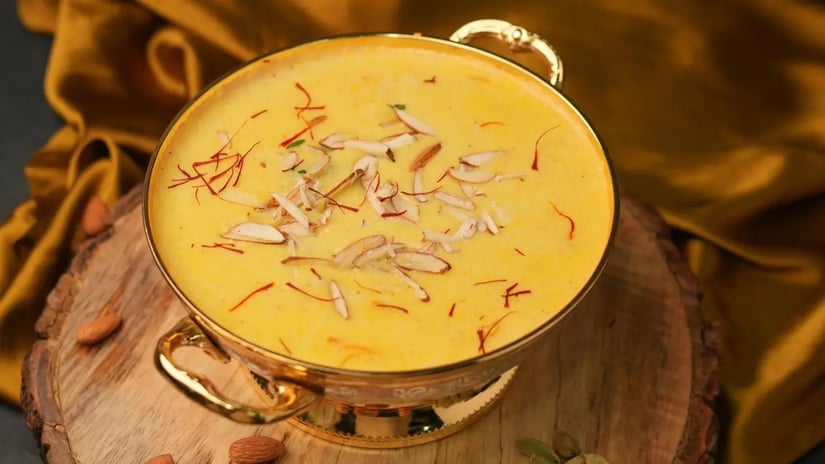


Monsoon kheer recipes from across India made with local ingredients and methods are present throughout the monsoon season, with their comforting flavor.
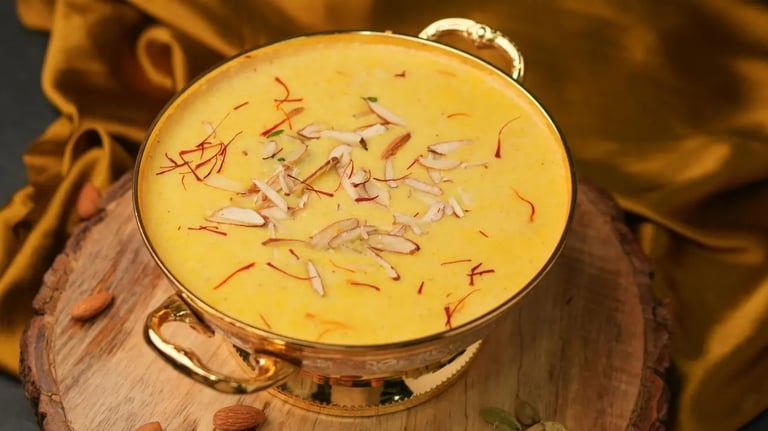
Kheer is one of India's most popular desserts because it can easily be made from locally available ingredients and varies according to regional cooking techniques and traditions. Although kheer mainly uses milk and some form of grain or starch, each state has its own unique flavor, texture, and type of sweetener. This is evident in the different styles of kheer found in the South (payasam), Bengal (payesh), and Northern India (phirni), as well as each region having a different kheer style identification.
The following list contains five monsoon kheer recipes from across India that will provide comfort during the rainy months across different regions of India.
Traditional Monsoon Kheer Recipes From Across India That Define Comfort During The Rainy Season
Bengali Nolen Gurer Payesh
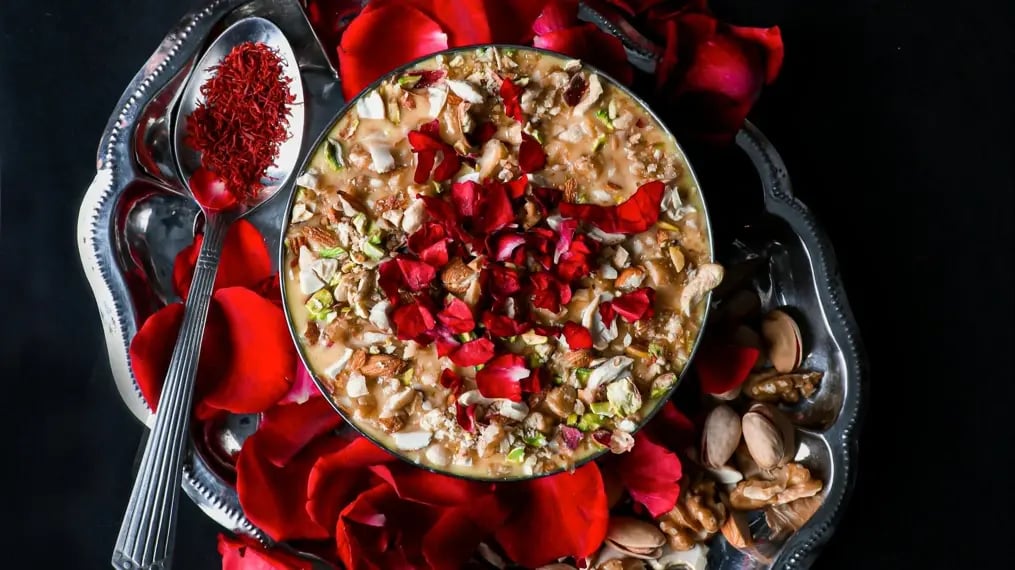
In West Bengal, the payesh is a common dish for feasts, birthdays, and other festivals. It is also often prepared with Gobindobhog rice, which has a unique aroma, and sweetened with jaggery made from the sap of date palms. The jaggery gives the payesh a caramel-like flavor and deep brown color.
The rice is cooked very slowly in whole milk until it is completely soft. A small amount of cardamom will be added to enhance the flavor of the jaggery. Most households do not add dried fruits because they are more focused on providing a rich dessert through the reduced milk than through the garnish.
Kerala Ada Pradhaman
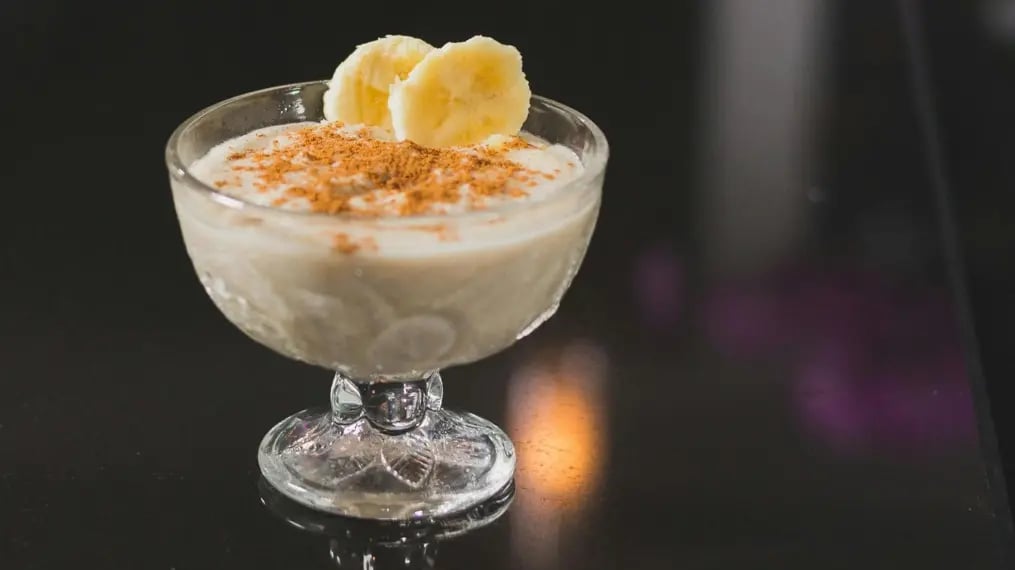
The Kerala ada pradhaman is very different from the kheer of the North with respect to the amount of milk used. It has an abundance of jaggery, rice ada, and coconut milk instead of dairy milk. The ada pradhaman is commonly served during Onam celebrations.
The ada pradhaman has a rich and syrupy consistency due to the use of the roasted pieces of coconut and cashew that give it a crunch. Dried ginger powder and cardamom are sometimes added to provide warmth and balance. Traditional versions use multiple extracts of coconut milk to build flavor gradually.
Kashmiri Phirni
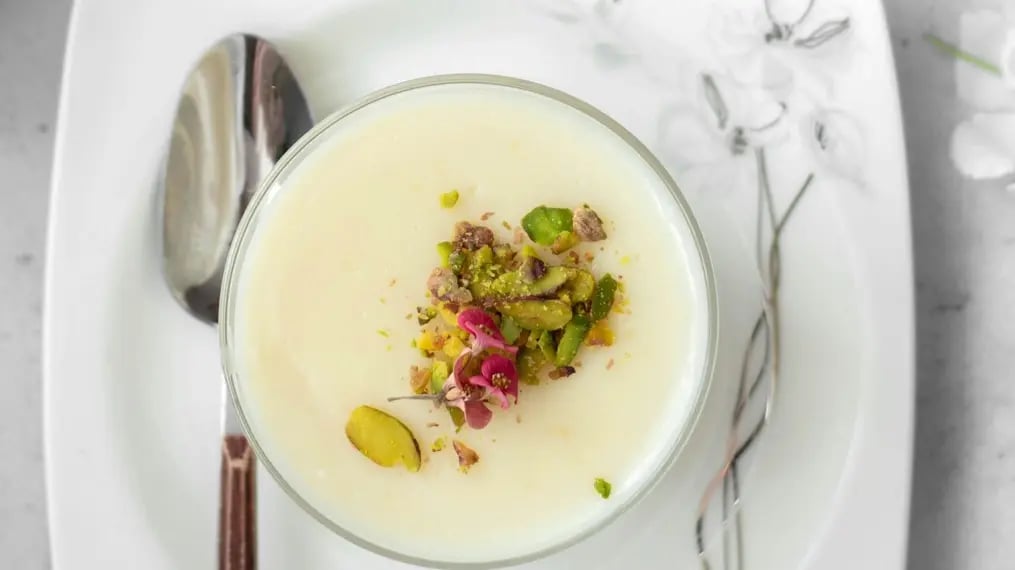
The dish uses a paste created from ground rice as opposed to whole, unprocessed rice. When combined with milk, this rice paste causes the milk to thicken up like pudding once cooled (further aided by the fact that when served in clay bowls, they help absorb any excess moisture, thus allowing the phirni to slightly firm up).
Kashmiri phirni is often made using saffron and nuts such as pistachios or almonds. The smoothness of phirni gives it a lighter feel than chawal ki kheer. Due to this lightness, it is commonly served during festivals and family celebrations.
Tamil Nadu Semiya Payasam
Semiya payasam is commonly referred to across regions as seviyan kheer. Among the varieties of traditional kheer recipes, it is one of the quickest to prepare. Vermicelli is roasted and cooked in milk with sugar, cardamom, and ghee to yield a creamy result.
In Tamil Nadu homes, semiya payasam is often used for festival celebrations since it cooks in less time than kheer made from rice but produces a similarly creamy texture. Due to the use of vermicelli, it is also lighter and thus makes a better dessert choice following heavier meals served during festive occasions. The majority of recipes for semiya payasam include fried raisins and ghee applied to cashews to create added texture at the end of cooking.
Manipuri Chak-Hao Kheer
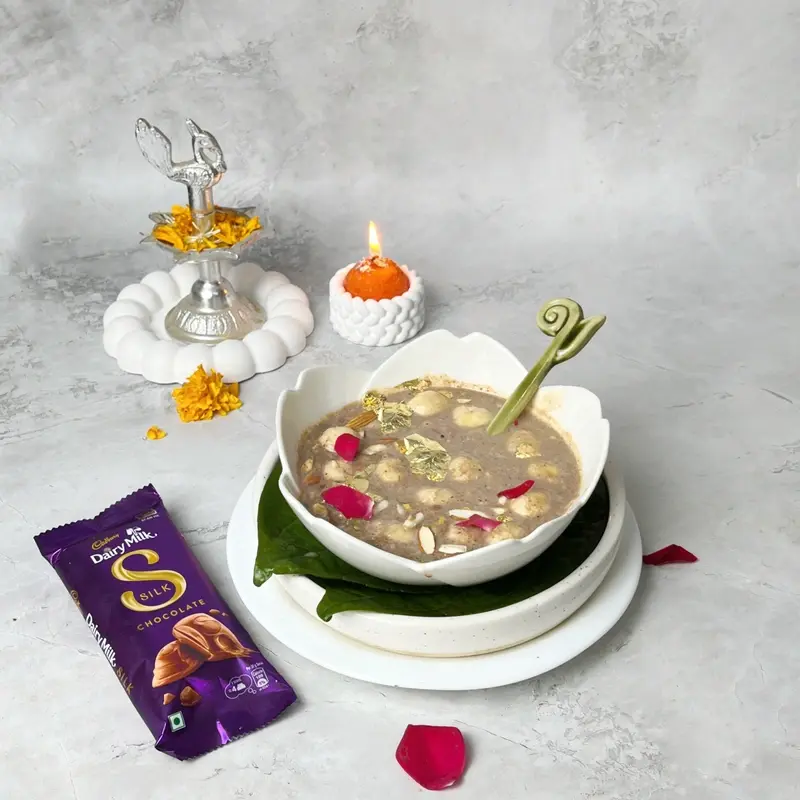
Chak-hao means black rice, and it’s becoming increasingly popular for its unique taste and appearance because of the use of chak-hao to make kheer in Manipur. It is a rich purple color when cooked due to the natural hue of the rice, and it is also nutty-smelling when cooked.
When preparing kheer from chak-hao rice, you will typically use milk, jaggery, or sugar, and sometimes add a bay leaf or cardamom. The texture of kheer made with black rice (chak-hao) will typically be a bit more hearty because black rice holds its shape better than other types of rice.
Conclusion
Monsoon kheer recipes from across India today reflect the unique agricultural products, climate, and festive practices of the area and do not fall into a single type of dessert. For example, Bengal’s jaggery-based payesh, Kerala’s coconut-based pradhaman, and Manipur’s chak-hao rice all have different textures and flavors. Because these dishes are versatile, economical, and have a strong connection with how people cook at home, they will remain relevant as time goes on.
Frequently Asked Questions
What is the difference between kheer and payasam? 
Kheer is used mainly in North India, while payasam has a broader usage in South India, with variations in ingredients and textures across regions.
Which rice is traditionally used for kheer?
There are various types of rice used for kheer from different areas, like basmati, Gobindobhog, red rice, and black rice, as long as they are appropriate for the dish being prepared.
Can traditional kheer recipes be made without sugar?
Yes. In several different regional cuisines, alternative sweeteners may be used in place of sugar, including jaggery, palm jaggery, and coconut-based sweeteners.
Like This Article?
More Like This




Popular Articles


Trending Web Stories


Curated Recipes