








Discover traditional Panamanian dessert recipes featuring rich coconut flavors, creamy custards, cakes, and homemade sweets. Learn ingredient tips, texture secrets, variations, and storage methods for perfect results every time
With a strong emphasis on fresh coconut, tropical fruits, sugarcane, and rich dairy, traditional Panamanian desserts skillfully combine Indigenous, Spanish, and Afro-Caribbean elements. The food scene provides everything from rich, soaked cakes and creamy custards to cool, iced sweets.
1. Helado de pipa
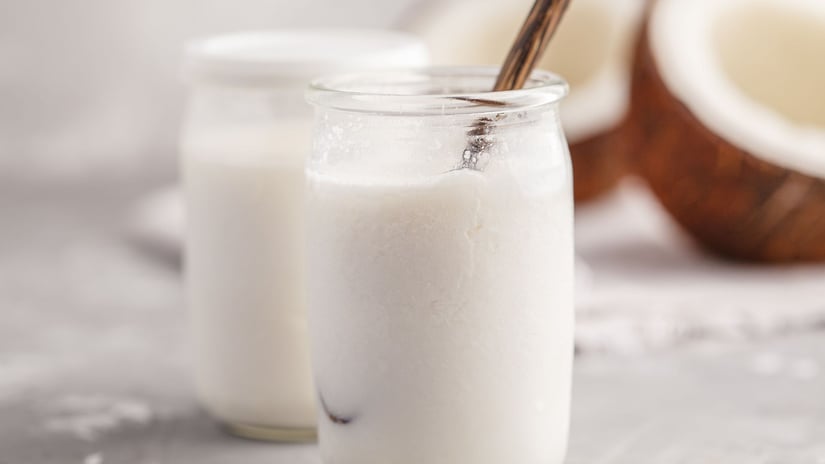
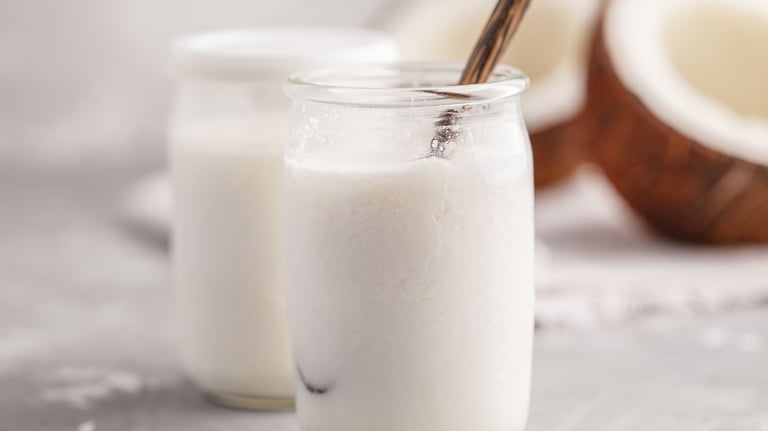
Starting with a coconut-based dessert, Panama makes delicious ice cream with not just the coconut pulp but the coconut water, called “agua de pipa” in Spanish. A coconut is cracked open, the flesh and water extracted and mixed with milk and sugar, and processed into a delicious, refreshing ice cream.
2. Bocado de la reina
Bocado de la reina is a bread pudding, with a cake-like quality, prepared with leftover bread, condensed milk, eggs, and bananas. Typically, the cake is flavored with cinnamon, and raisins may be incorporated for additional taste. This dish is particularly popular in Panama and Guatemala and literally translates to "the bite of a queen" or "queen's bite".
3. Flan
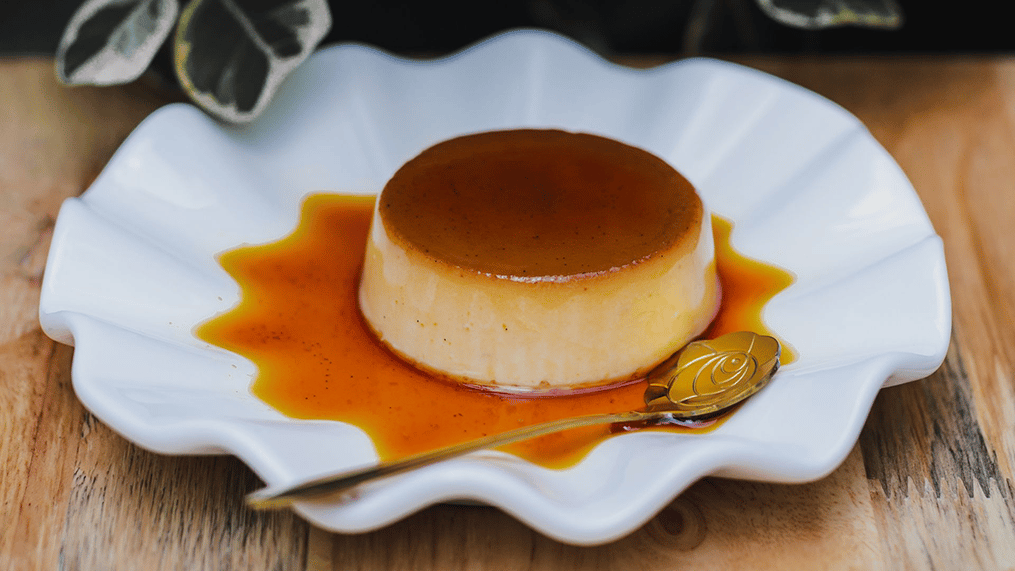
Staying true to its Spanish and Latin American roots, Flan is a local caramel custard that is the peak comfort food when it comes to desserts. Sugar, eggs and milk combine to form the delicious wobbly custard base that is drenched in a bath of caramel sauce, what’s not to love.
4. Huevitos de leche
A Panamanian specialty Huevitos de leche are small milky eggs that are popular for picnics, children's parties, and as an accompaniment to afternoon tea. This sweet treat originates from the Chiriquí province and is made with milk, sugar, and either cornstarch or flour and typically flavored with a cinnamon stick added while the ingredients boil. When the mixture becomes golden brown, it is left to cool and then formed into small egg shapes and these eggs are traditionally dusted with icing sugar and wrapped in colored paper.
5. Sopa borracha
Sopa borracha is another Panamanian dessert, that translates to drunken soup, that is especially popular at weddings and birthdays. It consists of fluffy sponge cake recipe cut into pieces and drenched in a sweet syrup made with sugar, cinnamon, lemon, dark rum, and sherry, with prunes and raisins used as a topping.
6. Arroz con Leche
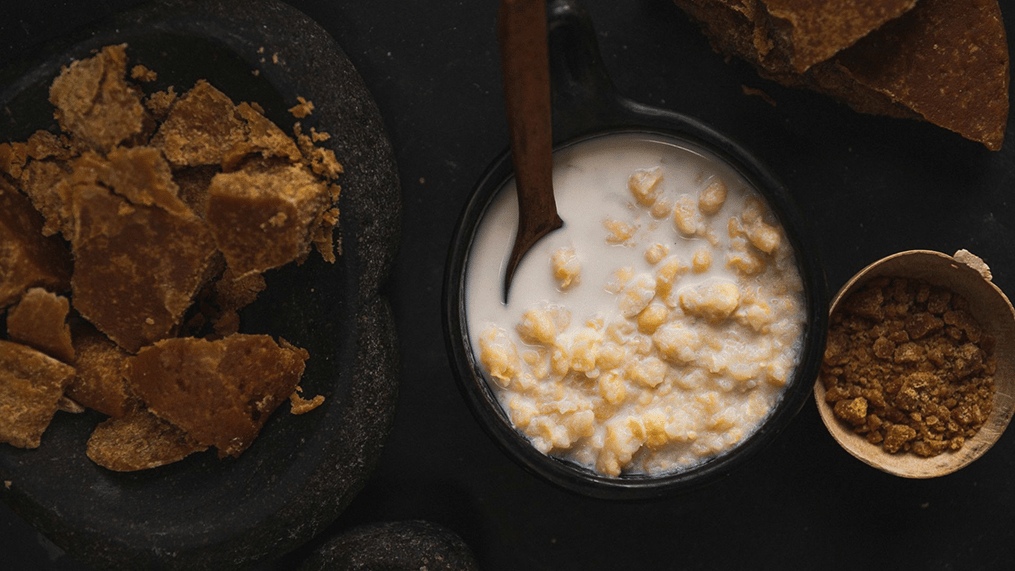
A rich and sumptuous rice pudding that isn’t unique to the country, but irrespective of that it’s quite a popular dessert. This rice pudding is made with regular milk, evaporated and condensed milk which are boiled with the rice then sugar, vanilla, raisins, and a cinnamon stick are added to flavour the pudding. It’s akin to payasam or kheer in our country and is a common fixture at birthdays, weddings and other major celebrations.
7. Pesada de Nance
A cherished Panamanian dessert, often made by grandmothers, this cornflour based dessert is pure nostalgia for the locals. The key ingredient is nance, a sour fruit related to the cherry which are cooked with evaporated milk and cornflour to create the creamy base, which is then topped with local white cheese which is then served either hot or cold.
8. Chicheme
Another corn based, not dessert but a drink, this Panamanian drink also doubles as a dessert made from corn, milk, and spices. Though the combination of corn and milk may sound unusual, the result is a filling and pleasant beverage. The preparation involves cooking broken corn kernels with evaporated milk, sugar, and spices like nutmeg, cinnamon, or vanilla. Chicheme is said to originate from the town of La Chorrera, that is about an hour from Panama City.
9. Cocada
Cocadas, as the name implies, are made with coconut that the country grows plenty of. While the basic recipe is found throughout Latin America, there can be regional variations. Cicada is made with shredded coconut, condensed milk, and cane sugar, which are then baked in the oven. These are enjoyed as a dessert with coffee or as a snack and are particularly popular around the Easter season.
10. No Me Olvides
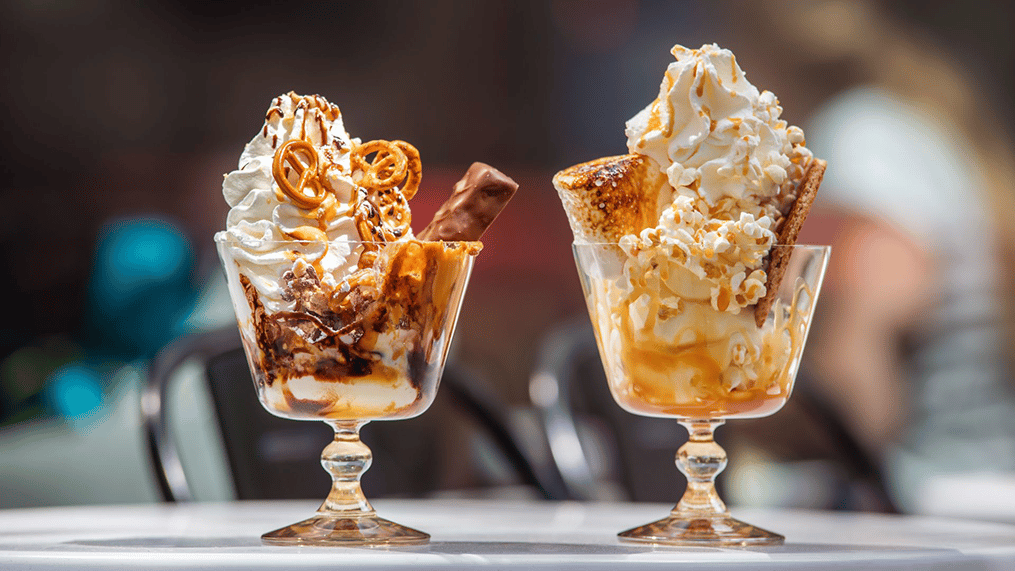
An ice cream trifle of sorts, this “don’t forget me” (literal translation) dessert is a glorified sundae with the ice cream and sponge cake as the base and topping such as nuts, marshmallows, and chopped seasonal fruits. This is then drizzled with sweet syrups such as caramel and served staright to waiting customers.
Ingredients That Affect Creaminess & Texture
Any dessert's texture is largely determined by how its main ingredients are balanced. Whether you're cooking a custard, baking a cake, pudding, or coconut-based dessert. The proportions of ingredients are of utmost importance because the baking texture depends on the ingredients. And knowing the functions of ingredients can help you get the perfect consistency of your melt-in-the-mouth dessert. For doing so you must focus on how core ingredients impact the consistency of the dessert. Following are some of the basic ingredients used in cooking Panamanian dessert recipes.
- Flour is the structure that keeps elements of the dessert together. Desserts made with more flour tend to be thicker and harder. Hence you must measure the quantity of the flour while baking. Because too much flour can make baked goods dry or heavy, accurate measuring is crucial. On the other hand desserts made with less flour tend to be lighter and softer.
- In addition to making desserts sweeter, sugar keeps the dessert moist and soft. Additionally, it can aid in caramelization and browning. It improves the flavor and appearance of the same.
- Desserts benefit from the richness, creaminess, and softness that butter and oil provide. While oil frequently results in a more moist texture that lasts longer, butter adds to the rich taste.
- Eggs are one of the most important ingredients since they help link materials together, giving them structure. They also assist in generating volume and lightness in baked desserts while providing a smooth, creamy texture in custards and puddings.
- Dairy products like milk, cream and butter have been heavily used in baking. Milk or coconut milk is regularly used in many Panamanian delicacies. Coconut milk especially gives a richer, silkier texture and tropical flavor to the dessert. While milk adds moisture and softness. Overall creaminess is greatly influenced by the fat level of dairy or coconut milk. It is suggested to use fresh coconut milk for best results.
Base Preparation Tips
To achieve a consistent texture and flavor, a smooth, solid dessert base must be created. To do so, kindly follow the below mentioned base preparation tips:
Melting Chocolate Properly
Use extremely low heat to gradually melt chocolate. It may scorch or seize when exposed to direct heat, giving it a gritty appearance. Stir often until glossy and smooth.
Mixing Dairy Without Curdling
Whenever feasible, use dairy products that are at room temperature. Steer clear of boiling when heating milk or cream, and add additional ingredients gradually. Proteins may split and appear curdled when exposed to excessive heat.
Achieving a Smooth Base
To guarantee even blending, vigorously whisk the ingredients. Before heating or baking, strain the mixture through a fine-mesh sieve to remove any lumps for extra-smooth custards, puddings, or batters.
Popular Variations
While retaining their traditional appeal, many Panamanian desserts can be enhanced with different flavors and textures.
Nut-Based Variations
Nuts are popular additions that provide crunch, richness, and taste. Nuts like peanuts, almonds, and shredded coconut help give texture and flavour to the dessert. It is highly recommended to roast the nuts before adding them for the depth and aroma.
Chocolate or Mocha Versions
Richer flavor profiles can be achieved by adding melted dark chocolate, cocoa powder, or a tiny bit of coffee. Coffee enhances the chocolate flavors without dominating the dessert. The bitterness of coffee balances the overpowering sweetness of the dessert.
Layered or Swirled Desserts
A visually appealing contrast is produced by layering several batters, custards, or flavored ingredients. Flavor and aesthetic appeal can be enhanced by incorporating chocolate, caramel, coconut, or fruit mixes into the dessert's foundation.
Serving & Storage Basics
- Unless the recipe specifies chilling, serve baked desserts at room temperature or slightly warm. Slightly warm desserts are widely popular because the warm nature of desserts brings out the flavours of the same.
- Dairy-rich sweets, puddings, and custards are frequently best served cold after being refrigerated for a few hours. Try to serve them chilled but not too freezing.
- Desserts made with milk, cream, eggs, or coconut milk should always be refrigerated.
- Desserts that spoil quickly should not be kept at room temperature for long. Especially if one lives in a warm and humid country like India.
- Use low heat when reheating to avoid separating or drying out of the dessert.
- To preserve their original texture, frozen sweets should be gradually thawed in the refrigerator.
Like This Article?
More Like This

Popular Articles


Trending Web Stories


Curated Recipes


