




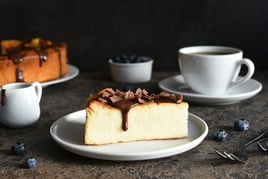






Confused between sugar-free and glucose-free? Here’s something that can help you. Also, you may try these glucose-free desserts at home.
As the festive season arrives every year, it brings with it the ‘mu meetha karna’tradition. This simply means greeting people with sweets and desserts. Be it Durga Puja, Navratri, Dussehra, Diwali, Kali Puja, or Bhai Dooj, sweets are at the heart of the Indian festive season. While people love gorging on platefuls of sweets and desserts, what about the downsides of excess sugar intake? While the desserts taste delicious, they come with the baggage of excess sugar intake as well. While sugar-free sweets are a known concept, it is equally important to know what glucose-free desserts are. From blood sugar control and weight management to dental protection, glucose-free options help in many ways.
Glucose-Free Vs Sugar-Free: Know The Difference
While they sound similar, there is a distinct difference between sugar-free and glucose-free options. According to the US Food and Drug Administration (FDA), a food can be labeled as ‘sugar-free’ if it contains less than 0.5 grams of sugars (both natural and added) per reference amount customarily consumed and per labeled serving. A glucose-free product, on the other hand, specifically lacks glucose molecules, the type that directly causes a spike in blood sugar. It may still contain other types of sugar like fructose, lactose, galactose, or sucrose. To make sure these desserts still contain some sweetness, you may opt for alternative sweeteners with zero glucose, like aspartame, sucralose, stevia, or monk fruit.
7 Glucose-Free Desserts To Try At Home
Cottage Cheese Chocolate Fudge
This high-protein, no-glucose, fudgy treat is made by blending smooth cottage cheese, unsweetened cocoa powder, some stevia, and unsweetened almond milk. Chill the mixture well in a baking pan. Even without refined sugar, butter, or any glucose-spiking additives, the result is always a smooth, creamy fudge.
Tofu Chocolate Pudding
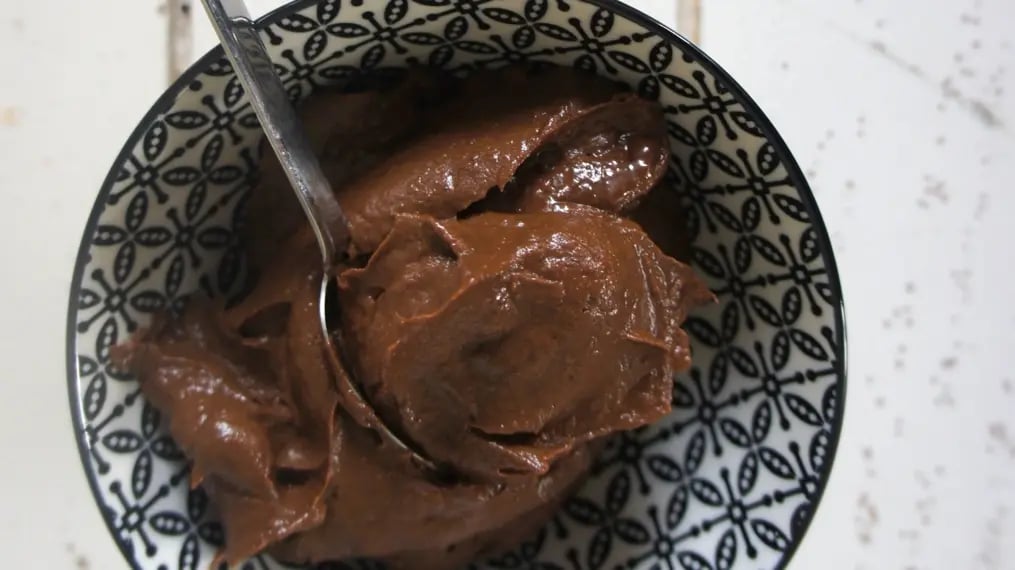
Tofu is a perfect base for this dessert, as it easily absorbs flavorings while maintaining almost zero-glucose levels. To make this quick glucose-free chocolate tofu pudding, blend some silken tofu, unsweetened cocoa powder, powdered monk fruit sweetener, and some vanilla extract until completely smooth. Once ready, chill it in the refrigerator for at least 2 to 4 hours.
No-Bake Peanut Butter Bites
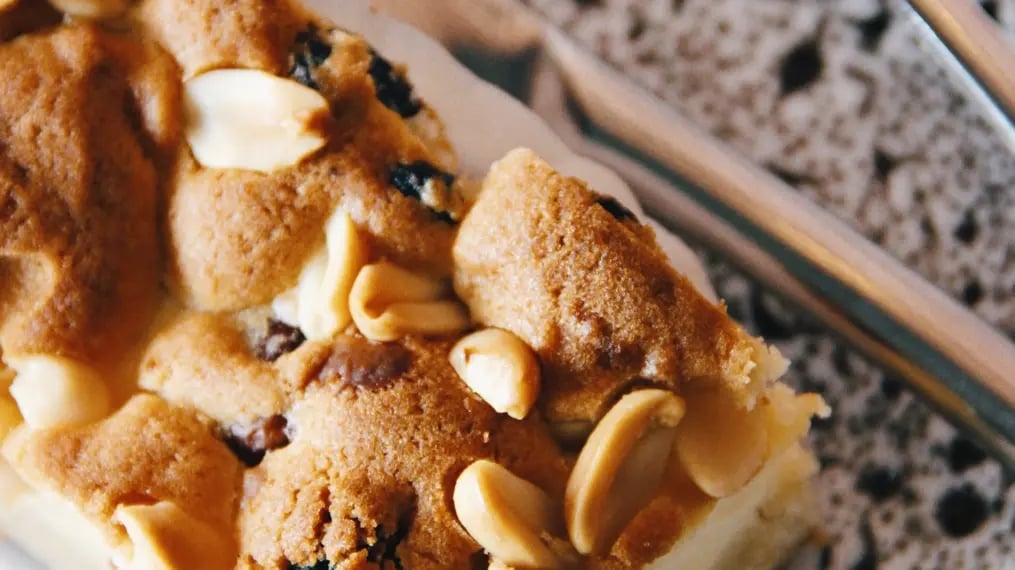
For this low-calorie, no-glucose, nutty, crunchy treat, simply mix some natural peanut butter, a scoop of clean plant-based or whey protein powder, a splash of unsweetened almond milk, and a zero-calorie sweetener like stevia or monk fruit. Once mixed well, roll the mixture into bite-sized balls and refrigerate well.
High-Protein Mini Cheesecakes
These no-glucose, almond-flour-crust cheesecakes are made by simply whipping plain yogurt, cream cheese, vanilla protein powder, zero-glucose sweetener like monk fruit, and egg or gelatin. Press the almond-flour crust firmly into a muffin tin and place the yogurt mixture on top. You may either bake or chill them briefly.
Blended Cottage Cheese Ice Cream
To make blended zero-glucose cottage cheese ice cream, combine full-fat cottage cheese, monk fruit or allulose, a splash of vanilla extract, and optional mix-ins like unsweetened cocoa powder or peanut butter. Blend the mixture until completely silky and smooth. Chill it for 3-4 hours.
Chia Seed Pudding
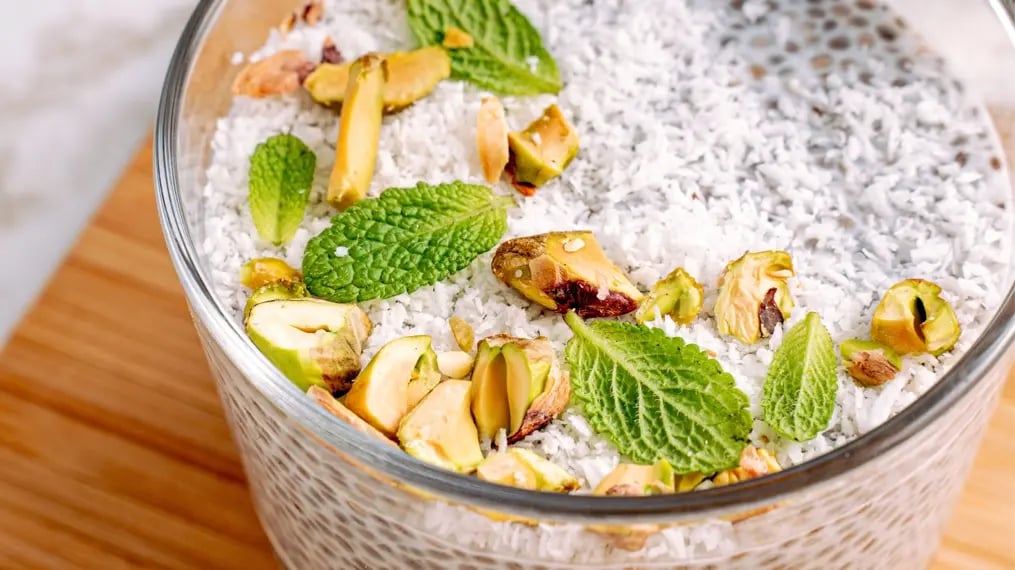
For a smooth, blended chia seed pudding with no added glucose or sugar, simply mix chia seeds, unsweetened almond or coconut milk, a pinch of cinnamon, and a few drops of vanilla extract in a high-powered blender. Once the mixture turns creamy, let it rest in the refrigerator for 15 to 30 minutes until it thickens into a mousse-like texture.
Flourless Mug Cake
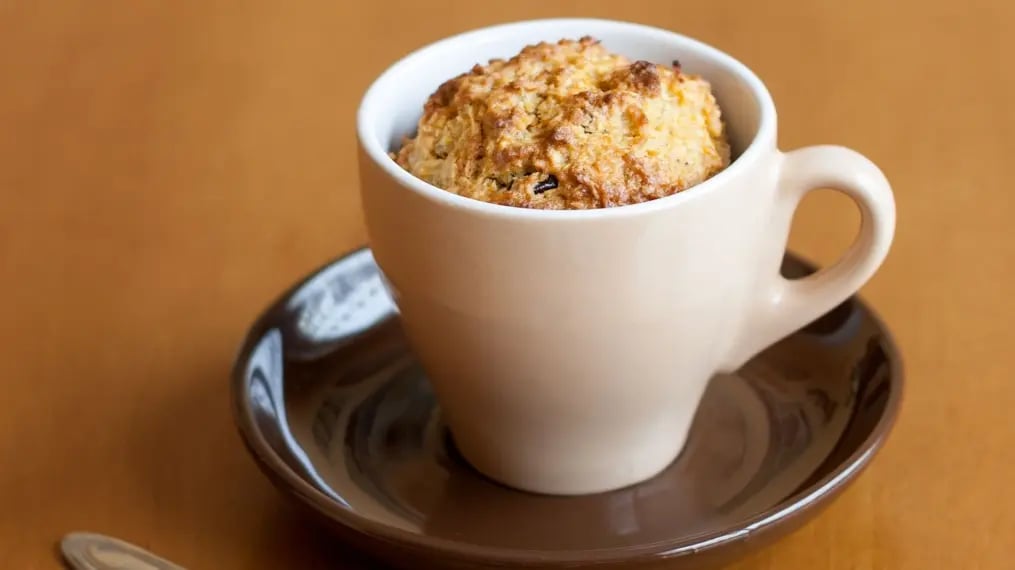
To make a quick, single-serving, glucose-free, high-protein mug cake, whisk together egg yolk, plain yogurt, protein powder, vanilla extract, liquid stevia, and a pinch of sea salt in a greased mug. Once the batter is mixed well, microwave it for 45 to 60 seconds. Once done, let it rest for 2 to 3 minutes so the center stays rich and fudgy
Conclusion:
A glucose spike should never come between you and your love for desserts. If you are worried about a glucose spike in your blood but still want to enjoy desserts, try these glucose-free recipes at home.
Frequently Asked Questions
What sweeteners are used instead of sugar? 
To avoid a glucose spike in your blood levels, the safest options include alternative sweeteners like stevia, monk fruit, aspartame, sucralose, and erythritol. Avoid natural-sounding alternatives like dates or jaggery, as they also cause glucose spikes.
Are dates and jaggery good substitutes for sugar?
No. Dates and jaggery also contain 60–70% sugar; they can cause significant blood glucose spikes despite being natural ingredients.
Are sugar-free desserts completely carb-free?
No. Even if you don’t add any added sugar, desserts can still contain carbohydrates and calories from other ingredients like flour, nuts, dairy, or fruit.
Like This Article?
More Like This


Popular Articles


Trending Web Stories


Curated Recipes