






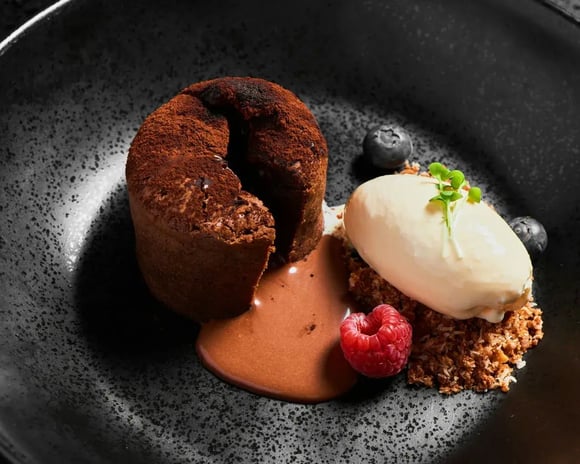


If chocolate lava cake without an oven sounds like something you’d love to make using a microwave, then read these common errors to avoid them
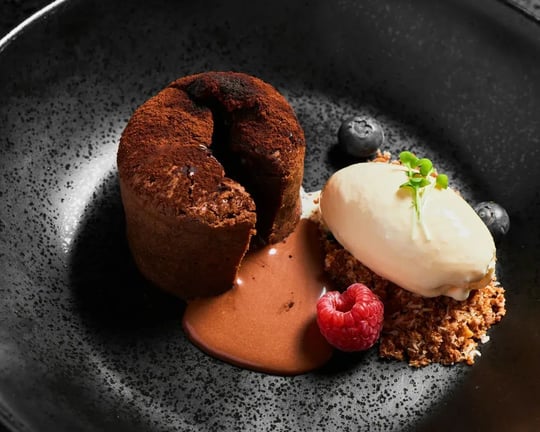
When you’re making a lava cake and you want to make it quick but without an oven, you expect the same thing as the oven version – a soft but firm cake crumb with a liquid middle. But the issue arises when you cut into the lava cake, and nothing flows, or worse, it feels fully cooked all the way through; something went off. And if you’re skipping the oven and using a microwave, stovetop, or air fryer, those small mistakes hit harder. Here’s what’s likely going wrong, and how to fix it next time around.
Why Your Lava Cake Isn’t Gooey Enough
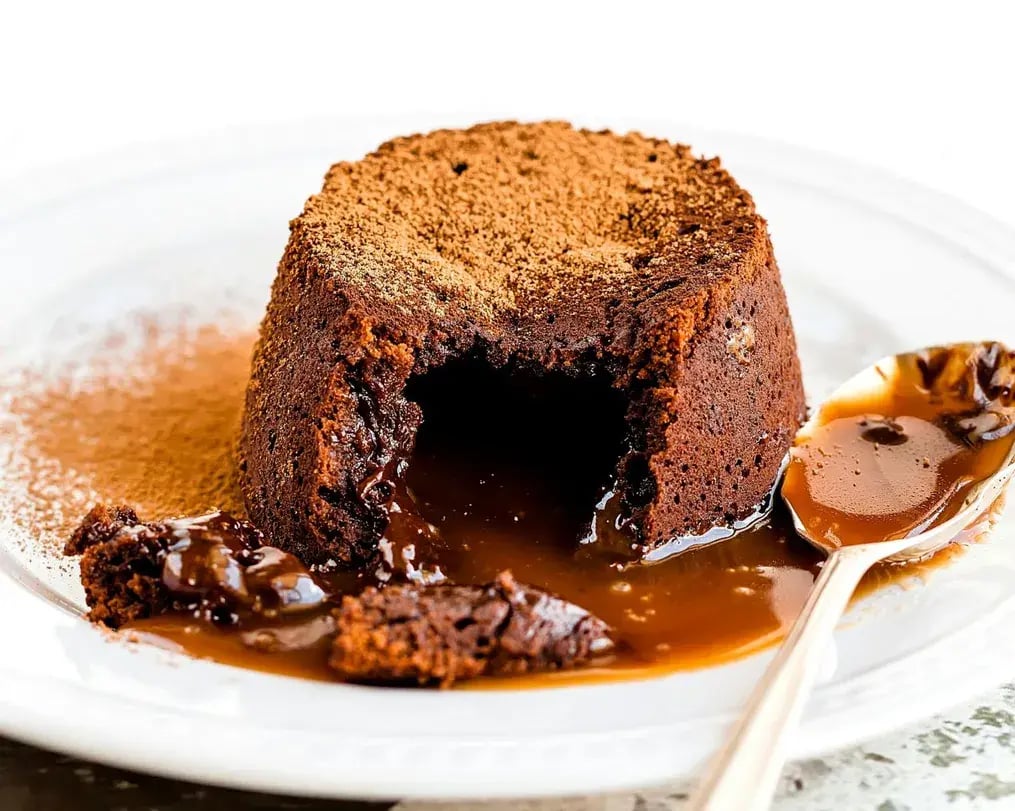
There are several reasons why a lava cake loses its molten center: it was baked too long; it had a very runny batter; the container used was too big or shallow. Also, baking the cake not in an oven, but in an air fryer, microwave, or on the stove requires more attention since the heating of the mixture in different equipment is quite different. Cold batter and long waiting after baking may harden the molten core of the cake. The key ingredients for a tasty gooey lava cake are good-quality chocolate and butter, a deep and small ramekin, and short cooking time with a check of the core. Immediate serving also plays an important role in creating a molten lava core.
Common Mistakes and Fixes for a Gooey Lava Cake
1. You Cooked It Too Long
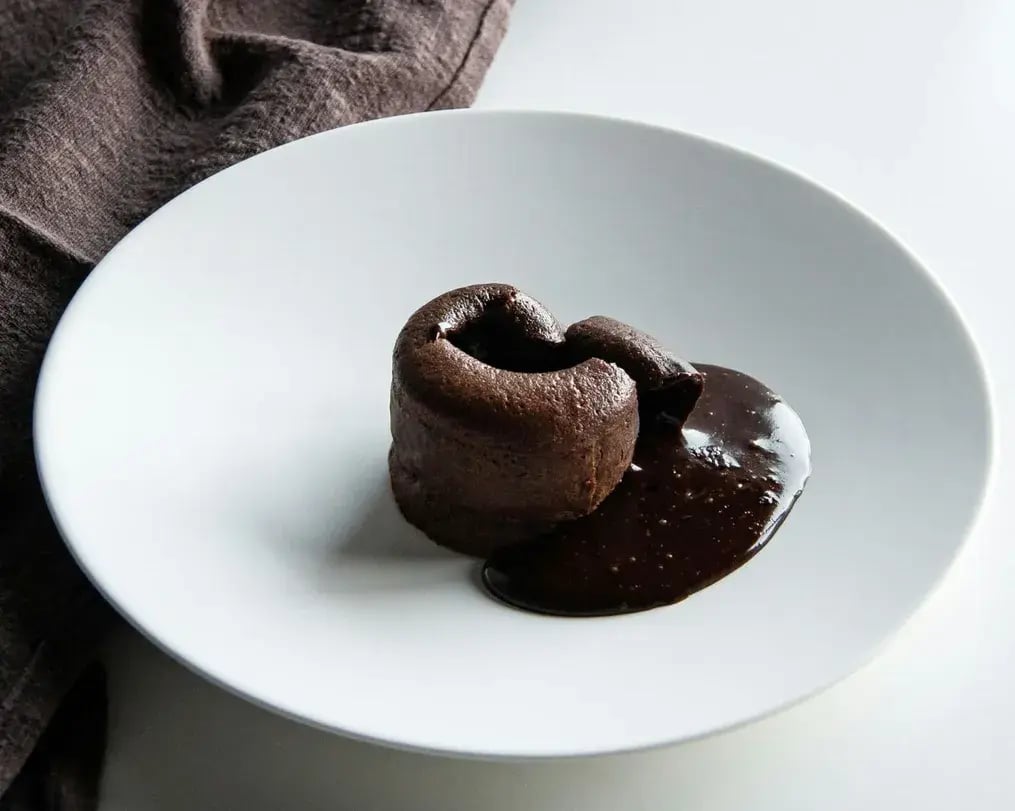
Microwaves and other non-oven methods don’t heat evenly. They blast heat fast, especially in the center. Even five to ten seconds too many can cook the middle solid. If your lava cake looked fine on the outside but came out dry inside, it probably stayed in too long. Once the batter sets in the middle, you lose the lava effect. Tip: Start with less time than you think; try 40 to 50 seconds in a microwave. If the sides look firm but the center still dips slightly when touched, stop there. Let it sit for 30 seconds; the carryover heat will do the rest.
2. Your Batter Was Too Runny
If your batter doesn’t have enough weight, meaning not enough chocolate, eggs, or fat, it won’t firm up around the outside, and it’ll cook all the way through. You’ll end up with a single texture from edge to middle, and no molten center. This usually happens when recipes rely too much on milk or cocoa powder and skip real chocolate or butter. Tip: Use actual chocolate in the batter, not just cocoa powder. Butter helps too – it gives the cake structure and keeps the inside soft without cooking it solid. If your batter looks thin or watery before cooking, it’s probably not going to work.
3. You Waited Too Long to Serve It
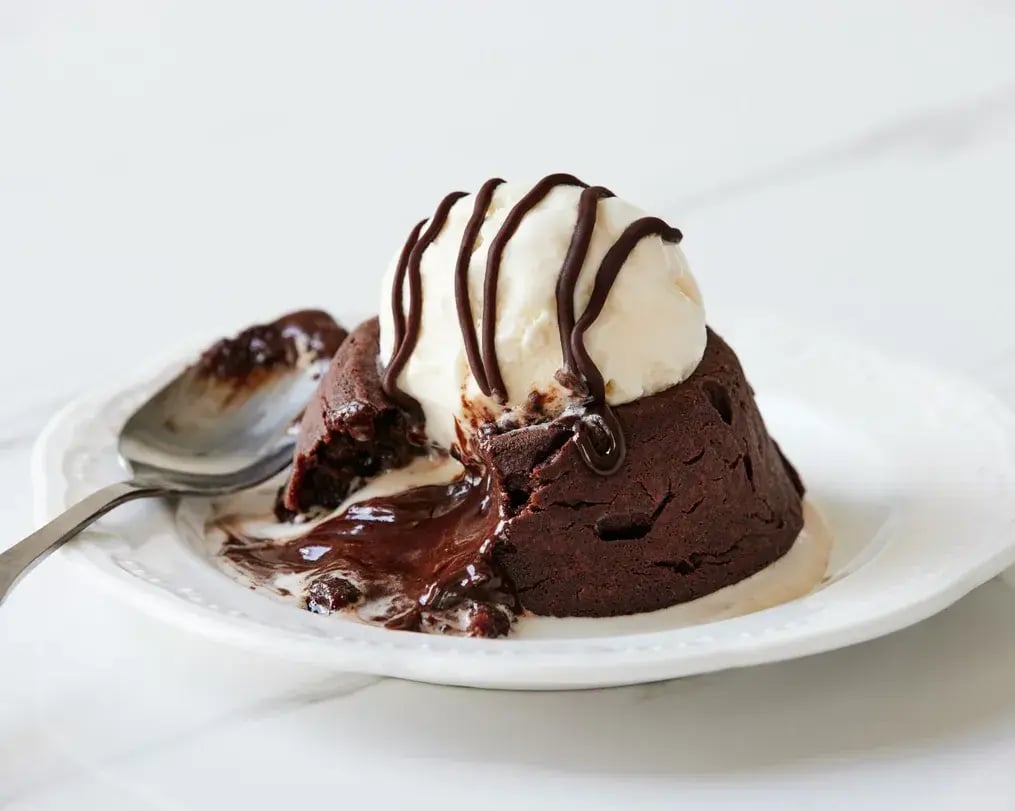
Even if the cake was perfectly undercooked in the middle when you made it, that doesn’t last forever. The longer it sits out, the more the heat spreads and firms up the middle. This mistake is easy to miss – people often prep the cake, let it cool, and then wonder why the center's gone firm. Tip: Serve the cake immediately. As soon as it comes out of the microwave or pan, get it on a plate and cut into it while it’s still warm. That’s the window where you’ll see the center flow.
4. You Used the Wrong Dish
Wide mugs, large bowls, or shallow ramekins can throw off how the cake cooks. A dish that spreads the batter out too thin will cook evenly across the whole surface. That means no soft center, because everything heats at the same speed. Tip: Use a small, deep dish. A narrow mug or ramekin helps the edges firm up faster while the middle stays soft. The shape matters – taller containers give you more of a hot shell and soft core effect.
5. You Started with Cold Batter
If you made the batter earlier, stored it in the fridge, and then cooked it cold, it likely needed more time in the microwave or pan. That extra time may have cooked it all the way through before the center could melt properly. The cold batter doesn’t heat evenly, especially in a microwave, and the delay can throw off the timing. Tip: Let the chilled batter sit out for 20-30 minutes to come closer to room temperature. Or if you must microwave it cold, shave 5-10 seconds off the cook time and let it rest after. That pause gives the heat a chance to spread without pushing the whole cake over the edge.
Bonus Fix: Add Chocolate to the Middle
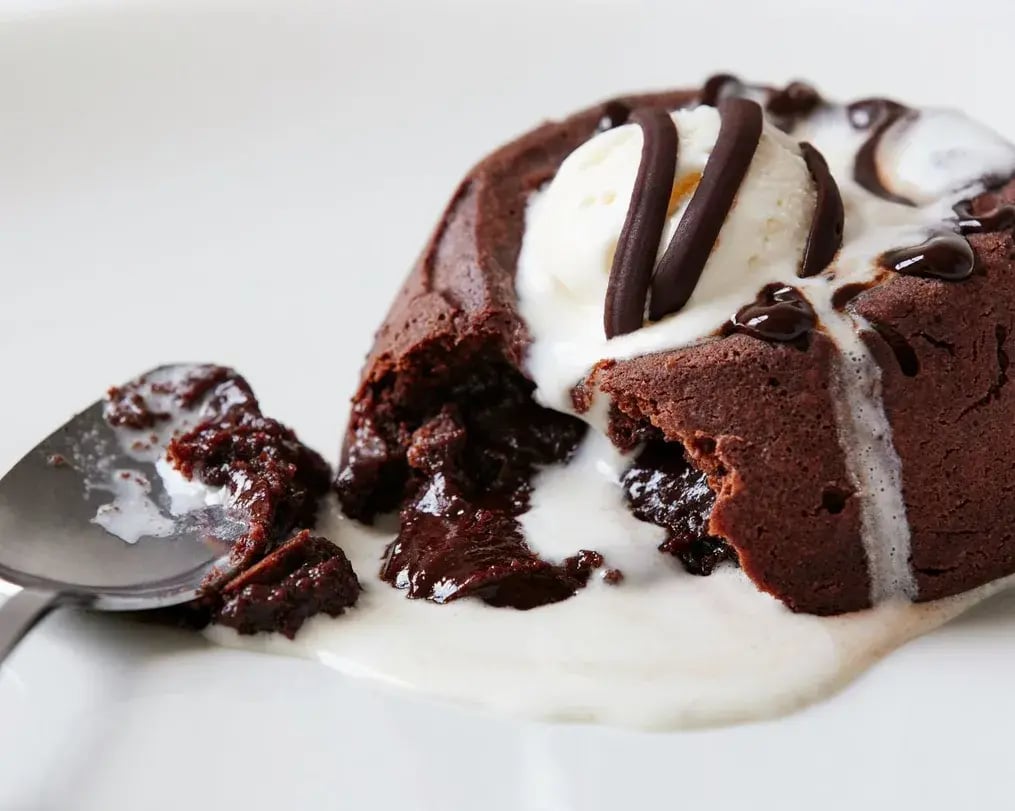
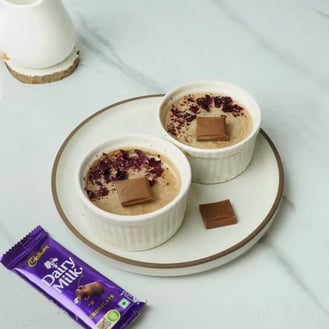
If your lava center never comes out right, plant a square of chocolate directly in the center of the batter before cooking. It melts inside the cake and mimics the molten core, even if the rest of the batter cooks more than expected. This method isn’t traditional, but it works. Especially in microwaves or air fryers, where cooking is harder to control, adding chocolate inside gives you a backup plan that still delivers the effect you're aiming for.
Frequently Asked Questions
Why did my lava cake turn out dry instead of gooey? 
The reason is overcooking. Even a couple of extra seconds of cooking in the microwave or air fryer will make the molten center set. Next time, reduce cooking time a little.
Can I make lava cake batter ahead of time?
Yes, you can make the batter beforehand and store it in the fridge. Bring it back to room temperature or adjust the cooking time when using cold batter.
What is the best chocolate to use for lava cake?
Good-quality dark or semi-sweet chocolate works particularly well. Chocolate with a higher cocoa content gives the lava cake a rich flavor and helps create a smooth molten center.
Can I make lava cake in the microwave or air fryer?
Yes, you can use a microwave for a quick single-serving lava cake, and an air fryer if you want a slightly harder crust on top.
How do I know when lava cake is done?
The edges should look firm and set, while the center should remain slightly soft and dip gently when touched. Avoid waiting until the entire surface looks completely firm.
Like This Article?
More Like This
Popular Articles


Trending Web Stories


Curated Recipes