





Nostalgia is what Moa is for Bengalis, and Joynagarer Moa is the gourmet version of that treat that remains a classic must-have come bone-rattling winters.
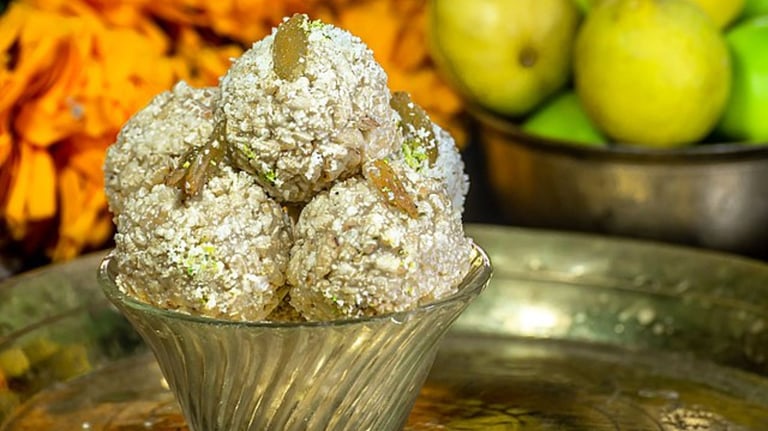
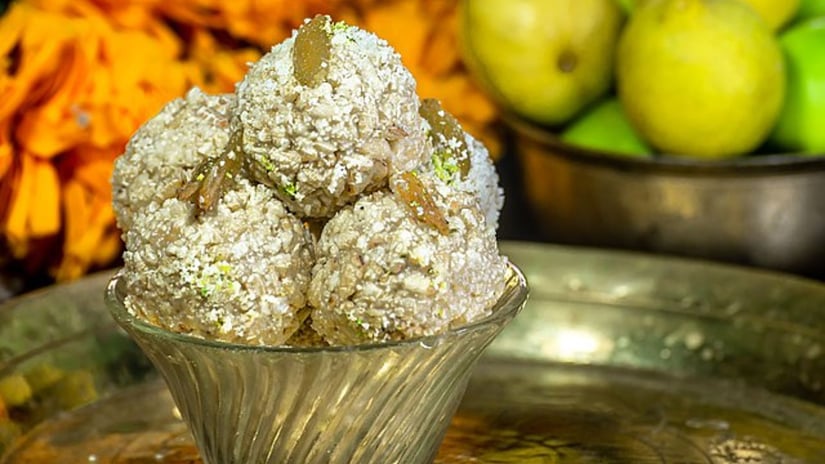
Thanks to Bengali grandmas who have been making sweets for their successors, especially their grandchildren, for several decades, Moa is a snacky ball of sweet, crunchy puffed rice. Joynagarer Mua employs a similar tactic and shapes a special kind of fragrant rice that is popped and mixed with a special sticky liquid to make round, cohesive balls that are delicious and sweet. This is only available during winter, as one of the ingredients is only available during that time.
The Origin: From Baharu To The World
The Legend Of The Farmer And The Zamindar
The origin of this sweet dates back to at least the early 1900s to a farmer in Baharu, who mixed this “khoi” made from the Kanakchur paddy grains with nolen gur to create the simpler version of the moa. Moa, as mentioned earlier, has been eaten as a snack for a long time, and this farmer was probably trying to make something interesting. This all started in a little town that was right next to the town of Jaynagar Majilpur, after which the moa earned its name.
In fact, the farmer made these moa and fed them to the local zamindar, who was so pleased with the simple snacky sweet, that he recommended that the farmer sell them at the local market. Bengalis love their sweet so it's no wonder that word of this delicious moa got around, and this was just the beginning of the moa.
It was not long before two friends got to know about the tale of the Baharu farmer and decided to use the same recipe to sell moa. These two friends were Nityagopal Sarkar (Buchki), who, with his friend Purna Chandra Ghosh (Purna), started selling the moa in the local winter market. The moa earned the name Buchki’s moa and, with time, was formally rebranded as Joynagarer moa.
The Founding Of Sri Krishna Mistanna Bhandar
This was the tale in around 1920 when they decided to set up shop near the Jaynagar Majilpur railway station. This sweetmeat shop was called Sri Krishna Mistanna Bhandar, and the shop still exists and is run by the descendants of Ghosh’s family, his granddaughter to be exact. The two friends’ pictures still hang in this old shop even today.
As for the Baharu, where the moa is being sold, a shop called Shyamsundar Sweets stands, which is one of the oldest shops in the town, and still sells the authentic Joynagarer moa. It wasn't until 1978 that Gopal Chandra Ghosh (likely Purna’s son) took the shop under his wing, and today his two sons run the ages-old shop. It is said this shop still sells at least 10,000 moas every single day. During the busy winter months, they hire local laborers to help with the massive demand.
What Makes Authentic Joynagarer Moa Special?
Kanakchur Khoi: The Aromatic Base
Kanakchur is a special kind of fragrant rice grain, for the uninitiated, something like basmati, which has a beautiful aroma, that is grown in the South 24 Parganas of West Bengal. This fragrant rice is roasted in a kadhai to pop that creates “khoi” or a kind of popped rice (the white, little rice-like things thrown by the bride at Bengali weddings and also during the journey of the dead to the crematorium) that forms the base of the sweet.
The Magic of Nolen Gur (Date Palm Jaggery)
The binder that holds the khoi together is nolen gur, or the liquid gold that is harvested from the date palm trees, very painstakingly, by date palm tappers during the onset of winter. This is why this sweet is exclusive to winter, and in the yesteryears, Pheriwalas would “hak” (a kind of catchy way to announce what they were selling for people in earshot to hear) and roam the streets selling this winter delicacy, but with time, they were lost to time and the bustle of the city.
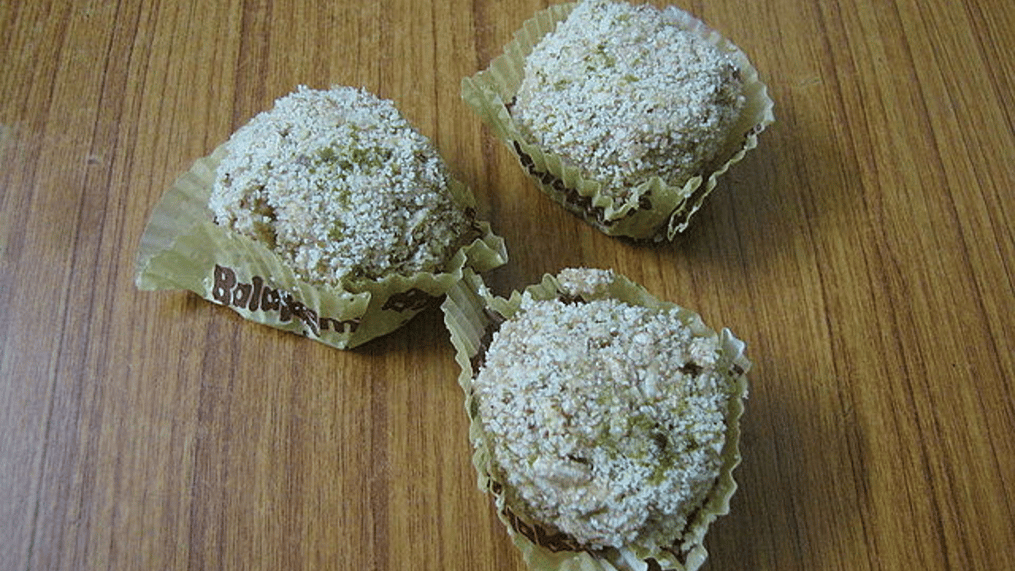
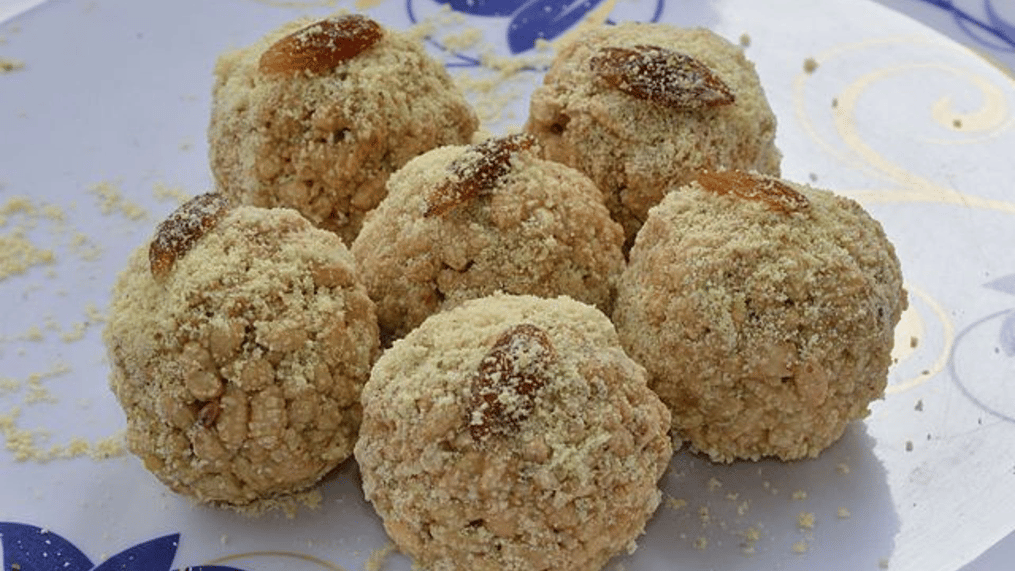
The Kanakchur Khoi, liquid jaggery (nolen gur), and ghee are combined to make the moa and to raise the flavor intensity. Cardamoms are added and the wet moas. These are coated with poppy seeds or “suji,” and often nuts like cashews and pistachios are added to the moa. A long raisin is often pressed to the surface as garnish.
GI Tag For Joynagarer Moa
The classic sweet delicacy that carries the essence of winter is nothing short of a culinary heritage of West Bengal. To protect the original identity of the nolen gur-loaded moa, it was awarded the coveted Geographical Indication (GI) tag in 2015.
Besides recognizing the Joynagar-Majilpur region of West Bengal’s South 24 Parganas as the origin of the moa, the GI tag also protects the authenticity of the sweet with a dedicated GI logo, barcodes, and QR codes that categorically identify the key ingredients.
Joynagarer Moa Recipe: How To Make It At Home
Ingredients:
- 10 cups of Kanakchur Khoi
- 2 cups of Nolen Gur (Date Palm Jaggery)
- 2 cups of grated khoya kheer
- 2 tablespoons of ghee
- 1 teaspoon cardamom powder
- ½ cup sugar
- 10-12 cashews
- 10-12 raisins
Step-by-Step Instructions
Step 1: Over medium heat, melt the jaggery (nolen gur)with water in a pan. Add sugar and boil until a thin, sticky syrup is formed.
Step 2: Next, stir in the grated khoya kheer, cardamom powder, and ghee into the jaggery syrup. Remove it from the heat.
Step 3: Slowly fold in the puffed rice (Kanakchur khoi) into the jaggery syrup and give it a good mix until well coated.
Step 4: Using your hands, take small portions of the mixture and shape them into bite-sized round balls while it is still warm. Make sure the palms are slightly greased.
Step 5: Once the moas are ready, carefully place a raisin and a cashew on top of each ball.
Step 6: Allow them to sit in the refrigerator for an hour before serving.
Places To Buy Authentic Joynagarer Moa From
First of all, Joynagar itself is the place to get your hands on the boxes of authentic moas. Sri Krishna Mishtanna Bhandar and Sahmsunder Mishtanna Bhandar are two of the most popular stores to purchase them from. However, thanks to the GI tag, original Joynagarer Moas are available in sweet shops across several districts of West Bengal. These days, they are available across online food delivery portals as well.
Storage Tips For Joynagarer Moa
Airtight container is a must: Once removed from the package, make sure they are placed in an airtight container. This prevents the moisture from hardening them or taking away their aroma.
Refrigeration extends shelf-life: At room temperature, the moas can be kept in an airtight container for 5-7 days. However, refrigeration significantly extends the shelf-life to up to 15 days.
Keep them away from moisture: It is mandatory to keep the moas away from moisture or any food with a strong odor. Both can spoil them as they are highly absorbent in nature.
Like This Article?
More Like This


Popular Articles


Trending Web Stories


Curated Recipes