





Learn about the story of Nolen Gur, its origin place, the process of making it, the sweets prepared with it, and more interesting facts about this sweet.
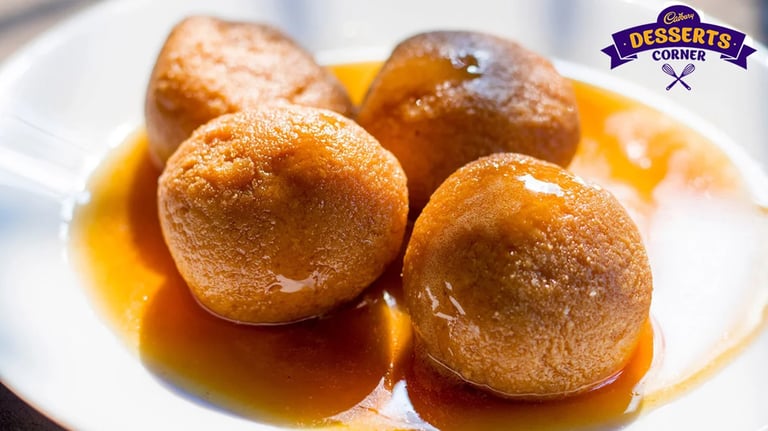
Nolen gur is synonymous with West Bengal’s winter traditions that flavor almost every sweetshop across the state, boosting the livelihoods of the date palm tappers and carrying forward the traditions that date back thousands of years. Read this guide to know more about nolen gur, the sweets prepared using it, and how it is traditionally made.
History of Nolen Gur
Winter is announced in Bengal with the aroma of nolen gur. This aroma is spread throughout village courtyards, as well as in sweet shops in cities. Two kinds of jaggery or gur are widely made and eaten across the country, one comes from the sugarcane and the other comes from the date palm trees. The palm tappers or Gachia/Shiuli are adept at climbing the tall date palm trees, cutting just the right amount into their inflorescence, and suspending a clay pot that collects the plant sap. Nolen Gur is available only during the cold months, making it one of the most eagerly awaited ingredients of the year.
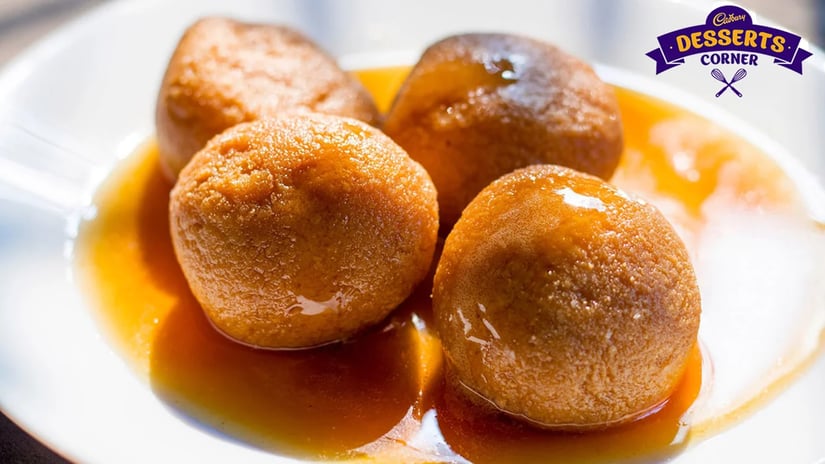
It is said that Jayanagar, a town in West Bengal has the finest date palms producing top-notch “jhola gur” or “nolen gur”. It is the same town that is known for the Jayanagar Mua, a classic ball-shaped sweet. Bengalis treasure this molten liquid gold that forms the main flavor for almost every winter sweet in the state.
What is Nolen Gur, and Why Is Tt Special
Nolen Gur, which literally means "new jaggery," is made from the sap of date palm trees rather than sugarcane. The freshly collected sap is slowly simmered over a wood fire until it thickens into a fragrant sweetener with a distinctive golden-brown colour and rich aroma.
What sets Nolen Gur apart from regular jaggery is its texture and flavour. It is softer, more delicate, and carries notes of caramel, toffee, and light smokiness. Unlike refined sugar, which mainly provides sweetness, Nolen Gur contributes character and depth to desserts.
Its seasonal nature also makes it special. Date palm sap flows best during the colder months, typically between November and February. Once winter ends, fresh Nolen Gur disappears from markets until the following season.
Why This Dessert Ingredient Feels More Indulgent Than Regular Sweeteners
The story of Nolen Gur is tied to its unique flavour. Compared to white sugar, Nolen Gur offers a far richer experience. It does more than just make the desserts sweet. Nolen Gur has flavors that develop gradually on the palate. Because of the slow caramelisation process, there are notes of caramel, molasses, and wood smoke that refined sugar simply cannot replicate. When you compare this to traditional sugarcane jaggery, Nolen Gur feels more luxurious. It has soft texture that melts easily in warm desserts. The flavor thus, does more than just adding sweetness and leaves behind its character with the desserts.
Popular Desserts Made with Nolen Gur
The story of Nolen Gur cannot be told without mentioning the desserts that have made it famous.
Nolen Gurer Sandesh
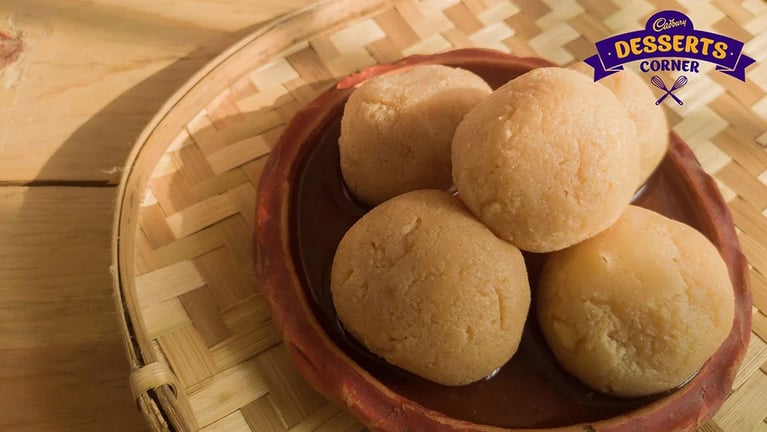
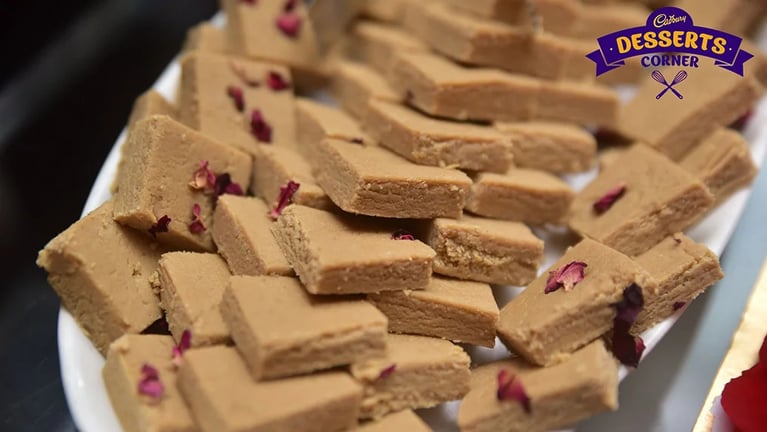
This is perhaps the most celebrated winter sweet in Bengal; Nolen Gurer Sandesh is made by mixing fresh chhena with date palm jaggery. This gives a soft, fragrant sweet taste that showcases the ingredient's caramel-like flavour.
Payesh
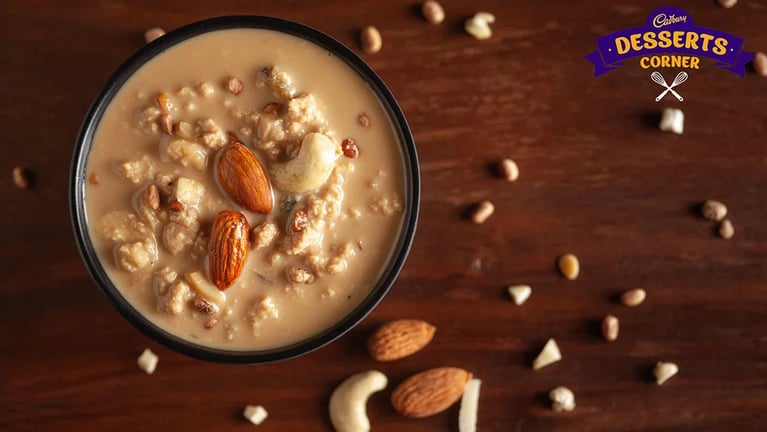
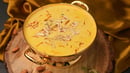
Payesh tastes amazing when it is sweetened with Nolen Gur. The jaggery blends into the milk and creates a rich pudding with subtle toffee notes and a golden hue.
Rasgulla
Winter versions of rasgulla prepared with Nolen Gur syrup are becoming increasingly popular. The jaggery makes the sweet warm and transforms familiar sweets into a seasonal delicacy.
Ingredients That Affect Texture and Flavor When Using Nolen Gur
Milk
Milk is one of its most common partners. However, very hot milk can sometimes react poorly with the jaggery. It is important that you have the temperature under control to preserve creaminess and prevent curdling.
Rice
In desserts like payesh, rice absorbs the flavour and aroma of Nolen Gur. The type of rice used can affect how sweet the dish becomes.
Khoya
Khoya enhances the richness of Nolen Gur-based sweets. With khoya, you can create dense and luxurious desserts.
Heat
Heat plays an important role in the story of Nolen Gur. Excessive heat can take away the aroma of nolen gur and make it bitter. If you cook gently, it preserves the natural flavor of nolen gur.
How Nolen Gur Is Traditionally Prepared
One of the most fascinating parts of the story of Nolen Gur is how it is made. Historically, the work was carried out by communities known as Shiuli or Gachia. During winter evenings, skilled tappers would climb date palm trees and carefully shave sections of the bark. Earthen pots were then attached to collect the sap as it slowly dripped through the night. Before sunrise, the pots were taken down, and the fresh sap was transported for processing. Timing is a very important thing in this process because the sap could begin fermenting if it is left too long outside. The collected sap is then boiled slowly over wood fires in a traditional process known as jwaal deowa. Continuous stirring is important for even caramelisation while preventing burning. Depending on how long the sap was cooked, it produced either liquid jhola gur or solid patali gur. Today, modern packaging allows Nolen Gur to reach consumers beyond Bengal, but many people still consider traditionally prepared gur the gold standard.
Base Prep (Using Nolen Gur in Desserts)
Melting Without Burning
Nolen Gur should always be melted gently over low heat. Slow heating is important to preserve its delicate flavour and prevent the bitterness that can be caused by overheating. Stirring continuously is important for even melting.
Mixing With Dairy
When adding Nolen Gur to milk-based desserts, make sure the temperature of the dairy is lowered first. Adding the jaggery gradually helps prevent curdling and creates a smoother texture.
Achieving Smooth Consistency
Many traditional cooks strain melted Nolen Gur before adding it to desserts. This removes impurities, and the gur has a smooth consistency that blends easily into sweets and puddings.
Frequently Asked Questions
Is Nolen Gur the same as jaggery? 
Yes and no. Nolen Gur is a type of jaggery, but it is specifically made from date palm sap rather than sugarcane. Its flavour and texture are quite different from regular jaggery.
Why is it seasonal?
Date palm trees produce the best sap during cold weather. This is why fresh Nolen Gur is generally available only during winter.
Can it be stored long-term?
Fresh liquid Nolen Gur has a shorter shelf life, while solid patali gur can be stored for much longer when kept properly.
What does it taste like?
Nolen Gur has a delicate sweetness with notes of caramel, toffee, molasses, and light smokiness that develop through slow cooking.
Can it replace sugar?
Yes. Nolen Gur can replace sugar in many desserts, although it will contribute its own distinctive flavour and colour, often making the final dish richer and more aromatic.
Like This Article?
More Like This



Popular Articles


Trending Web Stories


Curated Recipes