




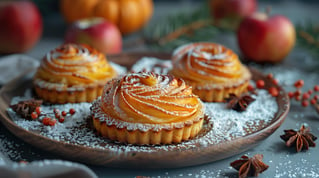


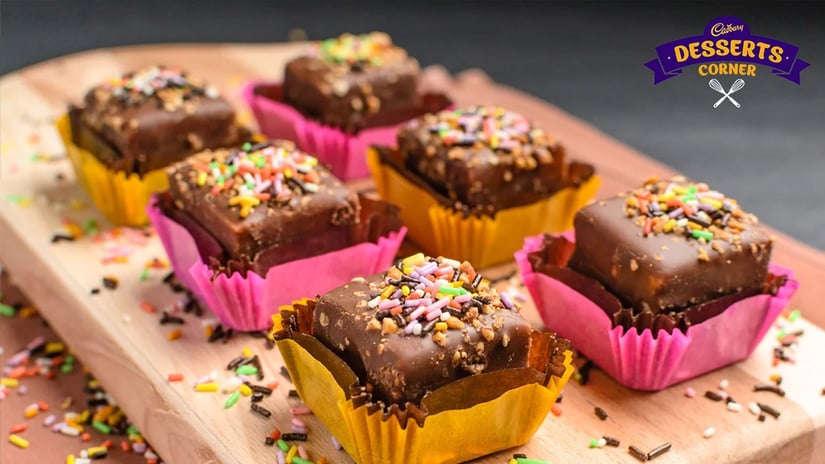


Whether enjoyed at high tea, celebrations, or just at home on a random day, these cute little mini-desserts never fail to bring a smile to a dessert lover’s face.
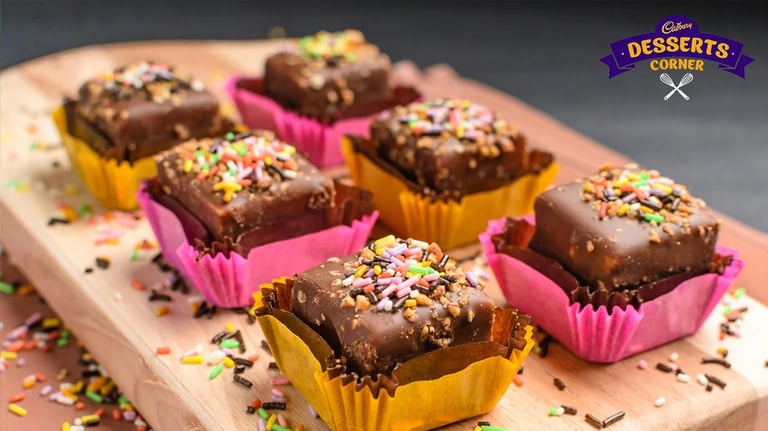
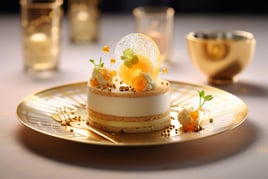
Petit fours are the French bite-sized confections that have graced the dessert menu for centuries. Cherished as a beautiful variety of little, intricately designed pastries, petit fours are an absolute delight. Here, the wide array of flavours and textures blends perfectly with the petite size to make this perfect for indulging. Way beyond regular treats, these mini desserts are artistic creations that highlight the talent and imagination
Origin And History Of Petit Fours
As cute and aesthetic as they look, these bite-sized pastries share a deep-rooted connection with France. Created in the 18th-19th century, the name ‘petit fours’ in the French language refers to ‘small oven’. Once considered nothing more than discarded pastry scraps, petit fours have since become an example of aesthetic pastry art. Baking these miniature desserts follows the ancient practice of baking them with the leftover heat from bigger ovens. While the real origin lies in France, later in the nineteenth century, Swiss bakers turned them into Swiss colony petit fours and perfected their art to add a signature grace to these French delights.
What is a petit four made of?
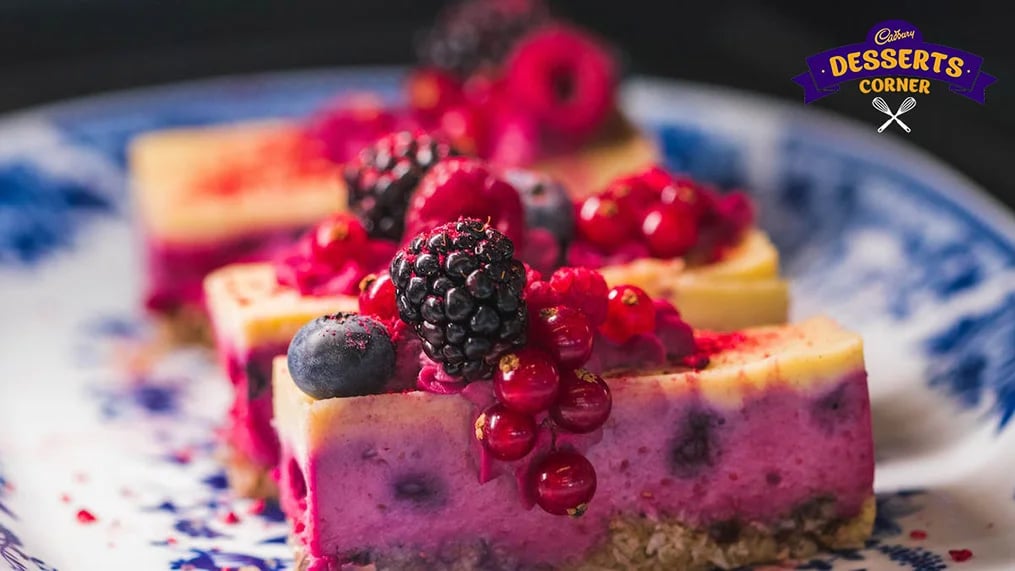
A petit four is a little cake, usually topped with frosting and baked from sponge cake. Squares, half moons, or octagons are the typical shapes used for cutting a petit four. You may stuff it with whipped cream or whatever else you like, like chocolate mousse.
In French, petit fours are also called wedding cakes (the name "petit four" literally means "wedding cake"). For a wedding cake in France, you'll need a skilled designer with years of experience in the field. How many guests anticipated at the wedding party and the magnitude of the event will determine the cake's size. Each petit four may require more or less time to prepare, depending on this.
Glacé vs. Iced Petit Fours
In simple words, Glacé and Iced Petit Fours are just two different varieties of the same bite-sized French confections. The primary differences lie in shape, frosting texture, filling, and colors. While the glacé version is all about a soft fondant or icing glaze over a small layered sponge, the iced version implies slightly elaborate frosting and cream filling. It is the glossy, smooth finish that defines the glacé, while the iced ones feature more textured frosting.
Types Of Petit Fours
Hazelnut
These traditional petit fours have a delicate, creamy filling that strikes the ideal texture balance. This version is often considered perfect for individuals who prefer less sugary desserts.
Almond
Almond petit fours are all about the creamy lusciousness of almonds with the richness of chocolate. This one brings in a perfect balance of flavours and textures. And the best part is that the chocolate covering perfectly complements the nutty undertones.
Pistachio
Petit fours made with pistachios and a hint of citrus have a milder flavour. These delicate options are perfect for individuals who want a sophisticated dessert because they are rich and fulfilling without being overly heavy.
Coconut Cream
Traditionally made using coconut, these petit fours carry the natural creaminess of coconut. These are a true delight for chocolate lovers, as, when combined with chocolate flavor, they offer an unforgettable experience.
How To Make Petit Fours At Home: Step-by-Step Recipe
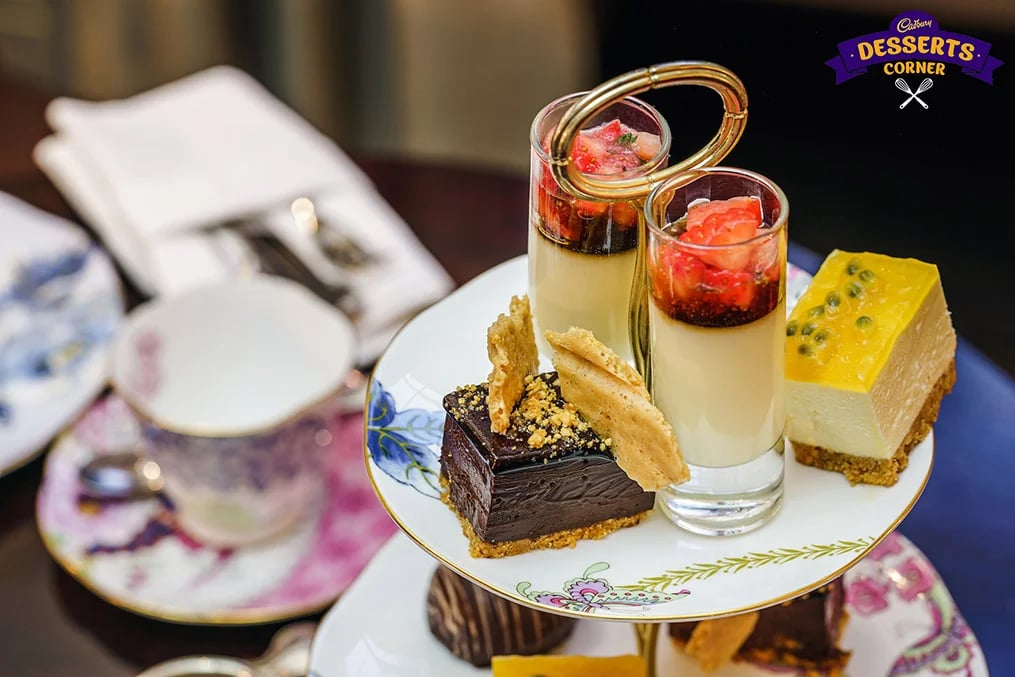
Ingredients:
For the base
- 2 cups flour
- 1 cup sugar
- 12 tbsp butter
- 2 eggs
- ½ cup milk
- 2 tsp baking powder
- 1 tsp vanilla
For icing
- 10 tablespoons of jam (for filling)
- 5 cups powdered sugar
- 6 tbsp corn syrup
- 1.5 tbsp heavy cream
- 1.5 tsp vanilla
Step-by-step guide
- To try this petit fours recipe, prepare the sponge cake batter with all the ingredients mentioned. Make sure the dry and wet ingredients are combined really well.
- Preheat the oven to 175°C and pour the batter into a baking pan. Bake the batter for 15 minutes.
- While the baking is on, prepare the icing with all the ingredients mentioned above and keep it aside.
- Once the sponge cake is out of the oven, allow it to cool down. Now, spread the jam and cut it into small squares.
- Spread the icing over the small bite-sized squares and serve.
Should petit fours be refrigerated?
Yes. To maintain the perfect taste and texture, these soft and creamy French confections should always be refrigerated in an airtight container for 3-5 days or up to two weeks in some cases. This is particularly essential for the recipes that include buttercream or any other dairy-based elements.
Frequently Asked Questions
How should petit fours be stored? 
To maintain the perfect taste and texture, petit fours should be refrigerated in an airtight container for up to 5 days. If you need storage for a few months, freezing is the only option. If kept at room temperature for a day or two, make sure they are placed in a cool, dry place.
What fillings can I use?
For petit fours, the most popular fillings include raspberry or apricot jam, lemon curd, buttercream, cream cheese frosting, chocolate spread, or chocolate ganache.
Can the frosting be colored or flavored?
Yes. A petit fours frosting can be both colored and flavored to match the design, theme, or taste preferences. One may always use powdered food colorings, fruit reductions, or cocoa powder for this.
What is a petit four made of?
The small, bite-sized French delights feature a soft sponge base filled with a sweet and creamy filling. The topping is mostly a smooth and glossy glaze, a ganache, or a creamy frosting.
Like This Article?
More Like This


Popular Articles


Trending Web Stories


Curated Recipes


