









Kunafa is gaining popularity in the world of desserts, but are you aware about the origin of kunafa? Read on to know more about this uniquely textured dish.
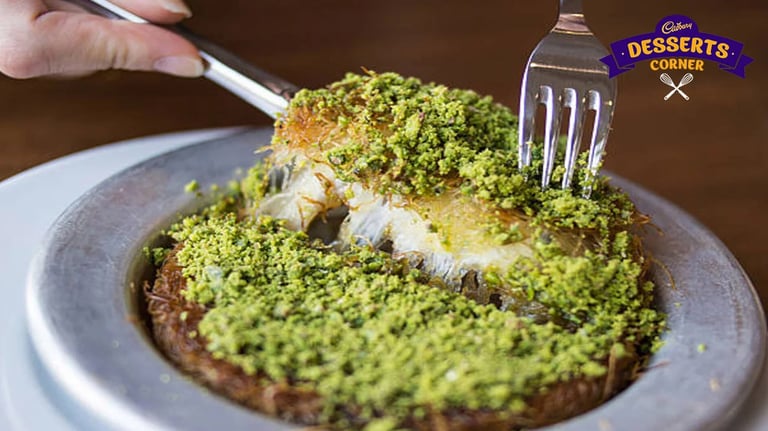
Kunafa is an iconic dish, and gradually it is getting popular globally. The dessert is known for its unique texture, which is crispy, creamy, and cheesy. Kunafa originated in the Middle East, but the history of its origin is debated. There are different theories that justify its origin in the countries of Palestine, Egypt, and Syria. But this dessert is valued for its richness, texture, and is an important part of many celebrations. Learn more about its flavour, texture, history, and how this dessert is adapted differently in different parts of the world.
Origin of Kunafa (History of the Popular Middle Eastern Dessert)
Desserts are easily the most luxurious part of any cuisine around the world. Every culture or demographic has its own desserts that make it special and different from the others. Middle Eastern cuisine is also famous for its sweet dishes, and kunafa is one of them. It is also known as knafeh popularly. This lovely dessert is not only a treat for your taste buds but also for your eyes. It resembles a pizza while also featuring a beautiful cheese or creamy pull, depending on what is used for its filling. But the origins of kunafa is something that is debated often. Let us look at what the dessert is all about and its origins.
Just like the kunafa dessert origin, debate continues over the name as well. Based on the Arabic school of thought, the name came from the Arabic root k-n-f, which means ‘to flank’, or ‘enclose’. This describes how the dough in Kunafa wraps around the cheese or cream filling. However, theories that support the Coptic origin of the name suggest that the word came from the Coptic Egyptian term ‘kenephiten’, which refers to a type of loaf or cake.
What Makes Kunafa a Unique Middle Eastern Dessert
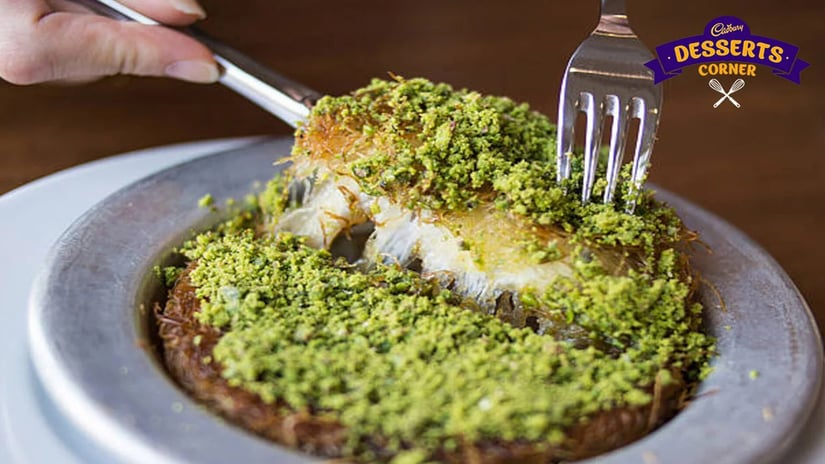
Kunafa stands out because of its unique texture, and contrast between flavors. The dessert is made using kataifi, which are long, thin strands of shredded phyllo dough. In reality, the term kunafa is used to designate both the dessert and the dough. The dough is frequently fried or cooked till crisp using butter or oil. In certain versions, the kunafa is created with a thick, cake-like semolina dough rather than flour.
Though the specific preparation and spelling of the word vary by area, most kunafas are stacked or filled with either cheese or cream, then steeped in a sugar syrup perfumed with rose water or orange blossom water and topped with crushed nuts such as pistachios. This creates the signature combination of a crunchy exterior and a gooey, creamy interior.
The Origin of Kunafa: Egypt, Palestine, or Syria?
The origin of kunafa is a matter of debate, but several regions in the world claim their role in the creation of this dessert.
Palestinian Origins: The Nablus Connection
The origin of Kunafa is associated with the city of Nablus in Palestine. Nablus is famous for Kunafa Nabulsiya, a cheese-filled version made with local white cheese and topped with vibrant orange-colored pastry. Over time, Nablus became so closely linked to the dessert that many people consider it the birthplace of the modern kunafa known today.
Egyptian Origins: The Fatimid Era
Another theory traces kunafa back to Egypt during the Fatimid Caliphate. Many historical accounts trace this dessert to rulers and wealthy families. Some stories claim it was especially popular during Ramadan because it provided a rich source of energy after long hours of fasting. This connection helped strengthen kunafa's association with religious celebrations.
Syrian Origins: The Umayyad Period
A third theory points to Syria during the Umayyad era. According to some accounts, an early form of kunafa was served as a filling pre-dawn meal during Ramadan.mThe dessert's richness and satisfying texture made it an ideal food before a day of fasting. Over time, Syrian cooks developed their own regional interpretations that continue to be enjoyed even today.
Cultural Significance of Kunafa
Kunafa has a special place in Middle Eastern culture and traditions. The occasions where it is used historically are:
A Ramadan Favorite
Kunafa is especially popular during Ramadan, when families come together after sunset to break their fast. Since kunafa has a rich flavor and comforting texture, it easily becomes a festive addition to the table.
A Symbol of Hospitality
Serving kunafa is often seen as a gesture of generosity and hospitality. Guests are frequently welcomed with a warm tray of freshly prepared kunafa.
Part of Life's Celebrations
Kunafa appears at weddings, birthdays, family reunions, and holiday gatherings. It is associated with joyful moments as well as emotional occasions. Kunafa is made to celebrate, and it is also made when someone in the family dies, to cope with their loss. This dessert is a reminder of tradition, community, and home.
Key Ingredients That Define Kunafa's Texture
A few key ingredients are important to make a balanced kunafa with a crispy texture and creamy filling.
Kataifi or Semolina
Kataifi or semolina provide texture to kunafa. Kataifi has delicate crispy strands, and the semolina version gives a denser texture.
Cheese or Cream
Traditional cheese or cream fillings are important for softness, smooth and mild texture. This provides a slightly salty contrast to the sweet syrup.
Sugar Syrup
Sugar syrup is important to add sweetness and moisture. This syrup, flavored with rose water or orange blossom water, which adds aroma and depth.
Pistachios
Pistachios are important for crunch, color, and they also add a nutty flavor that goes well with the richness of dessert. All of these ingredients create a crispy pastry, creamy filling, and sweet syrup that creates the unique texture that defines kunafa.
Regional Variations of Kunafa
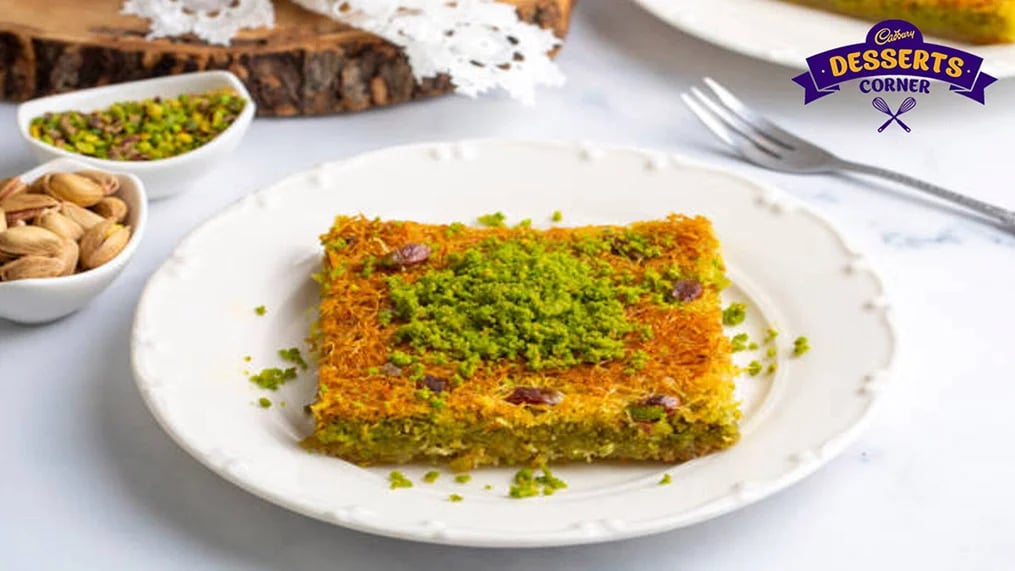
People from all over the world have discovered various ways to change kunafa due to the length of time it has been prepared. Different spellings of the word are used in different nations, including knafeh, konafa, kunefe, kenafe, knefeh, and kunafa, with the kunafa origin root word being 'kanaf', meaning 'to shelter or protect' in Arabic. This word was most likely chosen to refer to the two layers of dough that hold the cheese between them. As a result, there are numerous varieties. Each country or location has a unique variety of kunafa, with some supplying more than one.
Knafeh Nabulseyeh
With its established origin in the Palestinian city of Nablus, this variety of Kunafa features a warm, cheesy base carefully encased within a crunchy, orange-dyed shredded pastry (katayif). Soaked in aromatic sugar syrup for that signature sweetness, it is often garnished with chopped pistachios.
Kunefe
In Turkey, the same dish is known as Kunefe. The pastry is made individually in small silver molds. Dil peyniri is a Turkish cheese used as one of the ingredients, as opposed to akkawi, a Palestinian cheese. Dil peyniri is made in Turkey from unsalted milk from cows and sheep. This country's people prefer topping kunefe with kaymak, a sweet whipped cream.
Lebanese Kunafa
In Lebanon, the dessert is known as knefeh-bi-jibn. The components include mozzarella and wheat semolina steeped in syrup flavored with orange blossom. People in Lebanon frequently eat kanafeh for breakfast, along with sesame seed kaakeh, a traditional type of bread roll.
Egyptian Kunafa
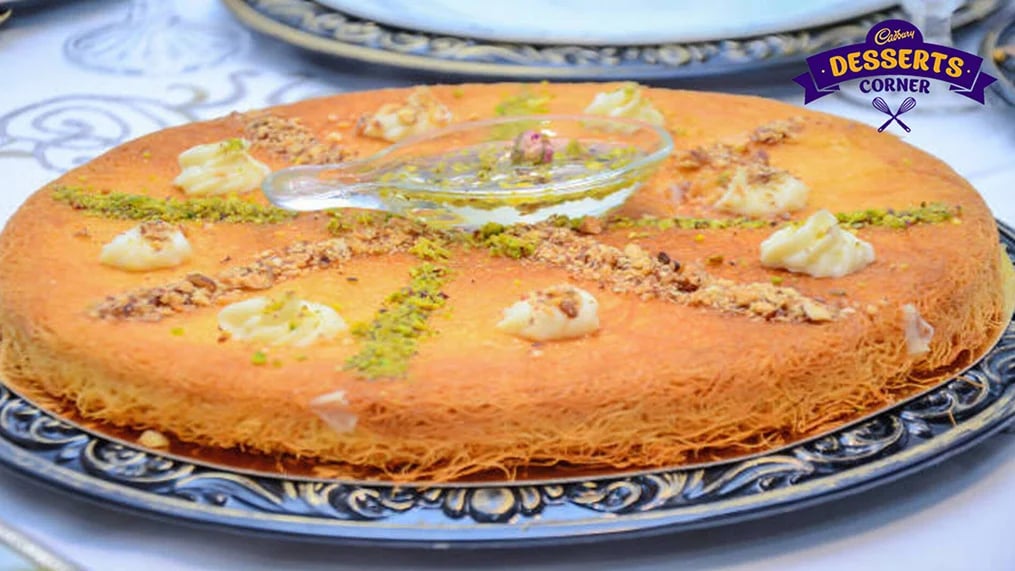
Egyptian versions frequently include cream fillings, nuts, chocolate, or modern flavor combinations that reflect evolving dessert trends.
Common Mistakes to Avoid
Over-Soaking with Syrup
Too much syrup can make the pastry soggy and not give the desired crispness.
Using High Heat
Excessive heat will burn the base before the filling cooks properly.
Choosing the Wrong Cheese
The wrong cheese can affect texture, flavor, and the characteristic stretch associated with traditional kunafa.
Uneven Layering
Poor distribution of pastry or filling can result in inconsistent texture throughout the dessert.
Pro Tips for Perfect Kunafa
- Use ghee for a more authentic flavor and crisp texture.
- Add syrup gradually rather than all at once.
- Bake evenly until the pastry becomes golden brown.
- Allow the filling to warm through completely.
- Serve immediately for the best contrast between crispness and softness.
- Garnish generously with pistachios for added flavor and presentation.
Serving & Storage Tips
- Kunafa is best enjoyed warm, when the pastry remains crisp and the cheese or cream filling is soft.
- A sprinkle of chopped pistachios gives both color and texture to the dessert.
- Store leftovers in the refrigerator in an airtight container for up to a few days. Because the pastry softens over time, reheating before serving helps restore some of its crispness.
- For the most authentic experience, kunafa should always be served fresh from the oven.
Frequently Asked Questions
What is kunafa made of? 
Kunafa is typically made from kataifi pastry or semolina, cheese or cream filling, sugar syrup, and pistachios.
Where did kunafa originate from?
Its exact origin remains debated, with Palestine, Egypt, and Syria all having historical connections to the dessert.
Why is my kunafa not crispy?
Too much syrup, insufficient baking, or improper pastry preparation can cause a loss of crispness.
Can I make kunafa without cheese?
Yes. Many variations use cream, custard, nuts, or other fillings instead of cheese while maintaining the dessert's traditional structure.
Like This Article?
More Like This

Popular Articles


Trending Web Stories


Curated Recipes