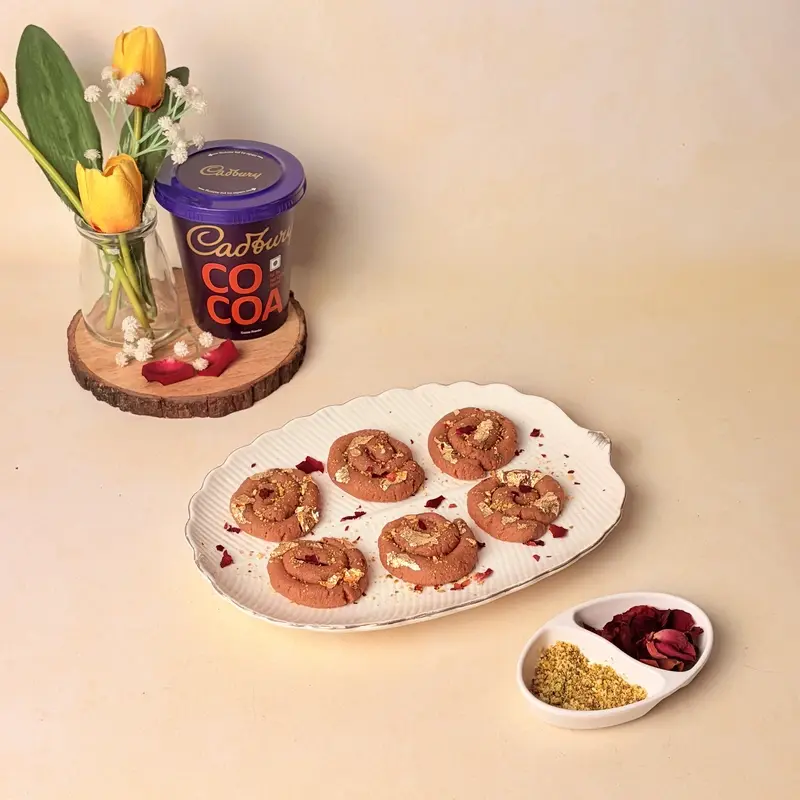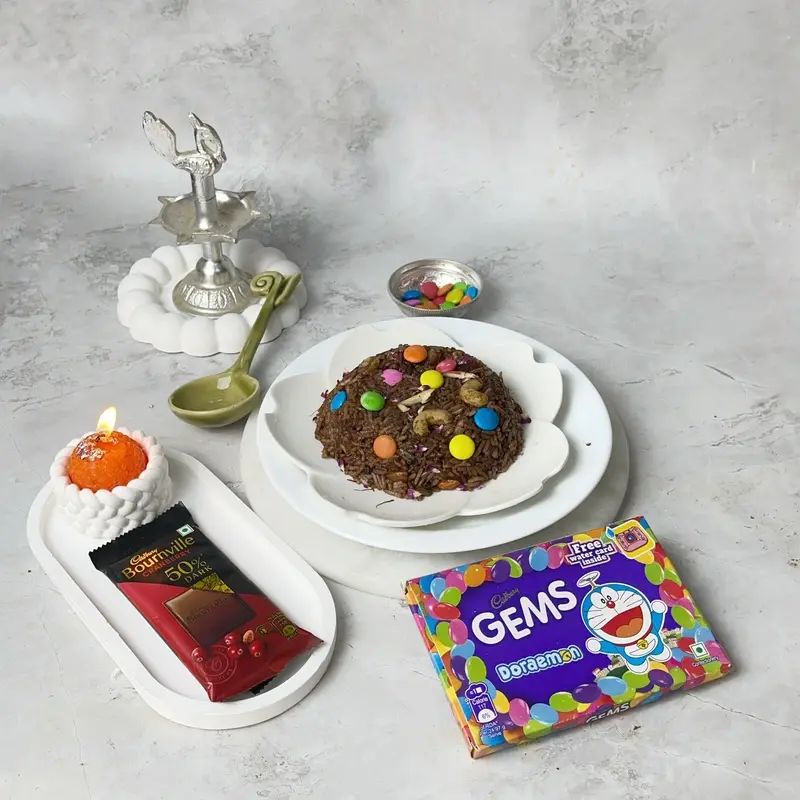










This Navratri, treat yourself to sweet dishes that honor tradition while adding a fresh touch. Discover vrat-friendly and indulgent sweets!

Intro

Navratri, one of India’s most popular festivals, is the time of devotion, fasting, and feasting. Spanning over 9 nights, this festival honors Goddess Durga in her 9 avatars, each signifying strength, wisdom, and prosperity. Ashtami and Navami are the final two days when special pujas and prasad are offered to young girls (Kanjak), symbolizing the goddess.
Fasting during Navratri doesn’t mean you have to miss out on indulgence. Traditional sweets like sabudana kheer, makhana ladoo and singhare ka halwa have been a staple for generations. And modern twists like chocolate-infused rabri and fruit-based shrikhand bring a new spin to these festival treats. Each sweet dish has significance – whether it’s offering kheer for divine blessings or ladoos for prosperity.
Also Read: Navratri Special Malpua Recipe

This Navratri, enjoy the best of both tradition and creativity in your kitchen. Whether you like the comfort of classic vrat-friendly sweets or the excitement of fusion desserts, there’s a sweet to complete your festival. Let’s explore some must-try sweet dishes to add to your Navratri celebrations.
Sabudana Kheer
Sabudana kheer is a must-have during Navratri. Sabudana (tapioca pearls) is slow-cooked in full-fat milk, jaggery or sugar, and cardamom. Add a handful of chopped nuts like almonds and cashews, and it’s light on the stomach yet super filling. The go-to dessert for fasting devotees.
Singhare Ka Halwa
Made with water chestnut flour, singhare ka halwa is a comforting sweet dish that’s vrat-friendly and nutritious. The flour is roasted in ghee until aromatic, then jaggery or sugar and milk are added. Chopped pistachios and saffron are used for garnish. This halwa is known to give strength during fasting.
Kuttu Ke Aate Ka Malpua
Navratri wouldn’t be complete without kuttu ke aate ka malpua. Buckwheat flour is mixed with mashed banana, milk, and cardamom to make a batter, which is then deep-fried in ghee. The crispy malpuas are soaked in a light jaggery syrup. A sweet treat.
Makhana Ladoo
Makhana (fox nuts) is a superfood that’s consumed during fasting. Roasted makhana is ground and mixed with jaggery, crushed nuts, and ghee to make small ladoos. These energy-rich sweets are not just yummy but packed with nutrients and keep you energized throughout Navratri.
Rajgira Sheera
Rajgira (amaranth) is considered sacred during fasting. Rajgira sheera is made by roasting amaranth flour in ghee, then adding sugar and cardamom. It’s so delicious it will melt in your mouth. Often offered as prasad on Ashtami and Navami.
Sweet Potato Rabdi

Sweet potatoes are naturally sweet, so a great vrat-friendly dessert ingredient. Boiled and mashed sweet potatoes are slow-cooked in thickened milk, jaggery, and saffron. A healthier version of traditional rabdi during Navratri.
Coconut Barfi
Coconut is used in prasad offerings, and coconut barfi is a simple yet divine sweet. Fresh coconut is cooked with condensed milk and cardamom. Set into squares and garnished with almonds, this barfi is a must-have during vrat celebrations.
Banana Halwa
Banana is considered auspicious and is used in fasting sweets. Ripe bananas are mashed and sautéed in ghee, then jaggery and cardamom are added. A quick and \easy dessert that requires minimal ingredients and is loaded with energy.
Apple Shrikhand
Shrikhand is a classic Indian dessert, and a fruit-based version is perfect for Navratri. Hung curd is whisked with powdered sugar and cardamom. To add a festive touch, grated apples are mixed in, making it a refreshing yet indulgent dessert.
Dry Fruit Kheer

For a luxurious vrat dessert, dry fruit kheer is a must-try. Almonds, cashews, and pistachios are blended into a paste and slow-cooked with thickened milk and jaggery. Garnished with saffron and cardamom, this rich and creamy kheer is perfect for prasad.
What Ingredients Are Allowed During a Navratri Fast?
Vrat-friendly desserts typically avoid the use of common wheat flour, onion, and garlic, and are made using ingredients such as kuttu, singhara, rajgira, sabudana, jaggery, and rock salt. These desserts can be prepared in a variety of ways to make Navratri sweet dishes that are suitable for fasting. It is important to remember to check what ingredients are allowed according to individual vrats, as they can differ.
Frequently Asked Questions
Which Navratri sweets are suitable for fasting (vrat)? 
Kuttu, singhara, rajgira, sabudana, jaggery, and fruits can be used to prepare Navratri sweet dish recipes suitable for vrat.
Can Navratri sweets be made without sugar for a healthier option?
Yes, jaggery, dates, or naturally sweet fruits can be used in place of refined sugar in some Navratri sweet dish recipes.
What is traditionally offered as prasad on Ashtami and Navami?
Kheer, halwa, puri, and kala chana are traditionally offered during Kanya Puja on Ashtami or Navami, though it may vary depending on the region and family traditions.
Can Navratri sweets be made ahead and stored?
Yes, many Navratri sweet dishes can be prepared in advance and stored in a refrigerator in airtight containers, in accordance with their ingredients.
Like This Article?
More Like This




Popular Articles


Trending Web Stories


Curated Recipes