



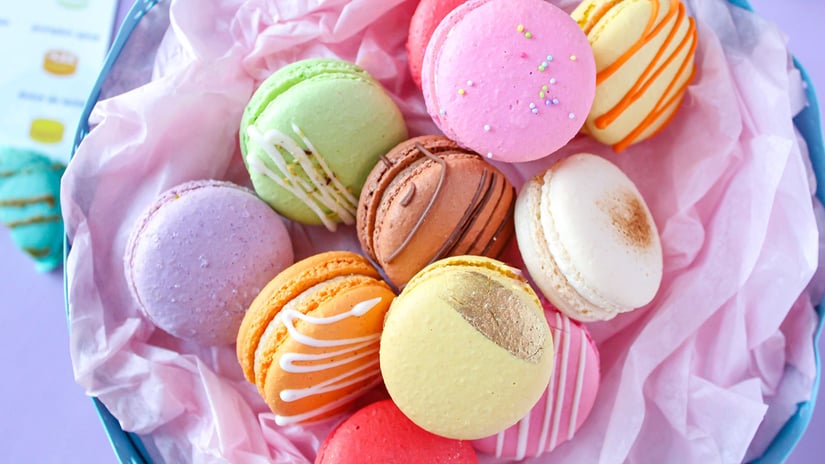


Try a range of French cookies known for refined preparation methods, highlighting popular French dessert names and balanced flavors suited for everyday baking.
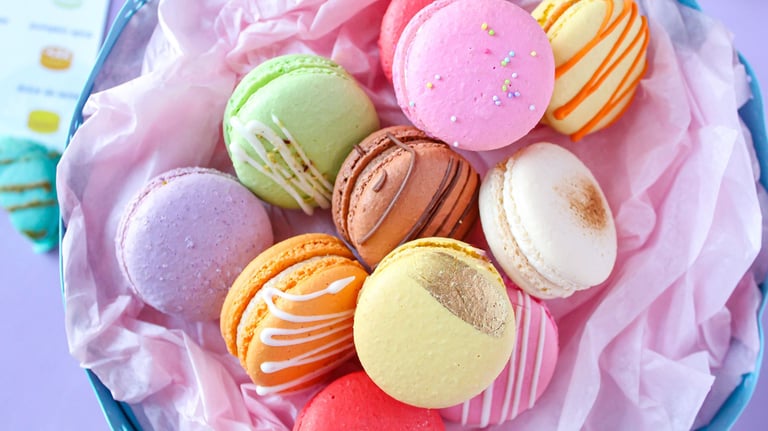
When most people think of French cookies, they probably think of macarons. These smooth, pastel-colored sandwich shells are now a global shorthand for French patisserie. But France's biscuit and cookie tradition goes back much further and wider than just that one recipe. It goes back hundreds of years and includes dozens of different recipes, each linked to a certain place, religion, or time of year. The Brittany coast gave salted butter sablés, Alsace brought spiced bredele, and Corsica gave anise-forward canistrelli.
Even though people in their home regions eat these French desserts every day, many of their names are completely unknown outside of those areas. Making French cookies doesn't usually require complicated techniques. Most traditional recipes use simple mixing methods and short ingredient lists, but the results are much more interesting than you might think. Knowing how wide this category is changes how we think about French baking beyond the polished showpieces that get most of the attention around the world.
Best French Cookies You Should Try
The best French cookies category goes far beyond the macaron to include older, more regionally specific, and in some cases more technically interesting recipes.
1. Macarons
This one’s the most well-known French cookie that is known around the globe, perhaps as famous as the Eiffel Tower. These small, colorful round sandwich cookies have two meringue-based cookies sandwiching a creamy filling. The cookies are light and crunchy while the center is chewy, and the Parisian macarons come in the trademark palm-size fit. The origin of these cookies goes back to Italy in 1533, initially appearing without filling, and it was nothing like this complex treat it is today. The modern version is said to have been created by Parisian pastry chef Pierre Desfontaines, who introduced a creamy ganache filling between two cookies.
2. Cornuelle
This French cookie is from Villebois-Lavalette in Charente, and its distinctive triangular shape carries Christian symbolism—representing the Holy Trinity. This hole in the cookie serves a purpose—during Palm Sunday celebrations, the palm branches are inserted during the Blessing of the Palms. They are made with a dough that uses flour, sugar, butter, eggs, and anise seeds, which are shaped with ribbed edges and puncturing a central hole. Before baking, the cookies are brushed with an egg yolk wash and sprinkled with anise seeds or small pink and white anise-flavoured candies.
3. Biscuit rose de Reims
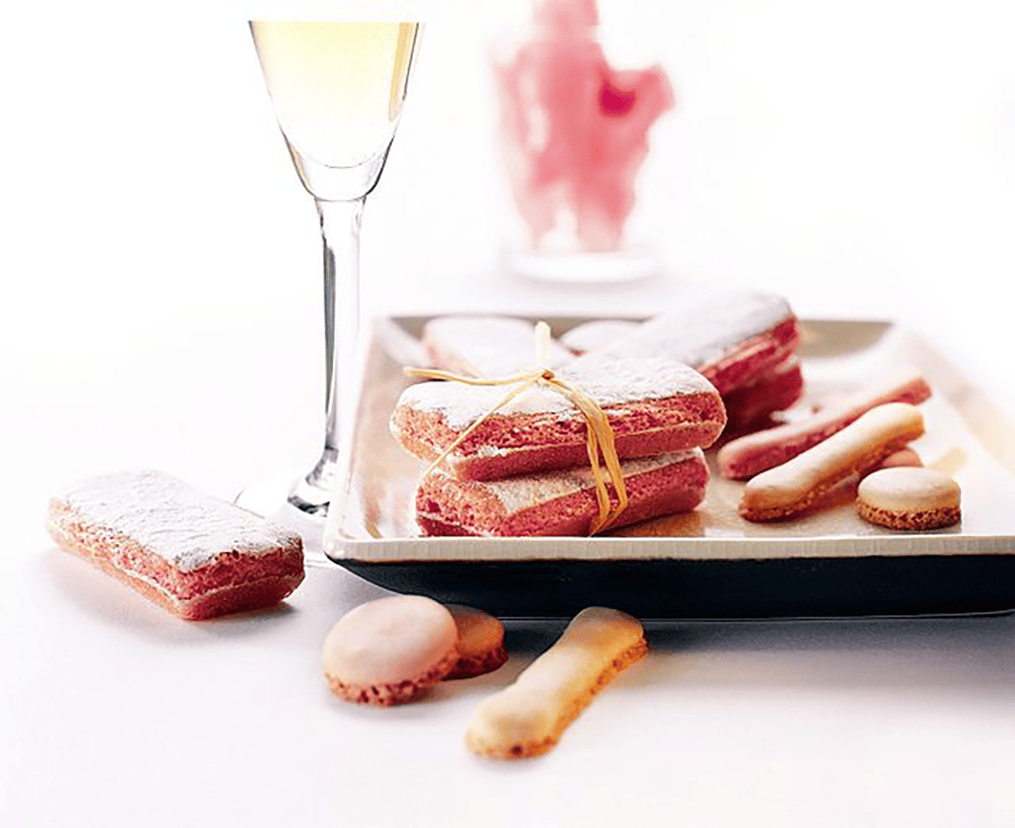
This French cookie has been a staple of Reims since 1691, and its name refers to its pink colorization rather than its flavor, which might make you feel it is rose-flavored. The biscuit's signature crunch is from the double-baking process, making it the perfect accompaniment to champagne. Traditionally, people dip these biscuits in champagne or local red wines, a practice that echoes the use of wine in Christian rituals. The closely guarded original recipe is known only to Fossier's confectioners, and these days it is also paired with tea or incorporated into Charlotte cakes, a kind of bread pudding also called icebox cake.
4. Florentines
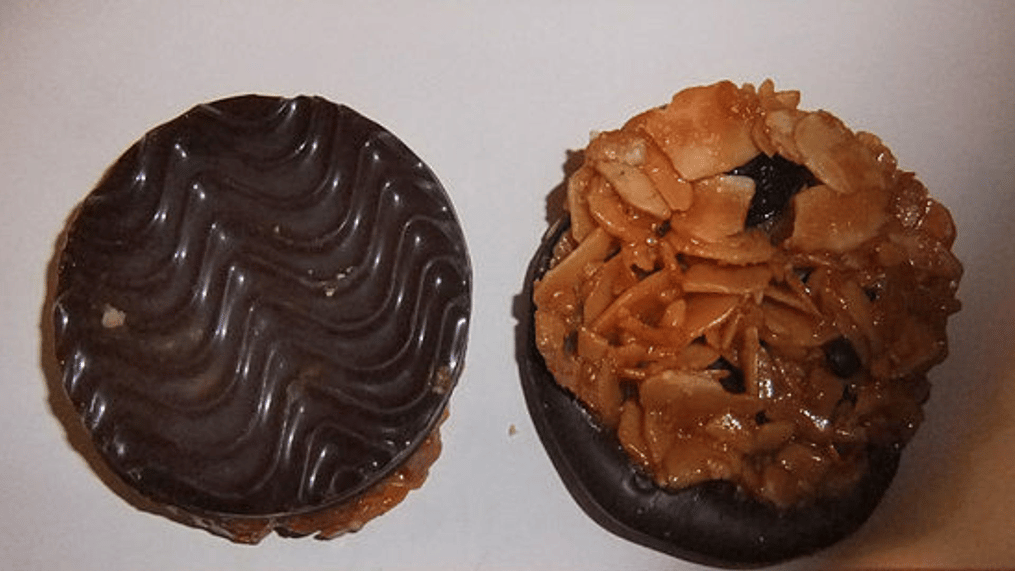
These European delicacies likely originated in France during the late 17th century, which is made with a combination of nuts, predominantly almonds and hazelnuts, with sugar, candied cherries, honey, and butter. A defining feature of this cookie is the chocolate coating often applied to the bottom of the cookie. This makes them ideal for dunking in beverages. It is enjoyed year-round, but Florentines find a special place in Christmas celebrations, reflecting the importance of festive baked goods in Christian traditions.
5. Navette
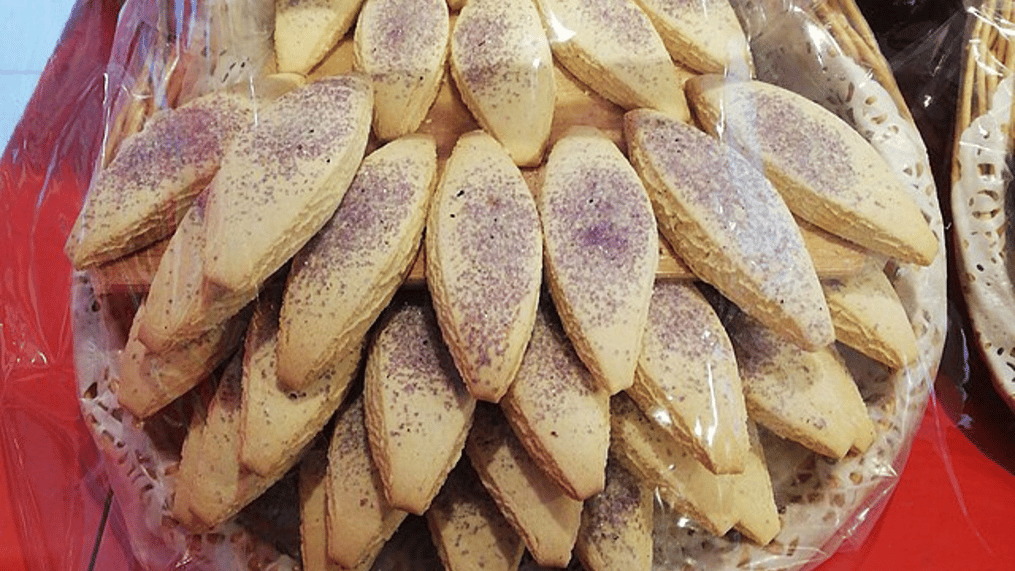
This French cookie from Marseilles is always made in the shape of a boat or shuttle, and this carries religious significance, said to honor Mary Magdalene's and Saint Martha's voyage to Marseilles approximately two millennia ago. Orange flower water gives these cookies their characteristic flavor, and while they are traditionally consumed on February 2nd, known as Candlemas Day, they're available year-round at the Four Des Navettes bakery in central Marseilles. This bakery has maintained continuous production since 1781. Although orange-flavored navettes remain the most popular, bakers now offer varieties featuring cinnamon, chocolate, vanilla, and lavender.
6. Sablé
This classic Breton cookie is renowned for its sandy texture, reflected in its French name "sablé." This trademark characteristic results from the high quantities of butter and egg yolks in the recipe. Sablés first appeared in 1670 in Sablé-sur-Sarthe, created when Prince Condé's steward prepared shortbread for a party. Legend has it that the cookie was named in honor of the Marquise de Sablé, a guest at the event. The recipe for sablé is enhanced with lemon or orange zest, almonds, and savory elements like green peppers or cheese.
7. Cucciole
These cookies, or rather biscuits, hail from France’s Corsica, where the recipe calls for using a mixture of flour, sugar, baking soda, olive oil, white wine, and brandy. The preparation involves cutting the crumbly dough into thick diamond shapes, and before baking, the cookies are sprinkled with powdered sugar. Once baked, they are a beautiful golden brown and crunchy, and once cool, they are typically enjoyed on their own or alongside a cup of hot coffee. The biscuits are also known by regional variations of the name, including cuggiole, cuggiulelle, and cujuelles.
8. Canistrelli
Canistrelli are the most important cookies in Corsican food culture– they are also mostly known by popular French dessert names. They are made from flour, olive oil, white wine, sugar, and anise seeds, and they are baked twice to make them hard and snap like biscotti. The most obvious difference is that olive oil is used instead of butter as the main fat. This is because Corsica's food culture is more Mediterranean than mainland France's dairy-based traditions, and it makes a drier, more shelf-stable biscuit that works well in the island's warm climate. There are many regional differences. For example, some versions use red wine instead of white, while others use lemon zest or orange flower water.
9. Bredele
Bredele are small spiced Christmas cookies from Alsace, a region in northeastern France that shares a border with Germany. Their flavor vocabulary reflects this dual cultural position, with cinnamon, star anise, clove, cardamom, and vanilla appearing in many of the dozens of varieties baked in Alsatian homes during Advent. The name comes from an Alsatian dialect and means "small bread."
10. Boudoirs (Ladyfingers)
Boudoirs, also called ladyfingers or savoiardi around the world, are long, sponge-based cookies made from whisked egg whites, egg yolks, sugar, and flour, piped into finger shapes and baked until the outside is crisp and the inside is light and slightly chewy. Boudoir is a French word that means "private sitting room." This is because the biscuits were once served with afternoon tea to the rich in 18th-century France. Boudoirs are a type of génoise, but they are made differently. The egg whites are whisked until stiff peaks form, then folded into the yolk mixture. This makes the light, porous crumb that absorbs liquid without falling apart.
Frequently Asked Questions
1. What are the most popular French cookies? 
Macarons are the most famous French cookies worldwide, but in France, sablés, madeleines, and tuiles are among the most common things people eat every day. There are many regional types of cookies, such as bredele in Alsace and canistrelli in Corsica, that are just as popular in their own areas.
2. What French cookie is traditionally paired with champagne?
The traditional pairing is biscuits roses de Reims, pale-pink, twice-baked cookies from the Champagne region meant to be dipped in champagne before eating. The dense, dry crumb of these French desserts soaks up the wine without falling apart.
3. What makes sablé different from shortbread?
Sablé has more butter than British shortbread and includes egg yolk, which gives it the "sandy" crumb that the name describes. In French, sablé means "sand." Shortbread is firmer and has a more even texture.
4. What is the religious significance of French cookies?
Some French cookie traditions come directly from religion. For example, bredele are linked to the Christian Advent calendar, and springerle (anise-flavored molded cookies from Alsace) were once stamped with religious images for Christmas.
5. What are Florentines made of?
To make Florentines, you mix butter, cream, sugar, and honey, then add flaked almonds and spread the mixture on a baking sheet. You then bake them until they are golden brown and cover the bottom with a thin layer of dark chocolate.
Like This Article?
More Like This

Popular Articles


Trending Web Stories


Curated Recipes