




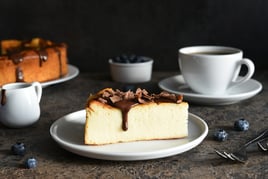



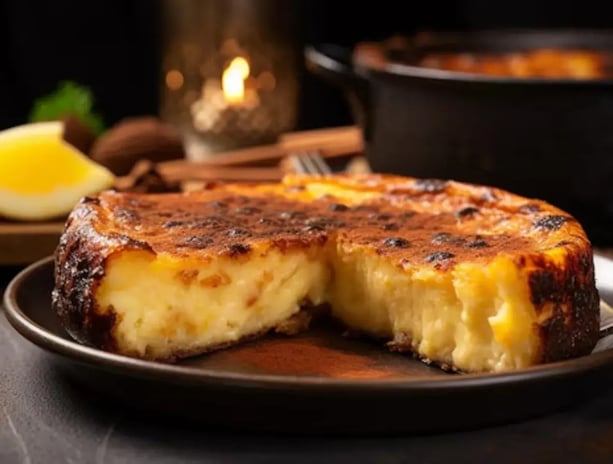


Explore step-by-step tips for creating a Basque cheesecake with the ideal burnt top, balancing sweetness and texture.
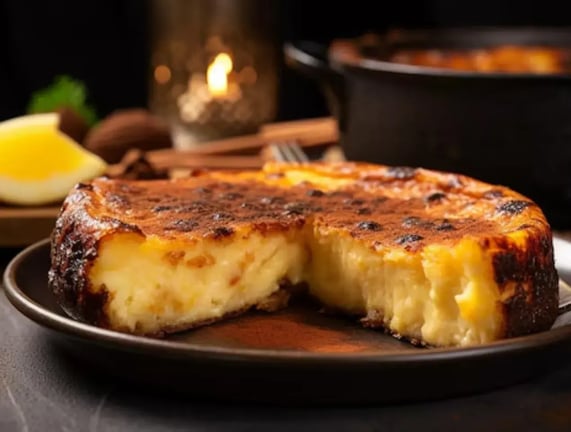
A burnt Basque cheesecake is all about a cheesecake with a slightly charred and brown top layer, with a perfectly smooth and creamy center. For this cake, getting a perfect burn on top is both an art and a science. The slight bittersweet note that comes with the burnt layer makes this dessert different from regular cheesecakes. While it sounds quite simple, the top layer needs perfect caramelization that comes with the right time and temperature combination. With a few simple tips and tricks, one can learn exactly how to get that beautiful, caramelized top without overcooking the rest of the cheesecake.
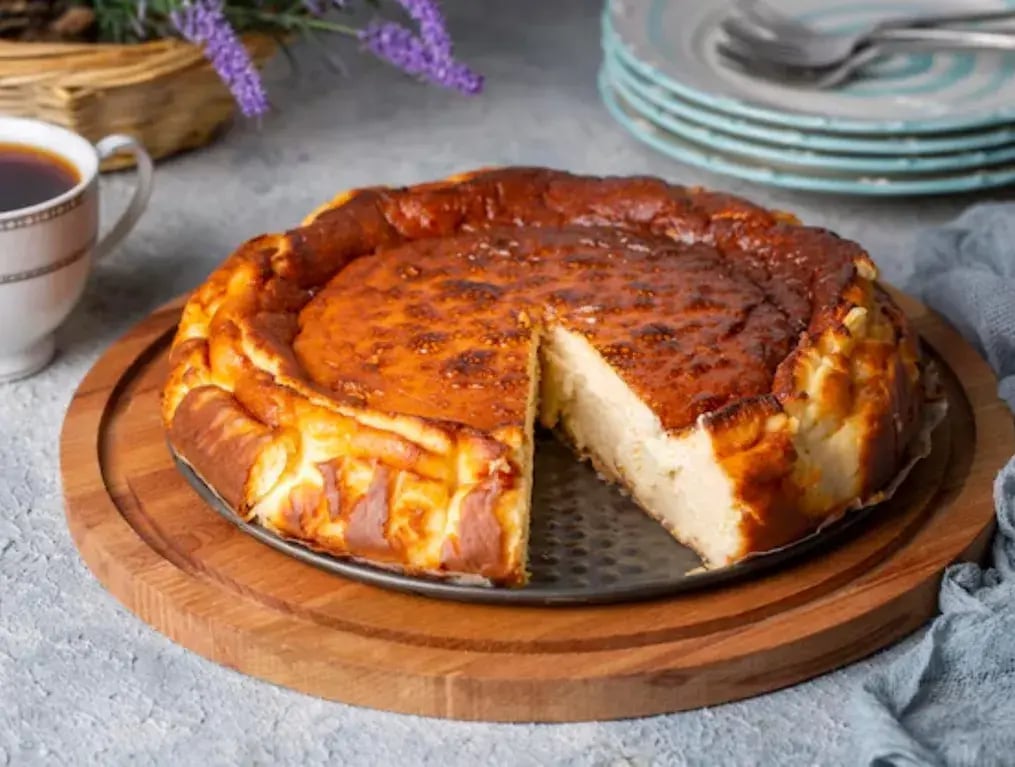
10 Tips To Get The Perfect Burnt Top For Basque Cheesecake
The Science Of The Burnt Top
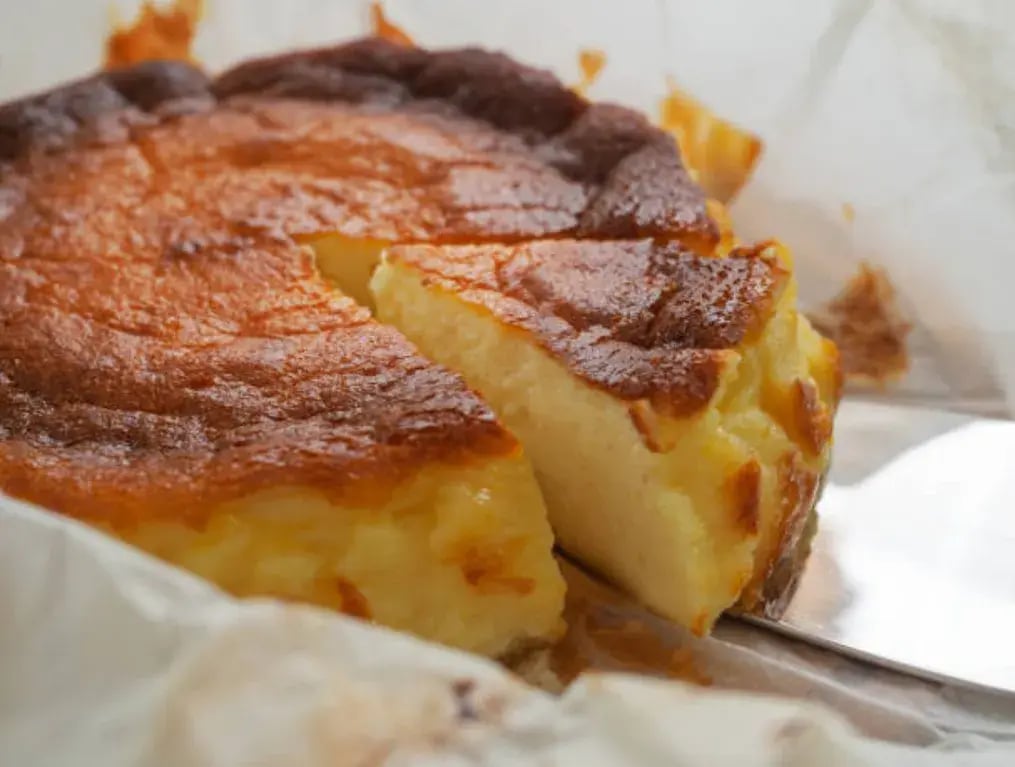
The burnt top of a Basque cheesecake not only adds to the looks. The charred layer adds a slight bittersweet note to the flavor profile as well. When exposed to the high heat of the oven for a short burst, the milk and sugar content of the cake batter caramelizes rapidly to create the burnt layer, while the inside remains creamy and soft.
Use The Right Temperature
Temperature plays a key role in creating the burnt top layer here. Ideally, a temperature range of 200°C-230°C is maintained for a short while to create the burnt layer. If the temperature is more than this, the cheesecake burns badly. With a lower temperature, it refuses to achieve the burnt appearance.
Do Not Overmix The Batter
When it comes to the creamy batter of a cheesecake, it is often tempting to overmix it until it’s perfectly smooth. However, as perfect as this overmixed batter looks, it often gives the cake those cracks and a less-than-perfect texture. It also affects the caramelization.
Use A Taller Pan
To get a beautifully caramelized top and a creamy center, it is often better to use a taller pan. It actually allows even baking, and the top doesn’t burn too fast. This also gives the cheesecake more structure instead of an uneven texture.
Do Not Skip The Parchment Paper
Lining your pan with parchment paper is key when making a Basque cheesecake. The paper prevents the cheesecake from sticking to the sides and allows for an even burn on top. Make sure the parchment paper goes above the sides of the pan so you can remove the cheesecake easily without damaging the delicate burnt top.
Watch Closely At The End
The last few minutes of baking are crucial for the burnt top. As the cheesecake gets close to the recommended baking time, watch the surface to see when it starts to turn golden brown. Keep a close eye, it happens fast, and overbaking will burn the top too much and give a bitter flavor.
Cool In The Oven
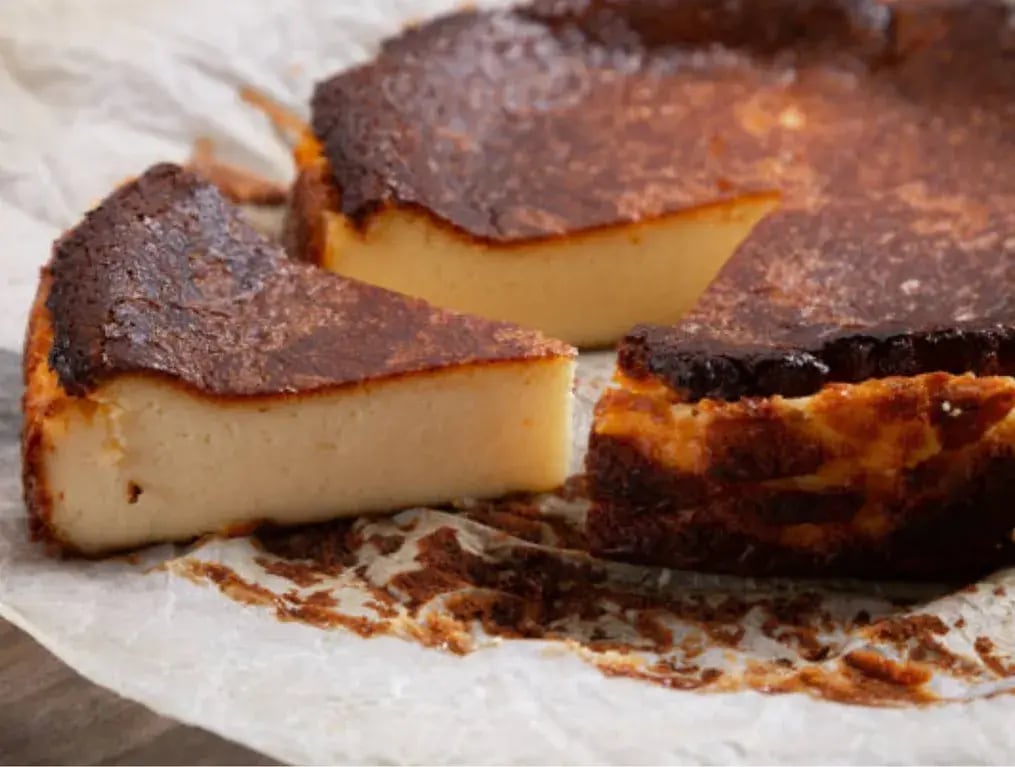
After baking, let the cake cool in the oven with the door slightly open. This will prevent the temperature shock and the cheesecake from cracking. The residual heat in the oven will set the top and intensify the caramelization. This cooling process will help the cheesecake to set while keeping the top layer intact.
Use Heavy Cream
The interior texture of the cheesecake is just as important as the top. To get this, use a high-fat-content cream cheese and add heavy cream to the mix. This will give you a rich, silky texture that contrasts beautifully with the slightly crunchy and caramelized top. The high-fat content will keep the cheesecake soft inside and allow the top to brown without overcooking.
Check For Doneness With A Shake
When checking for doneness, don’t poke the cheesecake with a toothpick or knife, it will make holes and ruin the surface. Instead, shake the pan. The cheesecake should wobble a little in the middle but be firm around the edges. If it still wobbles too much, bake for a few more minutes until it firms up to the right consistency.
Serve It After Cooling
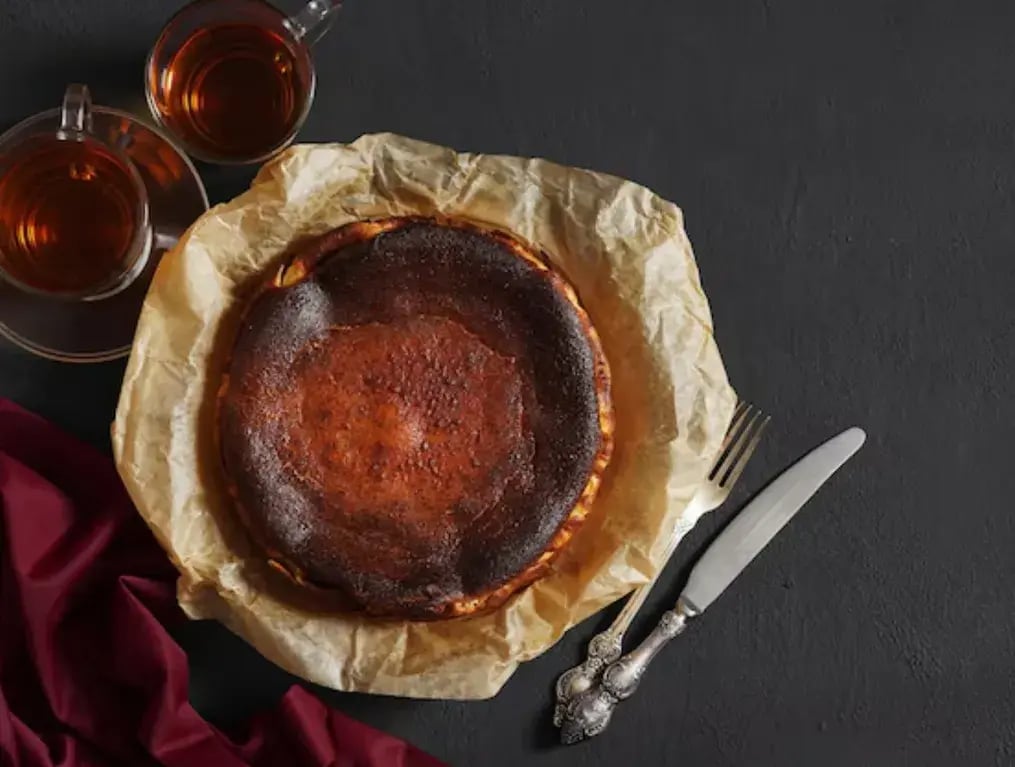
Basque cheesecakes are best served warm or at room temperature. After cooling in the oven, refrigerate for a few hours, but serve at room temperature for that creamy texture and full flavor of the caramelized top. The warm, creamy center with the burnt crust is a dessert experience you won’t forget.
Frequently Asked Questions
How does Basque cheesecake get the burnt top? 
A Basque cheesecake is known for its perfectly bittersweet burnt top. This texture is achieved by baking the cheesecake at a very high temperature (between 200°C and 230°C) for a short period of time. Here, the intense oven heat caramelizes the sugars and dairy quickly to create the burnt top while the interior remains soft.
Why isn't my Basque cheesecake burnt?
The Basque cheesecake often refuses to get the burnt texture if the oven temperature is too low, the baking time is too short, or if the parchment paper collar of the baking pan blocks the heat.
How to avoid cracks in burnt Basque cheesecake?
To prevent cracks in a Basque cheesecake, it is recommended to use room-temperature ingredients. Also, make sure the eggs are whisked gently to avoid excess air. Once the cake is ready, allow it to cool slowly in the oven with the door slightly open. This prevents the sudden and rapid temperature shock.
How to keep the top of the cheesecake from burning?
To prevent the cheesecake's top from burning, lower the oven temperature to 150°C-160°C. Alternatively, one may bake the cake in a water bath as well. If the top of the cheesecake starts browning rapidly in an oven, one may also place an aluminum foil over the pan to prevent excess heat from burning the top.
How long does burnt Basque cheesecake need to rest?
Ideally, a burnt Basque cheesecake needs to rest for at least 4 to 8 hours, if not overnight). This resting period is to ensure that the residual heat in the cake completes the cooking. This prevents the cheesecake center from collapsing when sliced.
Like This Article?
More Like This
Popular Articles


Trending Web Stories


Curated Recipes


