






Formal dinners can be harrowing for newbies. Follow these simple etiquette rules that go a long way in easing any dining experience.
Sometimes, even the most sophisticated formal dinners seem quite complicated, particularly the moments of dessert and coffee service when everything suddenly appears very confusing. However, proper table manners do not imply perfection but rather are based on respect and comfort in the company of other people. Learning some simple rules of formal table manners will help you easily navigate the final courses of a meal.
Why Dessert And Coffee Etiquette Matters At Formal Dinners
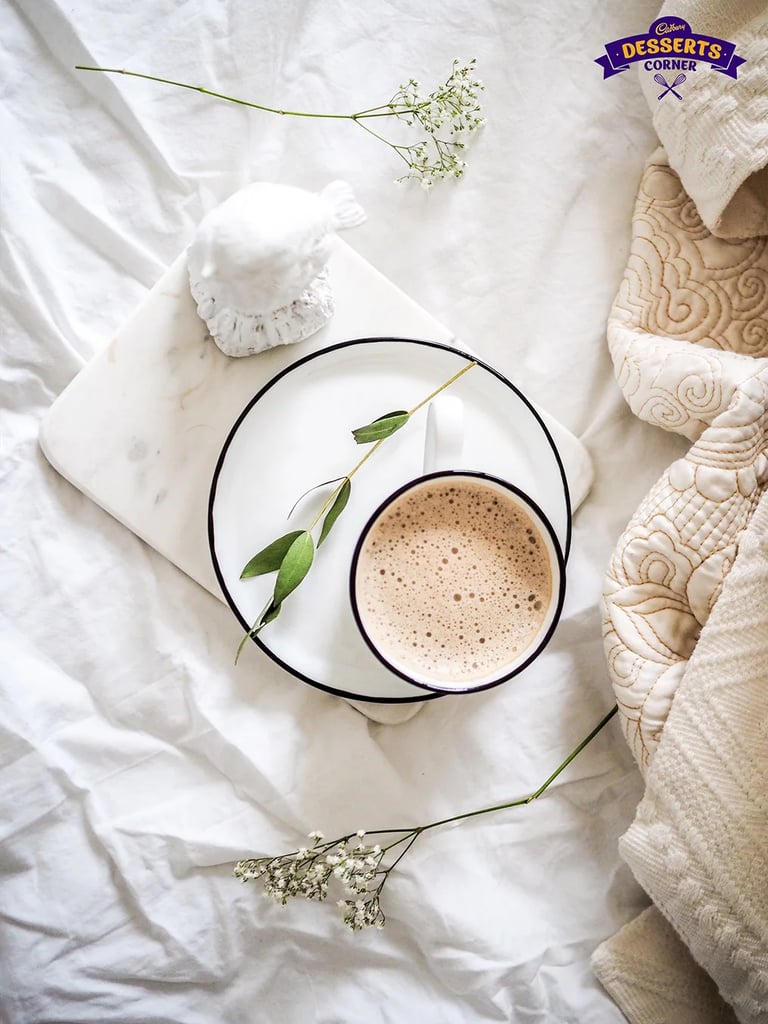
Good table manners contribute to creating a polished but also welcoming dining atmosphere. In the case of formal dinners, small things like waiting for the host, using the right cutlery, and maintaining pleasant communication will ensure the smooth flow of the event.
Understanding Formal Table Settings Before Dessert Is Served
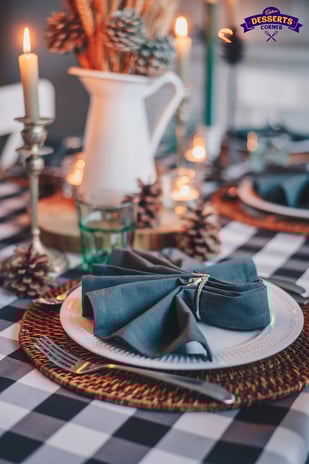
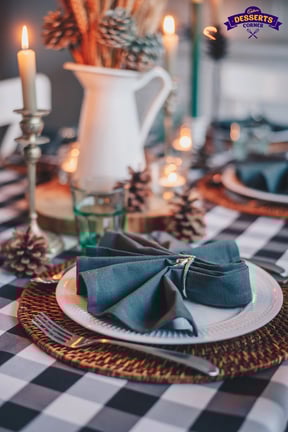
A formal table setting can offer useful clues about what comes next. Dessert cutlery may be placed above the dinner plate or brought to the table when dessert is served. A dessert fork is generally smaller and useful for cakes, pastries and fruit, while a dessert spoon is suited to softer desserts such as mousse, pudding or ice cream.
The coffee cup and saucer are usually placed to the right of the setting. Reading these details correctly makes dinner etiquette much easier to follow, especially when several utensils are arranged around the plate.
Dessert Etiquette At A Formal Dinner
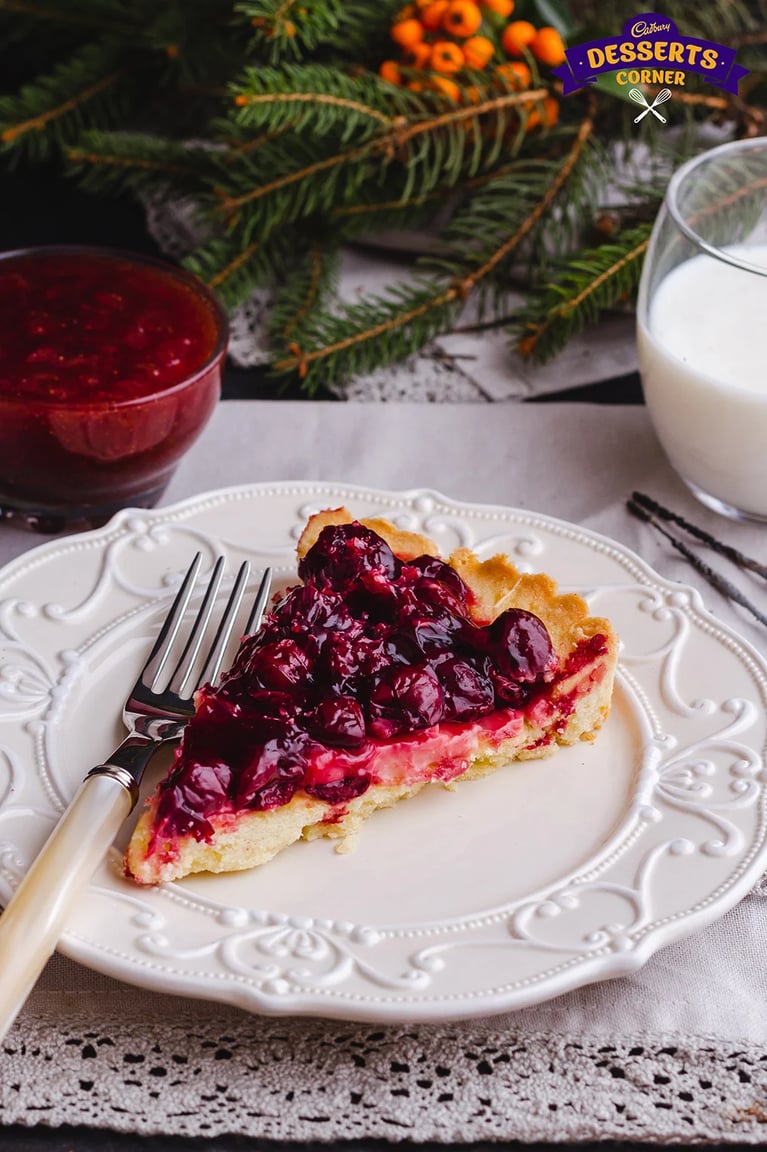
Do not start until the host starts or makes clear signals to do it. In case dessert is served to all guests simultaneously, wait until all guests have received theirs before having your own.
Following the host's lead is one of the easiest rules of dessert etiquette. Eat your portion calmly, and do not rush or finish your dessert before everyone else. In case dessert is served together and has to be shared, take an appropriate portion and pass the plate to another person without reaching across the table.
Dessert Cutlery Etiquette Explained
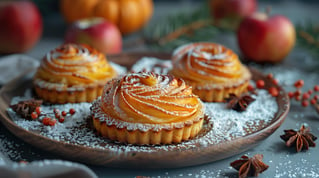
It is much easier to follow dessert cutlery etiquette when you remember to use the utensil that fits for this kind of dessert. Use the dessert fork to consume cake, tart, or pastry and the dessert spoon to have mousse, pudding, or ice cream.
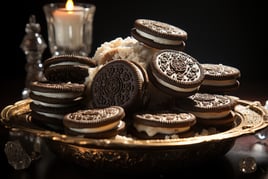
For cake or pie that requires cutting, use the provided fork and knife to cut a piece to eat. Pastries and tarts are consumed with the appropriate fork and, where needed, knife. Finger desserts such as small biscuits, chocolates, and some fruits can be eaten using fingers in case they are meant to be consumed this way.
Table Manners For Eating Cakes, Pastries, And Desserts
Layered cakes are better eaten in small portions to avoid the cream or filling falling on the plate. With flaky pastries, you need some patience; break or cut portions of it rather than try to eat it all at once.
Use the spoon provided to eat ice cream, mousse, or any other soft dessert. Do not scrape the bowl or the plate noisily. Keeping the dessert plate clean is an important aspect of good table manners. If something falls, clean it discreetly with your napkin.
Coffee Etiquette During Formal Dining
Coffee is traditionally served after dessert, but sometimes the host may decide to serve it together with the last course. It is not necessary to think that all formal dinners go according to the same pattern.
If coffee is offered, you may accept it or politely reject it with “No, thank you”. During the service of coffee, maintain the conversation light and friendly. The last stage of the dinner is also the one when thanking the host and having a quiet talk with him/her may be possible. Coffee etiquette also implies not to distract yourself with your phone frequently.
Coffee Serving Etiquette Guests Should Know
According to the traditional coffee serving etiquette, coffee is usually served in a cup with a saucer and a small spoon. Sugar, cream, or milk may be added as preferred by guests. Stir coffee gently without producing noise.
Hold your coffee cup with its handle using your thumb and fingers. There is no need to stretch your little finger, as it is sometimes believed in relation to formal drinking of coffee. Drink coffee in comfortable sips without blowing on it as it is hot.
Formal Dinner Etiquette For Conversations And Behavior
Communication is one of the important aspects of formal dinner etiquette. Do not raise the topics that could embarrass or upset guests, such as very personal ones, heated discussion of politics or other controversial issues if guests do not encourage you to discuss them.
If you need to leave the table, do it quietly and do not give unnecessary explanations of your intentions. Try to refrain from using phones during the service of dessert and coffee as much as possible. Pay attention to the signals of the host that include changing the topic, clearing the table, and signaling about the end of the evening.
Formal Dining Etiquette For Hosts Serving Dessert And Coffee
Hosts should time dessert service appropriately so that the plates from the main course are cleared up, and the guests are ready for it. Dessert may be prepared in advance if possible and thus allow the host to be involved in communication.
Coffee should be served smoothly with sugar, milk, or cream if necessary. Hosts also need to ask about dietary restrictions and allergies beforehand instead of placing their guests in an uncomfortable situation. The relaxed atmosphere is as important as strict formal dining etiquette.
Common Dessert And Coffee Etiquette Mistakes
There are some mistakes that can be avoided easily. Starting dessert before the host or other guests may show your impatience. Using the wrong cutlery, eating dessert fast, or overfilling a coffee cup may look awkward.
Try not to stir your coffee noisily, wave utensils while speaking, and talk with food or cutlery in your mouth. Even these small details make a great difference in your dining etiquette.
Modern Dining Etiquette Vs Traditional Formal Table Manners
Dining practices have changed a lot. Modern fine dining may be less rigid and more relaxed, with restaurants applying new approaches to traditional rules. The international dining practices are also different, especially related to coffee, tea, dish sharing, and utensil use.
The best option is to understand formal table manners traditionally but pay attention to the setting of the dinner. Being elegant does not mean being stiff; considerate behavior is always more important than automatic application of the rule.
Tips To Feel More Comfortable At Formal Dinners
Just observe the host and follow the table's rhythm, and do not worry about the rules. If you are not sure about the cutlery, just observe other guests and follow their example.
Be calm, and eat slowly. Such simple tips as putting your napkin on your lap, sitting straight, and leaving your phone out of sight will help you feel more comfortable at a formal dinner.
Dining Etiquette Around The World For Dessert And Coffee
Dining practices differ in different countries. European coffee tradition usually involves espresso served in a smaller cup. In America, formal dinners may follow the classic dessert-and-coffee sequence. In the Middle East, there is an emphasis on the generosity of hosting and the coffee-serving ceremony.
Across Asia, tea usually replaces coffee that accompanies desserts or concludes the meal. It shows why dining etiquette should always be considered in its cultural context.
Frequently Asked Questions About Dessert And Coffee Etiquette
Which dessert spoon should you use first? 
Use the dessert spoon provided for the particular course. The smaller spoon is normally used for puddings, mousse,e and other soft desserts. If there are several utensils, just follow the host's example.
Is coffee always served after dessert?
No, coffee is not always served after dessert. Sometimes it is served along with it or after the dessert plates are cleared up. The time depends on the dinner itself and the host's preference.
Can you refuse coffee politely at a formal dinner?
Yes. No need to provide an explanation unless you want to. Politely accepting or rejecting is an important aspect of coffee etiquette.
What are the most important formal table manners?
Waiting for the host, using the utensils properly, keeping your napkin on your lap, eating at a comfortable pace, and communicating politely with guests are among the most important formal table manners.
How do you hold a coffee cup correctly?
Hold the coffee cup with its handle using your thumb and fingers. Do not stretch your little finger. Put the coffee cup back on its saucer between sips.
Is it rude to leave dessert unfinished?
Not necessarily. If you cannot eat it, just leave it on the plate neatly. Allergies, appetite, or your personal preferences are good reasons to leave food, so there is no need to force yourself to eat.
What is dessert cutlery etiquette?
Dessert cutlery etiquette implies using the utensil that fits the dessert. Use the forks to eat cakes and pastries, the spoons to have puddings, mousse and ice cream. Cut the dessert with the knife if necessary.
Can you use fingers for desserts at formal dinners?
Yes, in case the dessert is designed for it. Small biscuits, chocolates and some fruits may be eaten using fingers.
When should you place your napkin on the table?
During dinner, keep your napkin on your lap. If you have to leave the table briefly, put your napkin on your chair. After dinner, put your napkin on the table when it is appropriate to do so, following the host's lead.
What should guests avoid doing during dessert service?
Guests should not start eating before other people, reach across the table, use the wrong utensils, eat too fast, or check their phone frequently. Good dessert etiquette implies being respectful and attentive to other people at your table.
Like This Article?
More Like This


Popular Articles


Trending Web Stories


Curated Recipes