



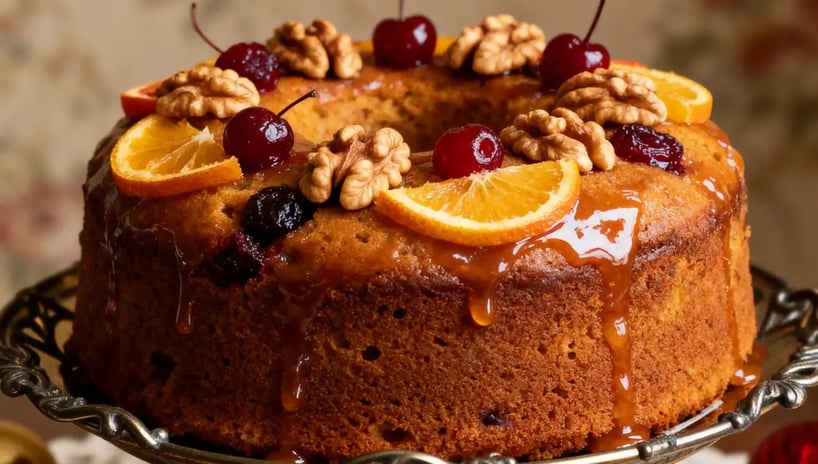


Plum cake is a rich, spiced holiday treat packed with rum-soaked fruits and nuts. Its deep color and dense, moist texture make it a festive Christmas classic.
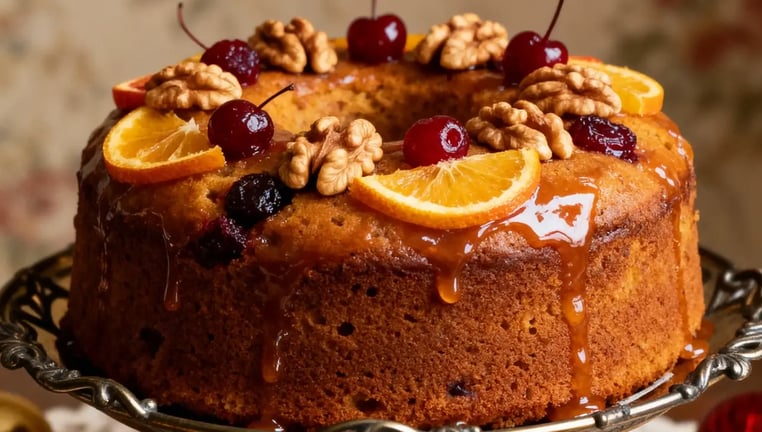
Several types of festive cakes are available around the world. However, a classic recipe for a plum cake that contains rum is one of the classics for many people, especially at Christmas time. It is one of the most wonderful recipes, with its heavy density, dark color, and multiple layers of flavor from the fruits used in the cake. Soaking dried fruits in rum overnight, along with spices and baking at a lower temperature for a longer period of time, creates rich flavors.
When making a traditional plum cake, the dried fruits will have been soaked in rum overnight, which will allow the dried fruits to absorb moisture and flavor. The spiced cake batter used for the cake will contain butter, eggs, and a caramel mixture (or syrup), creating a great balance between sweetness and a slight bitterness (from the caramel syrup). The addition of the caramel syrup gives the cake additional richness in flavor as well as color.
Once the cake has been baked, many bakers will brush their cakes with rum after the baking process to keep the cake moist and to allow the flavors to mature together during the following weeks or months.
I've been making this cake for a long time now; the hidden secret is waiting for a few days and letting the fruit soak up the rum. The longer you let the fruit soak, the more flavorful the result will be, and the fruit and rum flavor combination will really complement each other within the cake batter itself.
The modern baking techniques have updated the recipe but kept its authentic style. A properly prepared plum cake continues to rely on the use of soaked fruit, the use of low temperature, and a long cooking time to develop a rich taste typical of a celebratory/holiday-type fruit cake.
Introduction: The History of Traditional Plum Cake
A classic plum cake is steeped in history, with many traditions connected to Christmas around the world. In addition to symbolizing wealth and self-indulgence, a plum cake usually contains a variety of rich ingredients, including dried fruits, nuts, and warm spices; thus, they represent an abundance of food but also provides the familiar festive smells and tastes through their mixed spices.
Moreover, plum cakes and fruit cakes have a long-standing connection with Christmas celebrations, with their story beginning with a type of medieval dish called "plum porridge", which consists of dried fruit & meat. This dish was traditionally served to break the fast prior to Christmas during Advent.
One of the earliest recorded examples of a type of fruit cake at a festive occasion originates from ancient Rome, where there were early baked cakes containing barley, honey, dried fruits, and nuts. The cake travelled throughout Europe as the ingredients changed from one place to another, contributing to the evolving recipe over time.
In England, the creation of porridge-like mixtures was part of pre-Christmas traditions, including the inclusion of oats, dried fruit, and spices; however, it wasn't until the 16th century, with the increased use of flour and sugar, that the baked version with fruit officially came to be.
Essential Ingredients for the Perfect Traditional Plum Cake Recipe With Rum
When it comes to creating a traditional plum cake, one of the most important aspects is the quality of the ingredients used. The ingredients that create the main flavor of a traditional plum cake come from dried fruits (specifically), warm spices, rum, and caramel syrup.
Best Dried Fruits and Nuts to Use
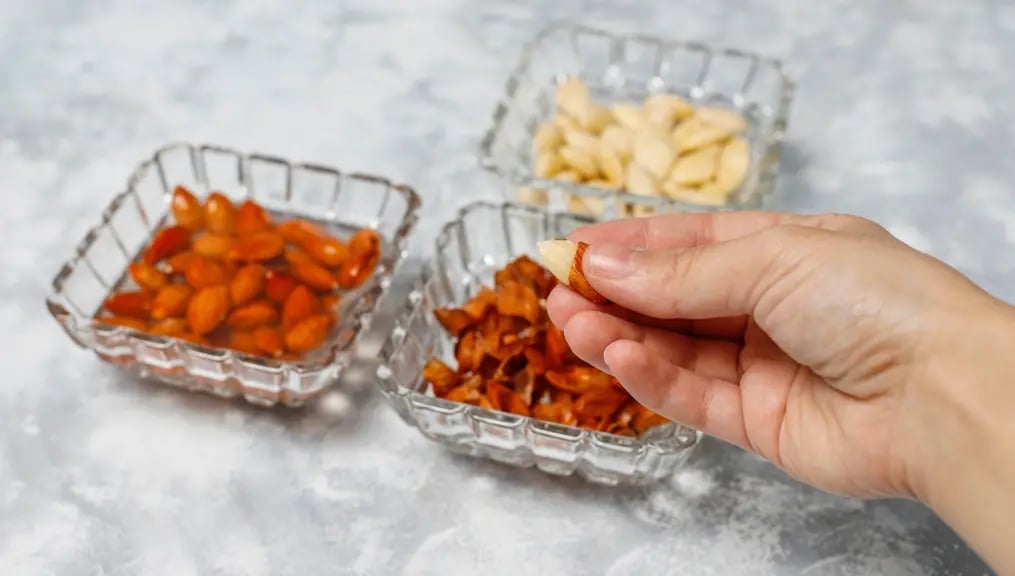
The most important part of the identifiable characteristics of a plum cake is the dried fruits. When dried fruits are added to a plum cake recipe, they will absorb the rum or fruit juice that they are soaked in and then release flavor during the baking process.
Commonly used dried fruits in traditional plum cakes include:
- Raisins
- Black currants
- Cranberries
- Prunes
- Dates
- Chopped apricots
- Tutti frutti
The use of various types of dried fruits creates complexity within the flavors when making a traditional plum cake. Some of the dried fruits used offer sweetness, while others offer a milder tartness.
The addition of chopped nuts also adds texture to the traditional plum cake. The most common nuts to use are almonds, cashews, and walnuts; they should be coarsely chopped to ensure they distribute evenly throughout the batter.
A great trick to use when making a traditional plum cake is to lightly coat the dried fruits and chopped nuts in flour prior to mixing them into the batter to keep them from sinking to the bottom of the cake during the baking process.
Soaking dried fruits is also extremely important. The dried fruits should be allowed to soak in the rum, wine, or fruit juice long enough to soften and absorb flavor prior to being added to the cake batter.
Why Dark Rum is Essential for a Rich Plum Cake Recipe (and Substitutes)
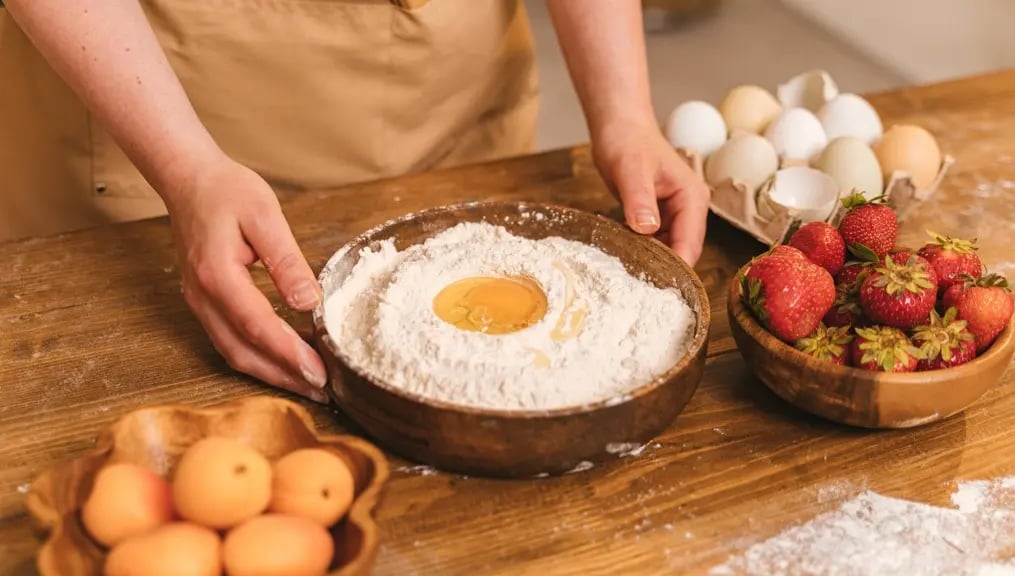
In a classic plum cake recipe, rum is always present; the dark variety is still the most commonly used liqueur. Dark rum has an intense and rich molasses flavor, which complements dried fruit and spices.
In addition to dark rum, aged rum has a greater depth of flavor than lighter rums. Spiced rums can also be used to add a level of flavor.
While there are some traditional recipes that use wine in place of rum, they are usually made using fortified wines such as port or sherry to enhance sweetness and richness. As a result, many traditional plum cake recipes use fortified wine.
Non-alcoholic options are available. Soaking the fruits in orange juice or grape juice is an alternative to rum and will soften the fruits while providing mild acidity, but it will not change the texture of the cake.
Making the Perfect Caramel Syrup
The traditional plum cake gets its dark color and slightly bitter sweetness from the use of caramel syrup.
Caramel syrup is produced by placing 100 g of sugar in a saucepan and heating it slowly until it is a deep brown color, at which time it has become caramel. Afterwards, 60 ml of hot water is added to create a smooth and pourable caramel liquid.
When the syrup is added to the cake batter, it adds color to the batter but will also balance the sweetness of the fruit and sugar. In fact, many traditional bakers believe that caramel syrup is necessary for creating the classic look of a true rich plum cake.
The following recipe will produce a quality and magnificent 8-inch rich plum cake.
Ingredients for a Rich Plum Cake Recipe
For Soaking the Fruits
- 250 g chopped mixed dry fruits (raisins, currants, candied peel, chopped dates)
- 120 ml dark rum
- 1 tablespoon flour (about 10 g), for coating the soaked fruits
For the Caramel Syrup
- 100 g sugar
- 60 ml hot water
For the Cake Batter
- 200 g unsalted butter, softened
- 200 g brown sugar
- 4 eggs
- 1 teaspoon vanilla extract (5 ml)
- 250 g all-purpose flour
- 1 teaspoon baking powder (5 g)
- ½ teaspoon cinnamon powder (2 g)
- ¼ teaspoon nutmeg powder (1 g)
- ¼ teaspoon clove powder (1 g)
- Prepared caramel syrup (from above)
- 50 g chopped nuts (cashews or almonds)
For Finishing
- 1 tablespoon rum (15 ml), for brushing the warm cake
Step-by-Step Traditional Plum Cake Recipe
Step 1: Soaking the Fruits
Mix 250 g chopped dry fruits (raisins, currants, candied peel, and chopped dates) in a bowl, and pour 120 ml dark rum onto the fruit. Stir the dark rum through the chopped dry fruit to coat the fruit.
Cover the bowl with a film or a lid and place the bowl in a cool place away from sunlight. Allow the mixture to soak for a minimum of 24 hours. Some bakers choose to soak the chopped dry fruit for up to 1 week or longer. This increases the amount of time that the fruit has to absorb flavor and will soften more evenly.
When combining the soaked mixed dry fruit into the batter of the cake, it is suggested to use 1 tablespoon of flour (about 10 g) to coat the soaked mixed dry fruit prior to adding it to the batter. This will provide an even distribution of the soaked mixed dry fruit throughout the mixture as the cake will be baked.
Step 2: Preparing the Batter
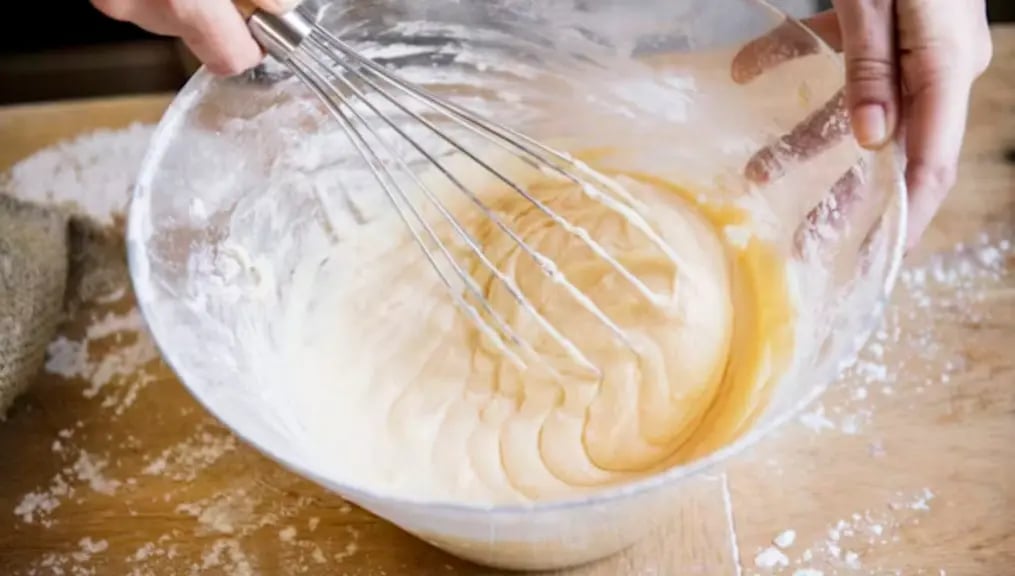
Prepare the caramel syrup before you start preparing your cake batter. Place 100 g sugar in a small saucepan and over medium heat, allow the sugar to turn into a dark brown-colored syrup. When the syrup has turned to the color of medium-dark brown, carefully add 60 ml of hot water to the syrup and stir with a metal spoon until combined. Allow the caramel syrup to cool to room temperature.
Preheat the oven to 160ºC or 320ºF and line the base of an 8" round cake tin with baking paper.
In a mixing bowl, cream 200 g soft butter and 200 g brown sugar together until light and fluffy. The creaming action incorporates air into the mixture, making it fluffier, which improves the texture of the finished cake.
Add 4 eggs, one at a time, and continue to mix to keep the batter smooth, so the egg does not curdle while you are adding it to the cake mixture.
Blend in 1 teaspoon vanilla extract (5 ml). Next, combine and mix 250 g all-purpose flour, 1 teaspoon baking powder (5 g), ½ teaspoon cinnamon (2 g), ¼ teaspoon nutmeg (1 g), and ¼ teaspoon cloves (1 g) in a separate bowl.
Slowly combine the dry mixture with the butter mixture; mix until just mixed in with the butter. Mixing too long at this point could spoil your cake and create a dense product due to gluten. Next, mix in the caramel syrup.
Finally, blend in the soaked fruits and 50 g chopped nuts (cashews or almonds) into your cake batter.
Step 3: Baking to Perfection
Pour the cake batter into the prepared pan; then smooth out the top.
Bake at 325F (165C) for 50–60 minutes. Plum cake batter is quite dense and will continue to cook evenly at a slower bake.
You can check whether or not your cake has finished baking using a toothpick test. Insert a toothpick into the center of the cake; if the toothpick comes out clean, it’s done baking.
Let your cake cool in the pan for about 15 minutes before transferring it to a cooling rack.
To help create an extra moist cake, when your cake comes out of the oven, lightly brush the warm cake with 1 tablespoon rum (15 ml).
Expert Tips for a Moist, Rich, Traditional Plum Cake Recipe
It is very important to use fresh ingredients when preparing a traditional plum cake recipe because using old flour, stale nuts, or dried fruit will result in poor flavor and texture.
All of your ingredients should be at room temperature because it will be easier to mix butter and eggs when they are not cold. Proper creaming of these two ingredients is also important because it adds air to the batter, resulting in even baking of your fruitcake.
Spices such as cinnamon, nutmeg, clove, or allspice that deliver a warm spice flavor will provide the familiar holiday aroma of fruitcakes.
The color of the cake is also created by caramelized sugar, which contributes a slight bitterness to balance out the sweetness from the dried fruits.
When mixing in flour, do not mix too long. Too much mixing will activate gluten in the flour and create a tough texture for the cake. Only mix until the ingredients are just combined.
Baking at low temperatures is also important for a dense cake so that the center of the cake has time to cook completely.
Some bakers will use the technique of "feeding" the cake after it has been baked. After the cake has cooled for a short time, they will poke holes all over the surface of the cake and brush several teaspoons of rum over it. The cake absorbs this liquid as the top dries out, resulting in a very moist cake.
An additional method to make the cake more flavorful is to let it "mature." After wrapping the cake well, leave it for several days or weeks; this will improve the flavor of your cake.
Storage and Shelf Life: How to Mature Your Plum Cake
Plum cakes are products of bakers that can mature over time with proper storage.
To store the finished cake correctly, it should be allowed to cool fully and then wrapped well with both parchment paper and aluminum foil. Wrapping properly prevents moisture from escaping from the cake.
After the cake has been wrapped, place it in an airtight container in a cool, dark location for storage.
If the cake contains alcohol, it can be matured for an additional period of time; many bakers apply (brush) 1-2 tablespoons of rum on the cake every week throughout the aging process to keep the cake moist and extend its shelf life.
Fruit cakes that have been properly stored can continue to be blended/flavorful for a period of 2-3 months.
Frequently Asked Questions
Can I make this plum cake without alcohol? 
Yes. Use orange juice or grape juice instead of rum when soaking the dry fruit; you can soak for less time, usually overnight.
Why did my fruit cake sink in the middle?
There are various reasons for this. It may have been baking at too high a temperature, and/or you may have opened the oven door too soon after putting the cake into the oven, or there could have been too much baking powder.
How long should I soak the fruits?
A minimum of 24 hours works well, but for a more intense taste of the fruit, you may need to soak them even longer, up to one week or even one month before baking.
Can I use fresh plums instead of dried fruits?
No. Traditional plum cakes are made with dried fruit such as raisins and prunes. The fresh plums will produce more moisture and will affect the texture of the cake.
Like This Article?
More Like This


Popular Articles


Trending Web Stories


Curated Recipes