




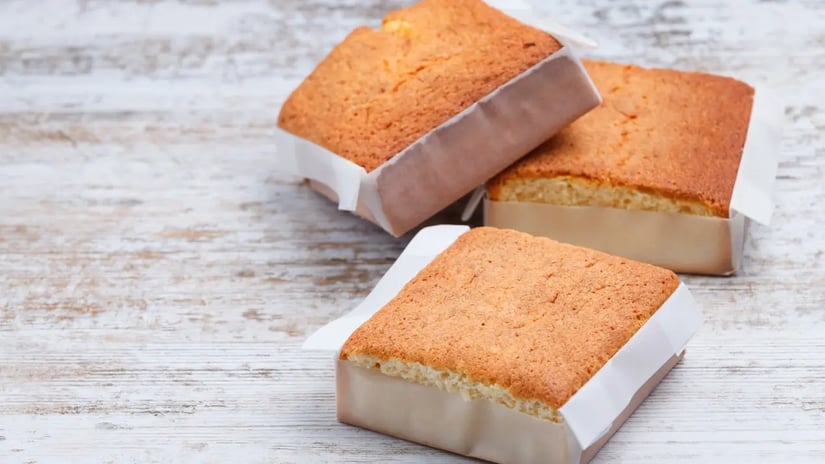


Wondering how to better your sponge cake game? Try this Castella cake recipe. Here, the sweetness of honey meets the softness of meringue like never before.
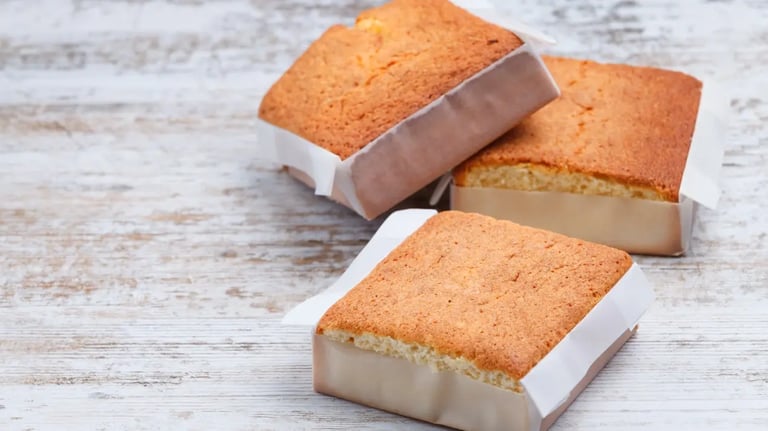
This popular Japanese Castella cake with a rich Portuguese origin is best defined as a fine, moist, and slightly bouncy sponge cake carrying a rich honey flavor and a deep golden-brown crust. Unlike the regular sponge cakes, this castella cake recipe contains neither oil nor butter. Here, the egg and sugar meringue does all the magic. Made with simple ingredients like flour, eggs, sugar, milk, and honey, this sponge cake is an absolute crowd-pleaser.
Particularly enjoyed for its incredibly moist, fluffy, and bouncy texture, this cake features a caramelized brown top paired with a subtle sweetness coming from honey. The signature Nagasaki-style recipe also includes a Japanese starch syrup (mizuame). Before getting into the ingredients and the recipe, here’s a look at the cake’s origin.
History Of Castella Cake
Deeply rooted in the 16th-century Portuguese culture, these modern-day Japanese Castella cakes evolved from the Kingdom of Castilla. It is believed that these sponge cakes were served by Portuguese priests to those who were likely to convert and church members.
History says that the delicious cake made its way to Japan’s Nagasaki during the Muromachi Period in the 16th century when Portuguese merchants and missionaries made it available to foreign traders.
The original version, which was particularly popular amongst the sailors, earlier had a name called ‘pao de lo’. Later, it evolved significantly to become a Nagasaki specialty. While the initial version only included eggs, flour, sugar, and salt, the later additions of milk, starch syrup (optional), and honey turned this into everyone’s favorite.
Castella Cake Recipe: Ingredients
-
1 cup bread flour
-
4-5 large eggs
-
¾ cup granulated sugar
-
2 tbsp honey
-
1 tbsp water
-
1 tbsp milk
Castella Cake Recipe: Step-By-Step Guide
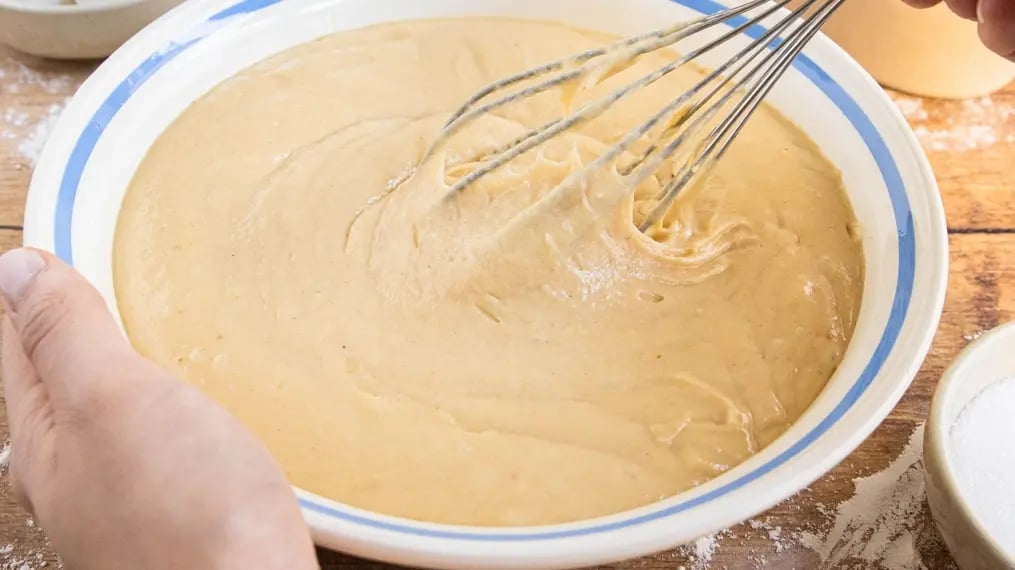
Step 1: Start by whipping eggs and sugar over a hot water bath. Whip until it turns all thick and fluffy and forms a meringue-like texture.
Step 2: Next, mix honey with water and gently fold it into the egg mixture. Add the sifted flour as well and mix until just combined.
Step 3: Preheat the oven to 150°C and prepare a pan by lining it with parchment paper.
Step 4: Pour the cake batter into the pan (ideally, a rectangular loaf pan). Make sure it has no air bubbles.
Step 5: Bake the cake batter for 50-70 minutes, or until a toothpick comes out clean.
Step 6: Once the cake comes to room temperature, wrap it in plastic film and refrigerate it for 12 hours to ensure a moist texture.
7 Tips & Tricks For A Perfect Castella Cake
Make sure the meringue is stable: Whip the eggs and sugar on medium speed, as this ensures a stable and silky meringue. This recipe largely relies on the meringue as it helps hold the whole cake together.
Water bath for moisture level: To prevent the cake from drying, one may simply place the cake pan in a larger pan filled with hot water.
Prevent cracks on top: If the top of the cake browns too quickly, cover the top of the cake pan with foil, and also avoid opening the oven door early. The temperature change often leads to a cracked cake.
Try the Japanese ‘Awakiri’ Method: This method is effective in removing air bubbles from the batter. Simply cut into the batter with a spatula and mix the batter before baking. This ensures a bubble-free and consistent texture.
12-Hour Chilling: For a perfect Castella cake, this step is non-negotiable, as a n governing of 12-hour chilling ensures perfect distribution of moisture and creates the tender texture.
Avoid shrinkage: Once the cake is out of the oven, tap the pan to release steam. Now, remove the cake and allow it to cool upside down to prevent shrinking.
Ensure even rise: To make sure the cake rises evenly in the oven, tap the pan on the counter and release large air bubbles from the batter before it goes into the oven.
Conclusion:
Try this classic Castella cake recipe at home to give your regular sponge cake a meringue and honey-based twist. Serve it warm, either with some whipped cream on top or a scoop of vanilla ice cream, and let the guests enjoy the Jaoanese-Portuguese delicacy like never before.
Like This Article?
More Like This

Popular Articles