








Discover 5 chocolate Indian desserts with a modern twist, including sandesh, rosogolla, barfi, laddoo, and peda. Try modern Indian fusion desserts at home today!
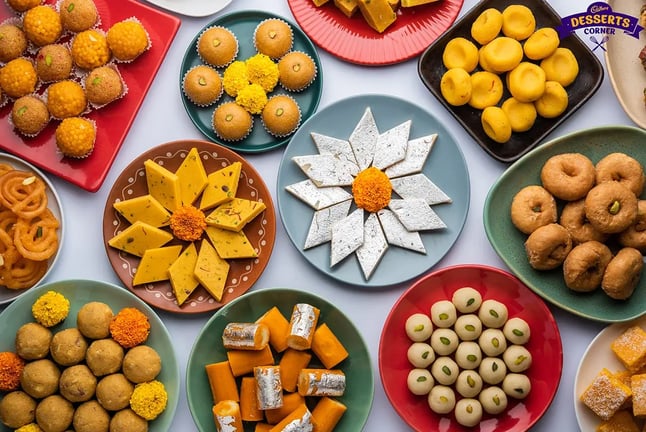
Indian sweets have always relied on a few core techniques: kneading chhena, simmering sugar syrup, and reducing milk, and each of these adapts surprisingly well to the addition of chocolate. This collection of chocolate Indian desserts takes five beloved classics, sandesh, rosogolla, barfi, laddoo, and peda, and reworks each one with cocoa or melted chocolate folded directly into the process, creating a modern fusion twist that still respects the techniques that these sweets were built on.
The result is a selection of desserts that seem truly new but without losing what made the originals so durable in the first place. This is because the flavor and behavior of chocolate can vary so much depending on the quality and percentage of cocoa. Getting these recipes right also depends on knowing how to melt chocolate properly, a skill covered in detail toward the end of this guide, making sure that whichever of these five desserts you choose to try, the chocolate itself turns out smooth and evenly incorporated.
Why Chocolate Works So Well in Indian Desserts
A natural match for dairy bases
A lot of Indian sweets are based on milk, chhena, or khoya, and chocolate’s own dairy-like richness melds surprisingly well with those bases. Melted chocolate or cocoa powder deepens and rounds out the flavor, rather than competing with the milky sweetness that is already present, adding complexity without needing a total revision of the traditional recipe or technique for preparing it.
Balances out the sweetness with a bit of bitterness
Traditional Indian sweets tend to be quite sweet—and chocolate, especially dark chocolate, has a bitterness to it that helps cut through that rather than add to it. This balance prevents fusion desserts from tasting one-dimensionally sugary, creating a more layered, grown-up flavor profile that still feels indulgent and celebratory.
Warm Spices Compliments
Cardamom, saffron, and nutmeg are all staples in Indian sweet-making, and they go surprisingly well with the warm, slightly earthy notes of chocolate. Instead of vying for attention, these spices and chocolate usually work to enhance one another, producing a dessert that’s more aromatic and complex than either could accomplish completely on its own in a traditional recipe.
Provides Visual and Textural Contrast
Chocolate coatings, cocoa dustings, and dark chocolate swirls all provide a visual contrast to the pale, milky tones typical of many Indian sweets. The contrast lends fusion desserts a more unique, contemporary appearance and differentiates them from traditional desserts on a dessert table without the need for elaborate decoration.
Reaching a Broader Audience
Chocolate’s near-universal popularity means these fusion desserts tend to be more appealing to a broader range of guests, especially younger family members or those less familiar with traditional Indian sweets. The wider appeal makes chocolate-studded versions a practical choice for gatherings of mixed ages and tastes.
5 Modern Indian Fusion Desserts To Try
1. Chocolate Sandesh

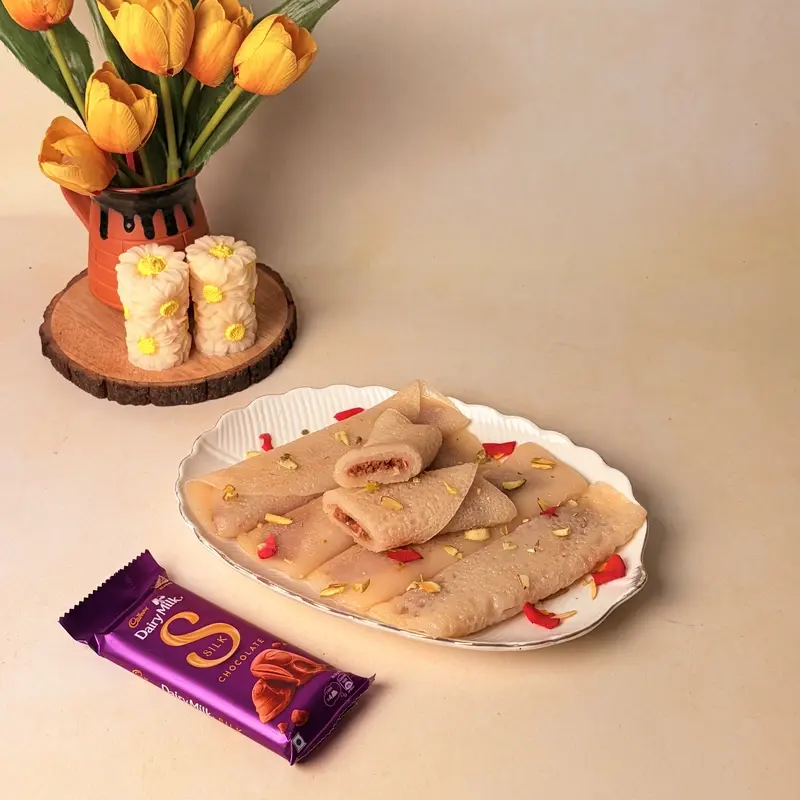
This classic Bengali sweet blends chocolate with the sandesh's signature ingredients of chhana or curdled milk solids, sugar, and pistachio nuts to top it off, in a true Bengali mishti shop fashion. The best is you can make your own chocolate sandesh at home! Pieces of dark chocolate are kneaded into the chhena before shaping into their flattened forms. Each bite is chocolatey and soft and will satisfy your sweet tooth. The pistachio and chocolate combine to create an indulgent flavor medley that transports sandesh to new heights.
2. Chocolate Rosogolla
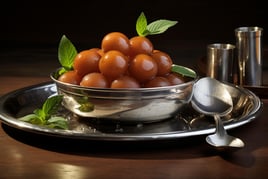
You want your chocolate rosogollas to be quick and effortless, and so do we. Ditch the usual hours of work that halwais put in and go for a simpler one. To make the chocolate rasgullas, milk is boiled with lemon juice to curdle it, then strained to form a soft paneer-like dough. Cocoa powder is kneaded into the dough and rolled into smooth balls. Meanwhile, the chashni or sugar syrup is prepared by simmering water, sugar, and cardamom pods. The rasgulla balls are slowly added to the simmering chashni and cooked for 10 minutes. As they absorb the sweet flavored liquid, the rasgullas take on a soft texture with the cocoa imparting a chocolate flavor. Once cooled, the chocolate rasgullas are removed from the chashni, making for a unique mishti that ups the sweetness quotient of this classic Bengali mishti.
3. Chocolate Barfi

This milk-based fudge, with its trademark nutty taste, gets even richer, with chocolate and the recipe for chocolate barfi is easy. Sweetened condensed milk, butter, cashews, sugar, and cocoa powder are heated on a non-stick pan and then poured onto a baking sheet-lined container to set. Once firm, the barfi is cut into squares and dusted with cocoa powder (optional). Buttery and dense, this barfi is a chocolatey indulgence in every bite.
4. Chocolate Laddoo

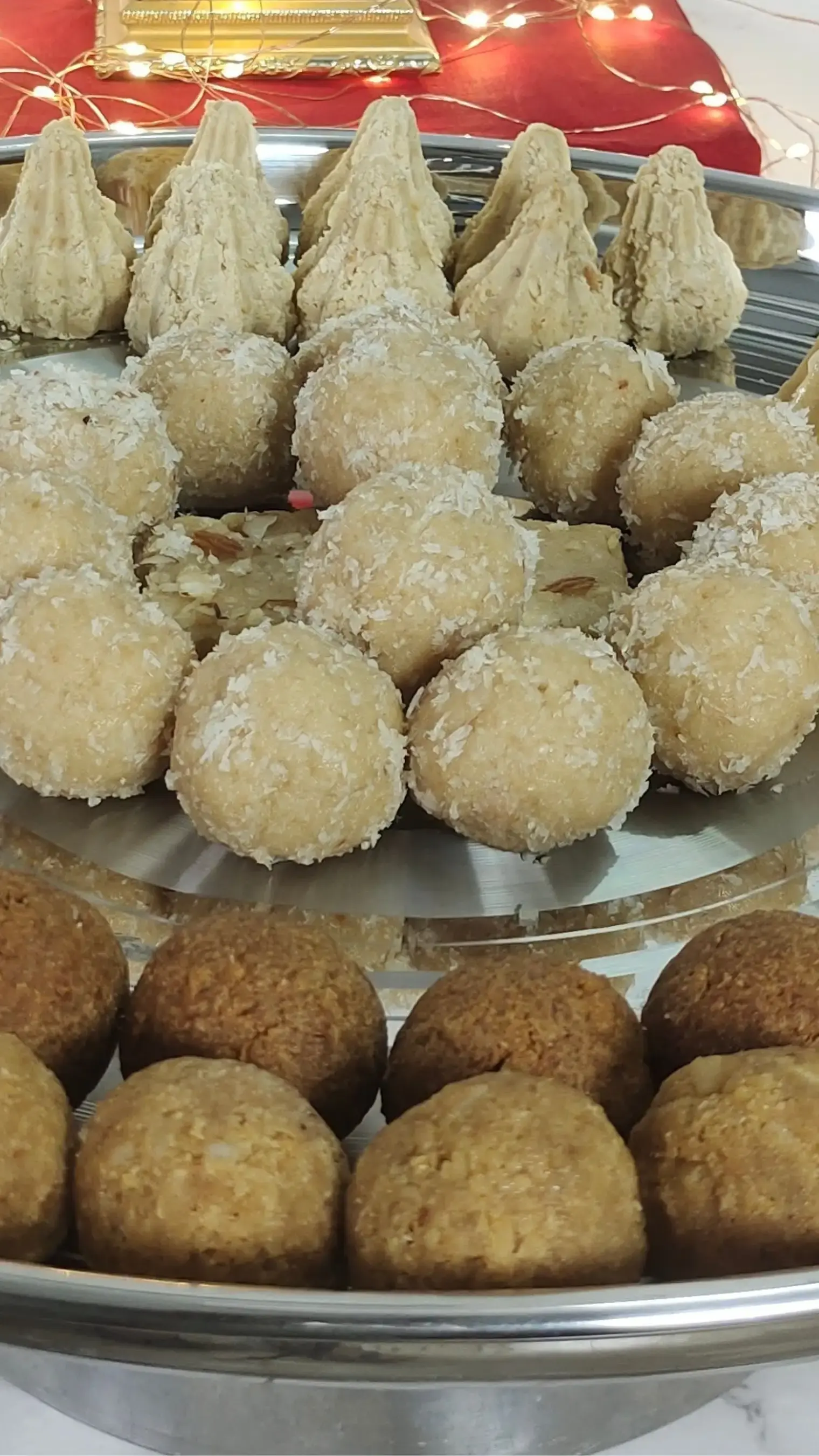
Chocolate laddoos are a sweet twist to the traditional laddoo that is a staple in prasad and puja offerings. The recipe for chocolate laddoo is not too difficult, and simple enough for any home cook to make. Where regular laddoos contain besan (gram flour), nuts, and dried fruit, chocolate laddoos use grated coconut, condensed milk, and cardamom. These form the base, which is then molded into small ball-shaped laddoos. A rich chocolate coating and a pinch of cardamom powder take these treats to the next level.
5. Chocolate Peda

The addition of cocoa powder is what gives a lovely chocolate taste to the milk pedas. The traditional pedas involve an elaborate cooking process, however, they can be made quicker too. The instant ones are equally rich, and delicious, with a melt-in-the-mouth texture, and can be prepared well within 30 minutes. To make them, melt butter in a pan and add milk powder, dark cocoa powder, and condensed milk. Stir over low heat for 10-12 minutes until the mixture leaves the sides of the pan. Transfer to a plate greased with ghee and shape into balls using ghee-coated hands. Flatten them slightly for the trademark peda shape.
Tips for Melting Chocolate for Indian Desserts
- Chop chocolate into 1⁄2 cm or smaller pieces for even melting. Larger pieces may not melt smoothly.
- Use a double boiler method—place a bowl over a pan of simmering water making sure the water doesn't touch the bottom of the bowl.
- For 100 gm chocolate, use 1-2 tbsp ghee or oil in the double boiler. This helps chocolate melt smoothly.
- Stir continuously with a spatula until 3⁄4 melted. Remove from heat and stir until fully smooth.
- For the microwave, heat 50 gm chocolate at a time on 50% power for 20-second bursts, stirring in between.
- Take care not to scorch the chocolate. Remove from heat slightly before it looks fully melted and it will finish melting off heat.
Frequently Asked Questions
What are the best Indian desserts with chocolate? 
Chocolate sandesh, chocolate barfi, and chocolate peda are the most popular, blending the traditional textures with the rich, familiar taste of chocolate.
Which traditional sweets can be made with chocolate?
Sandesh, rosogolla, barfi, laddoo, and peda all pair well with chocolate, as their milk- or chhena-based structures easily accept cocoa or melted chocolate.
How do you melt chocolate properly for mithai?
To prevent overheating, use a double boiler with a little ghee, stirring constantly, or microwave in brief bursts of 20 seconds at 50% power.
Can chocolate be added to prasad sweets?
Yes, chocolate kalakand and chocolate peda are commonly made as prasad, bringing a familiar flavor while maintaining the traditional format of the offering.
Like This Article?
More Like This



Popular Articles


Trending Web Stories



Curated Recipes