







Explore chocolate’s global journey, from cocoa history to modern desserts, discover cultural traditions, unique recipes, and how chocolate shapes celebrations worldwide.

Introduction
Chocolate is one of the most universally loved foods, cutting across borders, cultures, and generations. Its journey from a sacred drink to a global indulgence reflects a fascinating cocoa history shaped by tradition, trade, and innovation. From ancient civilizations to modern kitchens, chocolate culture has evolved into a powerful symbol of celebration, comfort, and creativity.
Today, chocolate around the world is not just about taste; it represents emotion, identity, and shared experiences. Whether gifted during festivals, enjoyed as desserts, or used in gourmet creations, chocolate has secured a special place in everyday life. Its versatility is unmatched, with countless chocolate uses ranging from beverages and confectionery to culinary experiments and artistic expressions.
What makes chocolate truly remarkable is its ability to adapt across cultures while maintaining its core essence. From ceremonial cacao drinks in history to luxurious desserts in contemporary cuisine, it continues to connect people globally. This journey of cocoa, from bitter beginnings to sweet indulgence, highlights its enduring influence on human culture, making it much more than just a food item.
Chocolate’s Historical Roots and Cultural Origins
The history of chocolate is related to the ancient Mesoamerican civilization places like the aya and Aztecs. Cocoa is considered a scarce commodity in these places. They use it in rituals, and it is even considered a form of currency. Cocoa was originally used as a drink that was mixed with spices. Cacao has deep spiritual and cultural significance in ancient Mesoamerican civilizations. Further, with the introduction of European recipes, sugar was added to make a sweeter version. This chance marked the start of chocolate culture around the world.
Chocolate as a Global Cultural Symbol
Over time, chocolate has become a universal symbol of love, celebration, and hospitality. It is deeply woven into gifting traditions across cultures, especially during occasions like Valentine’s Day, Easter, and Christmas. Its ability to evoke joy and comfort makes it a meaningful expression of affection. Chocolate around the world is often associated with special moments, whether shared with loved ones or enjoyed as a personal indulgence, strengthening its place in global chocolate culture.
European Influence and Global Expansion of Chocolate
When chocolate reached Europe, it quickly became a luxury enjoyed by royalty and elites. Chocolate houses became social hubs in cities like London and Paris, where people gathered to discuss ideas. With advances in industry, chocolate production became more accessible, enabling it to spread widely. This expansion played a crucial role in shaping chocolate culture and establishing it worldwide as a staple for both everyday consumption and special occasions.
Chocolate in Festivals and Celebrations Around the World
Chocolate plays a significant role in celebrations globally, enhancing festive experiences with its richness and versatility. From gift boxes during holidays to elaborate desserts at weddings, its presence signifies joy and indulgence. Chocolate uses in festivals range from traditional sweets to modern creations, reflecting local tastes and customs. Across cultures, chocolate around the world continues to symbolize togetherness, making it an essential part of both traditional and contemporary celebrations.
Chocolate in Art, Literature, and Modern Pop Culture
Chocolate has long been a symbol of indulgence and temptation in literature and art. It often represents comfort, luxury, and emotional escape. In modern pop culture, chocolate is portrayed as a source of happiness and stress relief, reinforcing its emotional connection with people. This cultural representation further strengthens chocolate culture, making it not just a food but a powerful metaphor for pleasure and satisfaction.
Chocolate Across Global Culinary Traditions (Expanded Points)
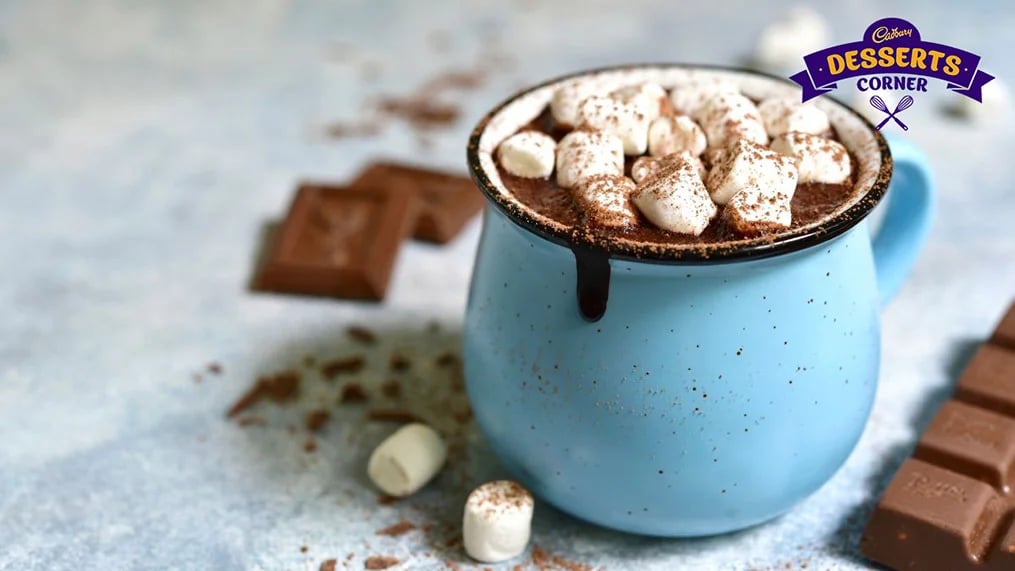
France: Refined Chocolate Desserts
France is known for sophisticated chocolate uses such as mousse, ganache, and fine patisserie desserts. These creations highlight precision, texture, and rich flavors, making chocolate an essential part of French culinary artistry.
Switzerland: Premium Chocolate Craft
Switzerland is famous for its smooth milk chocolate and fondue traditions. Swiss chocolate emphasizes quality, craftsmanship, and innovation, making it a global benchmark in chocolate culture.
Mexico: Spiced Chocolate Heritage
In Mexico, chocolate retains its traditional roots with dishes like mole sauce, where cacao is blended with spices. This reflects the deep cocoa history and cultural heritage of the region.
India: Fusion Chocolate Sweets
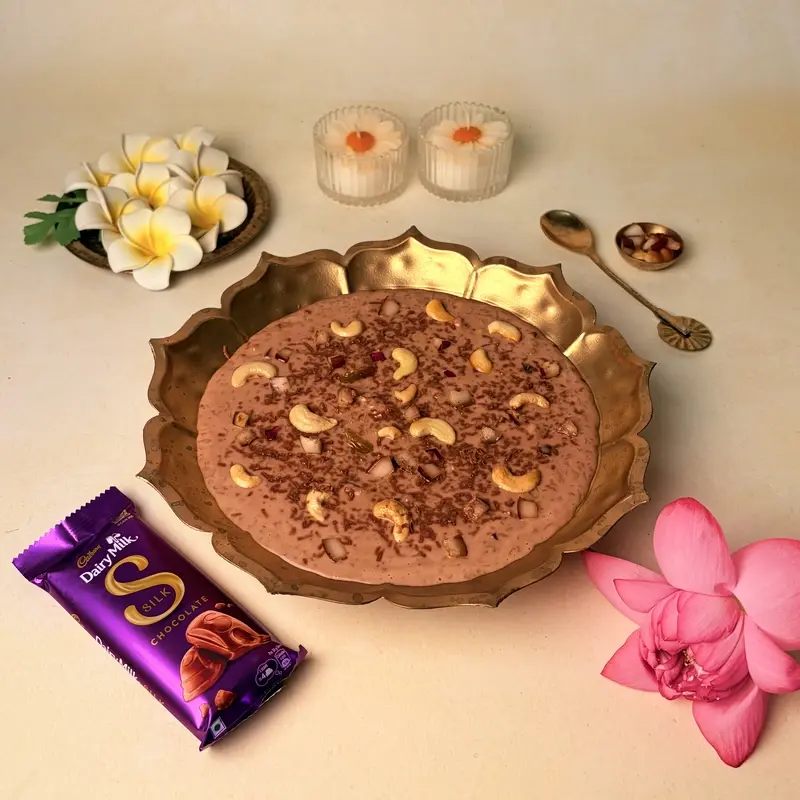
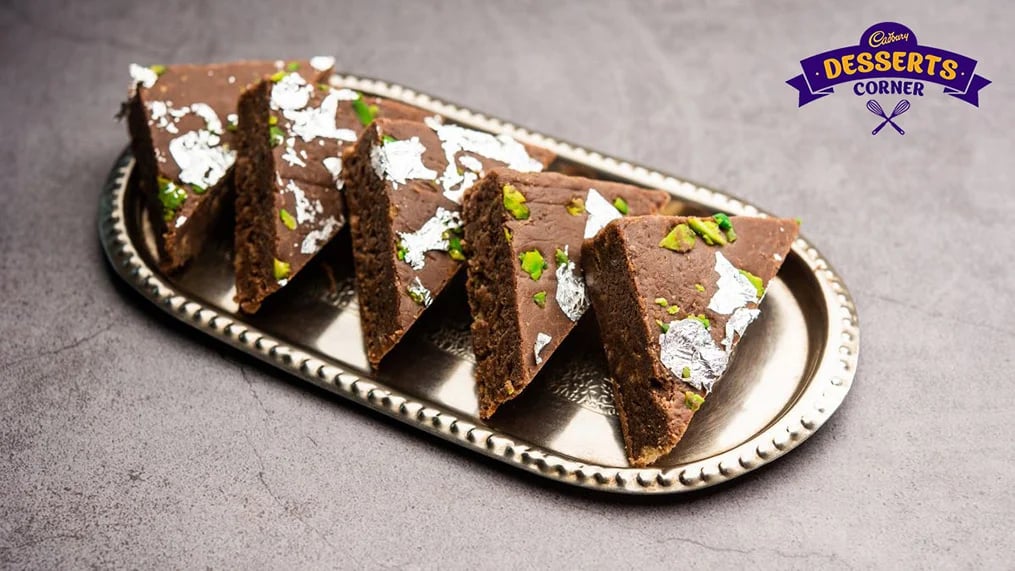
India incorporates chocolate into traditional mithai and modern desserts, creating unique fusion treats. These chocolate uses blend local flavors with global influences.
Japan: Innovative Flavor Pairings
Japan experiments with unique combinations like matcha and chocolate, creating seasonal and artistic desserts that reflect creativity and precision.
Brazil: Cocoa-Based Confections
Brazil’s brigadeiro is a popular chocolate sweet, showcasing how chocolate around the world adapts to regional tastes and simple ingredients.
Chocolate as a Social and Emotional Connector

Chocolate is deeply associated with emotions, often symbolizing comfort, love, and celebration. It is widely used in gifting to express appreciation and affection. Sharing chocolate desserts strengthens relationships and creates memorable experiences. Across cultures, chocolate culture thrives on this emotional connection, making chocolate a powerful way to form social bonds that bring people together during both joyful and challenging times.
Chocolate Industry and Global Economic Influence
Chocolate is a major global commodity that supports millions of livelihoods, particularly in cocoa-producing regions like West Africa and South America. It plays a significant role in agriculture and global trade. The demand for chocolate around the world continues to grow, influencing economies and shaping the confectionery industry. The cocoa history also reflects how trade and innovation have transformed chocolate into a global economic force.
Ethical, Environmental, and Cultural Concerns
Despite its popularity, chocolate production raises important concerns about sustainability and ethical sourcing. Issues such as deforestation and unfair labor practices have led to increased awareness about responsible cocoa farming. Consumers today are more conscious of chocolate uses and sourcing practices, encouraging brands to adopt fair trade and environmentally friendly methods. This shift is essential for preserving both cocoa history and the future of chocolate culture.
Conclusion
Chocolate is more than just a sweet treat—it is a cultural force shaped by history, tradition, and innovation. From ancient rituals to modern desserts, its influence spans across societies, making chocolate around the world a timeless symbol of connection, creativity, and indulgence.
Frequently Asked Questions
Why is chocolate important in different cultures? 
Chocolate represents celebration, comfort, and luxury across cultures. It is widely used in festivals, gifting traditions, and desserts, making it a key part of global chocolate culture.
Where did chocolate originally come from?
Chocolate originated in ancient Mesoamerican civilizations like the Maya and Aztecs, where cacao was used in rituals and as currency, forming the foundation of cocoa history.
How is chocolate used around the world today?
Chocolate uses include desserts, beverages, gifting, and culinary creations. Different cultures adapt it into unique recipes, showcasing chocolate around the world in diverse ways.
What are the main concerns about chocolate production?
Major concerns include ethical sourcing, environmental impact, and fair treatment of farmers. Sustainable practices are now essential for preserving cocoa history and supporting chocolate culture.
Like This Article?
More Like This




Popular Articles


Trending Web Stories


Curated Recipes