

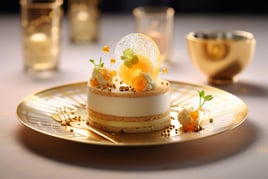



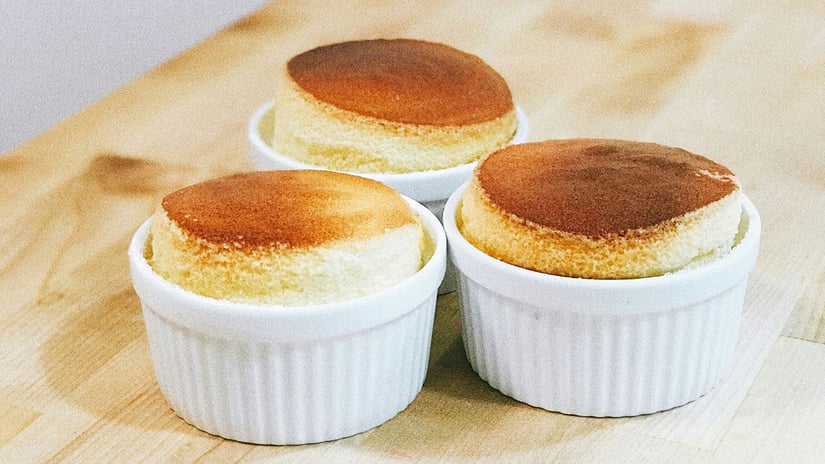


A soufflé is a popular French dish created by mixing whipped egg whites with a flavor base, known for its airy texture and dramatic rise, around the world.
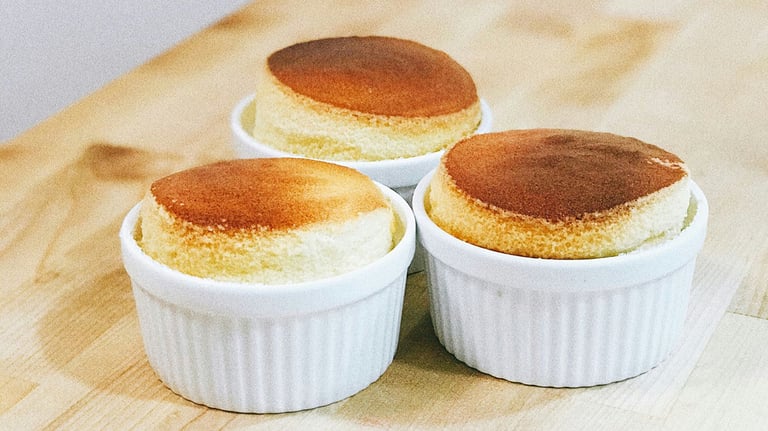
Soufflés have been around for a while, ever since baking has been using flour, eggs, butter, and milk. The term comes from the French word “souffler,” which means to puff, referring to the important role played by the egg whites in giving the dessert its muffin top. These desserts are made in single-serve cups or ramekins and are airy, and the technique is a little tricky to master. It needs just the right amount of baking time, the right balance of ingredients, and the right amount of heat for the soufflés to rise. Add chocolate to the mix, and you have the added challenge of making the batter light. So, where did this simple but a little tricky-to-master dessert come from?
What Is a Soufflé? Meaning, Texture & Why It Rises
There's a good chance you have heard of or even eaten a soufflé before, but aren't really sure of the description or meaning behind it. The term soufflé is actually derived from the French verb souffler, meaning to blow, inflate, or puff, which describes the way in which soufflés rise. Its meaning is closely related to its structure because when you whip up egg whites, you're trapping lots of small air bubbles into the eggs. Air bubbles get bigger when you heat them up, and the proteins create a light structure, causing them to stay inflated after baking. So the unique shape and light texture of the soufflé mean that they are usually very delicate and won't last long before they start to go down in size.
The History of Soufflé: From Royal French Kitchens to Modern Desserts
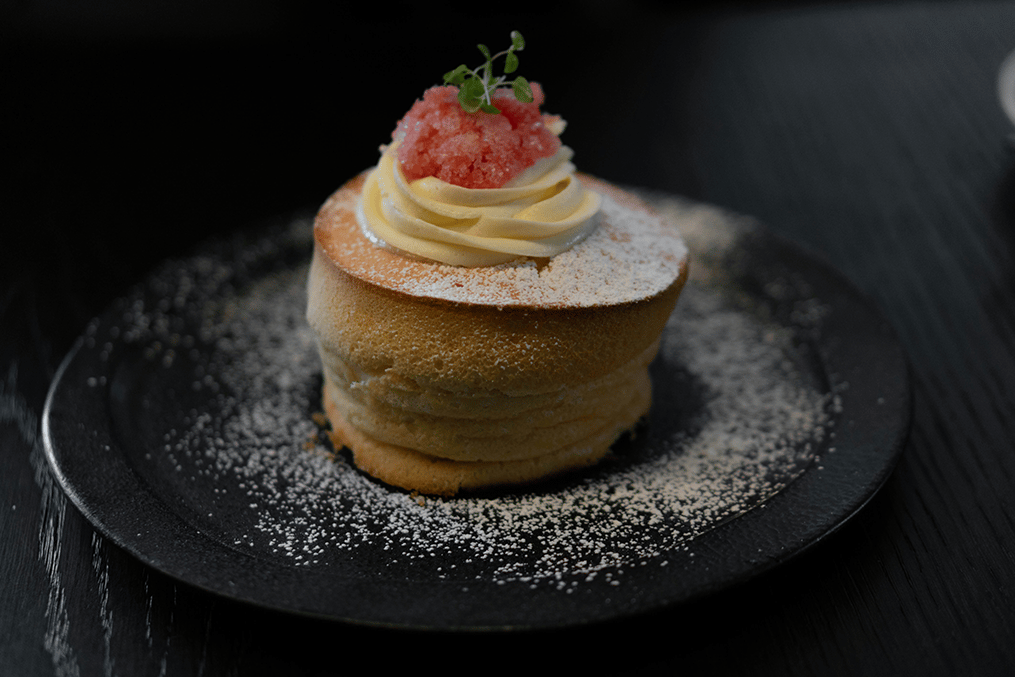
The story of the soufflé is an important chapter in French dessert history, spanning royal kitchens, early restaurants, and modern fine dining.
Early Origins in French Cuisine (1742–1780s)
The first documented example of this type of dish was created by Vincent La Chapelle in 1742. He published the first recipe for a soufflé in Le Cuisinier Moderne.
Rise of Soufflé in Fine Dining
Antoine Beauvilliers opened his restaurant, La Grande Taverne de Londres (1783), located in Paris, where he often used soufflé in restaurant dining. His cookbooks described these dishes to his audience.
The Birth of Chocolate Soufflé
The history of the chocolate soufflé is tied to Marie-Antoine Carême, who refined the technique of making a soufflé and created numerous sweet variations of the dish that established it as a major component of haute cuisine. Chocolate specifically became one of the most important forms of the soufflé.
Global Popularity & Cultural Influence
Soufflés gained immense popularity around the world throughout the 19th and 20th centuries across Europe and North America. The dramatic effect of a soufflé on a dining experience has established it amongst the benchmarks for high-end restaurant cuisine. Many of the most influential chefs in culinary history have paved the way for soufflés to be made at home.
The soufflé is regarded as one of the most technically challenging and elegantly presented dishes in French culinary history. It is still indicative of the French art of cooking at its highest level.
Chocolate Soufflé Recipe (Classic French Dessert)
Ingredients for Chocolate Soufflé (4 Servings)
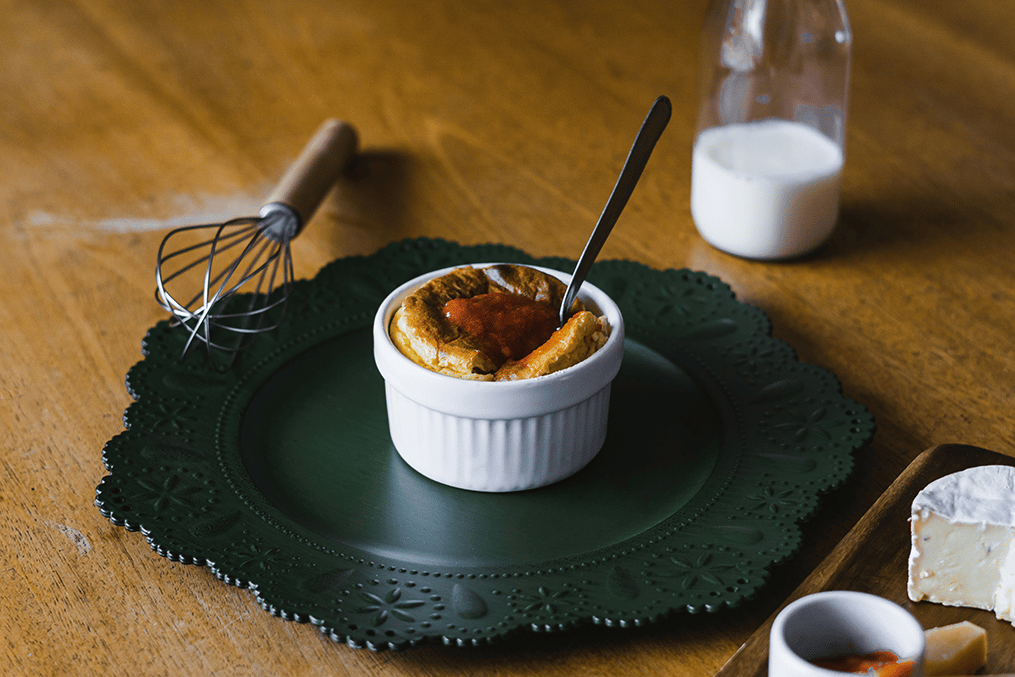
- 150 gm dark or Cadbury Bournville Dark chocolate bar (cut into small pieces)
- 30 gm unsalted butter (extra for greasing)
- 3 eggs (separated)
- 40 gm granulated sugar (also extra for ramekins)
- 1 tsp vanilla extract
- A pinch of salt
- Powdered sugar for dusting
Step-by-Step Chocolate Soufflé Recipe
- Take the extra butter and grease 4 ramekins, and the extra sugar and coat the insides, and set aside. Preheat the oven to 200°C.
- Take a small saucepan, pour water, and as it simmers, take a heatproof bowl, put the chocolate and butter in it, and stir with a spatula until it melts. Make sure the bowl isn't touching the water.
- Once the chocolate has melted, remove from heat, let it cool a bit, and whisk in the egg yolks, vanilla extract, and salt until completely combined. Keep aside.
- Take another bowl and whip the egg whites until creamy, and then add the sugar until light and airy.
- Fold in the egg whites into the chocolate bowl without leaving any white streaks. Do this in three batches so as not to disturb the air you've whipped into each bowl.
- Pop into the fridge for 15-20 minutes and then take it out and divide it between the ramekins. Smooth the tops and, using a thin spatula, unlatch the mixture from the sides.
- Bake for 10 minutes and watch the soufflés rise in the oven. The rise might not be dramatic, but they will definitely puff up like a golden brown crown and be a little wobbly.
- Remove from heat and serve with chocolate sauce or powdered sugar on top.
Prep Time, Bake Time & Difficulty
-
Prep Time: 30–35 minutes
-
Bake Time: 10 minutes
-
Total Time: 40–45 minutes
-
Difficulty Level: Medium
Pro Tips for Perfect Soufflé Rise
Perfectly risen soufflés are only possible if there's enough air kept in those egg whites. Be sure not to mix too much after folding, make sure the oven has been properly preheated, and serve immediately after baking for the best height and texture.
Advanced Soufflé Variations to Try
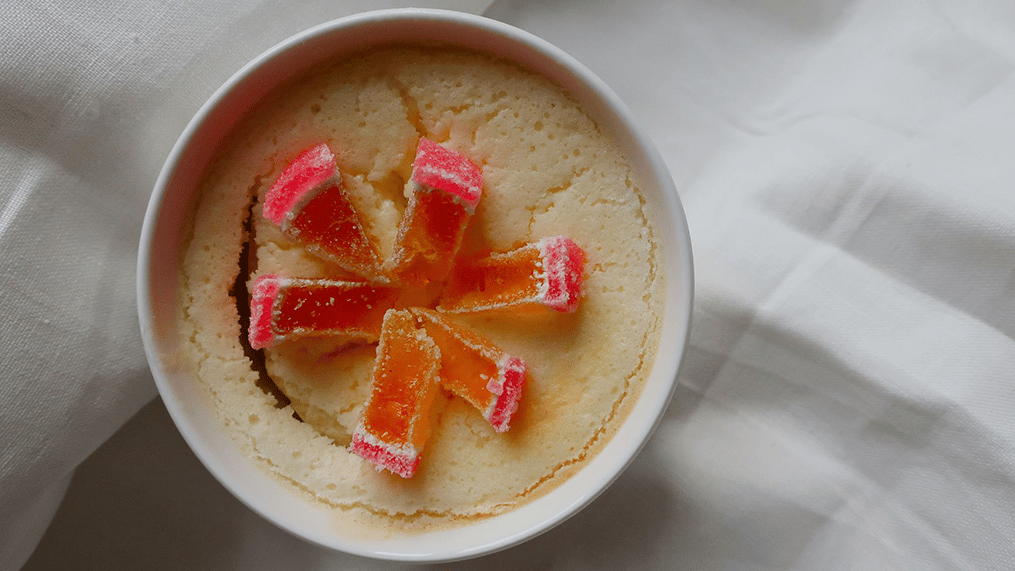
Grand Marnier Soufflé Recipe (Citrus-Flavored Classic)
This variation incorporates Grand Marnier, creating a citrus aroma that complements the airy structure. It remains one of the classic French liqueur soufflés.
Dark Chocolate Soufflé with Coffee Notes
A small amount of espresso enhances chocolate flavor without overwhelming the dessert, creating a deeper profile.
Individual Mini Soufflés for Serving
Individual mini soufflés are generally baked faster than their larger counterparts, and allow for precise portions, so chefs prepare them frequently in a restaurant setting.
Common Soufflé Mistakes to Avoid
Soufflé errors often occur when the egg whites are overmixed and create instability in the soufflé (which is the reason why folding is so important). Opening the oven too soon can affect what happens with the soufflé's rise. If the ramekins are not properly prepped, then it could also affect the soufflé's rise. Finally, if you wait too long to serve a soufflé after baking, it will lose the large visual 'wow' factor usually associated with soufflés.
Conclusion
The soufflé is one of the hallmark dishes representative of the French culinary skills. The history of the soufflé spans back through the French kitchens of the 1700s to present-day restaurants, but what is required for success in a soufflé is the ability to create a delicate balance between technical precision and creativity. There is a principle that holds in both sweet and savory soufflés, that is, the chocolate soufflé has stood the test of time, and continues to highlight the elegance and training skill of the French culinary arts.
FAQs About Soufflé
What makes a soufflé rise? 
Air is trapped when egg whites are beaten, causing they expand as they bake, resulting in the soufflé rising.
Why does a soufflé collapse?
The soufflé usually loses its height due to the steam trapped inside it cooling and causing the soufflé structure to settle.
Is soufflé difficult to make?
It is difficult due to the need for accuracy and handling of beaten egg whites, along with the proper baking techniques to achieve an acceptable end product.
Can I make a chocolate soufflé in advance?
The chocolate soufflé batter can be made ahead of time; however, soufflés are at their best if consumed right out of the oven.
Like This Article?
More Like This


Popular Articles


Trending Web Stories


Curated Recipes