











From Indian bakery buns to colorful ice creams, tutti frutti is a sweet, nostalgic gem. Its global journey and easy DIY methods make it a true pantry favorite.
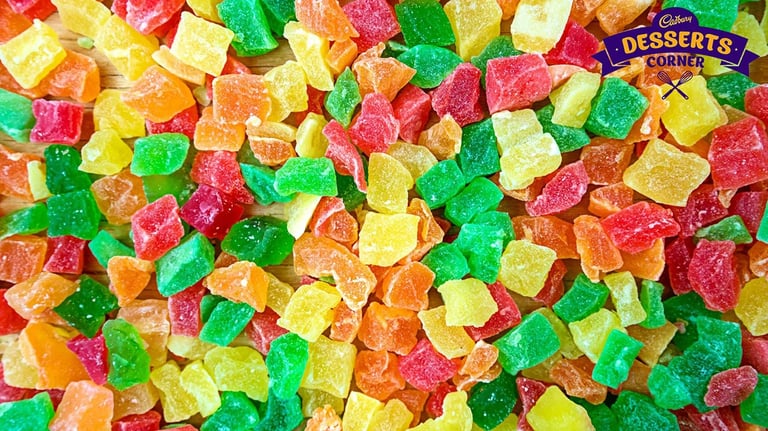
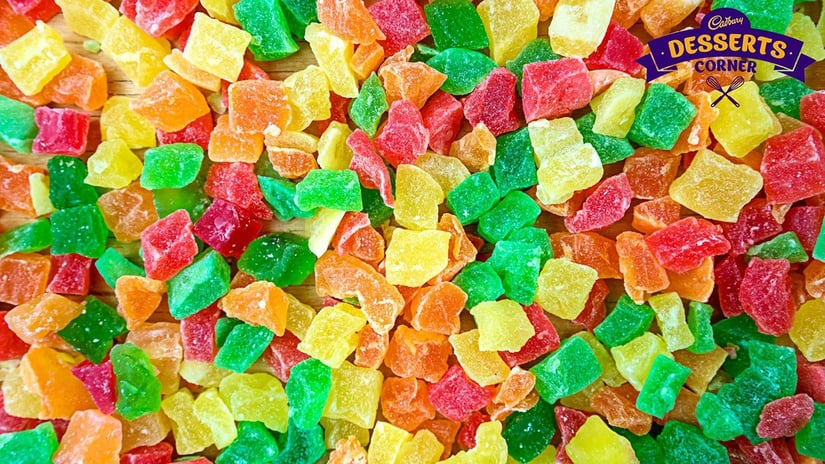
Tutti frutti is easily recognizable in many homes throughout India as bright-red and green cubes sprinkled throughout light and fluffy cakes. The presence of tutti frutti in baked desserts brings back childhood memories of going to the bakery (kept for special occasions) and of eating scoops of vanilla ice cream with little bright jewel-like pieces of fruit on top. Furthermore, tutti frutti has been present in Indian desserts for many generations.
The name "tutti frutti" originated in Italy (meaning 'all fruits'). It originally described a mixture of preserved fruits made with alcohol and sugar. Tutti frutti eventually made its way around Europe and North America, but found a totally new and unique representation in the Indian culinary world, adding raw papaya to the mix, whereas the American version used a mixture of fruit and brandy or other alcoholic beverages.
The story of tutti frutti connects the early European preservation methods of creating a mixture of fruits and other types of preserved fruit with simple American family recipes, which transformed into a unique adaptation of desserts found in Indian cuisine during the early twentieth century through various colorful variations and flavors, and is also surprisingly simple to make at home.
What is Tutti Frutti?
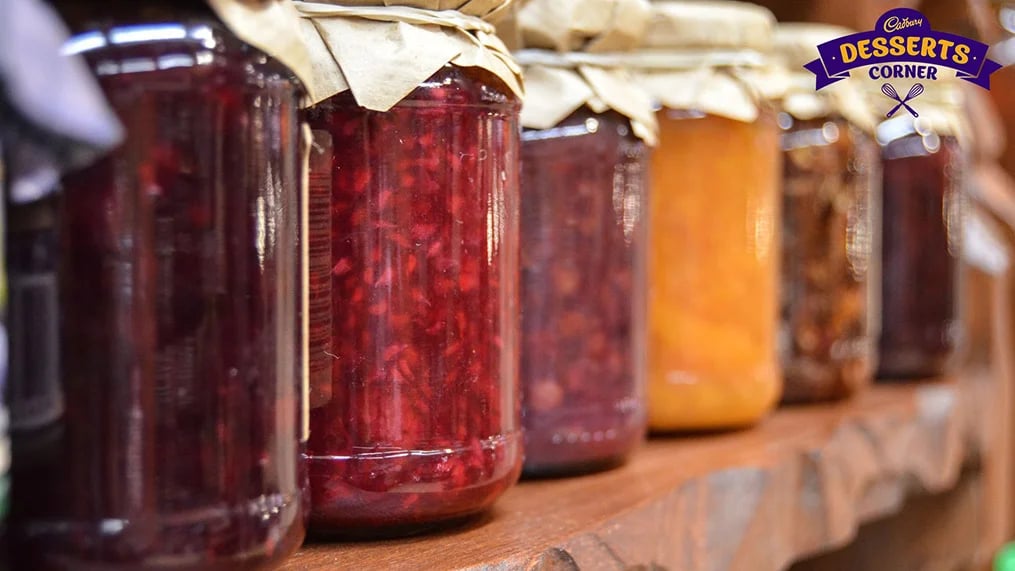
Tutti frutti is made with diced fruits that are either dried, candy-coated, or soaked in an alcoholic solution. The name "tutti frutti" comes from the Italian words "tutti i frutti," which means "all of the fruits." Traditionally, European cooks prepared a mixture of small pieces of fruit preserved in sugar syrup or brandy.
Historically, in Italy and certain areas of Europe, tutti frutti referred to the combination of preserved or candied fruit and could include pineapple, cherry, apricot, citrus peel, mango, or any other seasonal fruit. In order to preserve fruits for usage in bread, pastry, and desserts, the fruits were diced into small pieces and either sugar-coated or preserved in alcohol with sugar.
Past food history studies show that the method of preserving fruit by adding sugar and alcohol to it was very popular in Europe during the early modern era (1600–1800). Versions of "tutti frutti" also became common in the United States by the 19th century; many cookbooks and households referenced jars of fruits preserved in sugar and brandy, filling up the jars gradually throughout the summer.
A large glass jar would be filled with sugar and an alcoholic beverage by home cooks to make a mixture; then, as the season changed, different types of fresh fruit would be added to the large jar. As this process continued, over weeks and months of soaking the fruit in syrup and alcohol, the fresh fruit would absorb all the syrup and alcohol, and this resulted in preserved fruits that could be eaten during the winter. The taste of the tutti frutti mixture would vary based on the different types of fruit and the amount of time each mixture of fruit had aged.
Tutti frutti became popular in American desserts and candies in the late 1800's. According to food historians' notes, this flavour was used in both ice cream and candy during this period. Tutti frutti was also one of the first flavors to be sold in bulk at vending machines in 1888, as one of the original chewing gum flavors.
The popularity of brandy-based soaked fruit mixtures started to decline in the early 1900s due to the Prohibition Act in the United States (1920), which limited all alcohol-based creations using brandy. Therefore, recipes that were based on using brandy to preserve fruit were greatly impacted. However, as the 20th century went on, the idea of sharing 'mixed' preserved fruits as a 'friendship fruit' (a container of fermented fruit mixture that could be passed among households) occurred, which once again started to create interest among home cooks.
Even with the decline of style or variations of tutti frutti, the basic concept remains unchanged: fruits that are colorful and preserved as a mixture used in sweetening, texturing, and visually appealing a dessert.
What is Tutti Frutti Made of? The Indian Innovation: From Papaya to Candy
The Indian variety of tutti frutti is very different from the version traditionally made in Europe, where there are various dried fruits preserved in alcohol; in India, the tutti frutti contains only raw papaya that has been cut into small cubes and candied with bright food colors.
Food historians and culinary writers believe this version is a result of the limitations of food supplies and access to exotic fruits that India faced during the 20th century. Due to the cost of imported tropical fruits and/or preserved berries, these fruits were generally not available or practical for use by bakers and confectioners in India. They needed an alternative ingredient that would give the appearance and chewy consistency of candied fruit.
Raw papaya was the answer! Raw papaya has a mild flavor but has dense and firm flesh, which allows it to absorb a lot of sugar during the candying process. Additionally, once the papaya pieces have been boiled in sugar syrup and then colored with food dye, they look similar to candied fruits like cherries or other berries.
To prepare, you first need to peel the raw papaya and cut it into small cubes. Then, you need to quickly blanch the cubes in water before cooking them in the sugar syrup. After the cubes have soaked up as much sugar syrup as they can, they can be colored with food coloring dyes and then baked. The final result is a chewy, translucent product that has a brightly vibrant appearance, which is stable in baked goods.
Tutti frutti became very common in bakery items by the 90s, when local bakeries and grocery stores would keep large glass jars filled with colorful, cubed sweets/candy. They became increasingly popular among home bakers as an inexpensive way to make simple sponge cakes and desserts more festive.
In the bakery world, by the 1990s, tutti frutti had established itself across many different baked goods: sweet buns with fruit-filled centres, tea cakes with red and green inclusions, and ice creams with fruits from candy pieces. As a result, tutti frutti has secured itself as a staple in a great number of baked goods and bakery culture on a daily basis.
Although the taste of tutti frutti can be debated, there remains a strong connection between the ingredient and nostalgic childhood memories of baked goods.
How to Make Tutti Frutti at Home (Step-by-Step Recipe)
To create tutti frutti, fruit cubes must be candied in a sugar syrup and then allowed to dry. In most cases, raw papaya is used as it is easy to cut into cubes, has a good texture for candying, and will absorb flavor very well.
Here is a straightforward recipe for tutti frutti that can be made from ingredients available in the majority of Indian kitchens.
Ingredients You Need
- 500 g raw papaya
- 2 cups sugar
- 2 cups water
- 1 teaspoon vanilla essence
- Food colours (red, green, yellow)
- The above ingredients can be used to create a basic preparation of candied fruit that can be used to decorate cakes, cookies, or desserts.
Tutti Frutti Recipe
Step 1: Preparing the Papaya
Peel the raw papaya, and remove the seeds before cutting the papaya into small cubes of approximately equal size.
Bring a saucepan to a boil, and place the papaya cubes inside. Blanch the cubes for 5 minutes. During the blanching process, the cubes will begin to look slightly transparent on the outside and soften, but still be firm enough to hold their shape.
Once the papaya cubes are blanched, you are ready to proceed with making the tutti frutti from the blanched papaya cubes.
Step 2: The Sugar Syrup Process
To make the sugar syrup, dissolve the sugar in the water in the clean pot and heat until it has reached a one-string consistency. It will form a very thin string (like a hair) when pulled between two fingers.
Add the papaya pieces to the syrup and cook them for 10-12 minutes until they have absorbed the syrup and have a shiny surface. If you want to add flavor at this stage, add vanilla essence.
Step 3: Adding Color and Drying
The next step is to divide the cooked papaya pieces into bowls according to how many colors you will be making.
In each bowl, add a few drops of food color and carefully mix until all the pieces are coated. Allow the pieces to soak in the syrup for 12-24 hours so that they will soak up all the sweetness and color.
Once soaked, drain all excess syrup off the pieces and lay them out on a wire rack or baking sheet lined with parchment paper. Allow the pieces to dry at room temperature until they are no longer sticky and have a firm surface.
Make sure the pieces are not exposed to the sun directly while drying because intense sunlight will cause the colors to fade.
After drying, store the tutti frutti in a container with an airtight seal.
Culinary Uses: Cakes, Cookies, and Ice Creams
Tutti frutti is used by many bakers and confectioners in a variety of baked goods and desserts. The chewy texture and bright color provide contrast and sweetness in addition to providing a decorative finish to baked goods.
In fruit cakes and tea cakes, for example, they are typically added to the batter before baking. This is also true for holiday cakes such as Christmas cakes.
Among Indian bakeries, the popular cookie, Karachi biscuit, which is a buttery cookie with a crisp texture, often contains tutti frutti.
It is also used in sweet buns such as Dilpasand, where it is used as an ingredient in the filling. The cubes combine with coconut or sweetened mixtures to create a snack that is particularly popular in Southern India.
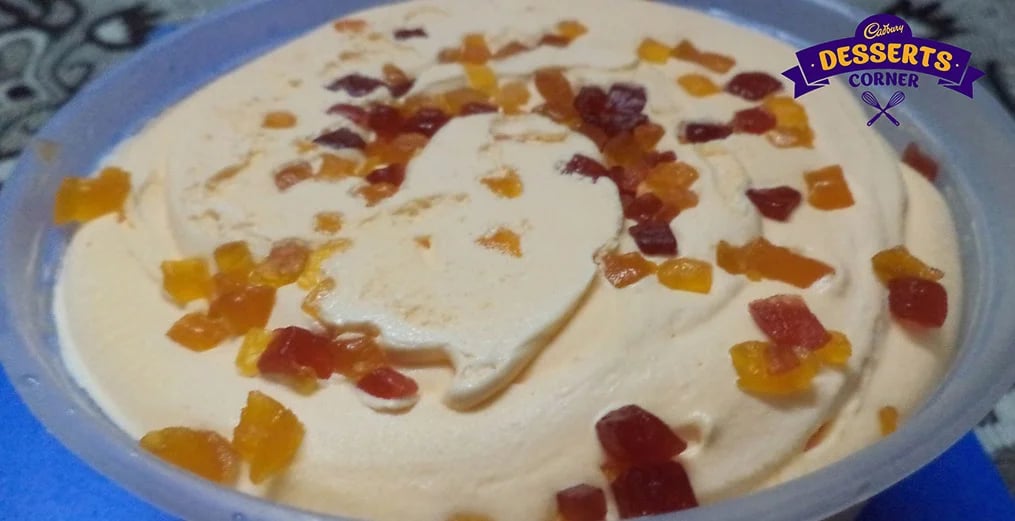
Tutti frutti is also widely used in ice cream parlors to decorate or mix into vanilla ice cream and fruit sundaes, where it adds both color and texture to otherwise plain desserts.
Other uses for tutti frutti are as follows:
- Mixing into muffin or cupcake batter
- Folding into cookie dough
- Adding to the dough for making sweet buns
- Garnishing puddings and custards
When using tutti frutti, it is best to use small amounts of the ingredient so that it does not overwhelm the flavor of the dessert base.
Frequently Asked Questions
Is tutti frutti good for your health? 
Tutti frutti is made up of sugar and raw papaya, usually used as an ingredient for desserts, and is not considered to be a healthy food choice because the candying process uses a large amount of sugar, placing it in that category as a sugary treat.
How long can we store homemade tutti frutti?
Homemade tutti frutti should be stored in an airtight container in the refrigerator, where it can last for two-three weeks. It is important to keep it sealed to avoid moisture from changing the texture of the tutti frutti.
Can we use watermelon rind instead of papaya?
Watermelon rind (the white part) can be substituted for papaya. It's also similar in texture to papaya and will have the capability to absorb sugar syrup while candying, therefore it will provide similar results to those obtained while using the papaya.
Like This Article?
More Like This

Popular Articles


Trending Web Stories


Curated Recipes


