




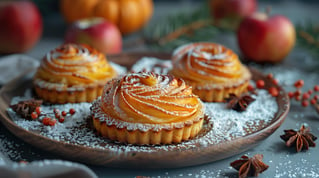


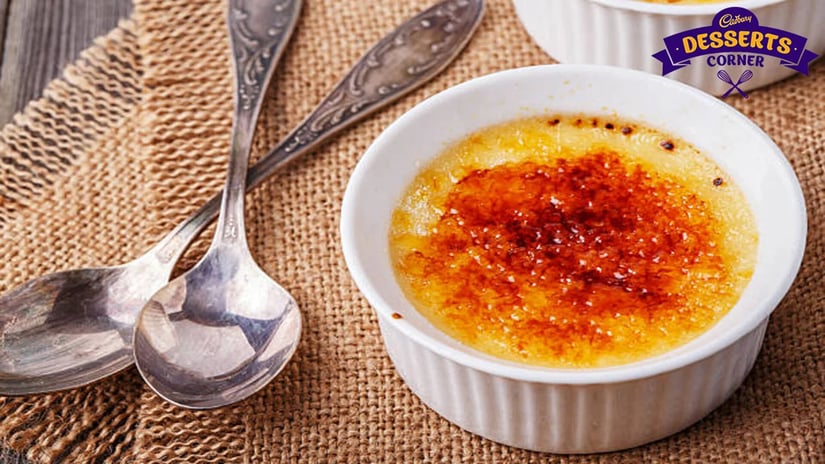


Are you a fan of custard, just like us? Your favorite dessert comes in many different forms, and in this article, we will look at its most popular variations.
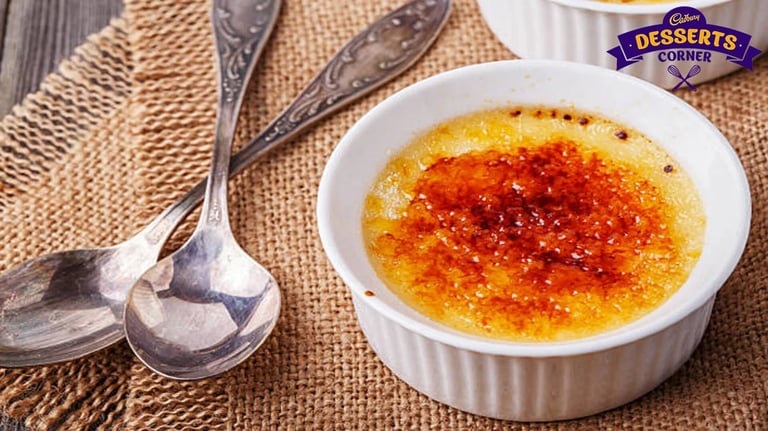
Have you ever wondered what custard is made of? Behind its elegant appearance, custard is quite a straightforward mixture. Eggs, milk or cream, and sugar combine to make something warm and comforting.
Most of us grew up with custard as a childhood favorite. It brings back memories of homemade puddings, Sunday desserts, and Christmas banquets. But what most people do not know is that there are a lot of custards out there, each made slightly differently, each one endearing in their own way. Some are dense and spoonful, some are best when poured, others are solid enough to be sliced or piped.
Used in elaborate bakery desserts or served hot at home with cake or fruit, the various forms of custard remain a favorite among generations. From classic bakes to innovative variations, custard is still at the center of most desserts. Here, we will take you through some of the most popular custard varieties, including ones that do not qualify as custards, but are close enough to be included on the list.
What is Custard Powder and How is it Used
Custard Powder is usually made from cornflour, flavoring, and food coloring, which creates a simple yet indulgent base for many desserts. When it is mixed with milk and heated, it thickens into smooth custard. It’s very popular with desserts like puddings, trifles, fruity cakes, and also for sweet fillings, which also aids in making dessert preparation easy for newbies.
Types of Custard Powder Available
Vanilla Custard Powder
Vanilla flavored custard powder has a smooth, sweet, and gentle texture that pairs well with many ingredients. It is one of the most versatile options, commonly used for fruit custard, trifles, puddings, cakes, and dessert fills. The mild vanilla taste of the custard easily blends with the likes of fruits, biscuits, chocolate, and nuts.
Chocolate Custard Powder
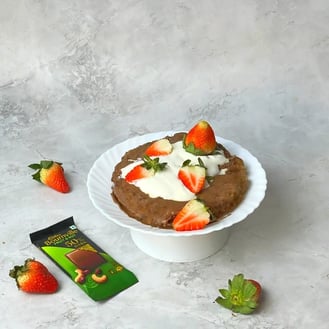
Chocolate custard powder gives desserts a rich, creamy texture with a chocolaty, cocoa infused flavor. It’s ideal for indulgent desserts like chocolate puddings, cakes, trifles, and layered desserts. The deep chocolate taste of the custard pairs well with vanilla, biscuits, whipped cream, nuts, and fresh fruits.
Fruit-Flavored Custard Powder
Fruit flavored custard powder comes in options like strawberry, mango, and mixed fruit, which adds a sweet, yet fruity twist to desserts. Its bright colors and fun flavors make it appealing to kids as well. They work amazingly in fruit custards, puddings, trifles, layered desserts etc.
Egg-Free Custard Powder
Most of the custard powders are naturally eggless, which makes them a convenient choice for preparing creamy desserts without eggs. This is especially useful in India, where many people follow a vegetarian diet. This type of custard powder works well in puddings, fruit custards, trifles, cakes, and other homemade desserts.
Vegan Custard Powder
Vegan custard powder contains absolutely no dairy-based ingredients, making it suitable for people with either lactose intolerance or plant based diets. Unlike regular versions of custard powder that include milk based ingredients, vegan custard powder works very well with either almond, soy, oat, or coconut milk.
Instant Custard Powder
It is designed for quick and easy preparation times, requiring almost no cooking. Unlike traditional custard powder, it saves time by a huge margin and simplifies the entire process. It’s perfect for busy days, making puddings, trifles, fruit desserts, and creamy fillings with minimal effort.
How to Choose the Right Custard Powder
For chilled desserts, pick a smooth, creamy type of custard powder. Layered desserts need a thicker volume of custard, while baked recipes work best with powders that hold their texture without becoming too watery or runny.
Check the ingredient label of the custard powder to match your dietary needs. Most of them are usually eggless, while vegan options should also not contain any dairy ingredients. Choose plant based versions if you want to avoid animal products, and always check for allergens as well.
A custard powder should be chosen based on the flavor that you want to highlight. Vanilla is very versatile; chocolate suits richer desserts, while mango and strawberry, add different fruit flavors and a freshness plus sweetness to your desserts.
You can rely on instant custard powder when you’re very short on time and want quick preparation. Traditional custard takes longer to cook but offers a better control over thickness and the richness, making it ideal when you have more time for making desserts.
Now, let's jump in and take a closer look at five of the most well-known custard varieties you'll probably come across and enjoy even more after getting to know them better.
1. Crème Anglaise
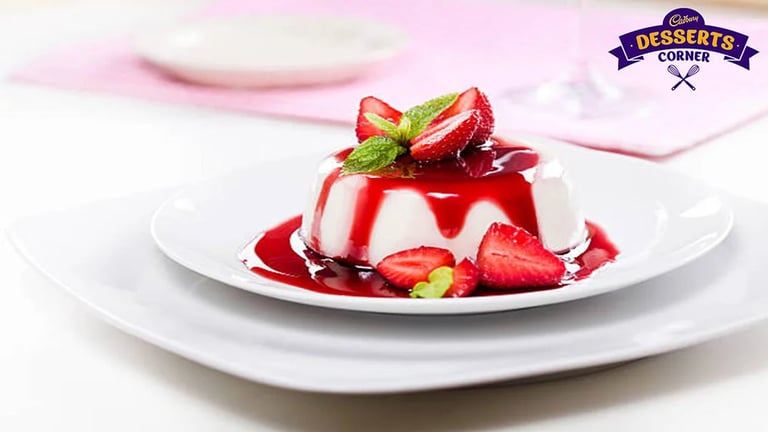
Crème Anglaise is usually the most traditional among the custard types. The name literally translates to "English cream" in French, and it's really a pourable custard sauce.
Among all the different types of custard, this is one of the lightest. It’s not meant to be thick or heavy, but rather smooth and easy to pour. You’ll often find it drizzled over sponge cakes, brownies, or fresh fruit. It can also be used as a base to create more advanced desserts like ice creams or custard-based mousses.
2. Crème Pâtissière
Crème Pâtissière, or pastry cream, is the thicker cousin in the custard family. It’s widely used as a filling for tarts, eclairs, profiteroles, and cakes. If you’ve ever bitten into a bakery dessert and found a creamy centre that holds its shape, you’ve probably tasted this kind of custard.
In contrast to Crème Anglaise, this custard is boiled during its preparation. The cornflour stabilises the mixture, and so it sets more solidly. When it cools, it sets well, so it is perfect for piping into dessert or for spreading in cake layers.
3. Baked Custards
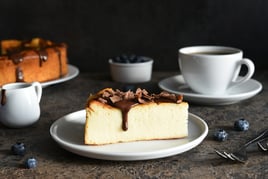
Of the most homey and reassuring custard types are those that are baked. These are created by beating eggs with milk or cream and a small amount of sugar, then slowly baking the mixture until it has set.
Baked custards are easy to prepare but do take care of. The oven heat has to be low, and it's usually better to cook them in a water bath. This allows the custard to cook evenly and not to become rubbery or form air pockets.
4. Crème Chantilly
Crème Chantilly is usually classified with custards, although technically it isn't one. Nevertheless, because of how often it's paired with other custard types, it's worthy of inclusion. You’ll often see Crème Chantilly dolloped on top of desserts filled with custard—fruit tarts, trifles, puddings, and more. Its light and airy character pairs beautifully with the smoother, richer feel of most types of custard.
5. Fruit Curds
Fruit curds aren't actually custards, yet they're similar enough in preparation and flavor that they usually get lumped in. The big difference? Rather than employing milk or cream, fruit curds use juice—most typically citrus—in combination with eggs and sugar.
Lemon is by far the most familiar, but lime, orange, passionfruit, and even berry curds are gaining popularity. These are gently cooked over low heat until they thicken and set, then cooled and kept. The outcome is a silky, spreadable dessert sauce with a crisp, snappy finish.
If you're just starting to make homemade desserts, fruit curds might be a good place to begin. They're forgiving, easy to make, and packed with fresh flavor. And although they don't fit the traditional definition of what custard consists of, they certainly find a seat at the wider custard table.
Like This Article?
More Like This


Popular Articles


Trending Web Stories


Curated Recipes


