






Dessert lovers often debate over muffin vs cupcake. They may look similar, but there are differences in ingredients and texture. Here’s everything to know.

Muffins and cupcakes – two treats that might seem similar but are quite different. They both belong on the dessert table, yet each brings its own vibe. Let’s take a closer look.
Baking muffins and cupcakes for the loved ones is a love language in its purest form. Not only do the incredibly delicious aroma fill the air while they are in the oven, but the results are equally rewarding as well for the taste buds of a dessert lover. Be it breakfast or an evening snack, very few things can be more delicious than a freshly baked cupcake or muffin with oozing, melted chocolate chips served with a glass of milk, tea, or coffee. All you need to do is whip up one batch and put it in the oven.
However, as they look quite similar at times, the muffin vs cupcake debate never fades away. Be it the mixing technique and ingredients or the toppings nd serving occasions, they widely differ from each other on many fronts. They both belong to the same dessert table, yet each brings its own vibe.
While there are still debates over how they are similar, one can easily tell the difference by the size and the way they taste. While cupcakes are mini-cakes with less rise and slightly domed tops, muffins resemble bread in texture and come with a well-risen muffin top.
Muffins are like your comfy friend on a lazy morning. They’re hearty and feel more like a snack than a dessert. Picture biting into a blueberry muffin . The juicy fruit bursts in your mouth. It’s not just about sweetness. They also carry a hint of nuttiness from the flour. Some muffins even have a savory touch from spices or nuts. Without frosting, they have a homey charm. They’re great for cozy coffee moments.
Cupcakes are the life of the party! They are light and fluffy, each bite a mini celebration, like biting into a little cake. The rich frosting adds sweetness, making them feel extra special. And those colors and designs? Cupcakes are little works of art. They stand out at birthdays and festive gatherings. They invite joy and excitement, making any occasion brighter. Still wondering what the difference is between a muffin and a cupcake? Here’s all you need to know.
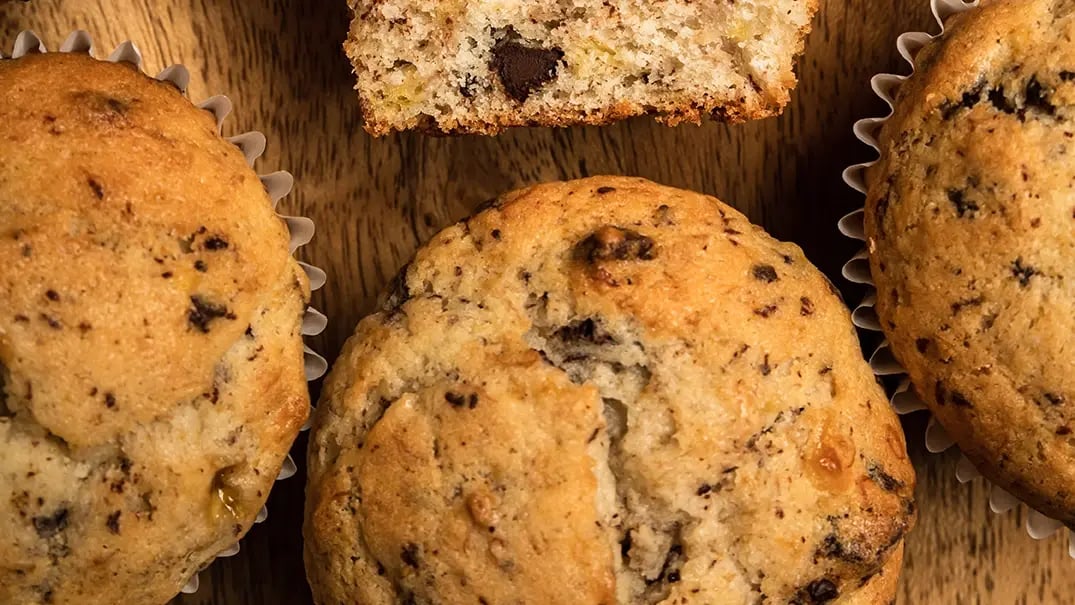
Muffin and Cupcake Difference: It’s All in the Mixing Method
The Muffin Method
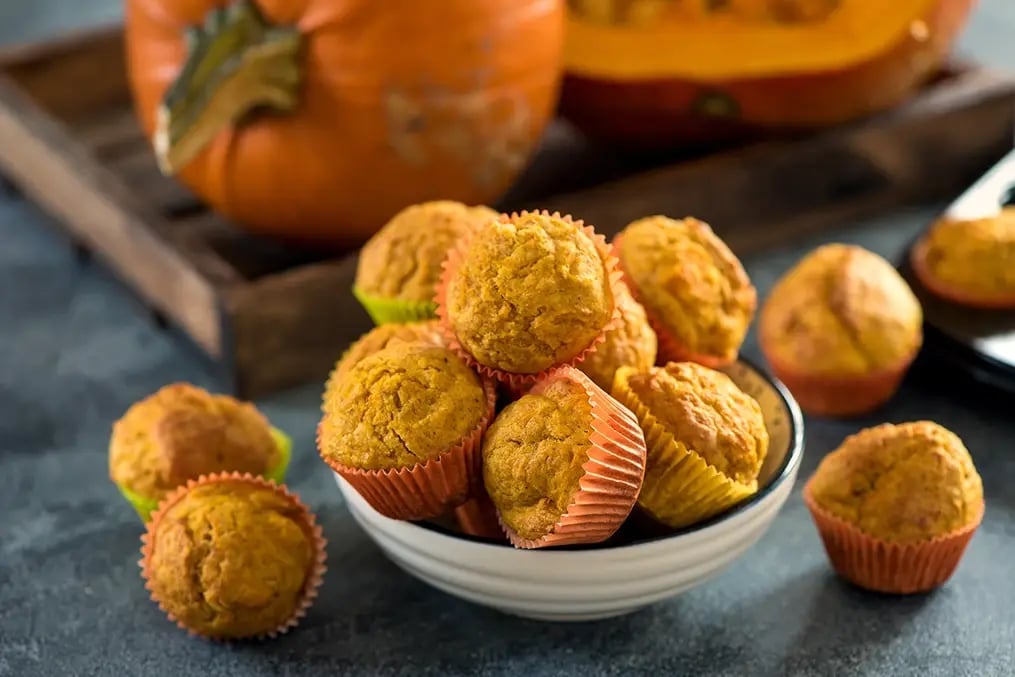
In baking, the muffin method refers to a simple yet specific mixing technique. Ideal for baked goods like muffins and breads, this three-step process is ideal for a tender, fluffy yet dense texture, as it limits gluten formation.
To follow this method, start by whisking dry ingredients like flour, sugar, salt, baking powder, and baking soda. Make sure combined well. Separately whisk the wet ingredients, like eggs, butter/oil, and milk. Once both the mixtures are ready, gently fold them together until just combined, instead of mixing them vigorously. Overmixing often leads to gluten formation, which results in a tough, chewy muffin.
The Creaming Method
The creaming method, on the other hand, is one of the most popular mixing techniques ideal for baked goods like
To follow this method, start by beating softened butter and sugar together until light and fluffy. This method incorporates air into the batter, which leads to a light texture. Next, add eggs carefully one at a time. Once all the wet ingredients are combined well, scrape them. Lastly, carefully mix in the dry ingredients, like flour, sugar, salt, and baking powder . In this method also, overmixing should be avoided.
Ingredients & Ratios: Sugar, Fat, and Flour
Cupcakes, being the miniature version of cakes, often rely on similar ingredients as regular cakes. For fat, it relies on creamed butter. The delicate texture of a cupcake often comes from rice flour, and a high amount of sugar is particularly responsible for the signature sweetness of a cupcake. Muffins, being firmer, denser, and less sweet, rely on ingredients like vegetable oil, all-purpose flour, nut flour, and a lesser amount of sugar than cupcakes.
When it comes to ingredient ratios, cupcakes are known to follow standard
1:1:1 ratio of flour, sugar, and fat. Muffins, on the other hand, tend to follow a
2:1:1 ratio for flour, sugar, and fat. The dense texture comes from the higher amount of flour.
Muffin Vs Cupcake: Texture & Taste
Muffins and cupcakes taste different. Muffins give a cozy, comforting feeling. They can surprise you with fruity flavors and nutty hints. Cupcakes, on the other hand, are all about indulgence. The light, airy, fluffy texture of the cake, topped with a rich frosting, turns them into a treat. They look fabulous, too! With sprinkles and colorful icing, they grab attention at any gathering.
Frosting vs. Glaze: The Topping Debate
This is another angle of the same muffin vs cupcake debate. Frosting or glaze, which one suits what depends upon the texture of the baked good. Frosting is all about a buttery, creamy, fluffy topping that pairs well with the soft and airy texture of cupcakes. A glaze, on the contrary, is a thin, lighter, and pourable option to cover the whole item, which goes well with the dense, firm texture of muffins.
When to Serve: Breakfast or Dessert?
Dessert lovers often get confused over this breakfast or dessert dilemma. While cupcakes and muffins are often considered the same, their textures and ingredients vary greatly. Therefore, muffins are considered more ideal for breakfast as they contain low sugar, low fat, and a bread-like texture. Cupcakes are often best served as desserts due to their fluffy texture and high fat and sugar content.
Frequently Asked Questions (FAQs)
Now that you know the basics and also know the recipe for the two, here are some frequently asked questions about the typical cupcake and muffin.
Are muffins healthier than cupcakes? 
Based on the low-sugar, low-fat ingredients, muffins are usually considered healthier than cupcakes. However, this entirely varies from recipe to recipe.
Can I bake cupcakes in a muffin pan?
Yes, one can easily bake cupcakes in a muffin pan. Bakers often use them for both cupcakes and muffins. Make sure silicone liners are used. This ensures easier removal and cleaning
Why are my muffins tough?
Muffins become tough and chewy primarily due to gluten formation from overmixing the batter. To keep them soft, make sure the batter is mixed until just combined
Like This Article?
More Like This



Popular Articles


Trending Web Stories


Curated Recipes