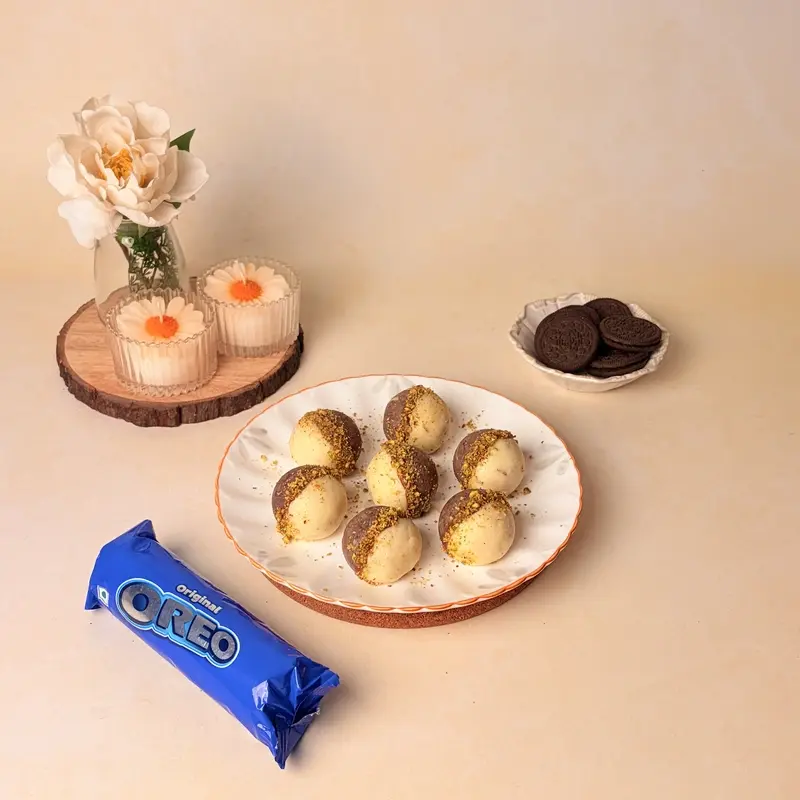


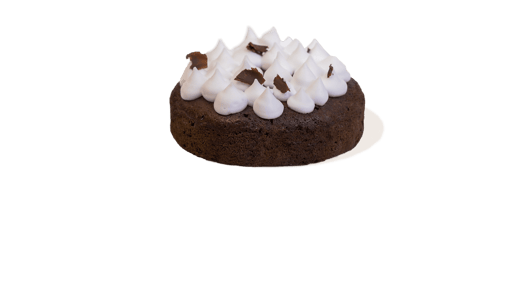





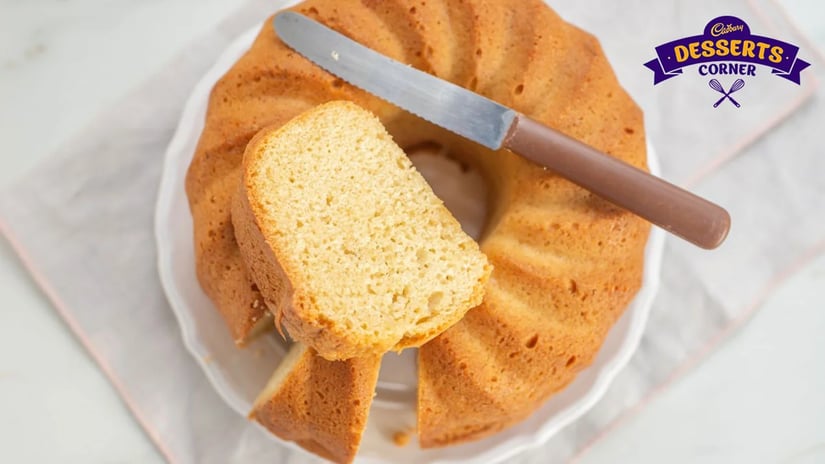


Baking powder is a leavening agent that produces carbon dioxide bubbles that help baked goods rise, creating a light texture while improving texture and shape.
Baking powder, a kitchen essential used worldwide, has a vital effect on baked goods. It acts as a leavening agent, giving your cakes, muffins, and quick breads that fluffiness we all love. The science behind baking powder is a combination of chemistry and cooking techniques that work together to create the rise in our baked treats. Baking powder consists of two components: an acid (typically sodium bicarbonate or baking soda) and a buffering agent like cream of tartar. When these ingredients mix with moisture, they react to produce carbon dioxide gas. This gas forms bubbles within the batter, causing it to expand and resulting in the airy texture we enjoy in our baked goodies.
Recipes and Tips for Using Baking Powder
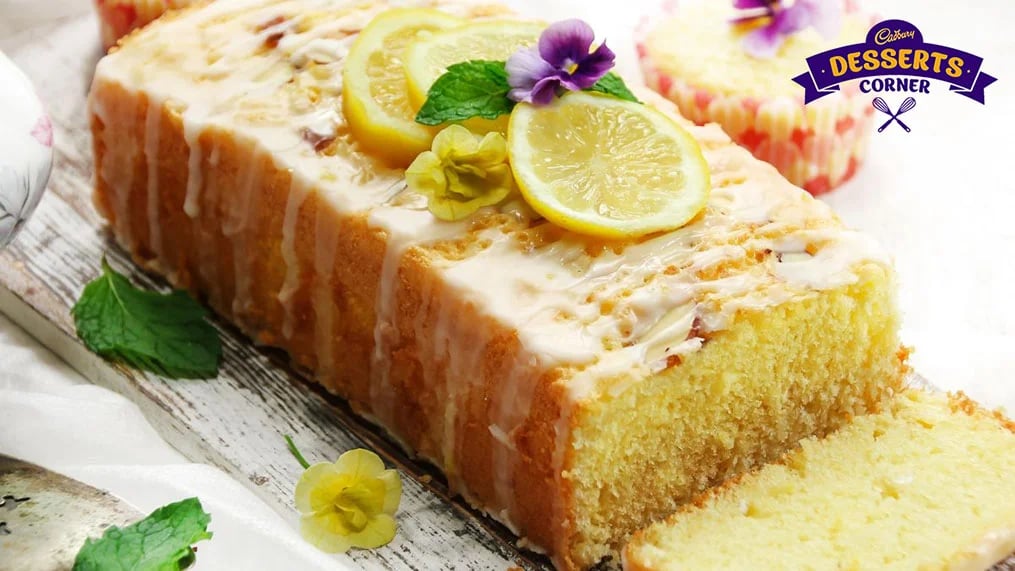
Recipe 1: Classic Vanilla Sponge Cake
Ingredients:
- 200 g flour
- 180 g sugar
- 3 eggs
- 120 g butter
- 1 1/2 tsp baking powder
Steps:
-
Cream the butter and sugar together, then add eggs before folding in the combined flour and baking powder mixture.
Tips:
- To achieve a rise in your cake's texture, ensure all ingredients are at room temperature before starting.
- Additionally, it is recommended to sift the baking powder along with the flour for even distribution throughout the batter.
Recipe 2: Chocolate Fudge Cake
Ingredients:
- 40 g cocoa powder
- 200 g flour
- 180 g sugar
- 3 eggs
- 120 g butter
- 1 1/2 tsp baking powder
Instructions:
- Start by mixing the wet ingredients.
- Then carefully fold in the dry ingredients, along with the baking powder, to achieve a deliciously rich texture.
Tips:
- Remember not to overmix the batter once you have added the baking powder, to avoid deflating it.
- It is best to bake the cake immediately after mixing.
Recipe 3: Lemon Drizzle Cake
Ingredients:
- 1 tbsp lemon zest
- 60 ml lemon juice
- 200 g flour
- 180 g sugar
- 3 eggs
- 120 g butter
- 1 1/2 tsp baking powder
Instructions:
- Begin by combining all the wet ingredients, including the lemon zest.
- Then gently fold in the combined dry ingredients.
Tips:
- To enhance the flavor of your cake, consider adding lemon zest to your sugar mixture.
- Additionally, make sure your baking powder is fresh for a risen cake.
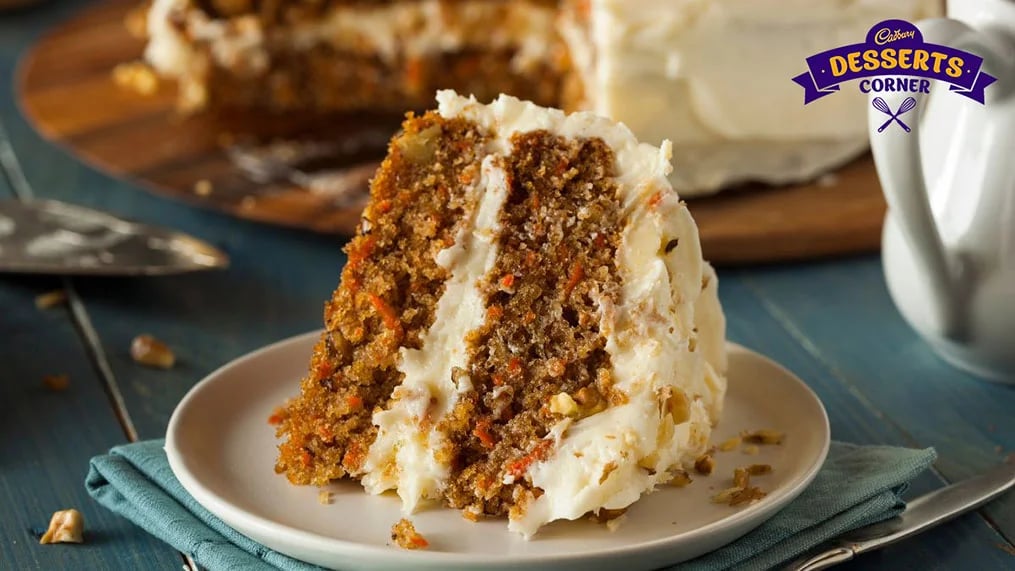
Recipe 4: Red Velvet Cake
Ingredients:
- 15 g cocoa powder
- 2 tbsp red food coloring
- 220 g flour
- 200 g sugar
- 240 ml buttermilk
- 2 eggs
- 1 1/2 tsp baking powder
Instructions:
- First, mix cocoa powder and red food coloring until combined.
- Then, cream together all wet ingredients before combining them with the dry ones.
Tips:
- For that iconic rise and vibrant color of red velvet cake, make sure you generously use food coloring.
- Also, ensure that your baking powder is not expired.
Recipe 5: Banana Bread Recipe
Ingredients:
- 3 ripe bananas
- 220 g flour
- 150 g sugar
- 2 eggs
- 100 g butter
- 1 tsp baking powder
Instructions:
- Start by mashing the bananas.
- Then mix them with the wet ingredients.
- Finally, fold in the dry ingredients.
Tips:
- A helpful tip is to use overripe bananas, as they bring sweetness and moisture to the bread.
- Be gentle when incorporating the flour infused with baking powder.
Recipe 6: Blueberry Muffins
Ingredients:
- 150 g blueberries
- 220 g flour
- 150 g sugar
- 180 ml milk
- 2 eggs
- 1 1/2 tsp baking powder
Instructions:
- Begin by mixing all the wet ingredients.
- Then gently fold in the flour and baking powder before adding those blueberries.
Tips:
- To prevent sinking of blueberries during baking, lightly dust them with flour.
- Remember not to overmix once you have added the baking powder.
Recipe 7: Carrot Cake
Ingredients:
- 150 g grated carrots
- 220 g flour
- 180 g sugar
- 120 ml vegetable oil
- 3 eggs
- 1 1/2 tsp baking powder
Instructions:
- Start by combining oil and sugar in a bowl.
- Then add eggs one at a time before folding in the dry ingredients along with those tasty, grated carrots.
Tips:
- To ensure even distribution of baking powder within your cake batter, sift it together with the flour.
- Fresh carrots work wonders here as they bring both moisture and flavor.
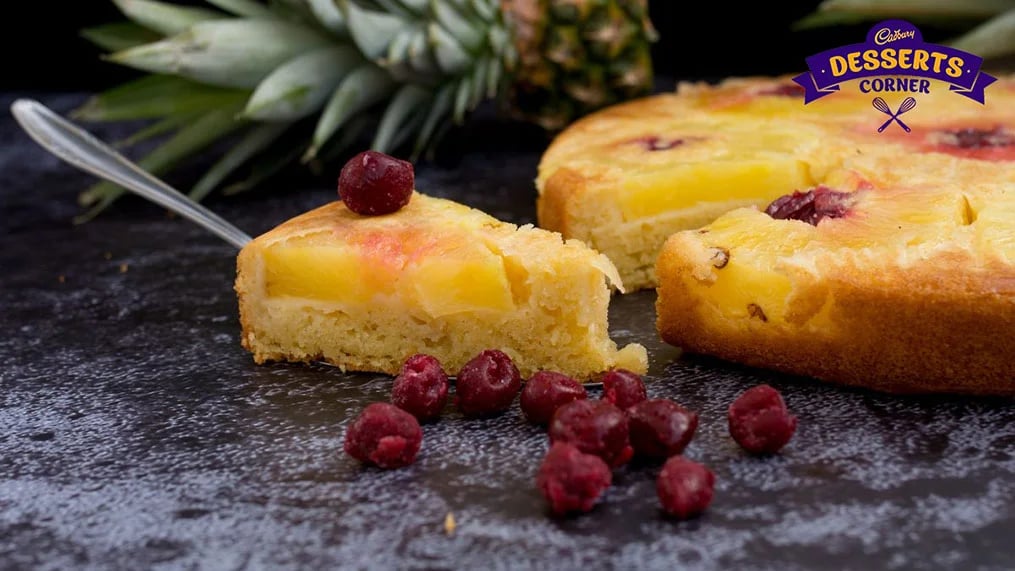
Recipe 8: Pineapple Upside Down Cake
Ingredients:
- 6 pineapple slices
- 6 cherries
- 200 g flour
- 180 g sugar
- 2 eggs
- 120 g butter
- 1 1/2 tsp baking powder
Instructions:
- Begin by arranging your fruit at the bottom of your pan.
- Then, cream together all remaining ingredients before pouring them over the fruit.
Tips:
- For a consistent rise, ensure butter is evenly creamed.
- Do not delay baking after mixing to maintain the leavening effect.
Here Are Some Helpful Tips For Baking With Baking Powder:
- Freshness is key: Check the expiration date of your baking powder. Using old and expired baking powder can result in denser cakes.
- Temperature matters: Make sure your ingredients are at room temperature unless the recipe specifies otherwise. This ensures optimal rising of your baked goods.
- Mixing technique: Avoid overmixing, as it can cause the gas bubbles created by the baking powder to deflate. Mix until everything is just combined.
- Bake immediately: Once you have mixed the wet and dry ingredients together, it is best to bake them immediately to make the most of the leavening power of the baking powder.
- Sifting helps: To prevent clumps and ensure even distribution, sift your baking powder along with dry ingredients before adding them to your recipe.
In conclusion, achieving risen cakes relies on those bubbles created by the reaction of baking powder. This simple ingredient can transform dense mixtures into light and airy treats that will impress anyone who tastes them. Each highlighted recipe highlights how versatile baking powder can be, elevating ingredients into desserts. By understanding the science behind it and following these tips, even beginner bakers can achieve professional-level results in their experiments with baking powder. So, next time you are in the kitchen, take a moment to appreciate the chemistry at work and savor every outcome from using this wonderful leavening agent.
Frequently Asked Questions
What does baking powder do in baking? 
Baking powder is a leavening agent that releases carbon dioxide when combined with water and heated; this creates volume and lightness in baked goods like breads, muffins, and cakes.
How can I check if baking powder is still active?
To check the freshness of baking powder, add a teaspoon of the powder to a cup of hot water; if you see bubbles immediately, your baking powder is still active and should be used as instructed in any recipe.
What happens if I use too much baking powder?
Too much baking powder can cause baked goods to rise rapidly (too quickly) and then collapse, creating a product that is too bitter and uneven in texture.
Is baking powder necessary for all cakes?
There are some recipes (like sponge cakes) that do not need to have a chemical leavener like baking powder in order for them to "rise" because they are being aerated by whipping the eggs into the batter.
Why didn’t my cake rise properly?
It can be due to using expired baking powder, overmixing the batter, using incorrect amounts of the other ingredients, or allowing too much time to pass before baking the mixture after mixing.
Like This Article?
More Like This



Popular Articles


Trending Web Stories


Curated Recipes