









Discover traditional Haitian desserts and Caribbean sweets featuring coconut, rum, and warm spices. Explore tropical dessert recipes and baking tips.
Desserts from Haiti are a rich fusion of tropical Caribbean ingredients and French baking methods. These treats, which are rich in coconut, bananas, sweet potatoes, and spices, provide a cozy and decadent way to end any meal. Caribbean sweets like Caribbean rum cake, tamarind balls, Coconut Drops/Sugar Cake, and molasses desserts are popular in the region. Island desserts mainly rely on an abundance of tropical fruits, warm spices (nutmeg, cinnamon), root vegetables, and, of course, local rum and coconut. They are a colorful representation of the region's varied past.
Haitian Desserts: A Blend of Coconut, Rum & Caribbean Flavors
A mix of French, Africa,n and Spanish influences, Haitian desserts are hearty and comforting and use plenty of coconut and spices. From potato cakes and coconut balls to a delicious butter cake soaked in rum, Haiti has several local desserts that are cherished by locals, with some desserts dating back to older local communities. Rich combinations of tropical fruits, dairy, carbohydrates, and spices are the foundation of Haitian desserts. Citrus, plantains, sweet potatoes, and coconuts are common staples. Dark rum, vanilla, and spices like nutmeg and cinnamon are often used to enrich these.
Popular Haitian Desserts You Must Try
Haitian desserts typically have tropical fruits, warm spices like cinnamon and nutmeg, and rich, creamy textures. Here are some of the desserts you can try!
Dous Kokoye (Haitian Coconut Candy)
“The coconut nut is a big, big nut, but this delicious nut is not a nut.” No, it's not, but Haitians sure do love adding it to their desserts, and one such is called Dous Kokoye. This beloved Haitian confection is a coconut candy that is made by boiling a mixture of coconut milk, regular milk, shredded coconut, sweet spices, and sugar, and sold by street vendors throughout the country. These confections are also incredibly easy to prepare at home.
Pain de Mais (Haitian Cornbread Dessert)
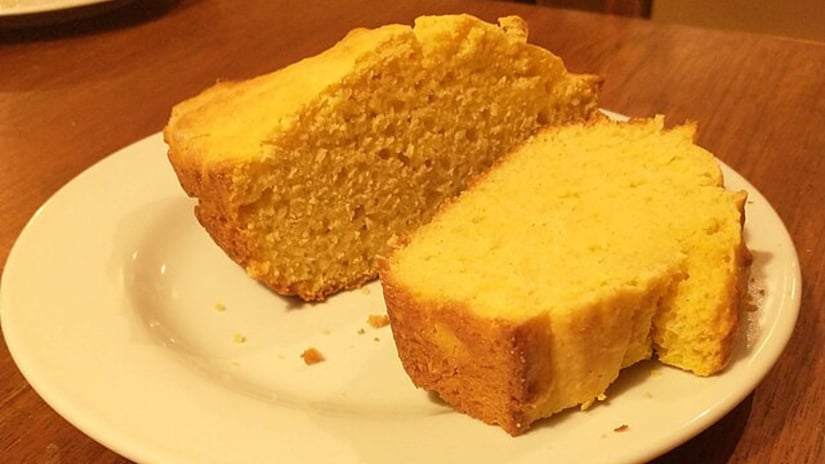
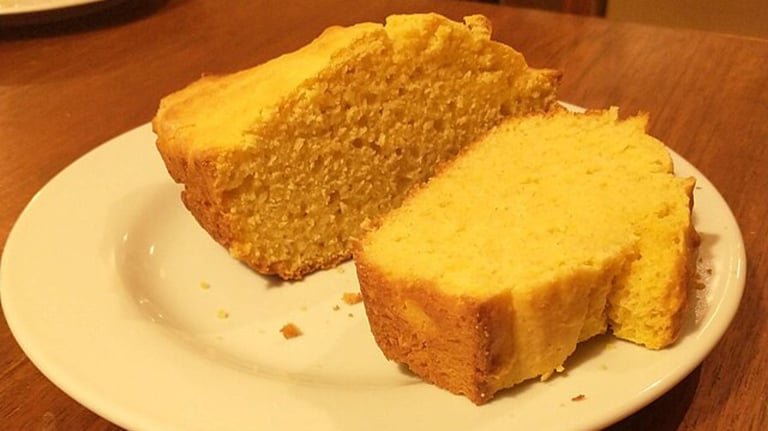
This is Haiti's version of cornbread, locally called Pain de Mais, a simple baked good that has become a beloved staple in Haiti, even though its recipe's origins trace back to France. The cornbread is spongy yet dense, achieved by combining naturally sweet corn, sugar, and butter. The inclusion of rum and ginger also makes the loaf complex in aroma, yet somehow this treat is still comforting. But what makes Pain de Mais truly unique is the addition of coconut, which this coastal country has plenty of.
Gâteau Au Beurre (Haitian Rum Cake)
The first thing one notices upon removing this cake from the oven is the robust aroma of rum that fills the air. While the Gâteau au beurre, or Haitian Rum Cake, has a denser structure than a typical sponge cake, it retains a slightly airy, springy quality. This is a rich butter cake with rum. It has a syrup-soaked texture.
In Haiti, the rum of choice for this dessert is often Barbancourt, one of the country's most famous and widely consumed rums worldwide. To further enhance the flavors of the Rum cake recipe, it is commonly served with a sweetened syrup that complements the cake's warming rum.
Akasan (Spiced Milk Dessert Drink)
Milk and cinnamon desserts are popular all over the world, especially on tropical islands.A Haitian beverage that resembles a thick, creamy milkshake, Akasan is made with evaporated milk, corn flour, and a blend of warming spices – cinnamon, anise, and vanilla. Haitians often drink Akasan as a refreshing drink, particularly on hot days, and since the beverage's consistency is similar to pudding, it also masquerades as a dessert. Given its spice content, it often is drunk alongside toast at breakfast.
Blancmange (Coconut Milk Pudding Dessert)
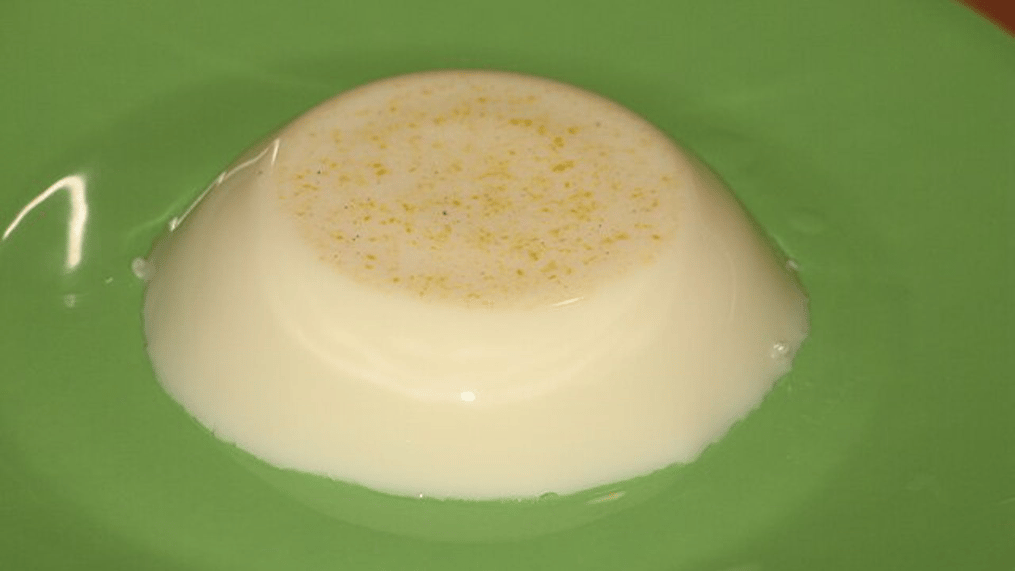
If the coconut song was not enough to convince you earlier, enter the Blancmange, a deeply French dessert with local touches that uses plenty of coconut and, surprise, gelatin! The Haitian Blancmange has a soft, jiggly texture enriched with coconut milk to make it even creamier; some recipes also incorporate evaporated milk into the preparation. Complementing fruits like mango and papaya are often incorporated into the Blancmange to enhance the dessert's fruitiness.
Dous Makos (Haitian Fudge Dessert)
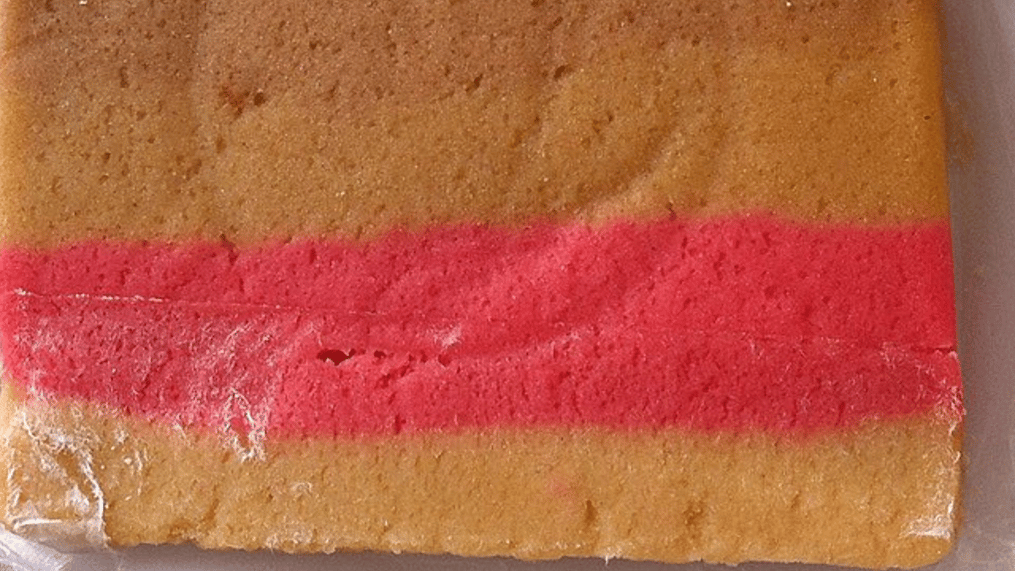
Akin to a brownie bar, Dous Makos is a Haitian fudge that is similar but lighter in color and quite simple in appearance. It is a chewy, layered sweet and has different chocolate and vanilla variations. This fudgy confection is named after Fernand Macos, who is considered Haiti's equivalent to the renowned American chocolatier Milton S. Hershey, maybe not as prominent as him, but Macos is nonetheless admired for his significant contributions to Haitian cuisine. Dous Makos has local variations, and one such variation features alternating layers of vanilla and chocolate,
Pain Patate (Sweet Potato Coconut Dessert)
Sweet potato bread- that’s exactly what Pain Patate has, with a thick pudding-like consistency like banana bread, and is a beloved local favorite, especially in savory preparations. The use of sweet potatoes makes this dessert wonderfully moist and dense thanks to the creamy richness of coconut milk. Spices like ginger and cinnamon are also added, and this bread is enjoyed heartily on its own, but to sweeten it further, whipped cream or vanilla ice cream is often plonked on top.
Doukounou (Traditional Caribbean Steamed Dessert)
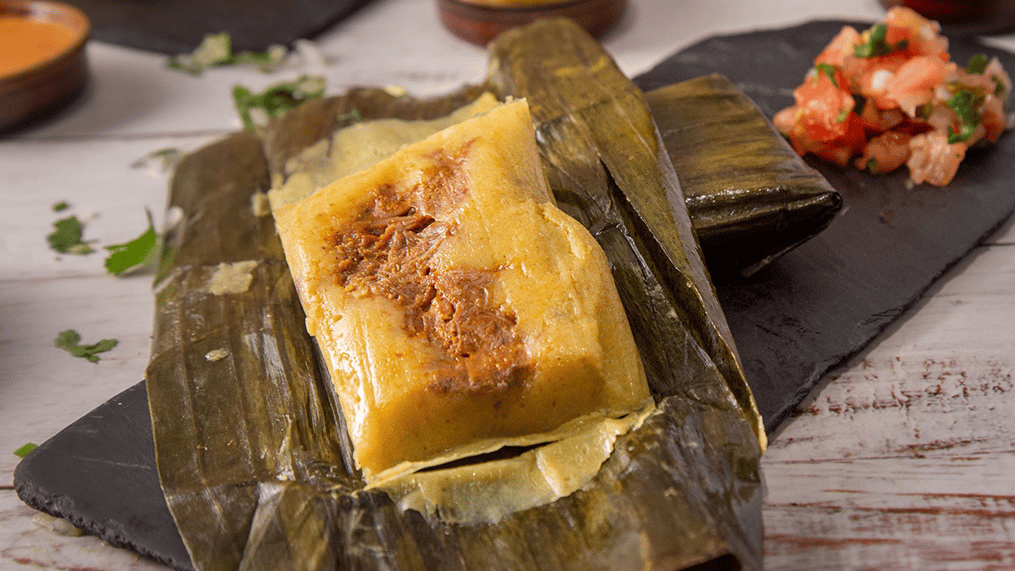
This is a banana leaf-wrapped dessert. Almost like Therali Appam, at least in appearance, Doukounou is often compared to tamales that are made with milk, cinnamon, vanilla extract, raisins, beaten eggs, sugar, and corn flour. These ingredients are combined, traditionally wrapped in banana leaves, and steamed. The Doukounou is served chilled, typically accompanied by a complementary cinnamon-vanilla sauce, and dates back to the ancient Taíno people of the region.
Tropical Dessert Recipes with Coconut & Spices
Rich tastes, aromatic spices, and copious amounts of coconut are characteristics of tropical treats. Desserts made with coconut milk, cinnamon, vanilla, nutmeg, and tropical fruits are both cozy and revitalizing throughout the Caribbean. Certain recipes, such as baked goods and spiced puddings, are served warm, while others are served cold to accentuate the creamy texture of fruit and coconut. Caribbean desserts have a unique character and enduring appeal because of the blend of tropical ingredients and fragrant spices.
Coconut-Based Sweets
- Coconut bread and coconut pudding
- Flans and coconut custards
- Coconut drops and sweet coconut candies
- Coconut milk-based rice puddings
Cinnamon & Vanilla Flavor Profiles
- Warm spices give a scent and depth.
- Natural sweetness is enhanced by vanilla.
- Frequently used with allspice, cloves, and nutmeg
- Gives rich desserts a reassuring balance.
Warm vs Chilled Desserts
- Warm sweets include sweet casseroles, baked cakes, and bread puddings.
- Fruit creams, puddings, and coconut custards are examples of cold desserts.
Tropical ingredients are highlighted differently in both styles.
Caribbean Desserts vs Other Tropical Desserts
Caribbean desserts are distinguished by their rich coconut flavors and historical influences, even though many tropical regions combine fruits and spices in their desserts.
- Use of rum: Rum is a common ingredient in Caribbean desserts, adding nuance and complexity to cakes, puddings, and fruit-based treats. In several other tropical dessert traditions, rum is used less frequently.
- Heavy coconut base: A key component of many Caribbean delicacies, coconut milk, grated coconut, and coconut cream produce rich textures and unique flavors.
- Influence of colonial history: African, European, Indigenous, and Asian culinary traditions blend in Caribbean desserts. Desserts from other tropical locations are not like the special recipes created by this blending of cultures.
Why Coconut & Rum Dominate Haitian Sweets
Due to a mix of geography, tradition, and flavor, coconut and rum have come to define many Haitian delicacies. Because of Haiti's tropical climate, coconuts are produced in large quantities, making them readily available and reasonably priced ingredients for everyday baking and cooking. Rum lends warmth and complexity, while coconut adds richness and creaminess. They combine to provide the rich flavors often associated with Caribbean candies. The ingredients and preparation methods used in many classic Haitian desserts have been passed down through the generations, reflecting the nation's agricultural and cultural legacy.
Tips for Making Caribbean Desserts at Home
- Using coconut milk vs. fresh coconut: Creaminess and moisture come from coconut milk. Stronger coconut flavor and texture are achieved with fresh coconut. The finest outcomes are frequently achieved by combining the two.
- Substituting rum: For alcohol-free recipes, use vanilla extract. Tropical flavor can be enhanced with coconut extract. Pineapple or apple juice can be used to provide moisture and sweetness.
- Balancing sweetness + spice: Adjust to taste after starting with a moderate amount of sugar. To add depth without going overboard with sweetness, use vanilla, nutmeg, and cinnamon. To improve overall flavor, add a tiny bit of salt.
Conclusion
Desserts from the Caribbean and Haiti highlight the tropical richness that contributes to the region's distinctive cuisine. These candies offer a special blend of comfort and exotic flavor thanks to their distinctive blend of coconut, toasty spices, and traditional ingredients. Whether you're savoring a traditional coconut pudding, a spicy cake, or a refreshing tropical dessert, these recipes honor cultural authenticity while remaining accessible to home bakers who want to bring a bit of the Caribbean into their own kitchens.
FAQs About Haitian Desserts
What are the most popular Haitian desserts? 
Coconut-based puddings, sweet breads, rice pudding, cassava sweets, and pastries scented with tropical fruits, vanilla, and cinnamon are all popular Haitian delicacies. One of the most often used ingredients in traditional cuisines is still coconut.
What makes Caribbean desserts unique?
Because they incorporate tropical fruits, fragrant spices, coconut, and cultural influences from Africa, Europe, and Indigenous customs, Caribbean desserts are distinctive. Local fruits and rum are also used in several recipes.
Are Haitian desserts very sweet?
Desserts from Haiti are often sweet, though they frequently balance that sweetness with spices like vanilla, nutmeg, and cinnamon. Instead of overpowering sweetness, this produces a richer and more nuanced flavor.
What desserts use coconut milk the most?
Coconut puddings, rice puddings, flans, tropical cakes, custards, and other cold Caribbean desserts frequently contain coconut milk. It has a genuine tropical flavor and a creamy texture.
Like This Article?
More Like This


Popular Articles


Trending Web Stories


Curated Recipes


