






Compare besan ladoo & rice flour ladoo by ingredients, texture, flavor, & ghee. Explore key differences and preparation tips, and choose your favorite for Navratri.
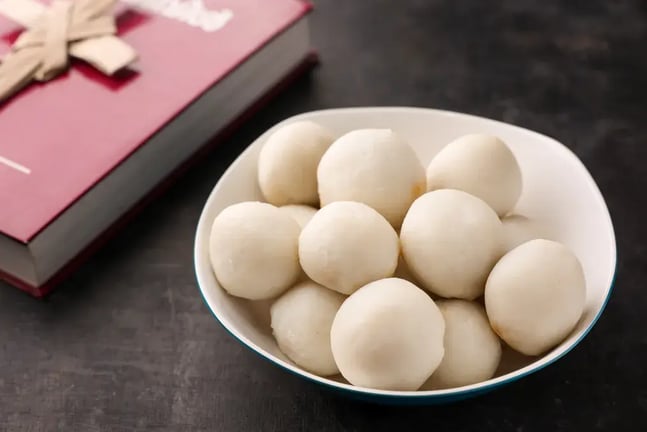
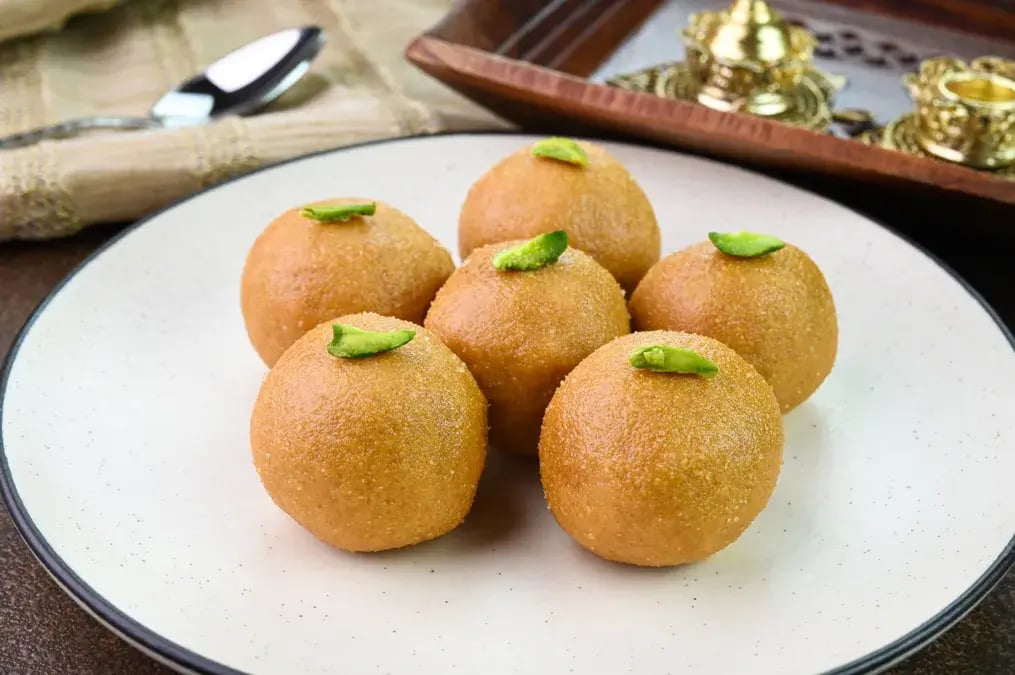
Besan ladoos and rice flour ladoos are two popular Indian sweets that people usually talk about together but have very little similarity between them regarding their taste and method of making them. While both are made from an ingredient cooked in ghee and combined to form a round, bite-size confectionery item, their differences remain minimal. Besan ladoos are made of roasted gram flour for richness and flavor, whereas rice flour ladoos are light in taste due to being made out of another type of starch. Knowledge of how they differ in ingredients and texture at the end of cooking is useful for choosing an appropriate choice among them by home chefs on any occasion; it also explains why there are so many fans of each type within Indian cuisine. The article discusses five main distinctions of rice flour ladoos versus besan ladoos and provides some useful information on how to make them yourself.
Rice Flour Ladoo vs Besan Ladoo: At a Glance
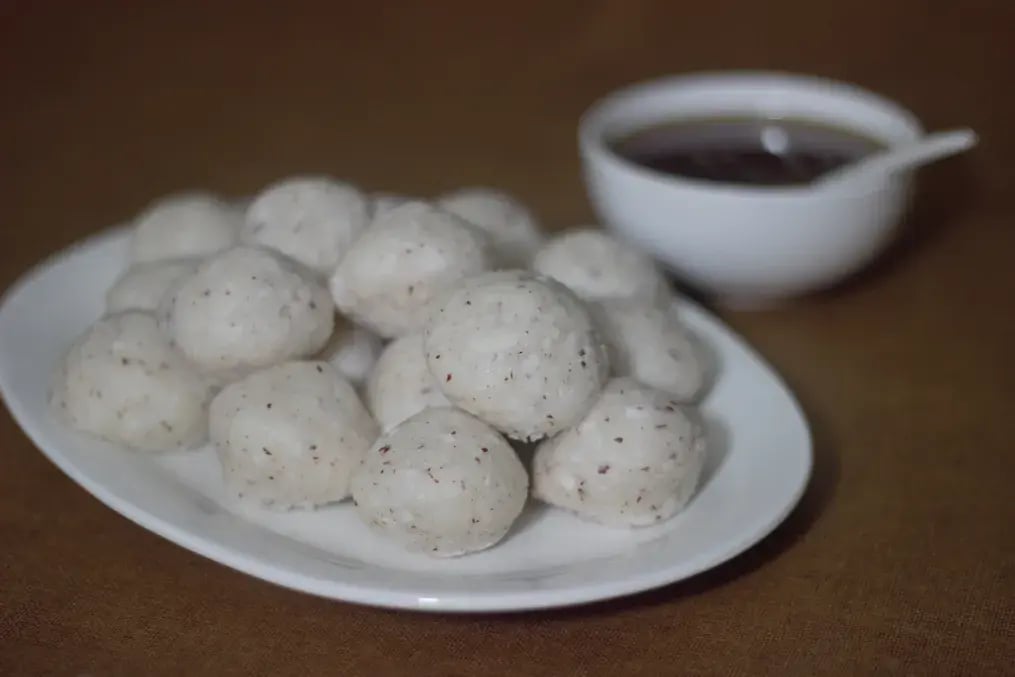
| Factor | Rice Flour Ladoo | Besan Ladoo |
| Main Flour | Rice flour | Gram flour (besan) |
| Texture | Light, slightly crumbly | Dense, smooth when well-roasted |
| Flavor | Mild, subtly sweet | Rich, nutty, pronounced |
| Ghee Requirement | Moderate | Moderate to generous |
| Typical Variations | Coconut, jaggery additions | Nuts, cardamom, saffron additions |
Difference in Main Ingredients
These ladoos differ because they use different types of flour. Gram flour is used by Besan ladoo to give it an earthy taste of nuts when cooked with ghee. In comparison to rice flour ladoos that are made from finely ground rice flour, they have a much milder, neutral flavor profile of their own; therefore, it is largely dependent upon additional flavors such as cardamom, coconut, or jaggery for overall taste. The basic differences of these products are due mainly to their shape as a base, which affects cooking methods and final flavor profiles.
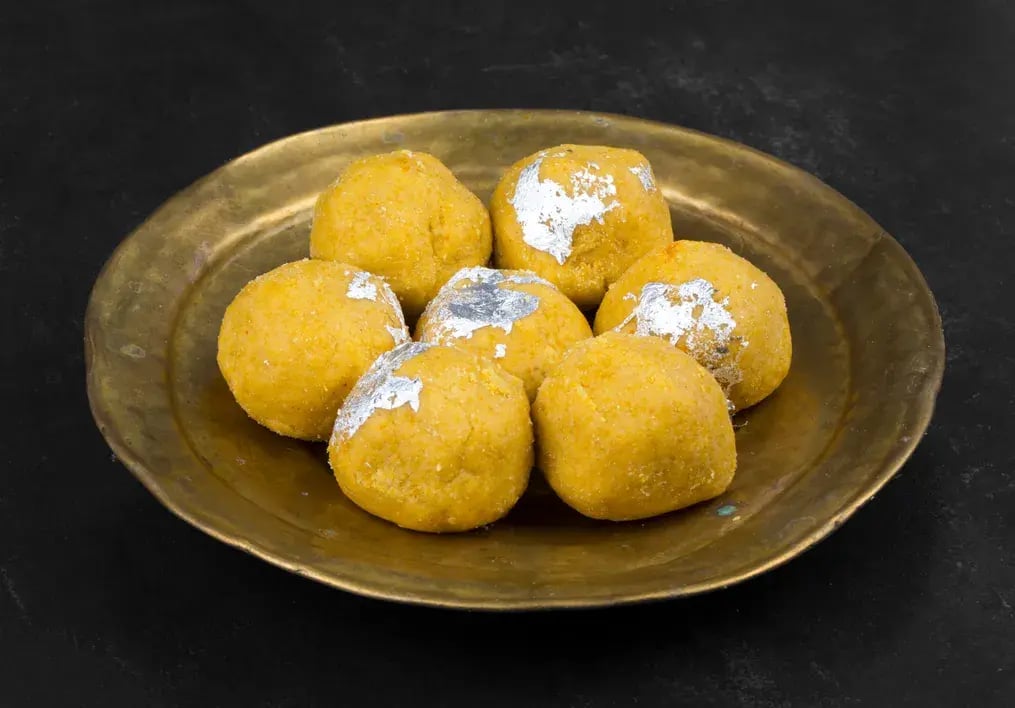
Texture and Mouthfeel
Ladoos made from rice flour tend to be lighter and more crumbly because they do not bind as tightly as gram flour after cooking. When properly roasted, besan ladoos have a richer texture that is smooth to eat because roasting creates an evenness similar to fudge. Neither texture is superior; they simply cater to different tastes, with rice flour ladoos being light and soft and besan ladoos having a heavier mouthfeel.
Flavor and Aroma
The roast is important for sweetness, but its impact varies greatly on different types of desserts. Roasting in ghee turns besan ladoo from raw, slightly bitter gram flour into an aromatic, nutty flavor; it should be done properly, as it is a crucial part of the recipe. Roasting is less effective for developing flavors in rice flour ladoos because it does not have as much depth compared to other methods; therefore, ingredients such as cardamom, nutmeg, or roasted coconut are more important when making them.
Ghee and Binding Requirements
The amount of ghee required to make ladoos depends upon the type of dough used as well as the desired consistency instead of a standard proportion. For a richer, denser texture of besan ladoos, there is usually more ghee used compared to that which yields lighter results; likewise, so does it apply to rice flour ladoos. Instead of measuring everything at once for consistency while mixing in small amounts of ghee that don't turn out greasy, this method yields better uniformity between batches due to its gradual approach.
Which Ladoo Should You Choose?
For those who like an intense, heavy dessert with strong flavors of nuts, besan ladoos would be ideal to enjoy during celebrations when people want something decadent.
For a lighter, more delicate, and easy-to-customize option with flavors such as coconut or jaggery, rice flour ladoos might be better suited to your preferences.
None of them is better than another because it comes down to individual taste preferences for occasions where there may be a need for something specific, such as "flavor profiles."
Tips for Making Both Ladoo Types at Home
-
Roast on low heat. Slow-roasted at a lower temperature than 350°F (180°C), both besan and rice flour are better prepared for cooking because they would burn if roasted too quickly or at very high temperatures.
-
Cool down a bit, then add sugar to it. To prevent greasiness from adding too much sugar at once, allow some time for cooling before mixing in more of it.
-
Shape while still warm. Ladoos can be easily formed into a sphere when they're hot and soft; however, once cooled down, their texture changes, making them difficult to roll out further.
-
Adjust ghee gradually. Ghee should be added gradually instead of all at once so that we can check its consistency while mixing for better results without becoming too greasy.
Frequently Asked Questions
Which is softer, rice flour ladoo or besan ladoo? 
Ladoos made from rice flour tend to be lighter and crumblier than those made from besan; however, they are usually denser and smoother after proper roasting.
Can I make rice flour ladoo without ghee?
While there may be some minor changes to ghee, its absence would have a significant impact on both texture and taste due to its importance as a binder and flavor enhancer.
Why do besan ladoos become crumbly?
The crumbly texture of besan ladoos is often due to not enough ghee being used for frying, overcooking the flour, or adding too much sugar before it binds well.
Can rice flour and besan be combined in one ladoo recipe?
Yes, some recipes mix together besan and rice flour for a better balance between their flavors, but you need to adjust ghee and sugar appropriately.
Like This Article?
More Like This




Popular Articles


Trending Web Stories


Curated Recipes