




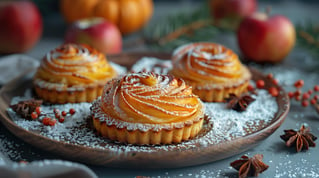


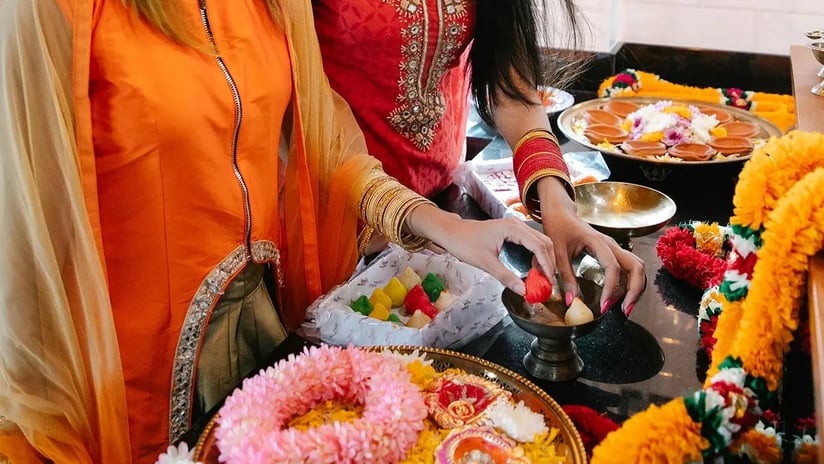


Punjab’s desserts are pure decadence, rich with ghee, milk, and nuts. From warm Halwa to syrupy treats, they embody the region's hearty, celebratory spirit.
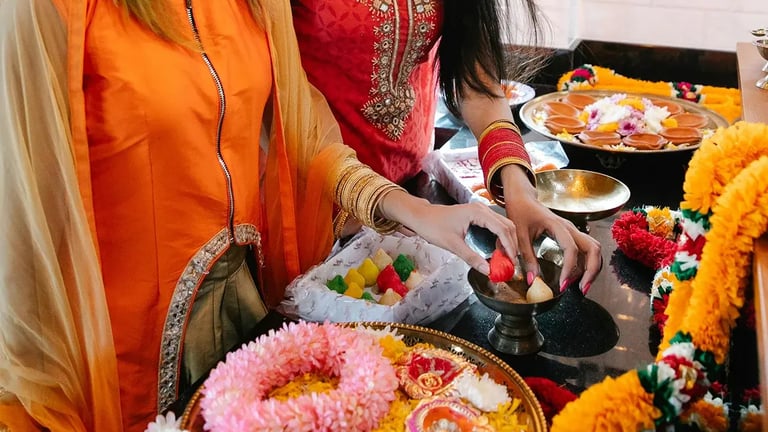
Punjabi desserts are characterized by rich textures, the abundant use of dairy, and comforting flavors influenced by regional ingredients and seasonal cooking. Whether through slow-cooked halwa or syrup-soaked classic desserts, these sweets reveal the areas' fondness for ghee, milk, nuts, and wheat-based preparations. Below are some examples of the most well-known Punjabi regional sweets, along with key characteristics and where they fit in with the day-to-day food culture of the region.
Introduction to Punjabi Sweet Culture: Punjab’s Special Sweets
Punjabi food is known for having a lot of flavor, big portions, and lots of ingredients. These same principles apply to dessert. Punjabi sweets are typically made with dairy products like milk, khoya (milk solids), butter, and ghee (clarified butter). They also have lots of nuts, jaggery (a type of unrefined sugar), and wheat-based dishes. This creates sweets that have a great taste and lots of substance.
Sweet dishes are a central feature of Punjabi hospitality. For example, when you welcome someone to your house, usually the first thing they are offered is mithai (sweets). Additionally, most celebrations would not be complete without a dessert course. Festivals like Lohri and Baisakhi highlight the relationship between sweets and communal gatherings. Families will often make something traditional at home, whereas you can find trays of seasonal sweets at your local sweet shop.
Dessert is also influenced by the seasons in Punjab. In the winter, people like to eat dense, warming desserts made with nuts and ghee. However, there are also many classic sweets that you can eat at any time of the year. Additionally, there are different regional specialties in each area of Punjab, and the way that they make their desserts can add continuing diversity to the dessert landscape in Punjab.
Winter Special Sweets: Punjabi Sweet Dishes
The colder months of the year in Northern India are ideal for treating yourself to winter sweets. Common ingredients used in winter sweets from Punjab are ghee, nuts, and whole grains.
Gajar ka Halwa
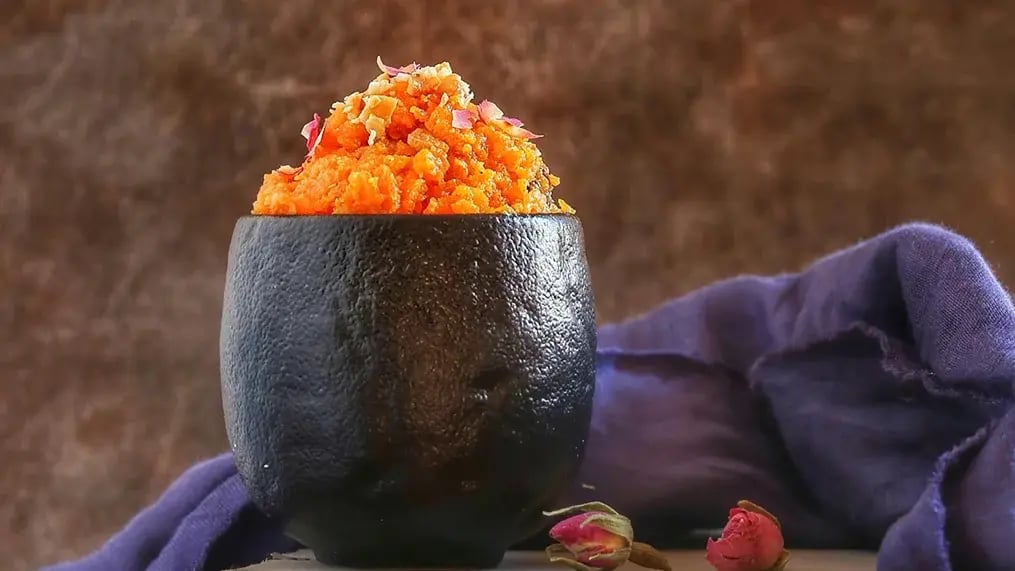
Gajar ka Halwa is one of the most popular winter sweets in all of Northern India. Gajar ka halwa is made with seasonal red carrots, which are harvested during winter. The red carrots that are used to prepare the halwa have a deeper color and are sweeter than regular carrots.
To prepare gajar ka halwa, you grate the carrots and cook them on low heat with milk until all the liquid has evaporated. Once the mixture thickens up (it takes about 2 hours on slow heat), you add sugar, ghee, and khoya to the mixture, allowing the mixture to get thicker and creamier. You can also add cardamoms and chopped nuts for aroma and crunch.
When preparing the sweet, you slow-cook the carrots in the milk until enough of the milk solids have been absorbed and all the liquid has evaporated. This gives it a caramelized flavor and a glossy finish.
When finished, gajar ka halwa is very hot and slightly grainy in texture and very aromatic, and it is often served hot at winter gatherings.
Panjiri
Nourishing and considered medicinal in many cultures, panjiri is typically made from roasted whole wheat flour, cooked in ghee (clarified butter) until it develops a nutty aroma, then mixed with nuts (such as almonds and cashews), edible gum (gond), dried fruits, and various spices to create a crumbly mixture rather than a shaped sweet.
Panjiri is usually prepared as a coarse, nutty-textured sweet that is neither heavy nor overly sweet. Many families make it during the cold winter months because of its warming properties.
Panjiri is also included in many postpartum meals for new mothers. Energy-supportive ingredients (nutritional density) and warming spices contribute to this perception of panjiri as an energy-supporting food.
Pinni
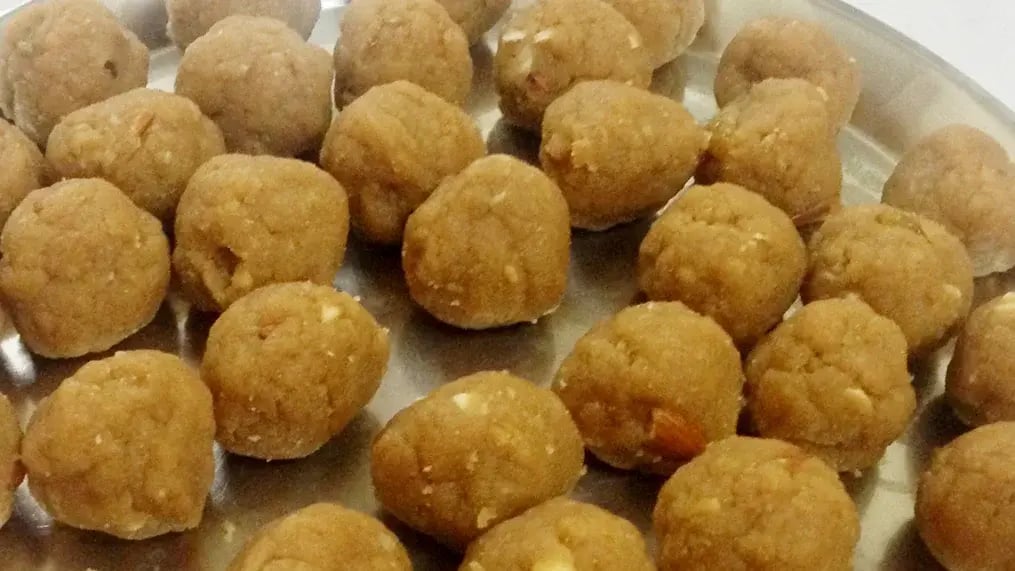
Pinni is a delightful and recognizable winter dessert, made from an assortment of nuts and seeds along with roasted flour, ghee, and jaggery or sugar. Once all of the ingredients stick together, the mixture is formed into compact balls.
Pinni is unique for its thick consistency and extended holding time. It is mildly sweet at the same time, thanks to the roasted flour providing an intense nutty flavor. Many families produce large quantities of these sweets to last for several weeks.
One suggestion given by many at home is to roast the flour at a slow, low temp to allow for the greatest development of aroma and to prevent the taste from being "raw".
All-Time Classic Punjabi Desserts: Traditional Sweets in Punjab
Several Punjabi desserts remain popular throughout the year. These sweets appear at restaurants, homes, and festive gatherings.
Phirni
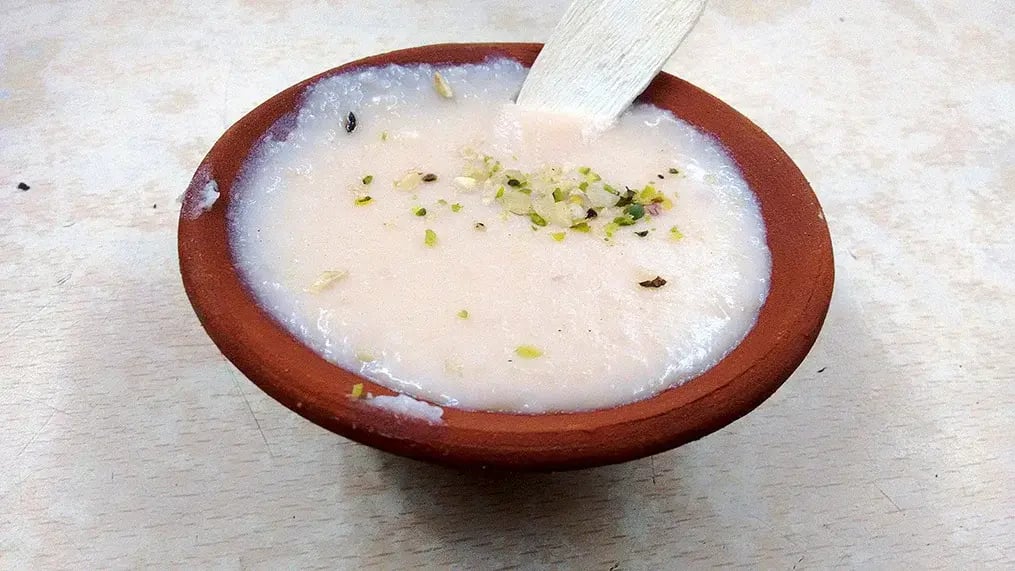
This creamy rice pudding has a silky smooth texture. The dessert is typically made from ground rice cooked in milk until thickened. Cardamom and sugar are added for sweetness and aroma. Nuts are generally added on top of the phirni as a garnish.
Phirni is unique in the sense of how it is served. It is usually served cold in small earthenware bowls (shikoras). The shikora is porous, which absorbs some of the moisture from the phirni, giving it a slightly earthy aroma.
The texture of the phirni is velvety, and when compared to other ghee-based desserts, it is light. Additionally, the sweetness of the phirni, as well as the cool temperature at which it is served, make it ideal for serving after a meal that is rich in ghee.
Amritsari Jalebi: The Famous Sweet of Punjab
Jalebi in Amritsar is noticeably different from jalebi elsewhere in that the sweet here is thicker and sturdier in size.
The batter is prepared into large spirals and cooked to a crisp before being soaked in a sugar syrup. This process creates a crispy outer layer and a syrup-filled inside of the jalebi. The thickness of the jalebi helps to maintain a chewy texture on the inside while also preserving some of the syrup.
People generally eat Amritsari jalebi with warm milk or rabri , which provides a pleasant contrast of crispy and chewy textures.
Besan Ladoo
Besan Ladoo is one of many traditional Indian sweets made in the homes of North India and sweet shops found in most cities across that region. To make besan ladoo , gram flour (besan) is roasted slowly in ghee or clarified butter.
While the flour is being roasted, the color of the flour changes, and it takes on a toasted aroma. Once the flour is nicely roasted, sugar and ground cardamom are added. The combined ingredients are then rolled into small round balls to create ladoos. In many cases, chopped nuts (such as almonds or pistachios) are used as a garnish.
Ladoos will typically have a slightly coarse or danedar texture. This coarse texture occurs because the roasted flour is evenly coated with both the ghee and sugar.
Atte Ka Halwa / Karah Prasad
Karah Prasad is a very traditional food in the Sikh culture and holds a significant place in the culture of Sikhism. Karah prasad is made, and is also presented as an offering at gurudwara`s (sikh temples) and other gatherings.
It is made by cooking wheat flour with equal parts ghee and sugar, with equal amounts of water, to make a batter. By repeatedly stirring the batter while cooking, it becomes shiny and smooth and will have a very creamy end-product.
The taste of karah prasad is rich with a very simple taste, and has a deep-roasted wheat flour flavor. Karah prasad is also spiritually significant for Sikhs, as this sweet is distributed to people visiting the Golden Temple as a prasad.
Unique Regional Delicacies
Culinary desserts within Punjabi culture have become renowned for having a unique preparation and texture that is representative of this region.
Patisa / Soan Papdi
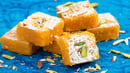
Soan Papdi is popular throughout India; however, Punjabi Patisa has its own distinct identity. Made with gram flour (besan), sugar syrup, and ghee, the special preparation method of pulling and folding the ingredients together results in a fine fibrous strand formation throughout the sweet.
When the mixture is pressed into blocks, the fibrous strands create a flaky structure, which will easily break apart. Despite the rich ingredients used, the texture remains light and airy. Because the sweet will often dissolve in your mouth after one bite, you are left with a slight sweetness and a delicate nutty taste.
Malpua with Rabri
Malpua is a syrup-soaked pancake made from flour-based batter. The batter is fried in ghee until it is crispy around the edges and has a golden brown color.
Once the malpua has been fried, it is dipped in a sugar syrup so that the pancake can absorb the sweetness of the syrup while still retaining some crispiness on the surface and a soft, spongy centre.
Serving the malpua along with Rabri, which is made by slow-cooking milk until it thickens and becomes creamy, results in an enriched dessert. Serving the rabri cold against a warm malpua creates a contrast of temperature while providing a variety of textures through the crisp edge, soft centre, and thick milk topping.
The Takeaway
The love of Punjabi desserts is celebrated through their bold flavours, high-quality ingredients, and hospitality associated with festivals in the region. Whether you are in a traditional sweet shop or in someone’s family home, desserts such as these shape celebrations. By exploring well-known sweets that originated in Punjab, one can explore the traditions that have developed over many years. The ingredients, milk and ghee, are staples within Punjab’s cuisine and are frequently used with seasonal fruit/vegetables to create culinary masterpieces.
Like This Article?
More Like This


Popular Articles


Trending Web Stories


Curated Recipes


