






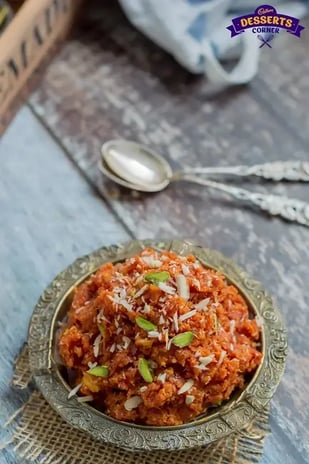


Once the halwa reached the Indian subcontinent from Persia, locals quickly made it their own. Today, there’s a large variety of halwas one can find, sprinkled in different regions of the country.
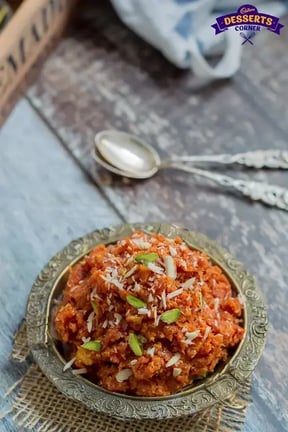
The Gajar Ka Halwa is the most popular winter dessert of India. It symbolizes a home-cooked celebration dish that millions of Indians cook at their homes during the winter season. This traditional Indian dessert has its history of being prepared for more than 200 years. Once the halwa reached the Indian subcontinent from Persia, locals quickly made it their own. This article will discuss the history of Halwa and various recipes in different parts of India and describe various types of sweet dishes known as halwa.Today, there’s a large variety of halwas one can find, sprinkled in different regions of the country. For a home cook in India, making halwa is almost like a rite of passage. It’s time-consuming, taking over an hour to make, and it can be tricky to get the measurements of the ingredients and cooking techniques just right. It can burn easily or remain raw if not cooked enough. The taste could be funny if the proportions of ingredients are off. But it’s a fun and satisfying dessert to make once you've gotten the hang of it. Special occasions and festivals often see halwa being made in many Indian homes. And up in the north, during the winter season, the hot, ghee-laden halwa helps keep people warm.
The Many Types of Halwa Found Across India
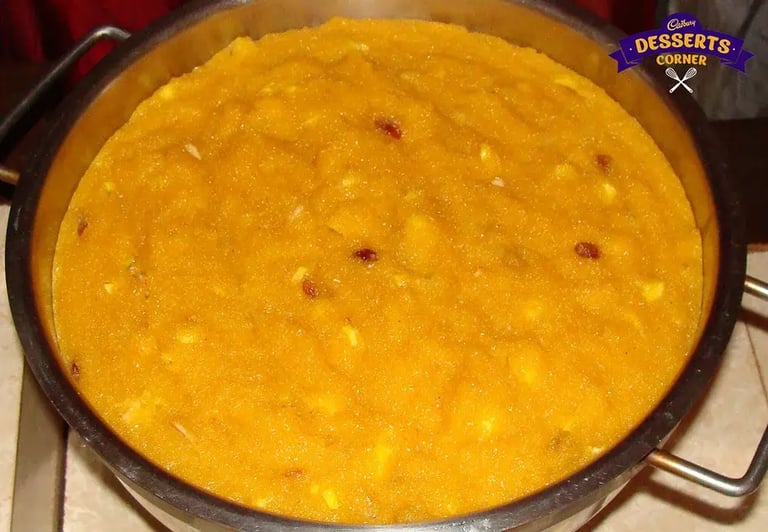
Halwa is a textured dessert that comes in several varieties across India, with everyone adapting it to their own tastes and locally available ingredients. Among them are Rajasthan’s moong dal halwa, Pune’s hari mirch halwa, West Bengal’s scholar dal halwa, UP and Bihar’s anda halwa, Karnataka’s kashi halwa, Kerala’s karutha halwa, and other varieties including badam ka halwa, gajar halwa, and more.
- Moong Dal Halwa (Rajasthan) – Rich, slow-cooked lentil halwa popular during weddings and winters.
- Hari Mirch Halwa (Pune) – A unique sweet preparation made with green chilies.
- Chola Dal Halwa (West Bengal) – Dal halwa made with split Bengal gram, relished during Durga Puja and weddings.
- Anda Halwa (UP/Bihar) – An egg halwa, not very popular but very rich.
- Kashi Halwa (Karnataka) – Made with ash gourd, it is a specialty of Udupi Brahmins, prepared on occasions like weddings.
- Karutha Halwa (Kerala/Kozhikode) – The black halwa made with rice, jaggery, and coconut oil, a specialty of the coastal regions influenced by the Arabs.
- Badam Ka Halwa – This almond halwa is relished across the country during festivals and special occasions.
- Gajar Ka Halwa – India’s most popular sweet dish, the star of this blog.
The Origin and History of Halwa: From the Ottoman Empire to Indian Kitchens

The history of halwa is extensive and covers several periods and regions. There are several theories about the origin of this sweet dish and its spread to Indian kitchens. Its origins are slightly contentious, but it’s certainly a foreign dish that was popularized in the country. The word halwa comes from the Arabic word ‘hulw,’ meaning sweet. The process of cooking the halwa apparently comes from the Ottoman Empire, where Suleiman, the 10th and longest-ruling Sultan, had a separate kitchen where only sweet items were made. Halwa was one of the more popular dishes there, made at the time using starch, fat, and a sweetener.
Another theory suggests that halwa comes from the Turkish ‘helva,’ which itself comes from the Byzantine Empire, around the 12th century CE. Many food historians agree that the first halwa recipe is seen in the 13th-century Arabic book Kitab al-Tabikh (The Book of Dishes) by Muhammad Ibn al-Hasan Ibn al-Karīm. The book has not just one but eight halwa recipes. According to Guzishta Lucknow, a book by Abdul Halim Sharar, halwa reached the Indian subcontinent through Persia. But another book, Feasts and Fasts, by Colleen Taylor Sen, says that it came to the subcontinent between the 13th and 16th centuries, to the Delhi Sultanate, during Mohammad Bin Tughlaq’s rule.
The 16th-century text Ain-i-Akbari by Abul Fazal, Akbar’s court historian, mentions halwa as one of the dishes Akbar ate during safiyana, which is the 10 days when he abstained from meat. Thomas Roe’s chaplain Edward Terry mentions halwa as an item eaten by poorer Muslims during breakfast, alongside naan, keema and dried fruits.
The enduring appeal of gajar ka halwa lies in its ability to balance the sweetness of the sugar with the natural earthiness of the carrots, creating a dessert that is indulgent but not overpowering. Its velvety texture, rich aroma, and refreshing flavor captivate food enthusiasts the world over, ensuring its position as a global favorite when it comes to desserts.
Gajar Ka Halwa Recipe (Traditional Method)
Here’s a recipe for the super famous gajar ka halwa, or carrot halwa:
Ingredients:
- 8 carrots, grated
- 4 cups whole milk
- 4 tbsp ghee
- 12 tbsp sugar
- 1 tsp cardamom powder
- 12 cashews, chopped
- 12 almonds, sliced
- 2 tbsp raisins
- 1 pinch saffron strands
Directions:
- Rinse, peel, and grate the carrots.
- In a kadhai, add the milk and grated carrots. Let it come to a boil on low heat until it starts to simmer. Keep stirring occasionally to make sure it doesn’t stick to the sides of the vessel.
- The milk will start reducing and evaporating as the carrots cook. Once the milk is 75% cooked, add the ghee, sugar and cardamom and mix well.
- Once the mixture is close to being cooked, add the cashews, almonds, saffron and raisins. Keep simmering until all the milk has evaporated and turn off the stove.
- Serve warm with chopped nuts as garnish.
Expert Tips for Making the Perfect Gajar Ka Halwa
For the best carrot halwa recipe, these six simple techniques can improve the flavor, color, and texture.
-
Use fresh red carrots (laal gajar) to get the best color and sweetness out of your halwa. Avoid using fibrous or dry carrots. The carrots should give out some water when you press them.
-
Do not grate the carrots finely. Use a medium grater.
-
The finer the carrots are grated, the more water they release, leading to a mushy halwa.
-
Use a heavy-bottomed kadhai or iron pan to avoid the carrots and milk from burning.
-
To get that perfect color and aroma, try to roast the grated carrots in ghee before adding the milk. It also helps in removing any raw smell from the carrots.
-
Use full-toned milk to extract maximum richness out of the halwa. Also, do not add sugar at the beginning when the milk is added.
-
Add sugar when the milk has reduced to 75-80%. Adding sugar at the beginning will increase the cooking time by a great margin.
-
Once you are done cooking, give it a rest for five minutes before serving. It will allow the halwa to set slightly better and give you an improved texture.
Frequently Asked Questions
What type of carrot is best for gajar ka halwa? 
Freshly sliced red carrots (laal gajar) are best because they're sweet, juicy, and tender. They create the traditional color and flavor expected from a classic gajar ka halwa recipe.
How long does gajar ka halwa take to make?
The traditional gajar ka halwa recipe requires a longer cooking time (about 60-90 minutes) depending on the quantity and the method used to prepare the dish. But slow cooking helps to extract the flavors from the milk completely and to make the carrots tender.
What is the difference between gajar ka halwa with khoya vs condensed milk?
Khoya gives gajar ka halwa a rich, creamy, traditional taste, while condensed milk is sweet and makes the dessert ready faster. Khoya also makes the dessert denser, while using condensed milk makes it softer and sweeter.
Where did halwa originally come from?
The history of halwa is believed to be in the Middle East, where it was influenced by Arabic, Turkish, Persian, and Ottoman cultures. It was later brought to the Indian subcontinent, where it was further modified and expanded upon, resulting in hundreds of different recipes.
Why does gajar ka halwa burn at the bottom?
Gajar ka halwa can burn when cooked over high heat, especially after the milk begins reducing. A heavy-bottomed pan, low heat, and frequent stirring help prevent scorching and ensure even cooking.
How do you store gajar ka halwa, and how long does it last?
You can store the prepared gajar ka halwa in an airtight container in the refrigerator for up to 3-4 days. Always reheat the halwa before consuming and avoid leaving it at room temperature for too long.
What are the most popular types of halwa in India?
Other types of halwa include sooji halwa, moong dal halwa, atta halwa, badam halwa, besan halwa, and ash gourd halwa. Each uses different ingredients and reflects regional cooking traditions.
Like This Article?
More Like This



Popular Articles


Trending Web Stories


Curated Recipes