










Treat yourself to Navratri fasting desserts that bring the perfect balance of simplicity and sweetness to your festive meals.
Introduction
Fasting during Navratri is not merely about abstaining from eating certain foods—it's a period of devotion, tradition, and indulging in special foods that make the festival all the more special. If you've ever caught yourself wanting something sweet during this period, you're not alone. Desserts are a part of every celebration and fasting during Navratri alows a range of sweets that are within dietary recommendations but still provide you with your sweet fix.
Made from ingredients such as makhana, kuttu, sabudana, and jaggery, these sweets are not only easy to make but are also full of festive spirit. Whether you have a penchant for creamy kheer, nutty ladoos, or soft barfi, there is something for all to enjoy on Navratri. Here are 9 fasting-friendly sweets that can add sweetness to your festive spread without violating the age-old fast laws.
Best Desserts for Navratri Fast
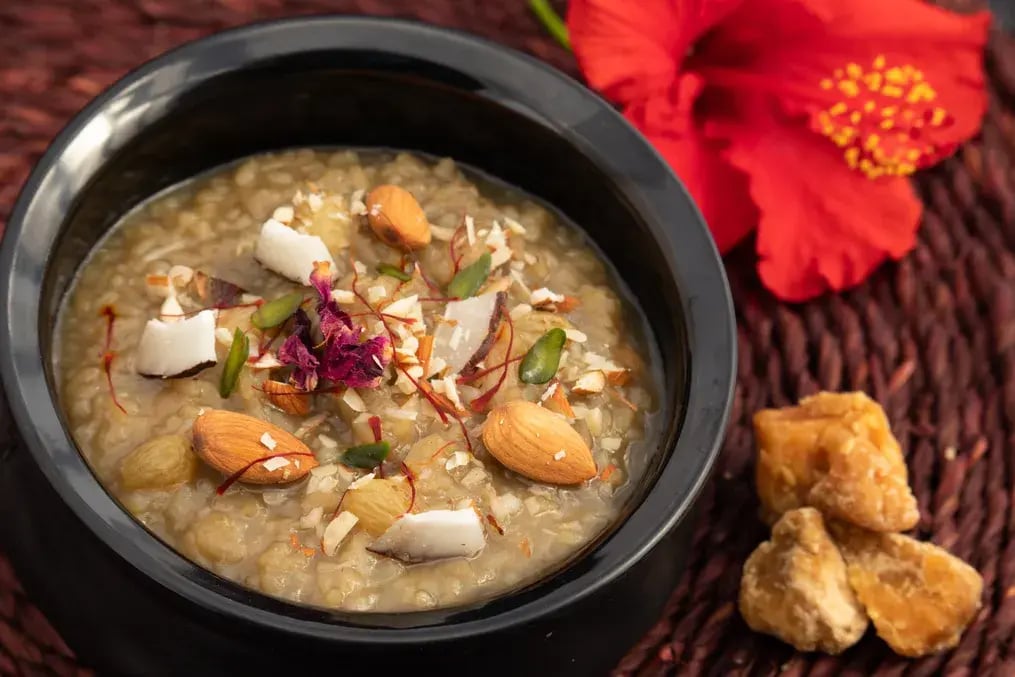
The best desserts for Navratri fast use vrat-approved ingredients such as makhana, sabudana, samak rice, rajgira, fruits, nuts, milk, and jaggery. Fasting-friendly sweets should avoid commonly restricted grains and ingredients. Kheer, halwa, ladoos, and fruit-based desserts can all be adapted to make delicious sweets for Navratri fast.
Paal Payasam
A traditional South Indian dessert, Paal Payasam is a creamy kheer pudding prepared with samak (barnyard millet) rather than regular rice during Navratri. The millet is simmered in milk slowly until it softens and sweetens using jaggery or sugar. Cardamom and saffron impart a subtle fragrance, and chopped almonds and cashews add richness. The dessert is a must-try for kheer lovers who need a fasting-friendly alternative with the same warmth and comfort.
Kuttu Halwa
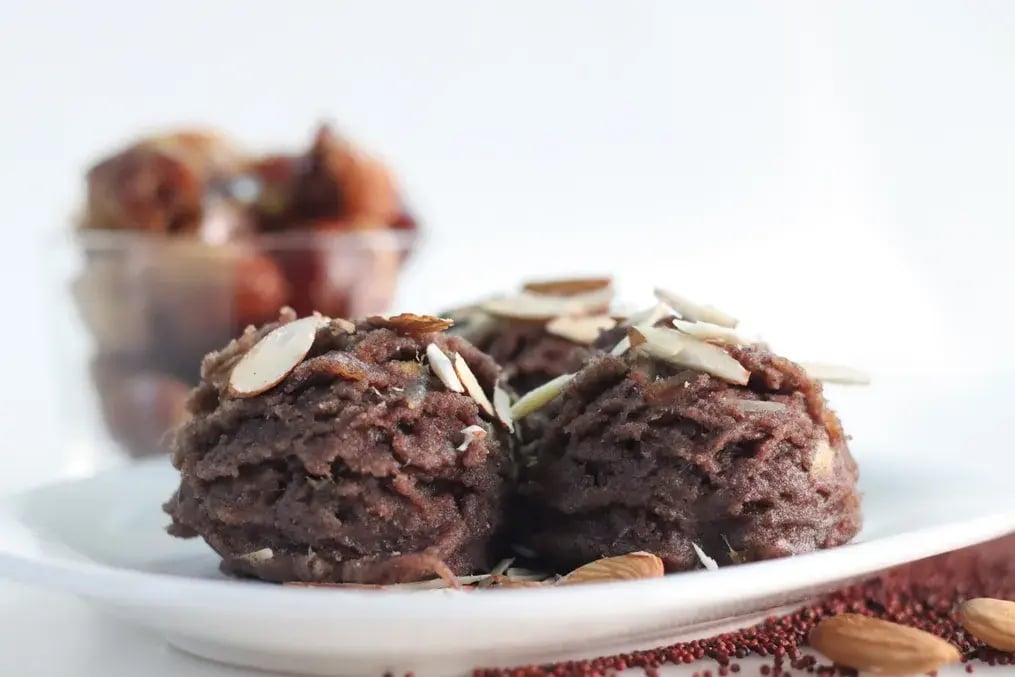
Kuttu ka atta (buckwheat flour) is a Navratri favorite, normally reserved for puris and pakoras. But it also turns out to be a wonderful halwa. Roasted in ghee and mixed with hot sugar syrup, this halwa is easy but richly satisfying. A little cardamom flavoring and a sprinkle of ground nuts such as cashews and almonds make it richer. Kuttu halwa is comforting, soothing, and an excellent energy booster after a fasting day.
Lauki Barfi
Lauki or bottle gourd is a water-rich vegetable that is frequently consumed during fasting days. Lauki Barfi is a healthy dessert prepared by shredding bottle gourd, sautéing it in ghee, and cooking it with milk and sugar until it becomes thick. Cardamom is added for flavor, and the mixture is set in squares or rounds to serve. The barfi is soft in texture, subtly sweet, and a great treat after a light fasting meal.
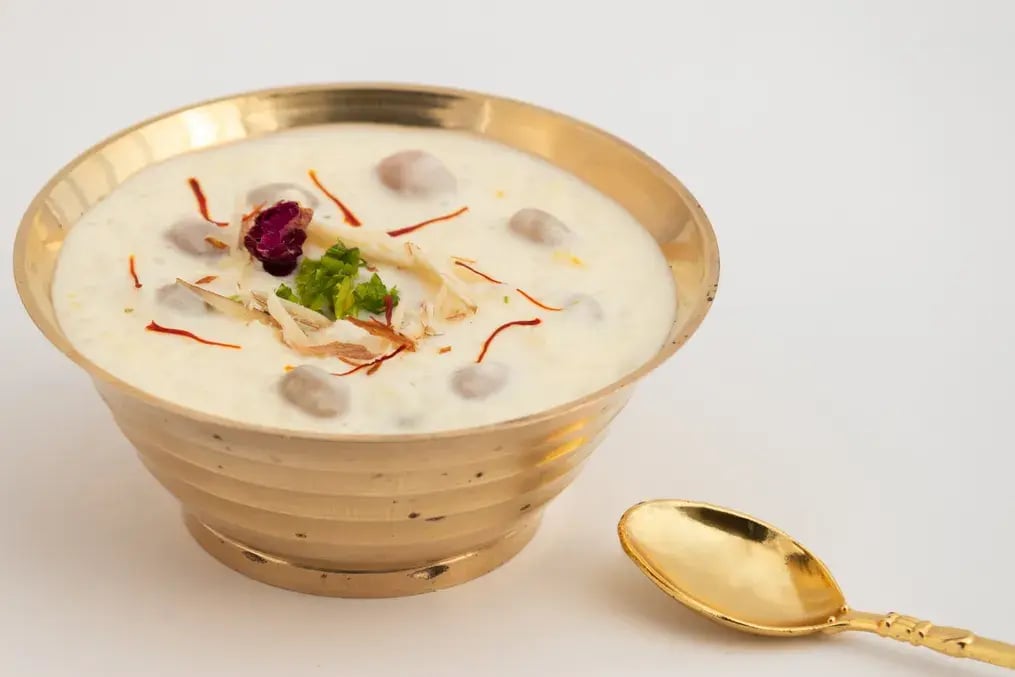
Makhana Kheer
Fox nuts, or makhana, is a staple of fasting food with its light and nutritious appeal. Makhana Kheer is made by roasting the fox nuts in ghee, grinding them a little, and cooking them in milk till they become soft. Served sweetened with sugar or jaggery and scented with cardamom, this kheer is smooth and delicious. A sprinkling of chopped almonds and raisins adds the celebratory flourish to it, so it makes a warm and hearty dessert food when fasting at Navratri.
Sabudana Kheer
Sabudana or tapioca pearls are a fasting food staple, and Sabudana Kheer is one of the easiest desserts to make. The pearls are soaked, and they are then cooked with milk until they become transparent and soft. They are sugar-sweetened and cardamom-flavored, and the kheer is light on the stomach and creamy. It is all the more special when garnished with chopped pistachios, almonds, and saffron for the festival.
Dried Fruit Rabri
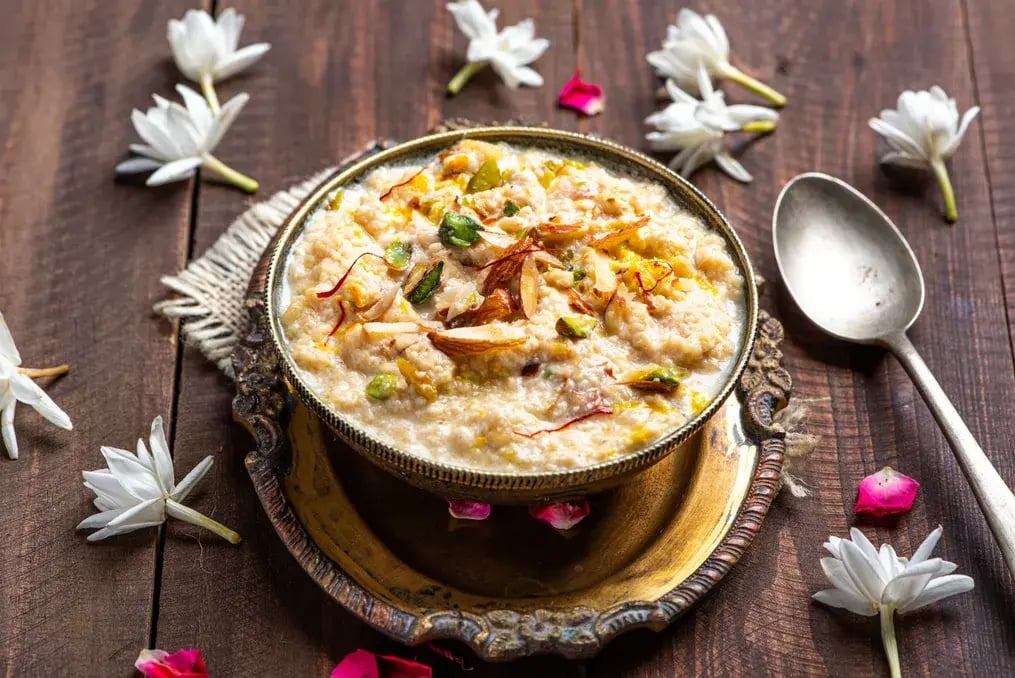
Rabri is a lavish dessert prepared by slow evaporation of milk to thicken it; but a fasting version for Navratri can be prepared using dried fruits. It is prepared by grinding nuts like almonds, cashews, and walnuts into a semi-coarse paste, which is then boiled with milk and sweetened using jaggery or sugar. It produces a rich, nutty dessert with an indulgent quality but adhering to the fasting diet. Honey or saffron threads as an addition help in its overall flavor.
Rajgira Ladoo
Rajgira, or amaranth, is one of the most convenient grains to consume during Navratri fasting due to its high protein content and ease of digestion. Rajgira Ladoo is an easy dessert that requires minimal effort, prepared by roasting rajgira seeds, blending them with melted jaggery, and molding them into small, easy-to-carry ladoos. The earthy flavor of amaranth pairs well with the natural sweetness of jaggery, and the ladoos prove to be a healthy and invigorating snack during the festival.
Gud ke Chawal (Samak Rice Kheer)
Samak rice or barnyard millet is usually used in fasting food as a substitute for regular rice. In this dessert, the millet is boiled in water and jaggery, and the dish turns soft and slightly sweet like jaggery rice pudding. A pinch of cinnamon or cardamom added to it helps in the enhancement of its taste, and some chopped nuts added to it help in making it richer. The dish is healthy, filling, and well-suited to end a fasting meal on a sweet note.
Ingredients Commonly Used in Navratri Desserts
- Vrat-friendly desserts rely on ingredients that are traditionally permitted during Navratri fasting. The exact rules can vary by household and region, so always follow your family's fasting practices.
- Samak Rice: Also called barnyard millet, it is commonly used instead of regular rice in fasting recipes. It can be used to prepare kheer or other sweet dishes.
- Makhana: Fox nuts are often roasted and added to kheer or ground into dessert mixtures. They provide carbohydrates and minerals while adding a pleasant texture.
- Sabudana: These tapioca pearls are widely used during fasting and can be cooked with milk to make creamy Sabudana Kheer.
- Rajgira: Amaranth flour is a popular grain alternative for vrat recipes and can be used in halwa or sheera.
- Jaggery: Jaggery can provide sweetness in place of refined sugar and pairs well with coconut, nuts, rajgira, and other festive ingredients.
Easy Navratri Dessert Recipes to Try at Home
- Choose a dessert according to the time and effort you want to spend in the kitchen.
- Quick and beginner-friendly: Fruit chaat, coconut ladoos, and simple makhana sweets require minimal preparation and are easy to assemble.
- Easy stovetop recipes: Makhana Kheer and Sabudana Kheer need basic cooking but offer a creamy, festive result. Serve them chilled or slightly warm in individual bowls.
- Moderate-effort options: Rajgira Sheera and dry-fruit ladoos require more cooking or shaping but can be prepared in batches.
- For festive gatherings: Prepare a combination of kheer, ladoos, and halwa to create a varied dessert platter for family and guests.
- Always check that every ingredient used is permitted under your specific Navratri fasting tradition.
Common Mistakes to Avoid When Making Vrat Desserts
- Using restricted ingredients: Check every ingredient, including thickeners, flavorings, and packaged products, against your fasting rules.
- Overcooking kheer: Excessive cooking can make milk-based desserts too thick after cooling.
- Adding too much liquid: Gradually add milk or water to maintain the desired dessert consistency.
- Skipping roasting: Lightly roasting makhana, nuts, or flour can improve flavor and texture.
- Adding sweetener too early: Adjust jaggery or sugar gradually to avoid making the dessert overly sweet.
- Storing while warm: Let desserts cool before transferring them to airtight containers to prevent excess moisture and texture changes.
Frequently Asked Questions
Which desserts are allowed during Navratri fasting? 
Makhana Kheer, Sabudana Kheer, Rajgira Sheera, fruit-based desserts, and certain nut or coconut sweets can be suitable, depending on individual fasting rules.
Can chocolate desserts be made for Navratri fast?
Yes, chocolate desserts can be adapted using fasting-friendly ingredients, provided the chocolate and all other packaged ingredients meet your fasting requirements.
What ingredients are used in vrat desserts?
Common ingredients include makhana, sabudana, samak rice, rajgira, fruits, nuts, coconut, milk, and jaggery.
Which vrat dessert is easiest to make?
Coconut ladoos, fruit-based desserts, and simple makhana sweets are among the easiest options for beginners.
Like This Article?
More Like This



Popular Articles


Trending Web Stories


Curated Recipes