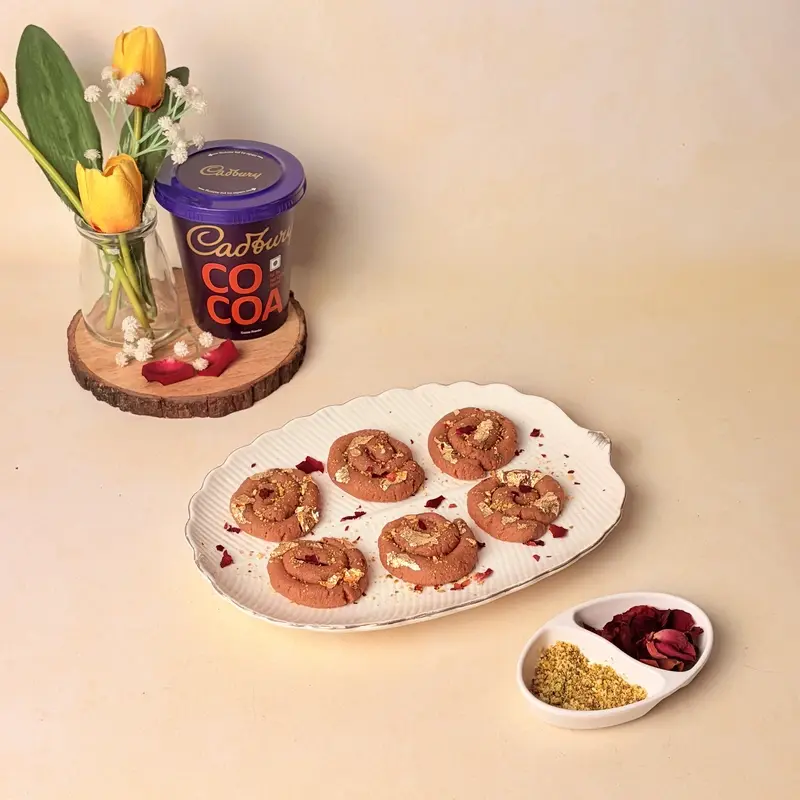












Indulge in the delectable Kuttu Halwa, a wonderful, sweet delicacy that will elevate your Navratri fasting.

Why Kuttu Halwa Is Popular During Navratri

During Navratri, did you ever crave anything delicious that does not go against your fasting practices? Navratri, India's prominent festival, is observed with nine days of devotion and fasting. Kuttu ka atta, or buckwheat flour, is used as a staple during the period of Navratri fasting since it falls into the non-cereal category, thus making it safe for consumption. Aside from its religious justification, Kuttu is nutritionally dense. It has all nine essential amino acids, giving vegetarians a full protein source. It is also high in fiber, which facilitates digestion and makes you feel full for longer. The complex carbohydrates in buckwheat provide sustained energy throughout the day, which is especially useful during fasting when many food choices are restricted. Adding Kuttu Halwa to your Navratri diet not only quenches your sweet tooth but also provides you with essential nutrients to help your body cope with its demands during the fast.
Ingredients for Kuttu Halwa
Ingredients:
- 1 cup kuttu ka atta (buckwheat flour)
- 1/2 cup sugar or jaggery (can be adjusted according to individual preference)
- 2 cups water
- 4 tablespoons ghee (clarified butter)
- A few chopped nuts (like almonds, cashews)
- 1/2 teaspoon cardamom powder
How to Make Kuttu Halwa
Roast the Kuttu Flour
-
Melt ghee in a pan over medium flame.
-
Add kuttu ka atta and roast until golden brown and it smells nutty.
Add Water and Sweetener
-
In a separate vessel, boil sugar or jaggery with water, dissolving it.
-
Slowly add the hot sugar solution to the roasted flour, mixing well to avoid lumps.
-
The halwa should be smooth, soft, and slightly glossy in consistency, not too runny or dry.
Finish with Ghee, cardamom, and Nuts
-
Simmer the mixture until it becomes thick and starts leaving the edges of the pan.
-
Add cardamom powder and chopped nuts. Serve warm, with extra nuts sprinkled over it if liked.
Tips for Soft and Lump-Free Kuttu Halwa
Tips:
- Make sure that the buckwheat flour is well roasted in ghee until it reaches a golden brown color and gives off a nutty aroma.
- Roast it over low-to-medium heat, stirring constantly to avoid the flour from burning.
- This process is very important as it brings out the flavor of the halwa and removes any rawness.
- At all times, add melted sugar or jaggery syrup to the roasted flour. This method ensures a smooth consistency and avoids lump formation, producing a velvety halwa.
- While adding the syrup to the flour, continuously stir the mixture. The constant stirring maintains an even texture and avoids halwa sticking to the pan or developing unwanted lumps.
- The addition of cardamom powder not only gives a beautiful aroma but also adds to the overall flavor of the halwa. Fresh ground cardamom is what should be used for an authentic and strong taste.
- Add crunch and richness to your Kuttu Halwa by garnishing it with chopped almonds, cashews, or pistachios. Roasting the nuts lightly before adding them will add an extra crunch and flavor to the dessert.
Serving and Storage Suggestions
-
Serve hot and garnished with chopped nuts or a light dusting of cardamom powder.
-
Store leftover kuttu ka halwa in an airtight container and refrigerate for up to 2-3 days.
-
Reheat with a splash of water or milk to loosen it up before serving.
3 Other Halwas to Enjoy During Navratri Fasting
Singhara Halwa (Water Chestnut Flour Halwa):
Singhara atta, or water chestnut flour, is yet another staple in Navratri. To make Singhara Halwa, roast the flour in ghee until it is light brown in color. Next, add boiling water and continue to cook until the mixture thickens. Add sugar and garnish with nuts. This halwa has a distinct flavor and is healthy as well as filling.

Lauki Halwa (Bottle Gourd Halwa):
Bottle gourd, grated and cooked in ghee, sugar, and milk, forms lauki ka halwa. It is a special Navratri treat.

Rajgira Halwa (Amaranth Flour Halwa):
Rajgira, or amaranth flour, is a fasting-friendly, protein-rich grain. Roast the flour in ghee until golden and then mix in boiling water. Cook until the mixture achieves halwa consistency. Sweeten with sugar or jaggery and garnish with nuts. The halwa is not just yummy but also loaded with nutrients, making it an ideal choice for Navratri.

Frequently Asked Questions
Is Kuttu Halwa allowed during Navratri fasting? 
Yes, Kuttu ka halwa is mostly suitable for Navratri fasting, as buckwheat flour is often used as a vrat-friendly substitute.
How do I prevent lumps in Kuttu Halwa?
To get smooth kuttu halwa, you can add the hot liquid to the well-roasted flour while stirring to avoid lumps.
Why does my Kuttu Halwa become too thick?
The kuttu ka halwa tends to get thick, either due to insufficient liquid or overcooking. In such cases, you may add a bit of hot water and stir to get a thinner consistency.
Can I make Kuttu Halwa with milk instead of water?
Yes, you can also add milk to prepare a richer kuttu halwa. You need to add it gradually while stirring and then let the mixture cook until it reaches a soft and smooth consistency.
Like This Article?
More Like This




Popular Articles


Trending Web Stories


Curated Recipes