

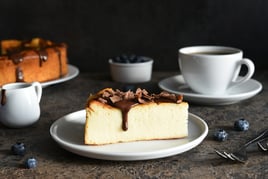




There are so many kinds of cheesecakes in the world, and each has a distinct style, including the Japanese cheesecake that is airy, jiggly, and light
What Makes Japanese Cheesecake Different?
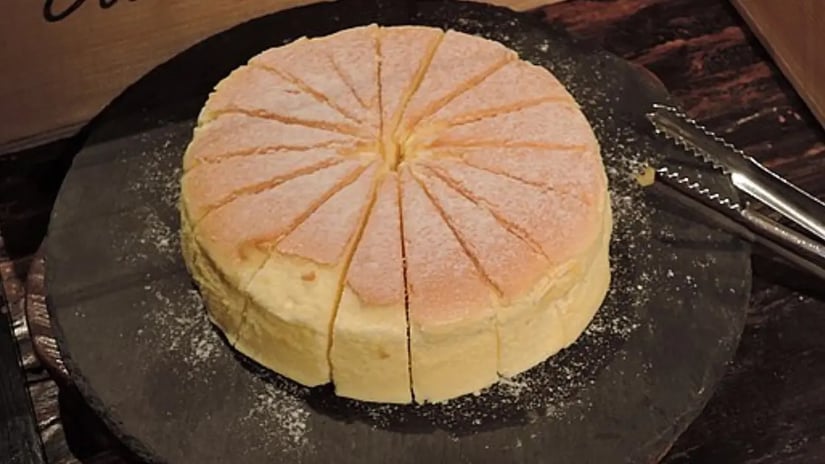
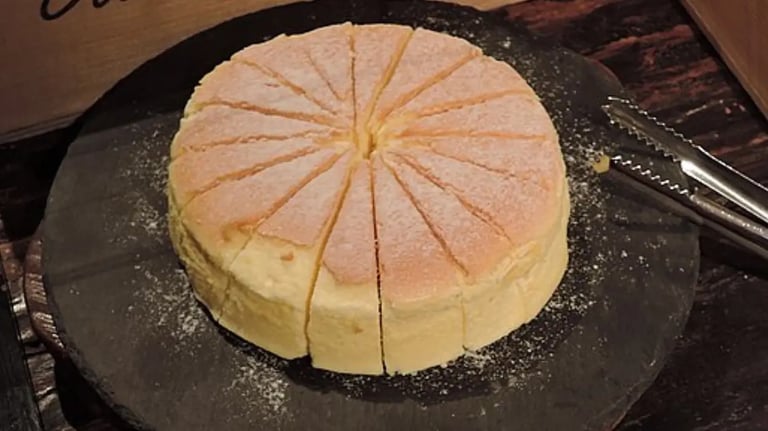
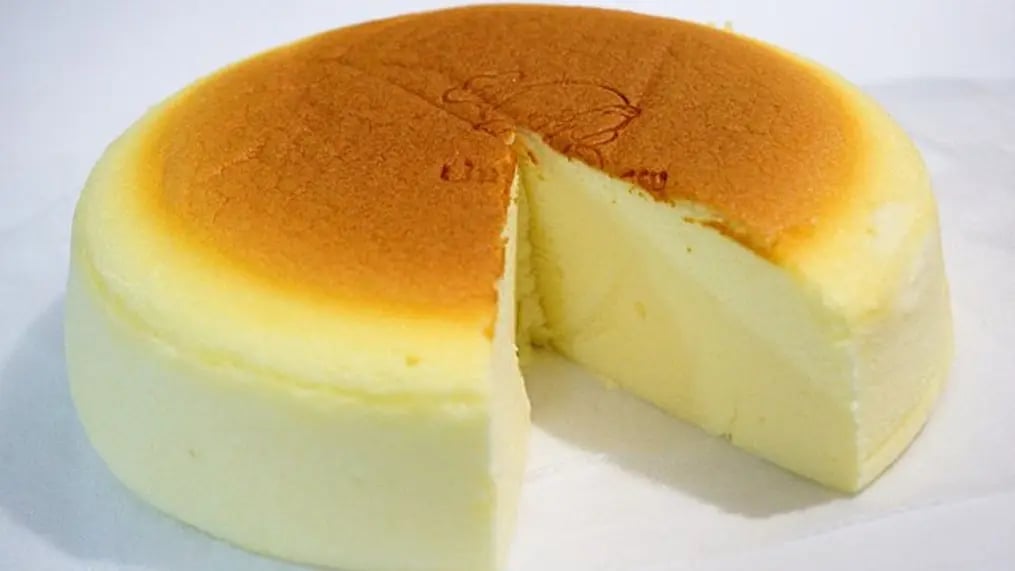
What makes the Japanese cheesecake different from the classic version of the modern cheesecake? And as for the modern cheesecake, it might be far from what the Greeks were eating, but the typical cheesecake has a crumbly cookie crust with a thick cream cheese topping, which is baked in a water bath. The texture is dense and sweet with a slight quiver in the centre. That's hardly the case with the Japanese cheesecake that is soufflé-like and airy and might be mistaken for a sponge cake at first sight, but it's a cheesecake alright. Its fluffiness gives it an endearing jiggle, often referred to locally as “fuwa-fuwa,” which is a trademark of all Japanese cheesecakes. Two kinds of cheesecake varieties are prepared in Japan, which we'll get to later. Firstly, let’s take a look at its history.
The Origins of Cheesecake
Cheesecake has been around for at least 776 BC in Ancient Greece, where it was fed to Olympic athletes as an energy booster. Even before this, it was said that Athenaeus, a scholar and a known gourmand, popularised the cheesecake in 230 AD. In waltzed the Romans after, with their invasions and quest for world conquests, and then took the cheesecake on a world tour. As for how it debuted on the Japanese shores, that's another tale we'll get to shortly.
The Greek version used flour, wheat, honey, and cheese that was more pudding than cake, and the Romans didn't take long to popularise it all over Europe because puddings and custards were something they ate regularly, and back then it was mostly savory, so cheesecake’s ancestor might've been a pleasure for them to eat.
As for how it crossed the pond, let's not just leave Europe yet, for it was in medieval Poland where local fresh cheeses were mixed with creme patisserie and fermented raw milk to form the earliest version of the American cheesecake. Polish immigrants took this recipe to America, and with the advent of mechanization and the US’ insufferable love for cheese, it led to the manufacture of cream cheese eventually in the late 1800s. The Polish cheesecake recipes got a makeover, and the New York Style cheesecake and other similar cheesecakes were born.
How Japanese Soufflé Cheesecake Was Born
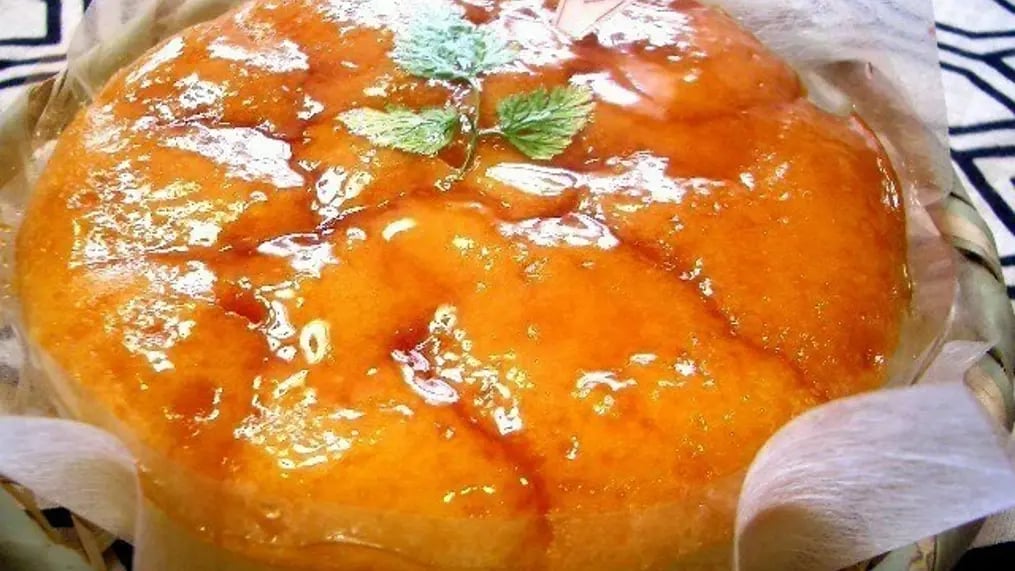
Way before the chef who brought the modern iteration of the soufflé cheesecake, the country during its Meiji era was being prodded to try foreign goods, but to no avail, and the cheesecake didn't exactly appeal to the local palate. The first cheesecake in print appeared in a cookbook in 1873, which wasn't anything like the Western cheesecake.
Japan got its first taste of the American-style baked cheesecake, with Philadelphia cream cheese, after World War II via American soldiers stationed in Japan. Hopping to the next era in Japan, during the Showa Period (1926-1989), soft cottage cheese and cream cheese were introduced in the country. These two ingredients were something of a novelty for Japan, which is a bit averse to changes, and they slowly took to it like a Boomer to social media.
How Japanese Cheesecake Became a Global Favorite
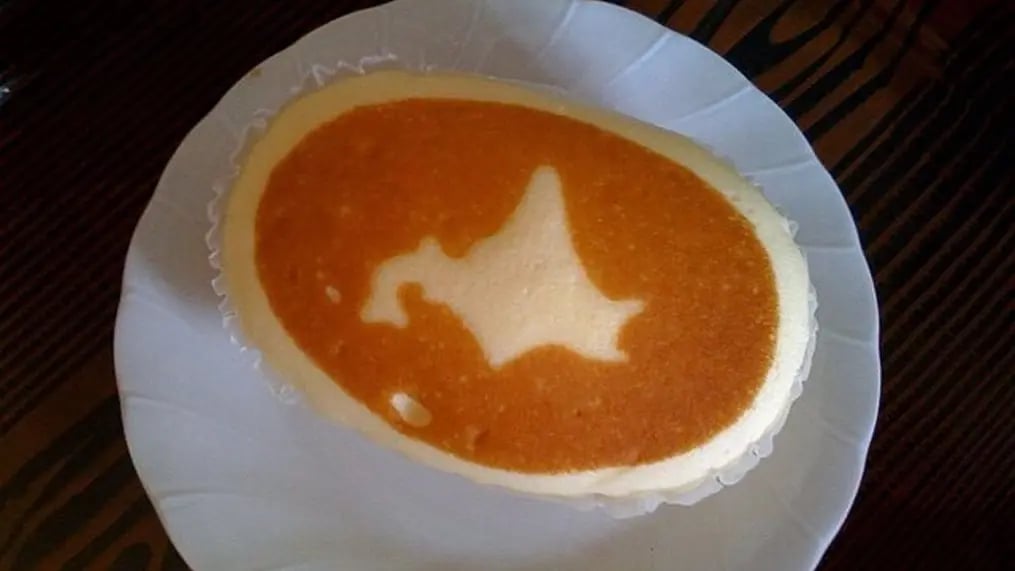
By the 1950s, refrigeration also took off in Japan, and using these non-local items in local confectioneries became more mainstream. Naturally, a bunch of skilled bakers also emerged who took to this novel occurrence like fish take to water. One of them was Tomotaro Kuzuno, the owner of Kobe’s Morozoff, who took a trip to Europe, Germany in particular. There he discovered the German cheesecake called käsekuchen, which completely enthralled him. He combined his knowledge of the German cheesecake and the American cheesecake that was still liked by the Japanese, and thus was born the wobbly and airy soufflé cheesecake of Japan.
It didn’t take long for Japan to grow fond of this special cheesecake, and Rikuro Ojisan in Osaka was one of the first commercial chains to sell this cheesecake. Things took a turn for the better, as women's magazines with models posing with the cheesecake, around the 1970s, spurred the cheesecake into the spotlight. As Japan’s obsession with cheese grew, desserts like tiramisu and more local confections that extended to the beloved local steamed buns also grew.
Japanese Cheesecake vs. New York Cheesecake
As for the current modern varieties, the souffle cheesecake variety remains popular and sticks to the German cheesecake’s qualities – less fatty, fewer calories as a result, and less sweet. This one is a baked version distinct from the traditional New York style. It uses a meringue made from egg whites blended into the cream cheese, which is then baked in a water bath. The second variety, known as the “rare” cheesecake, is Japan's spin on the Western unbaked style cheesecake. Instead of cream, it utilizes a base of cream cheese and yogurt, mixed with a gelling agent, which could be either agar-agar or gelatin. It was tangy and sour compared to the baked one.
Frequently Asked Questions
What is Japanese cheesecake? 
It is a light, fluffy dessert which is known very well for its soft, jiggly texture and delicate sweetness. It combines cream cheese, eggs, and a meringue batter, which creates a cheesecake that feels airy and light inside your mouth.
Why is Japanese cheesecake so fluffy?
It gets the signature fluffiness from whipped egg whites, which are folded gently into the batter. The trapped air then expands while baking, creating a soft, airy texture. A water bath also helps it cook evenly without drying out.
What is the difference between Japanese cheesecake and New York cheesecake?
Japanese cheesecake has a light, airy, and jiggly texture with a gentle sweetness. On the other hand, New York cheesecake is dense, rich, and creamy, which also offers a stronger flavor.
Who invented Japanese soufflé cheesecake?
Japanese soufflé cheesecake is widely credited to be invented by Tomotaro Kuzuno, who developed it after encountering German cheesecake and adapting it with a lighter texture.
What inspired the Japanese cheesecake recipe?
It was inspired by European-style cheesecakes, especially the German varieties. Japanese bakers adapted these recipes by mixing whipped egg whites along with gentler baking methods, which created the signature airy, soft, and jiggly texture that is loved today across the world.
Like This Article?
More Like This

Popular Articles


Trending Web Stories


Curated Recipes