

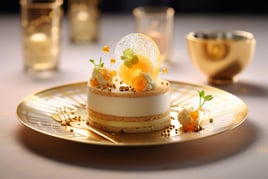


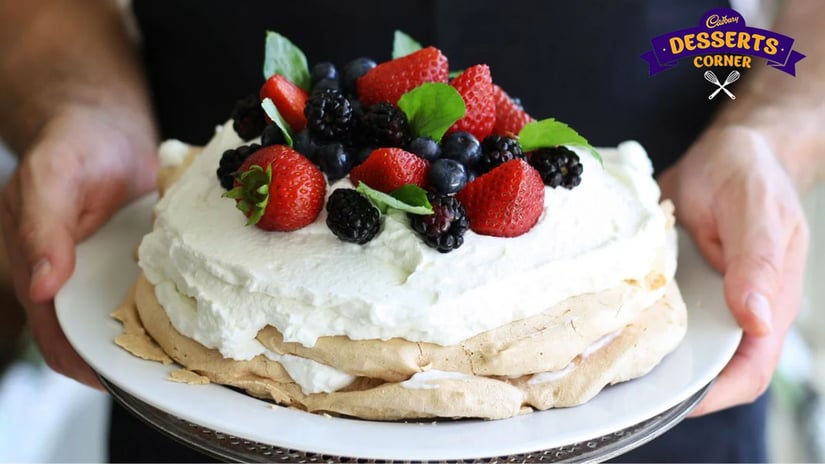


Make the perfect pavlova with its crisp exterior, soft marshmallow center, and fresh fruit toppings, an ideal dessert for any celebration.
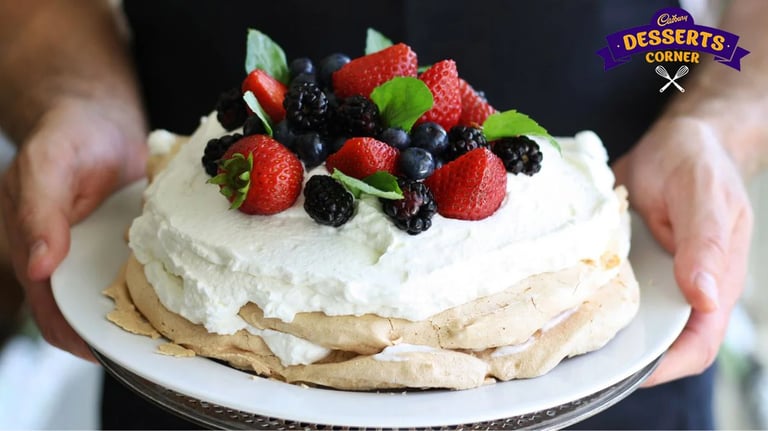
The origins of the Pavlova can be traced back to the 20th century. The story behind its creation is as captivating as the dessert itself, deeply entwined with the rivalry between Australia and New Zealand. Both nations proudly claim ownership of this treat, resulting in a sweet dispute. Legend has it that this dessert was initially devised in honor of Anna Pavlova, the ballerina who toured both countries during the 1920s.
The birth of the Pavlova was undoubtedly an achievement in innovation—a response to capture the ethereal grace and lightness embodied by this extraordinary dancer. Inspired by her elegance, chefs set out to create a dessert that would encapsulate these qualities perfectly, hence giving rise to what we know as the Pavlova. The Pavlova dessert recipe brought an innovative texture to the world of desserts departing from the heavier options that were popular at the time.
The Evolution of Pavlova
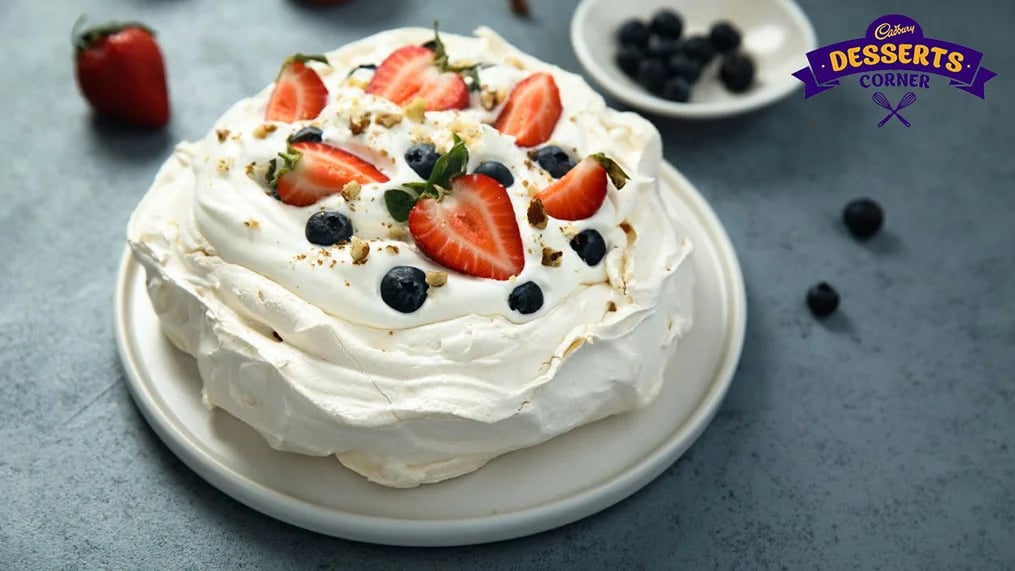
Throughout the years, the Pavlova dessert has undergone transformations reflecting changing trends and local ingredients. Starting as a meringue with a center, it gradually evolved into a blank canvas for creative experimentation. Both professional chefs and home cooks began exploring toppings ranging from choices like kiwifruit and strawberries to more exotic fruits, like passion fruit and mango.
Because its base ingredients consisted of egg whites and sugar, countless variations emerged. Some cooks added cornflour and vinegar to stabilize the meringue while others experimented with types of sugar to achieve desired textures and levels of sweetness. The Pavlova dessert adapted to its surroundings by absorbing flavors and incorporating fruit varieties.
Pavlova’s Global Cousins
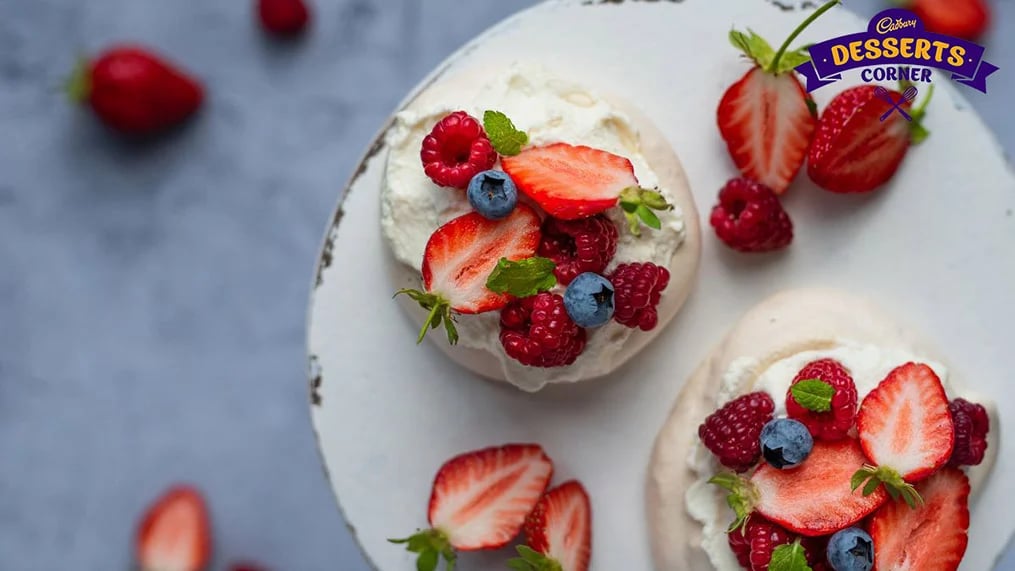
While Pavlova is known for its meringue foundation, similar meringue-based desserts exist in cultures worldwide. In France, there's Meringue—a crispy confection often filled with cream or fruits. Italy’s Torta Pavlova also shares similarities, often incorporating nuts and chocolate into its recipe. The Eton Mess, a dessert originating from Britain, deconstructs the Pavlova by combining crushed meringue with cream and strawberries. Although these desserts share similarities, the Pavlova distinguishes itself through its texture and cultural significance in Australia and New Zealand.
The Timeless Appeal of Pavlova
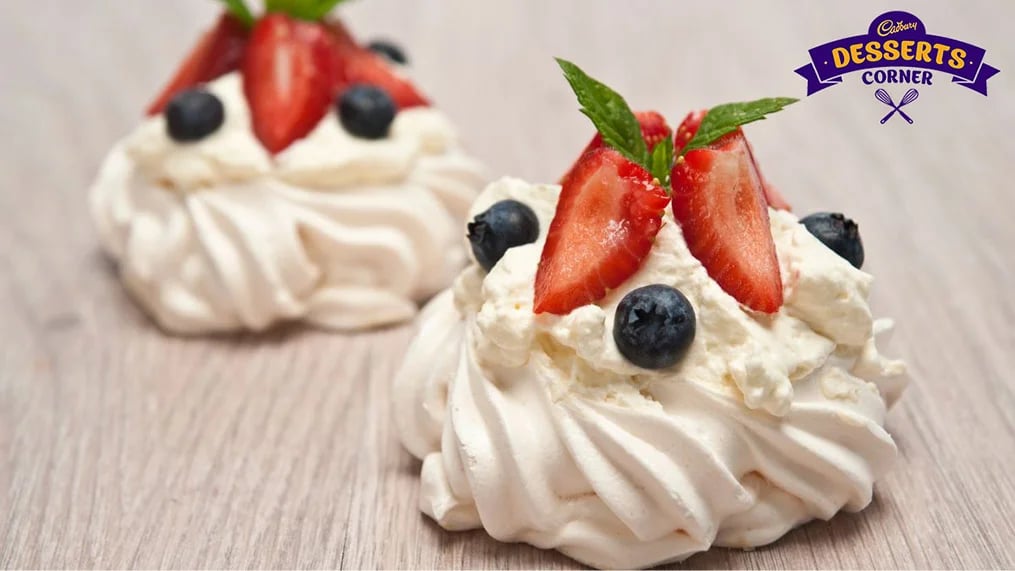
The Pavlova, with its blend of textures and flavors, is more than a sweet treat. It showcases ingenuity and cultural expression. From its disputed origins to its variations around the world, the Pavlova has gracefully found its place in the hearts and on the plates of many. Whether it takes center stage during a Christmas celebration or serves as a celebratory indulgence in New Zealand, the Pavlova remains an iconic and cherished delicacy.
Pavlova Ingredients
To make a light, airy, and perfectly crisp pavlova cake, you need simple ingredients that work together to create its signature texture.
Ingredients
- Egg whites – 4 (room temperature)
- Granulated sugar – 1 cup (200g)
- Cornflour – 1 tsp
- White vinegar – 1 tsp
- Vanilla extract – 1 tsp
- Whipping cream – 1 cup (for topping)
- Fresh fruits (kiwi, strawberries, mango, berries) – 2 cups mixed
How to Make Pavlova / Classic Pavlova Recipe
- Making pavlova at home is simple if you follow the steps carefully and handle the meringue gently.
- Preheat your oven to 120°C and line a baking tray with parchment paper.
- Beat egg whites in a clean bowl until soft peaks form.
- Gradually add sugar, one spoon at a time, beating until stiff, glossy peaks form.
- Gently fold in cornflour, vinegar, and vanilla extract.
- Spoon the mixture onto the tray and shape it into a round disc with slightly raised edges.
- Bake for 75–90 minutes until the outer shell is crisp.
- Turn off the oven and let the pavlova cool inside with the door slightly open.
- Once cooled, top with whipped cream and fresh fruits.
Pavlova Toppings
Fresh Fruit Medley
Fresh fruits like strawberries, kiwi, blueberries, and mango are the most popular pavlova toppings. They add natural sweetness, vibrant color, and a refreshing contrast to the sweet meringue base. Seasonal fruits can also be used to customize your pavlova cake for different occasions.
Whipped Cream
A generous layer of lightly sweetened whipped cream complements the crisp pavlova shell. Its creamy texture balances the airy meringue and ties all the flavors together beautifully.
Passion Fruit Drizzle
Passion fruit pulp adds a tangy twist that cuts through the sweetness of pavlova. This topping is especially popular in Australia and New Zealand and enhances the overall flavor profile.
Chocolate Garnish
For a richer variation, drizzle melted chocolate or add chocolate shavings. This creates a fusion-style pavlova that combines lightness with indulgence.
Nuts and Caramel
To add crunch and depth, sprinkle toasted nuts or drizzle caramel sauce. This variation adds texture and transforms your pavlova into a more decadent dessert.
Tips for the Best Pavlova
Use Room Temperature Egg Whites
Egg whites whip better at room temperature, creating more volume and stability. This helps achieve the perfect texture for the best pavlova.
Add Sugar Gradually
Adding sugar slowly ensures it dissolves completely, resulting in a smooth and glossy meringue. This step is key to a perfect pavlova cake.
Avoid Moisture
Humidity can affect the meringue’s texture. Try making pavlova on a dry day to prevent stickiness or softness.
Bake at Low Temperature
A slow bake at low heat ensures the pavlova dries out properly without browning too much. This gives it a crisp exterior and soft interior.
Cool Gradually
Let the pavlova cool inside the oven to avoid sudden temperature changes. This helps prevent cracks and maintains structure.
Why Does Pavlova Crack?
Sudden Temperature Changes
If the pavlova is exposed to a drastic change in temperature, it can crack. Cooling it slowly inside the oven helps avoid this issue.
Overbeating Egg Whites
Overbeating can make the meringue too stiff and unstable, leading to cracks during baking.
Incorrect Sugar Ratio
Too little sugar can weaken the structure, while too much can cause collapse. Balance is essential for a stable pavlova.
Baking at High Temperature
High heat can cause the outer layer to set too quickly, resulting in cracks as the inside expands.
Natural Characteristic
Some cracks are normal and even desirable. They add a rustic charm and texture to the pavlova cake.
Frequently Asked Questions
How will you know when the pavlova is done? 
A pavlova is done when the outer shell feels crisp and dry to the touch while the inside remains soft. It should lift easily from the parchment paper.
What makes pavlova different from other meringue desserts?
Unlike regular meringues, pavlova has a crisp exterior and a soft, marshmallow-like center. This unique texture sets it apart from other meringue-based desserts.
How do I store pavlova to keep it fresh?
Store pavlova in an airtight container at room temperature if plain. Once topped with cream and fruits, refrigerate and consume within 24 hours for the best taste and texture
Like This Article?
More Like This

Popular Articles


Trending Web Stories


Curated Recipes