








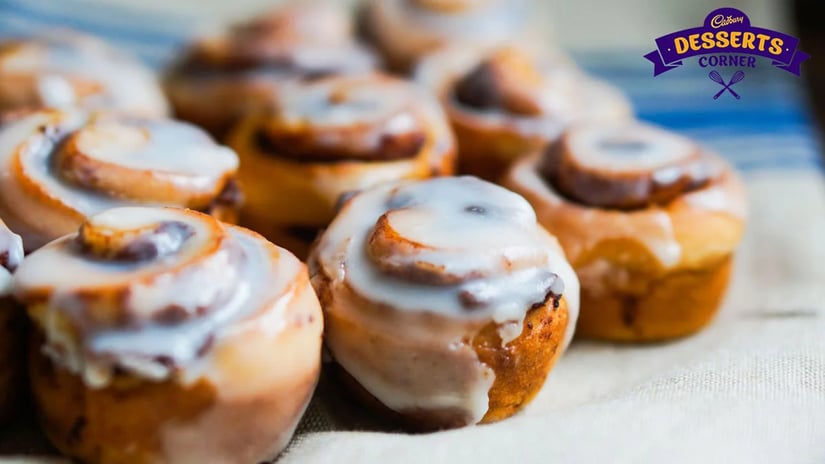


Cinnamon rolls are amongst the most favorite and warm desserts. But where did they originate from? Delve deeper to know more.
The captivating history of cinnamon rolls, a pastry that has delighted dessert lovers for centuries, is as fascinating and complex as its layers of dough. This sweet and aromatic delicacy, known for its tantalizing blend of sweetness and spiciness along with its fluffy texture, has become a beloved treat in bakeries and kitchens across the globe. Let’s delve into the story behind this spiral treat as it has transformed over time.
History of Cinnamon Rolls
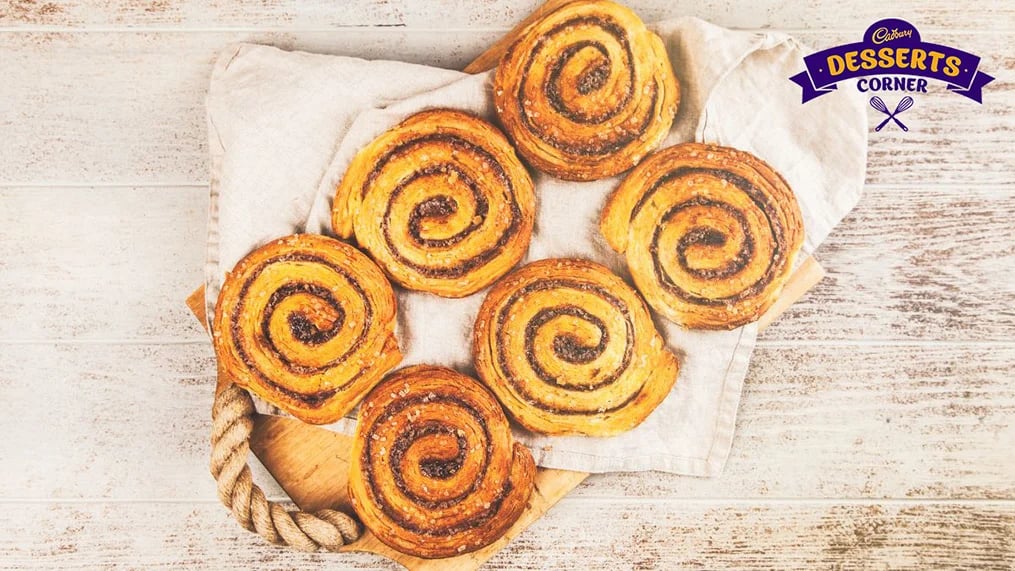
There are very few baked goods that are as comforting and nostalgic as cinnamon rolls. Cinnamon rolls’ soft dough, filling and sweet glaze make it an important item to have in bakeries, cafes, and at home as well. These rolls are associated with cosy breakfast treats and weekend indulgences. These rolls are ancient as much as they are indulgent. They began as simple Scandinavian pastry that later turned to becoming one of the world’s most beloved baked goods. From traditional Nordic bakeries to being a part of the menus of modern bakeries, cinnamon rolls maintain their irresistible appeal to date.
Where Cinnamon Rolls Originally Came From
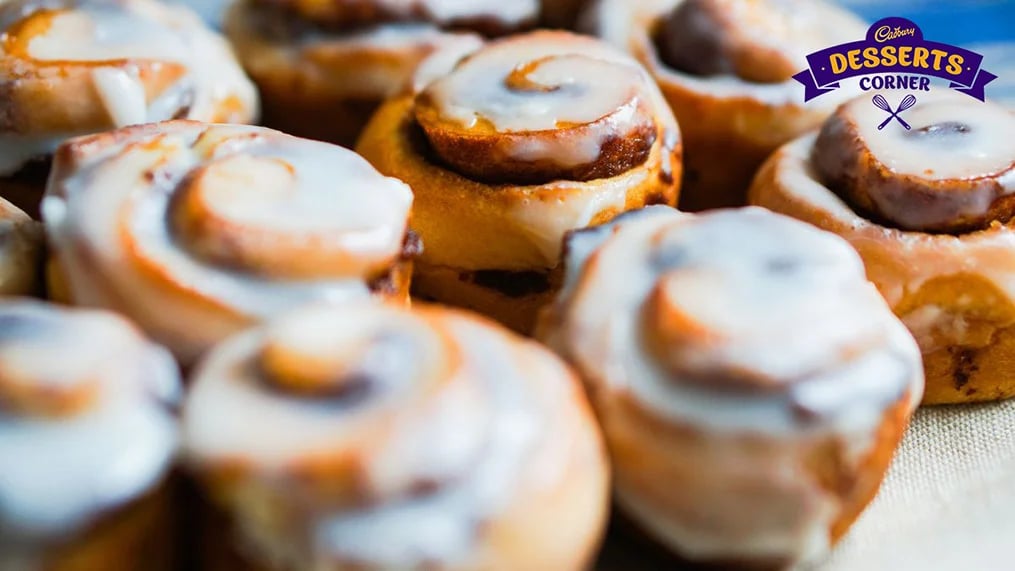
Cinnamon rolls came originally from Northern Europe, particularly Scandinavia. They are locally known as kanelbulle in Sweden. These pastries became famous as they had ingredients such as wheat flour, sugar, butter, and cinnamon that were easily accessible. Cinnamon is the most important ingredient of the roll. It was once considered as luxury spice, as it added warmth and aroma, and turned a simple bread dough into a special treat. Gradually, cinnamon rolls became a part of the coffee breaks, family gatherings, and celebrations. Its popularity eventually extended beyond Europe, and the rolls became famous in North America, where they adapted new forms and flavours.
How Cinnamon Rolls Evolved Over Time
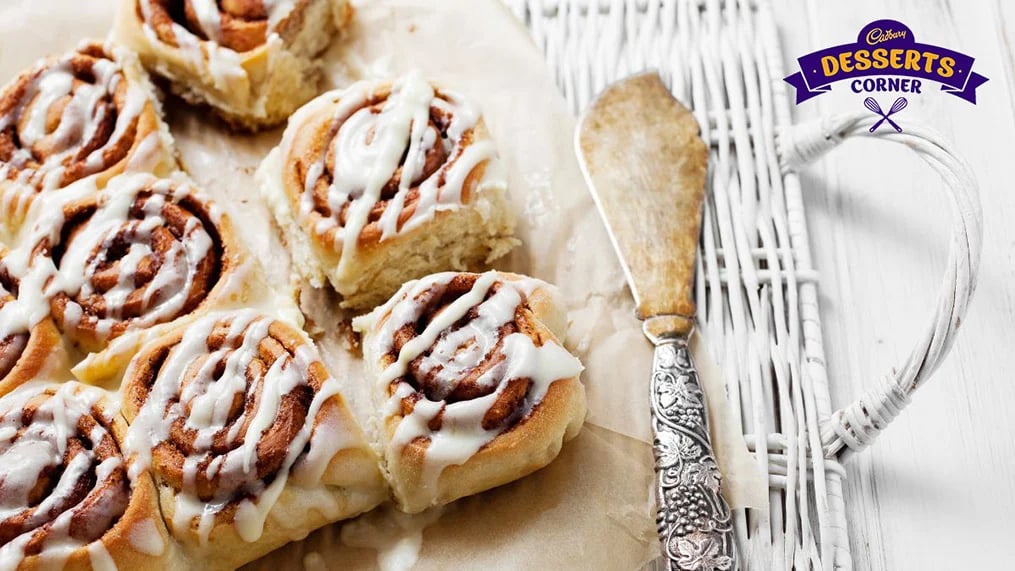
When cinnamon rolls traveled to different countries and cultures, the recipes changed according to the tastes of the region. Traditional Scandinavian versions are less sweet and have cardamom in the dough. American cinnamon rolls are larger and richer pastries that have generous amounts of butter, sugar, and frosting. Different regions developed the rolls as per their preferences. Some recipes focus on light, airy crumb, while some have denser and bread-like rolls. Frostings, glazes, and fillings become more elaborate with advanced baking techniques. Today, cinnamon rolls have different varieties, ranging from the simple ones to the indulgent ones with icing, nuts, fruits, chocolate, etc.
Ingredients That Shaped the Classic Cinnamon Roll
There are some classic ingredients that are important to make the cinnamon rolls and give them their classic texture and flavor.
Flour forms the structure of the dough. The protein content determined how soft, and chewy the rolls become.
Yeast is equally important for the dough to rise and develop a fluffy texture. If you do proper proofing, the dough expands and creates air pockets.
Butter adds richness, tenderness, and flavor. It is used in both the dough and the filling.
Sugar is responsible for sweetening the dough and filling, and it also helps yeast to work well during fermentation.
Cinnamon has the signature flavor that gives the rolls their flavour. It is warm and aromatic, which is responsible for making the rolls so appealing.
If you substitute the ingredients, they can affect the texture, flavor and structure.
Step-by-Step: Traditional Cinnamon Roll Making Process
Preparing the Dough Base
The dough is made by using flour, yeast, milk, butter, sugar, and eggs. These ingredients are mixed and kneaded until the dough becomes smooth and elastic. Kneading develops gluten, which gives the dough strength and flexibility. After kneading, the dough is left to rise until it doubles in size.
Creating the Cinnamon Filling
The filling is made with softened butter, cinnamon, and sugar. The balance of these ingredients determines the sweetness and intensity of flavor. A good filling needs to be spread easily while remaining thick enough to stay in place during rolling.
Rolling and Shaping the Dough
Once the dough has risen, it is rolled into a rectangle and evenly covered with filling. The dough is then rolled tightly into a log and sliced into individual portions. Tight and even rolling helps create attractive spiral layers and helps in consistent baking as well.
Proofing Before Baking
After shaping, the rolls need a second rise. This proofing stage allows the dough to become lighter and softer. If you skip or shorten this step, it can lead to dense rolls with a heavy texture.
Baking to the Right Texture
Cinnamon rolls need to be baked until they don’t develop a soft center. Overbaking can dry them out, while underbaking can leave the center doughy.
Adding Glaze or Frosting
Once the rolls are slightly cooled, top them with glaze or frosting. Simple sugar glazes create a light finish, while cream cheese frosting makes the rolls rich and sweet. Make sure you are frosting while the rolls are still warm, which helps it spread evenly.
Regional Variations Around the World
There are multiple varieties of cinnamon rolls in different regions.
Scandinavian Kanelbullar
Swedish kanelbullar are flavored with cardamom and topped with pearl sugar rather than heavy frosting. They are less sweet than American versions.
American Frosted Cinnamon Rolls
American cinnamon rolls are known for their larger size, rich dough, and thick cream cheese frosting. They are served as breakfast pastries or desserts.
Finnish Korvapuusti
Finland's version features cardamom-spiced dough and a distinctive folded shape. The flavor of this version is more spice-forward than many other versions.
Norwegian Kanelsnurrer
These rolls often have a softer texture and are commonly enjoyed with coffee during social gatherings.
Modern International Adaptations
Many countries now have local flavors, including chocolate, fruit preserves, nuts, caramel, and regional spices.
Common Mistakes When Making Cinnamon Rolls
Dense Dough
This usually results from insufficient proofing, inactive yeast, or inadequate kneading.
Dry Rolls
Overbaking is the most common cause of dryness. Using too little butter can also affect moisture.
Uneven Baking
Crowded pans or uneven roll sizes can cause some rolls to bake faster than others.
Filling Leaks Out
Using too much butter or sugar in the filling may cause it to melt excessively during baking.
Tough Texture
Adding too much flour or overworking the dough can make rolls chewy rather than soft.
Why Cinnamon Rolls Became a Global Comfort Dessert
Cinnamon rolls have an emotional as well as a sensory appeal. The aroma of cinnamon and freshly baked dough is often associated with home, family, and special occasions. Bakeries also use this comforting scent to attract customers. The pastry's soft texture and sweet flavor also make it an indulgent treat. Whether enjoyed during breakfast, holidays, or weekend baking sessions, cinnamon rolls give you a sense of warmth and relaxation. Their versatility has helped them remain relevant across generations and cultures.
Modern Twists and Innovations
Today's bakers continue to reinvent cinnamon rolls in creative ways.
Cream Cheese Frosting Variations
Many recipes now feature flavored frostings, including vanilla, maple, and caramel versions.
Chocolate-Filled Cinnamon Rolls
Chocolate chips or chocolate spreads add richness and dessert-like appeal.
Vegan Cinnamon Rolls
Plant-based butter and dairy alternatives make vegan versions widely accessible.
Gluten-Free Cinnamon Rolls
Special flour blends allow people with dietary restrictions to enjoy the classic pastry.
Fusion Flavors
Modern bakeries experiment with flavors such as matcha, chai spice, pumpkin, coffee, and tropical fruits.
Serving, Storage & Reheating Tips
Cinnamon rolls are best served warm when the dough is soft and the filling is fragrant.
-
Store leftover rolls in an airtight container at room temperature for up to two days. For longer storage, refrigerate them for up to a week.
-
To maintain freshness, wrap rolls tightly before storing.
-
When reheating, warm them briefly in the microwave or oven. Adding a small amount of moisture, such as covering with a damp paper towel, helps prevent them from drying out.
-
Properly frozen cinnamon rolls can remain fresh for up to three months.
Frequently Asked Questions
Why are my cinnamon rolls not soft and fluffy? 
Insufficient proofing, inactive yeast, or too much flour are common reasons. Allow the dough enough time to rise, and measure ingredients carefully.
Can I make cinnamon rolls ahead of time?
Yes. Many bakers prepare and shape the rolls the night before, refrigerate them, and bake them fresh the next day.
What is the difference between cinnamon rolls and buns?
The terms are often used interchangeably, but cinnamon buns may contain nuts, sticky toppings, or caramelised coatings, while cinnamon rolls are commonly finished with glaze or frosting.
Like This Article?
More Like This


Popular Articles


Trending Web Stories


Curated Recipes


