



/guidetodifferentfatstouse-feature.webp?width=1920&height=464&name=guidetodifferentfatstouse-feature.webp)


Here’s a comprehensive guide to choosing and substituting different types of fats for baking. You’ll never be in doubt again!
/guidetodifferentfatstouse-feature.webp?width=768&height=432&name=guidetodifferentfatstouse-feature.webp)
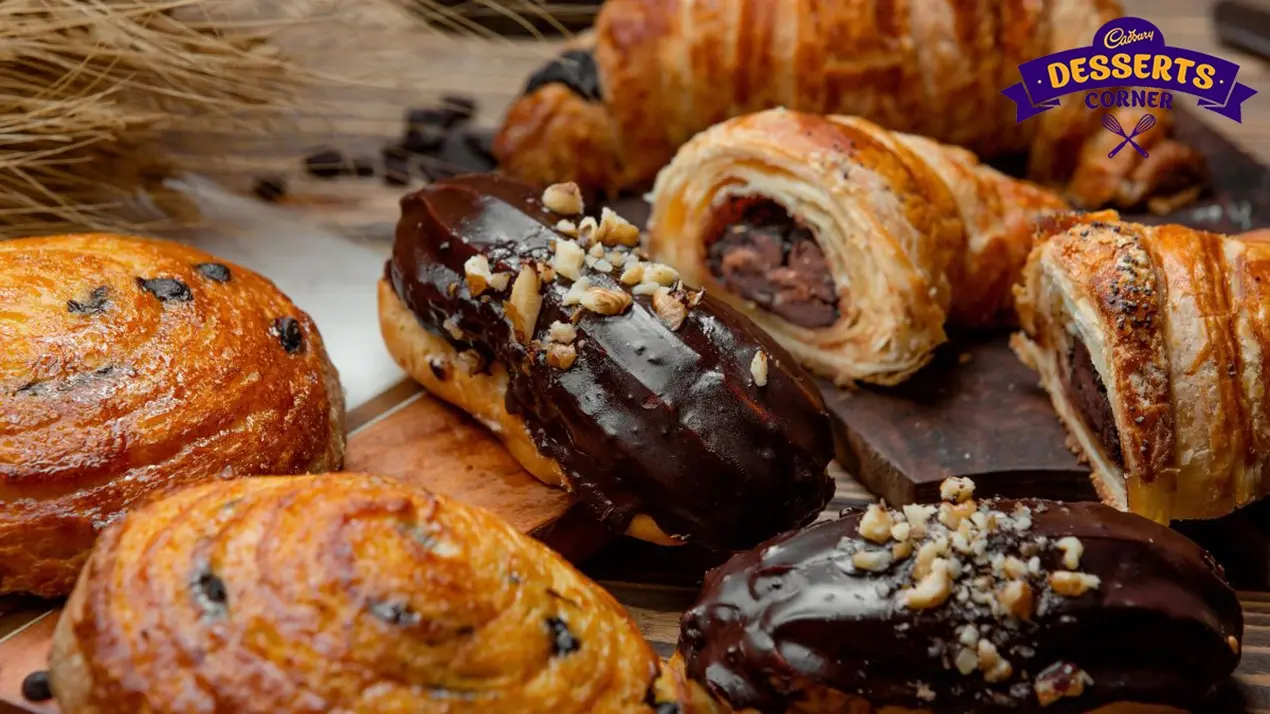
Baked treats at the cafes and cake shops are all about enjoying the buttery aroma, delicious flavors, and perfect textures. Now, what if the same level of expertise reaches the home kitchens as well? While all the ingredients are important, the secret of perfect baking lies in the right fat source. From making the baked goods soft, spongy, and fluffy to adding moisture to them, it does many jobs when it comes to baking.
Butter: The Timeless Classic
Enjoyed for its flavor, aroma, and the ability to create rich texture, butter is the most popular fat source across the world when it comes to baking. Often used in recipes like pound cakes and buttery cookies, it is perfect for a tender crumb and soft texture. As a substitute for butter, one can use margarine or plant-based butters as alternatives. However, while the texture and richness are almost similar, margarine may have slightly different flavor profiles.
Shortening: The Flaky Maker
Shortening, also popularly referred to as ‘the flaky maker,’ is a fat at room temperature and is commonly made from vegetable fats. Its unique quality lies in its ability to create flaky pastries and pie crusts. Unlike butter, shortening does not contain water. This enables them to create textures that are challenging to achieve with butter alone. If you are looking for a vegan substitute for shortening, coconut oil is an option. However, it's important to note that coconut oil also carries its own flavor when used in baking.
Oil: The Moisture Master
/guidetodifferentfatstouse-two.webp?width=1015&height=571&name=guidetodifferentfatstouse-two.webp)
This is another popular option commonly used in baking. The varieties, such as canola, vegetable, or olive oil, are often used in several recipes. These oils remain liquid at room temperature and carry a high level of moisture. If you're looking for a lower-fat alternative to oil, go for options like applesauce or mashed bananas. However, these alternatives do introduce their own flavor profile to the recipe.
Lard: The Choice for Traditionalists
/guidetodifferentfatstouse-three.webp?width=1015&height=571&name=guidetodifferentfatstouse-three.webp)
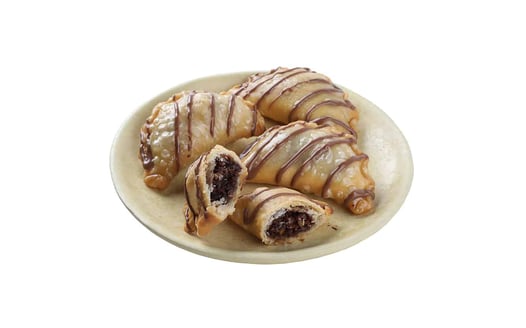
Lard, also known as rendered pork fat, is a fat source that creates a rich texture in baked goods and a flaky crust in pies. For a non-animal alternative, vegetable shortening can be used. While it may not carry the same flavor as lard, it comes up with something similar.
Cream Cheese & Sour Cream: Adding Tangy Twists
/guidetodifferentfatstouse-four.webp?width=1015&height=571&name=guidetodifferentfatstouse-four.webp)
Cheesecakes are incomplete without cream cheese and sour cream. Besides fat, both these ingredients are known to carry a tangy flair profile as well. While they are particularly common in cheesecakes, they are also frequently employed in muffin and cake batters. Greek yogurt serves as a replacement for both cream cheese and sour cream. It maintains the flavor and creamy consistency, while offering the added advantage of fat content and higher protein levels.
Coconut Oil: The Trendy All-Rounder
Coconut oil is a popular fat source in baking due to its health benefits and versatility. It serves as a vegan fat that can be utilized either solid or liquid, based on the requirements. One may alternatively use canola or vegetable oil as a substitute for coconut oil.
Margarine: The Budget-Friendly Butter Substitute
While unsalted butter is often considered the best when it comes to fat for a fluffy and moist cake, margarine also does the job efficiently. Moreover, being a plant-based fat source made with refined vegetable oils, it has a longer shelf life than butter. However, the texture of the cake slightly alters with margarine. The reason is its high water and low fat content. One may alternatively opt for a plant-based butter, vegetable shortening, or cooking oils like canola oil or coconut oil. For the perfect results, make sure you adjust the moisture and salt levels.
Frequently Asked Questions
Can I use margarine instead of butter for baking? 
Yes. One can easily substitute butter with margarine for baking. However, it slightly changes the texture and flavor of the baked goods, as margarine contains more water and less fat than unsalted butter.
What are the healthiest fats to use for baking?
The list of healthiest fats for baking often includes items like extra-virgin olive oil, avocado oil, and canola oil. All these items are believed to contain heart-healthy fats instead of the harmful trans fats.
What is the best fat for making cakes?
While the best fat for cakes always depends on your goals in terms of taste and texture of the final product, unsalted butter is popularly considered the most preferred option for a fluffy, spongy cake. Alternatively, for a moist and soft cake, one may opt for vegetable oil.
Like This Article?
More Like This

Popular Articles


Trending Web Stories


Curated Recipes