







From pukhlein to sakin gata, here are sweet dishes from Meghalaya that is the heart and soul of their ingenious cuisine
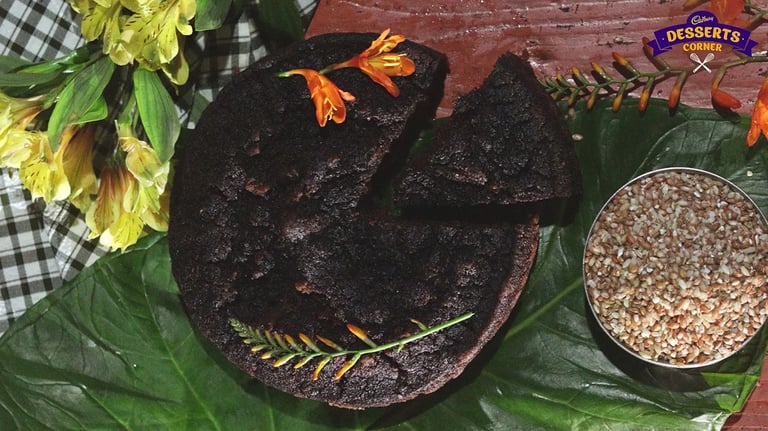
Meghalaya is home to a vibrant and fierce community of tribals namely the Khasi, Garo, and Jaintiyas, alongside people of other faiths, so desserts are not extravagant and make the most of local ingredients and simple ingenuity of the residents. Rice is a dominant crop in the region and many hills in the North East practice terrace farming where the mountains are often seen lush with green paddy dancing in the breeze. A bit of their sweets and you will be straight transported to the warmth and coziness of your home and love, just like Anton Ego was when he took a bite of Remy’s ratatouille.
Traditional Meghalaya Sweets That Reflect The Soul Of Khasi And Garo Cuisine
Meghalaya doesn't get enough credit for its food, and its sweets are a perfect example of that. The cuisine of Meghalaya does not use ghee or sugar syrup heavily, there is no elaborate layering or decoration. Instead, rice, jaggery, sesame, bamboo are used and turned into something creative. Sweets like pukhlein and sakin gata are made in Khasi, Garo, and Jaintia kitchens, and are built around what's grown locally rather than what looks impressive on a plate. This article takes a look at what makes Meghalaya sweets worth knowing, and the specific dishes that define the region's dessert culture.
What Makes Meghalaya Sweets Unique?
Meghalaya is home to communities like the Khasi, Garo, and Jaintia, and each community has their way of making the dish, and that diversity is clearly seen in the techniques, ingredients used in the desserts, even within a state as small as Meghalaya. Rice, jaggery, sesame, and bamboo are the dominant ingredients, not because they're trendy ingredients but because they are actually available in the region. Meghalaya's terrain and climate support specific crops, and the local food culture reflects that closely. This is exactly why these desserts come across as simple yet distinctive. They are not trying to be elaborate, they are built around what local farming naturally provides. That tight connection between agriculture and sweets is really the foundation of the entire dessert tradition here.
Traditional Ingredients Used In Meghalaya Desserts
-
Sticky rice and red rice are the most common bases, providing the chewy or soft textures that define dishes like Pukhlein, Sakin Gata, and Pusaw.
-
Palm sugar and jaggery contribute to sweetness, and bringing a deeper, slightly smoky flavor along with it.
-
Roasted sesame seeds add nuttiness and a bit of crunch, often used as a topping or mixed directly into the batter.
-
Banana leaves and bamboo shoots play a role too, both for cooking (steaming, wrapping) and for the subtle flavor they pass into the food.
-
Local oranges and coconut round things out, showing up in specific regional sweets where their flavor fits naturally.
Sakin Gata – Meghalaya's Traditional Sticky Rice Cake
Sakin Gata is one of the most recognizable traditional sweets from the region, made by steaming sticky rice until it becomes soft, slightly chewy, and easy to shape. The rice itself does most of the textural work here, without any involvement of flour or starch. It’s just rice cooked the right way. Banana leaves are used to wrap the rice before steaming, which keeps moisture in and adds a faint, earthy aroma that's hard to replicate any other way. Roasted sesame seeds are often mixed in or sprinkled on top, adding texture and a slightly nutty flavor against the soft rice base. Sakin Gata shows is made during festive occasions, prepared in larger batches and shared among family and community members rather than made as an everyday snack.
How To Make Sakin Gata At Home
-
To make sakin gata, sticky rice needs to be soaked properly beforehand, usually for several hours, so it cooks evenly and develops that soft, slightly chewy texture once steamed.
-
Then the rice is wrapped in banana leaves before steaming to retain moisture, and preventing the rice from drying out or turning gummy.
-
It is sweetened by palm sugar, added either into the rice itself or as a light coating once it's done; the key is adding it gradually so the sweetness doesn't overpower the rice's natural flavor.
-
Once ready, Sakin Gata is best served warm, alongside tea or as a simple snack between meals.
Pukhlein – Meghalaya's Famous Sweet Rice Snack
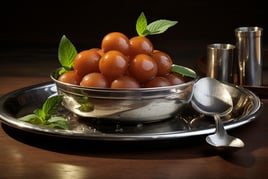
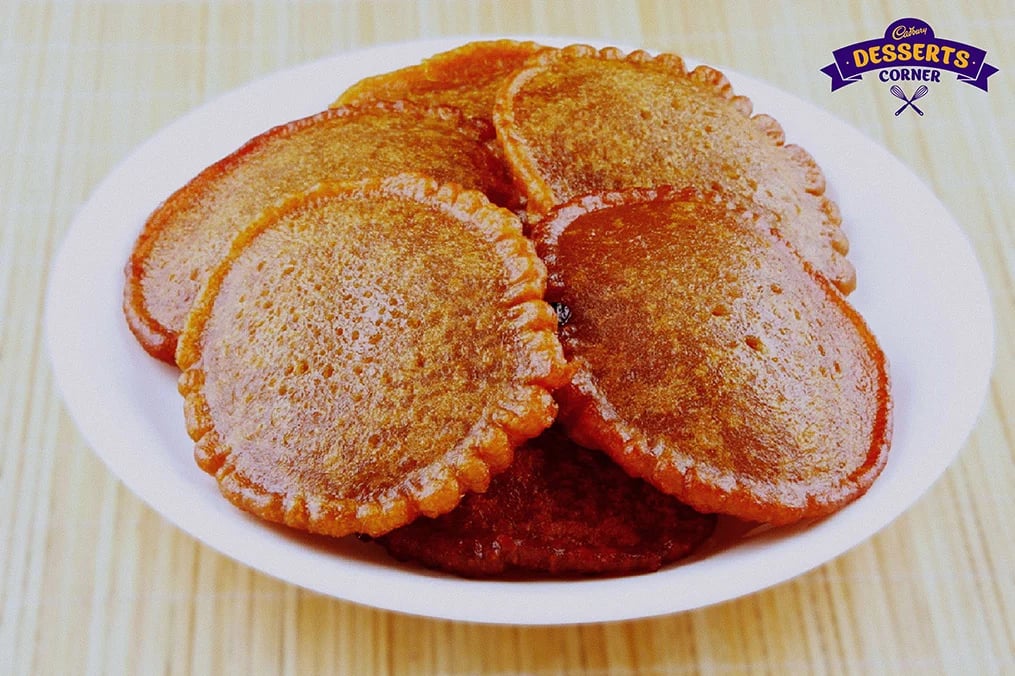
Pukhlein is probably the most well-known sweet to come out of Meghalaya, and for good reason. It's made from rice flour and jaggery, shaped into small discs and deep-fried until the outside turns crisp and golden while the inside stays soft. What makes Pukhlein unique is the contrast between a crisp, slightly caramelized exterior against a softer, denser center. The jaggery used in the batter caramelizes slightly during frying, giving Pukhlein its deep, rich flavor rather than a flat, one-note sweetness. It's especially associated with the Wangala Festival, a harvest celebration among the Garo community.
Pukhlein Recipe Tips For Better Texture
-
Choose the right rice flour. Finer rice flour produces a smoother batter and a more even texture once fried.
-
Avoid overly hard results. This usually comes down to frying at too high a temperature; a moderate, steady heat gives a better crisp-to-soft ratio.
-
Fry slowly. Slow frying allows the inside to cook through fully without burning the outside too quickly.
-
Get the jaggery consistency right. Jaggery that's too thin makes the batter runny, while jaggery that's too thick can leave the inside undercooked.
Pusaw – The Traditional Red Rice Sweet From Khasi Hills
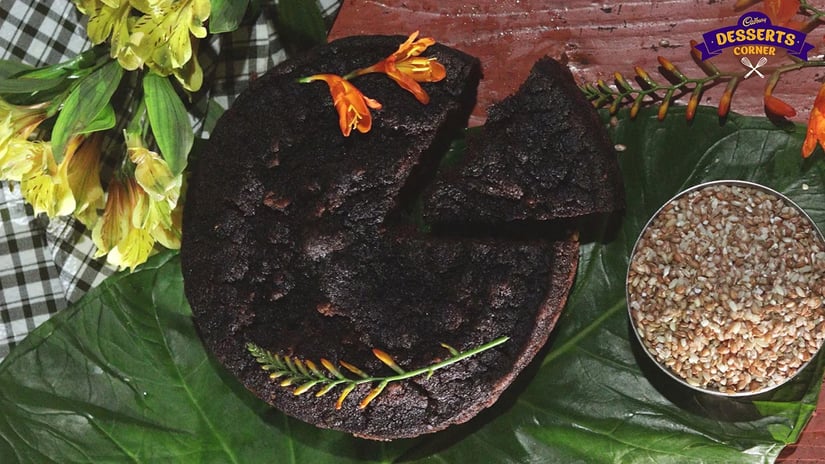
Pusaw is made with rice, a variety that holds particular importance in Khasi cuisine for both its flavor and its nutritional reputation. The rice has a slightly nuttier, earthier taste than regular white rice, which shapes the overall flavor of the dish. There's a difference between plain Pusaw and a more special, festive version, the latter often dressed up with additional flavorings. Orange rind is one of the more distinctive additions found in some Khasi sweets, including certain versions of Pusaw, lending a bright, citrusy note that cuts through the rice's natural earthiness. Traditional preparation sometimes involves cooking over charcoal, which adds a faint smokiness that's difficult to recreate with modern stovetops.
Pumaloi is a close cousin worth knowing about too, made from coarsely ground rice that's steamed rather than fried, resulting in a lighter, slightly crumbly texture compared to Pusaw's denser bite. A typical Pumaloi recipe keeps things minimal, just rice and a touch of salt, letting the grain's natural flavor lead. It's often served as a simple breakfast item, a reminder that not every traditional Khasi rice dish is reserved strictly for festivals.
Shir Sewain – Meghalaya's Creamy Rice Dessert
Shir Sewain takes rice flour and turns it into something closer to a thick, fudgy paste rather than a traditional pudding. The texture is the key distinction here: where a pudding typically stays loose and spoonable, Shir Sewain cooks down further, becoming dense and almost paste-like.
This dessert carries real festival significance within Khasi culture, often prepared specifically for celebratory occasions rather than as a casual treat. Sesame and coconut are common optional additions, mixed in either during cooking or sprinkled on top, adding texture and a bit of extra richness to an otherwise simple dish.
Minil Songa – Sticky Rice Cooked With Bamboo
Minil Songa takes sticky rice and cooks it directly inside a bamboo stalk, a technique that imparts a subtle, nutty flavor you simply can't get from steaming rice in a regular pot or wrapping it in leaves. As the rice cooks, it absorbs faint traces of the bamboo's natural flavor, giving the finished dish a distinct, earthy quality. This method is closely tied to traditional Garo tribal cooking, where bamboo serves as both a cooking vessel and a flavoring agent. Sticky rice's popularity across Meghalaya generally comes down to its texture and versatility; it holds together well, cooks evenly, and works in both sweet and savory contexts. Minil Songa sits right at that crossover point between snack and dessert, eaten on its own or alongside other dishes depending on the occasion.
Famous Tribal Communities Behind Meghalaya Cuisine
Meghalaya's food culture, sweets included, is shaped directly by its three major tribal communities. Khasi food traditions lean heavily on rice, sesame, and fermentation techniques, producing dishes with a slightly tangy, earthy character. Garo dessert culture often centers around bamboo cooking and sticky rice preparations, reflecting the specific agricultural practices common in Garo Hills. Jaintia community influences add their own regional variations, often blending elements found in both Khasi and Garo cooking. Across all three, indigenous cooking techniques, steaming in leaves, cooking inside bamboo, slow frying with jaggery, remain central, preserved through generations rather than replaced by more modern methods.
Unique Sweets From Shillong And Meghalaya Markets
If you want to find the unique sweets Shillong is known for, a few things stand out across local markets:
-
Local sweet stalls and festive foods: Street vendors sell fresh Pukhlein and other seasonal sweets daily, often tied to whatever festival or harvest is closest on the calendar.
-
Traditional homemade sweets: Many families still prepare Sakin Gata and similar sweets at home rather than buying them, especially around festivals.
-
Rice-based snacks popular in Shillong: Pukhlein, Sakin Gata, and Pumaloi remain the most commonly found rice-based snacks across the city's markets and stalls.
Tourism has slowly increased awareness of these desserts beyond the region, with more visitors actively seeking out unique sweets Shillong markets offer as part of exploring local food rather than sticking to more familiar Indian sweets.
Rice-Based Desserts Across Northeast India
Meghalaya isn't alone in its love of rice-based sweets; the wider Northeast Indian region shares a lot of this culinary DNA, though with regional twists. Compared to Assamese desserts, which often lean on rice alongside ingredients like coconut and til (sesame) in slightly different combinations, Meghalaya's sweets tend to stay a bit simpler and more rustic. Sticky rice desserts in particular show up across several Northeast Indian states, not just Meghalaya, pointing to a shared agricultural and cultural heritage across the region. Terrace farming plays a quiet but important role here too, shaping which rice varieties are grown and, by extension, which desserts become common in different areas. Steaming and fermentation remain widely used techniques throughout, valued for how they preserve both texture and flavor without needing heavy processing.
Traditional Festivals Associated With Meghalaya Sweets
Several major festivals in Meghalaya bring these sweets to the forefront. The Wangala Festival, celebrated by the Garo community as a harvest festival, is closely tied to Pukhlein, which gets prepared in large batches as part of the celebrations. The Nongkrem Dance Festival, an important Khasi cultural and religious event, often features traditional sweets as part of community feasting. Harvest celebrations more broadly tend to bring out rice-based sweets specifically, since they mark the time when fresh rice is most abundant. Community cooking, with multiple families contributing and preparing food together, remains a defining feature of how these festival sweets get made, reinforcing their role as shared, communal food rather than something prepared individually.
Common Cooking Techniques Used In Meghalaya Desserts
-
Steaming in banana leaves, used for dishes like Sakin Gata to retain moisture and add subtle flavor
-
Slow frying with jaggery, central to Pukhlein's signature caramelized exterior
-
Cooking with bamboo and charcoal, seen in dishes like Minil Songa and certain versions of Pusaw
-
Use of natural sweeteners and local ingredients, relying on jaggery and palm sugar rather than refined sugar throughout
Why Meghalaya Sweets Deserve More Attention
Meghalaya sweets remain genuinely underrated within the broader landscape of Indian regional desserts, often overshadowed by more widely known sweets from other states. Part of their appeal lies precisely in their simplicity; there's a clear connection between using fewer, more natural ingredients and still producing distinct, memorable flavor. Preserving these indigenous recipes matters too, since many are passed down orally within families rather than documented widely. As awareness of Northeast Indian cuisine slowly grows across the rest of the country and beyond, dishes like Pukhlein and Sakin Gata are starting to get a bit more of the recognition they've arguably deserved all along.
Frequently Asked Questions About Meghalaya Sweets
What is the most famous sweet dish in Meghalaya? 
Pukhlein is generally considered the most well-known, a fried rice flour and jaggery snack especially associated with the Wangala Festival.
What is Pukhlein made from?
Pukhlein is made from rice flour and jaggery, shaped into small discs and deep-fried until crisp on the outside and soft inside.
Is Sakin Gata a dessert or snack?
It functions as both, depending on when it's served. Sakin Gata is sweet enough to be considered a dessert but is also commonly eaten as an everyday snack alongside tea.
Why is sticky rice commonly used in Meghalaya cuisine?
Sticky rice holds its shape well, cooks evenly, and works for both sweet and savory dishes, making it a practical and versatile staple across the region's food traditions.
What is unique about Shillong sweets?
Shillong's sweets are largely rice-based, made fresh daily at local markets, and reflect a simpler, less sugar-heavy approach compared to many other Indian regional sweets.
Which Meghalaya desserts use jaggery?
Pukhlein relies heavily on jaggery for its caramelized flavor, and it's also commonly used in Sakin Gata and several other traditional sweets across the region.
What is the difference between Pusaw and Pukhlein?
Pusaw is made primarily with red rice and isn't fried, while Pukhlein is made with rice flour and jaggery and is deep-fried for a crisp exterior. The two differ in both base ingredient and cooking method.
Are Meghalaya sweets usually very sugary?
Not particularly. Most rely on jaggery or palm sugar in moderate amounts rather than heavy refined sugar, giving them a more balanced, less overly sweet flavor compared to many other Indian sweets.
Like This Article?
More Like This



Popular Articles


Trending Web Stories


Curated Recipes