


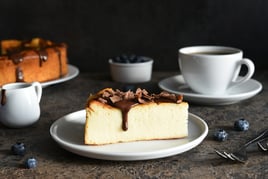




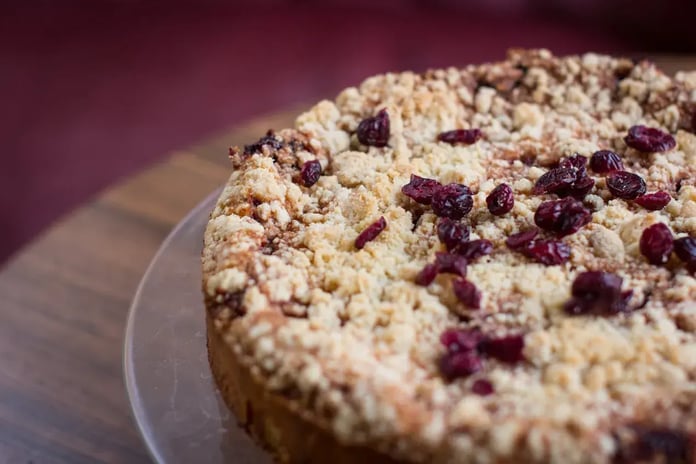


Are you in the mood for dessert? Make a batch of this easy rava cake recipe follow these steps to perfect results every time.

Who does not love a good cake? But let's face it, sometimes baking feels like such a chore when you're short on time or when you just want to avoid the oven. Try this rava cake recipe, which gives you a dessert that is fast, easy, and oh-so-delicious. This is perfect for those surprise visits by guests or when your sweet tooth just calls for that instant satisfaction. Best of all, you're free to add in all your favorite toppings, and the list of ingredients can be found right within your pantry.Semolina, commonly known as suji or rava in India, imparts a delicate crumbly texture to the cake. It is soft, fluffy, and grains within are very conveniently manageable. Let's try to know how this super cake can be made effortlessly with utmost satisfaction.
Semolina Cake: Soft & Moist Rava Cake Recipe You Can Make at Home
Not all cakes turn out to be fluffy, and cloud-like. Some have the grainy texture, and yet are soft and moist once you learn how to bake them right. Rava cake recipe is one of those cakes. This cake has many names; rava cake, sooji cake or semolina cake, depending on what the ingredient is called in your kitchen. Although there are different names to it, the recipe might also differ but the charm of this cake is the same in all houses. Although this cake might sound a lot Indian, but it is also commonly found in Middle Eastern bakeries, and Mediterranean kitchens.
This cake is simple and easy to make at home as opposed to other cakes because it has a flavor that is unusual, and the grainy texture is what makes it feel more homely, but its appeal remains the same. Read further to know more about sooji cake recipe and tips to get it right.
Why Semolina Cake Feels Different from Regular Cakes
If you have heard cakes made only with all-purpose flour, the first bite of a semolina cake might catch you off guard in a good way. Semolina, or rava, has a slightly coarse texture that doesn't fully dissolve into the batter the way flour does. That grain stays slightly present even after baking, giving you a texture that's soft but not mushy, with just enough chew to make it interesting.
There's also a moisture difference worth knowing about. Semolina absorbs liquid more slowly than flour, which is exactly why a good rava cake recipe requires you to let the batter rest before baking. That resting time lets the semolina soak up the yogurt or milk in the mix, and you get a cake that is moist and does not dry out the next day.
A lot of recipes lean into yogurt or milk for richness, sometimes even finishing the cake with a light syrup soak, similar to what you would see in Mediterranean semolina cakes. This gives you a denser cake than a classic sponge cake, but in a satisfying way rather than a heavy one. This cake actually fills you up.
Key Ingredients That Define Texture & Flavor
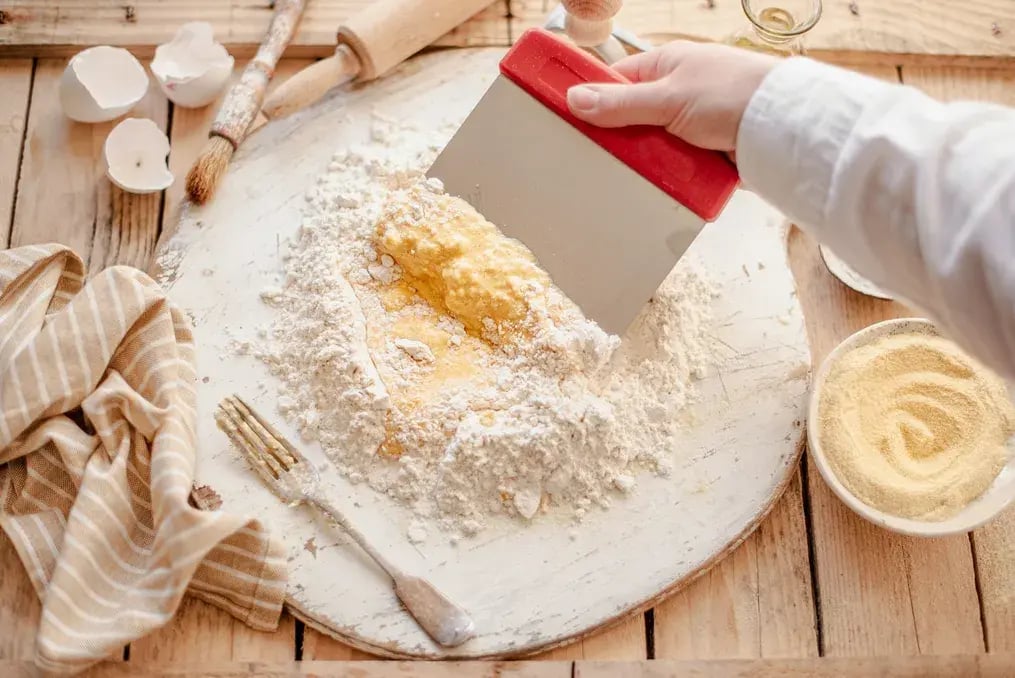
Every recipe for suji cake comes down to a short list of ingredients, and each one plays an important role.
Semolina (Rava/Sooji): This is the backbone of the whole cake. It's what gives sooji cake its texture, and the grade you use changes the outcome. Fine semolina bakes up smoother and softer, while coarser semolina gives a more pronounced bite. Most home bakers go with fine rava for a cake that's easier to slice and eat.
Yogurt or Milk: This is where the moisture comes from. Yogurt in particular adds a gentle tang that balances the sweetness, plus a bit of acidity that helps tenderize the batter. Milk works too, just with a slightly less rich result.
Sugar: Beyond sweetness, sugar plays a role in how the cake browns and caramelizes on top, which adds a nice contrast to the soft interior.
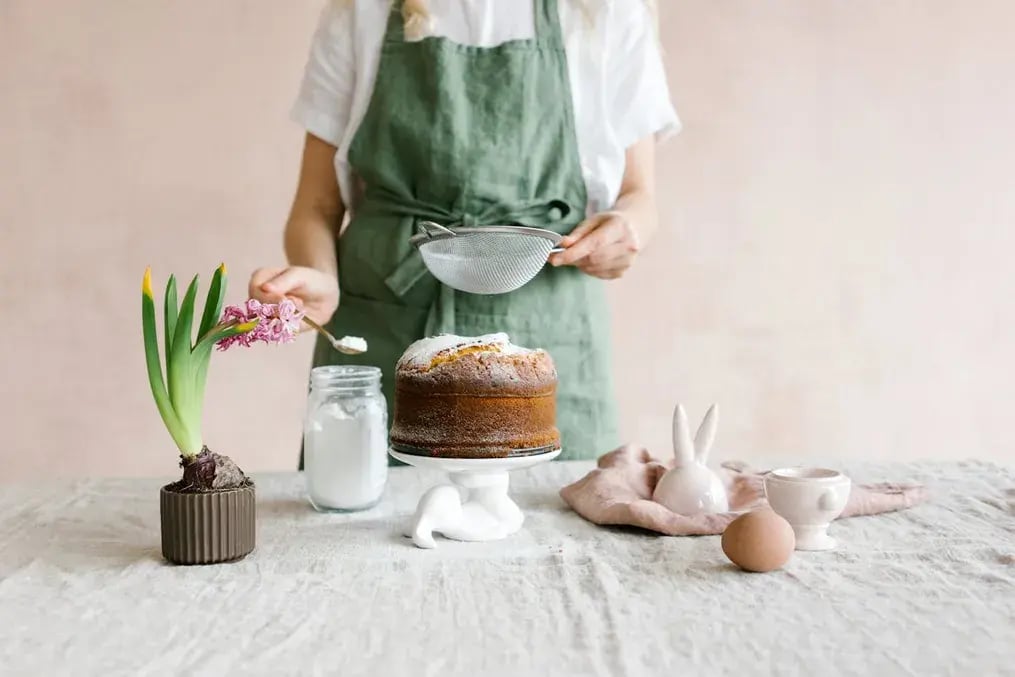
Fat (Oil, Butter, or Ghee): Ghee is the traditional choice in a lot of Indian versions of rava cake, and it brings a warmth and richness that oil alone doesn't quite replicate. Butter sits somewhere in between. Whichever you choose, fat is what keeps the cake tender instead of tough.
Leavening agents: Because semolina is naturally dense, baking powder or baking soda is what keeps this cake from turning into a brick. Even a small adjustment in leavening can noticeably change how light or dense the final texture feels.
Swapping any of these out isn't a small decision. Use coarse semolina instead of fine, and you'll get a grainier bite. Cut back on yogurt, and the cake loses moisture. These ingredients aren't interchangeable without consequences, which is part of why following the ratios matters more here than in a basic flour cake.
Step-by-Step: How to Make Semolina Cake
Techniques are also very important while making this cake. The mixing approach and the resting period before baking are really what separate a good sooji cake recipe from a mediocre one.
Mixing the Batter Properly
Start by combining your dry ingredients (semolina, leavening agent, and any spices) in one bowl, and your wet ingredients (yogurt or milk, sugar, fat) in another. When you bring them together, mix just until everything is incorporated. Overmixing at this stage can make the texture tougher than you want, so a gentle hand goes a long way.
Resting the Batter
This step is non-negotiable if you want a soft result. Let the batter sit for at least 15 to 20 minutes before baking. During this time, the semolina absorbs the liquid in the batter, softening up considerably. Skip this step, and you will get a cake that tastes slightly gritty, since the rava won't have had time to hydrate properly.
Baking to the Right Consistency
Bake at a moderate temperature, usually around 180°C (350°F), and keep an eye on it rather than walking away entirely. Semolina cakes can go from perfectly moist to dry fairly quickly if left in too long. A toothpick test works well here. Insert it into the center, and if it comes out clean or with just a few moist crumbs, it's done.
A few common missteps to watch for along the way:
- Skipping the batter rest leads to a gritty, undercooked texture even after baking.
- Overbaking dries the cake out, since semolina doesn't hold onto moisture indefinitely once it's in the oven.
- Using too much semolina relative to liquid makes the cake dense and heavy instead of light.
- Getting the liquid ratio wrong in either direction can leave you with a crumbly cake that falls apart when sliced.
Pro Tips for Soft & Moist Semolina Cake
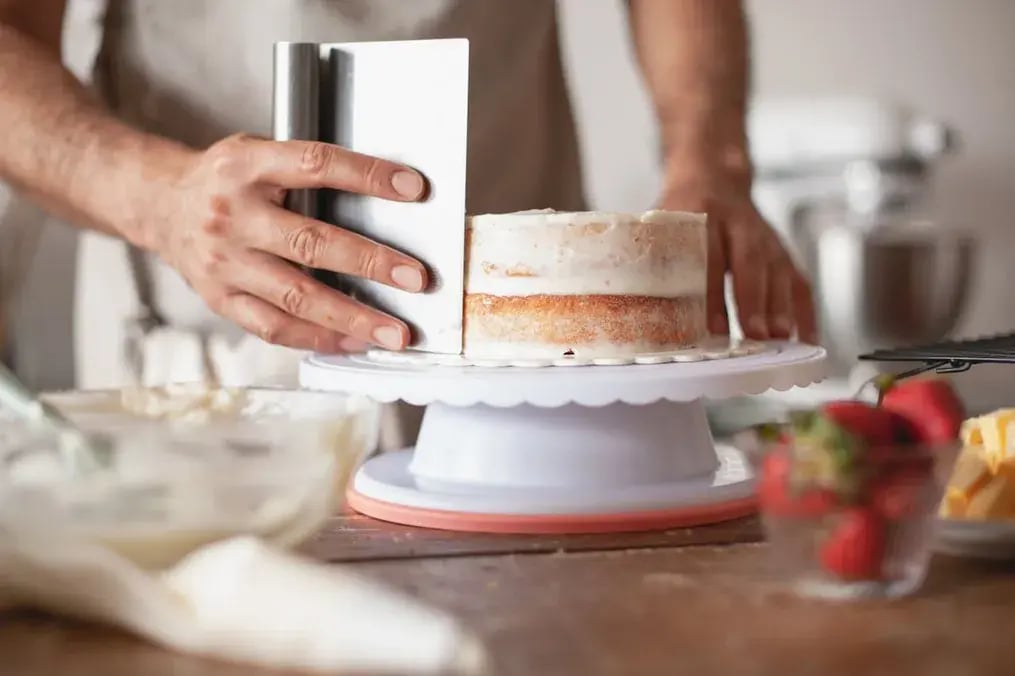
- Use fine semolina if you want a smoother, more cake-like texture rather than a noticeably grainy one.
- Let the batter rest for at least 15-20 minutes. This single step does more for texture than almost anything else in the recipe.
- Use yogurt instead of plain milk when you can. The extra richness and slight tang make the cake noticeably softer.
- Avoid overmixing once the batter has rested. At this point, the semolina has already absorbed what it needs; stirring too much again can knock out the air you want to keep.
- Add citrus zest or a pinch of cardamom for flavor. Both pair naturally with semolina's slightly nutty taste and lift the overall flavor without overpowering it.
Frequently Asked Questions
Why is my semolina cake dry? 
This usually comes down to overbaking or skipping the batter rest. Without enough time to absorb moisture, the semolina stays slightly dry even after cooking, and too long in the oven only makes it worse. Pulling the cake out as soon as a toothpick comes out clean helps avoid this.
Do I need to rest the batter?
Yes, and it's worth not skipping. Resting for 15 to 20 minutes gives the semolina time to soften by absorbing the surrounding liquid. Without it, you're more likely to end up with a slightly gritty texture instead of the soft bite a good rava cake recipe is known for.
Can I make it without eggs?
Yes, plenty of versions of this recipe for suji cake are egg-free, relying on yogurt and baking powder (or baking soda) for both moisture and lift instead. It's a fairly easy swap that doesn't compromise the texture much, if at all.
How long does semolina cake last?
Stored in an airtight container, semolina cake generally stays fresh for about 2 to 3 days at room temperature, or up to a week if refrigerated. Because semolina retains moisture well once baked correctly, it tends to hold up better over time than a standard flour-based cake.
Like This Article?
More Like This



Popular Articles


Trending Web Stories


Curated Recipes