



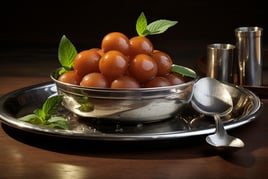




With the Lohri celebrations just around the corner, wondering which mistakes to avoid to ensure the best results? From incorrect cooking temperature to inaccurate measurements, several mistakes can ruin the efforts. Here’s a comprehensive list of the mistakes to avoid while making Lohri dessert recipes.
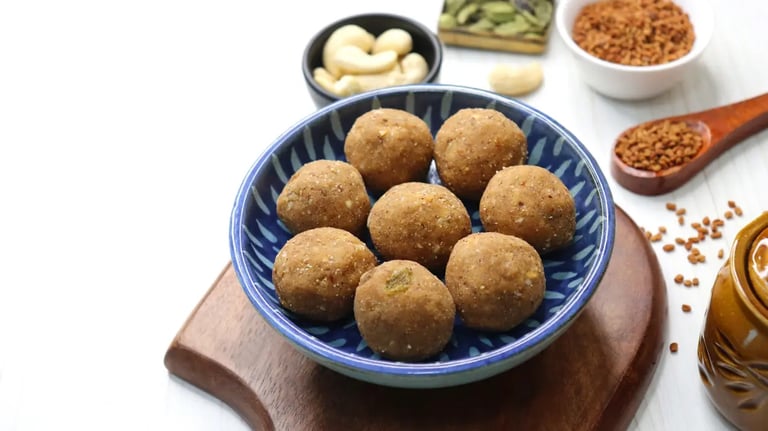
Lohri is always pictured as a vibrant North Indian harvest festival where people gather around bonfires, dance bhangra, and sing Punjabi folk songs with their loved ones. It bids adieu to winter and welcomes longer days, expressing gratitude for the annual harvest. And, such an auspicious occasion is never complete without Lohri dessert recipes. Traditional festive sweets like rewri, til chikki, and laddoos carry the essence of the festival at their core. So, whether made at home or store-bought, these sweets are always at the center of the joyous celebration.
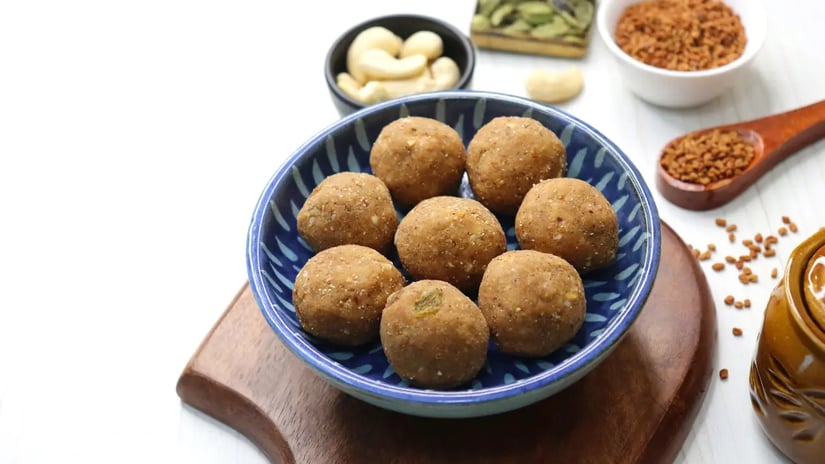
The list of popular Lohri special sweets includes rewri, chikki, pinni, laddoo, kheer, and more. These days, people are also exploring fusion sweets while keeping the traditional ones in place. The traditional recipes symbolize warmth, prosperity, and abundance, while the contemporary ones add a touch of modernity. Whether it's the regular Lohri special sweets or fusion ones, it's important to know the mistakes to avoid when making Lohri dessert recipes.
Incorrect Consistency, Wrong Heat: Know The Mistakes To Avoid
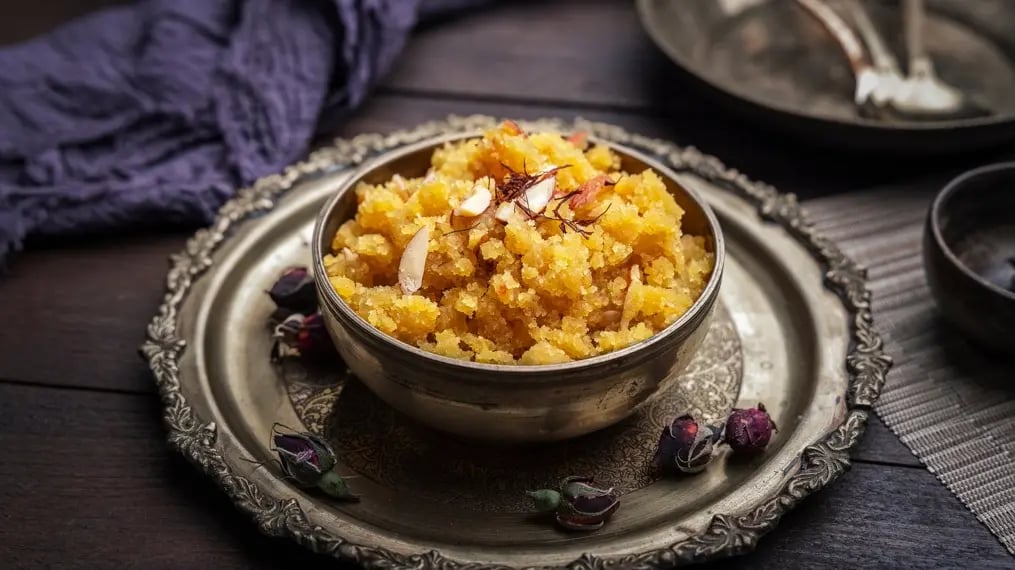
Traditional Lohri sweet recipes are all about earthy ingredients, precise proportions, accurate measurements, and the right cooking temperatures. Whether it's a plateful of rewri and gajak or a bowl of gud ka kheer and pinni, every recipe requires patience, precision, and perfection. And if not followed carefully, the recipes can go wrong in several ways. Here’s a comprehensive list of the mistakes to avoid while making Lohri dessert recipes.
1. Using raw and untoasted seeds and nuts
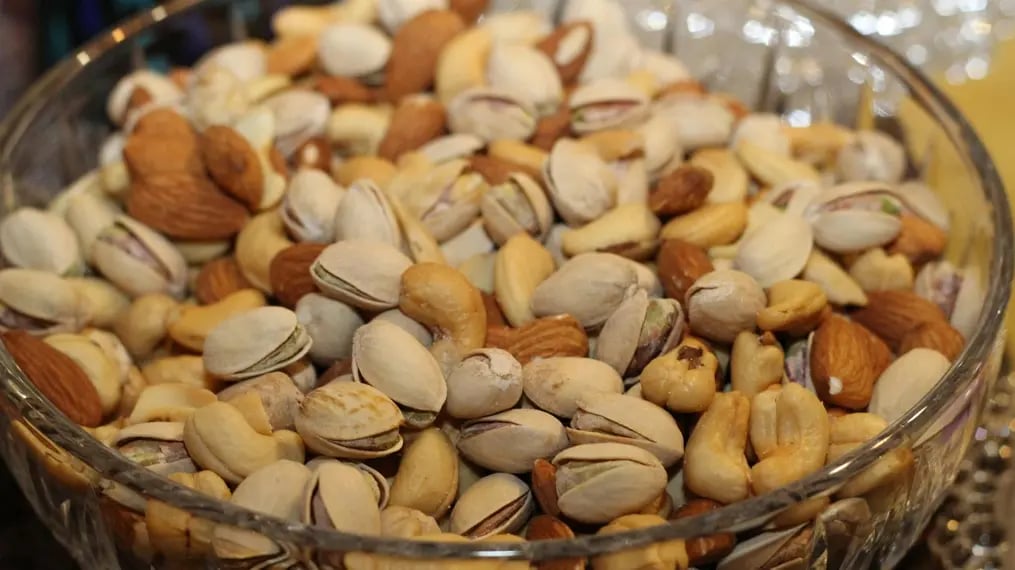
People often use raw, unroasted seeds and nuts in Lohri recipes such as rewari, gajak, and chikki. For the best results, use toasted sesame seeds, peanuts, and dried fruit in these recipes. Using the untoasted, bland nuts and seeds often makes the mixtures tasteless, while the toasted versions bring in the nutty, earthy aromas of the nuts and seeds. For the best results, it is recommended to dry-roast the nuts and seeds over a low-to-medium flame.
2. Incorrect consistency of jaggery syrup
Most of the Lohri sweet recipes use jaggery syrup. And, the consistency of jaggery largely decides the outcome, as, besides sweetening, it also acts as the binding ingredient for these sweets. The single-string consistency is considered ideal for the best results. If the syrup is too thin, the sweets will be soft and sticky; if it is too thick or overcooked, the desserts will be hard and challenging to eat. To identify the right consistency, drop a little syrup into cold water. The right consistency always forms a firm, crisp ball or a brittle thread rather than dissolving.
3. Shortening the cooling time
For a perfect Lohri sweet, patience is essential. While it is always tempting to taste the sweet delights as soon as they are ready, it is equally important to let them set for a while. Shortening the setting time often leaves the sweets soft and sticky. Cutting these sweets before they have hardened properly results in a sticky mess properly. To get rid of this problem, allow the mixture to cool and set for some time.
4. Not checking the purity of jaggery
The best results always come from premium-quality ingredients. And when it comes to jaggery, it is even more crucial, as it is a key component of Lohri dessert recipes. Using impure or adulterated jaggery affects both the taste and texture of the outcome significantly. For the best results, it is recommended to opt for dark brown, pure jaggery. A bright yellow color often indicates chemical treatment. To check the purity level, one may dissolve a small piece in water to check for artificial colors.
5. Wrong temperature for the ingredients
After ingredients, temperature is the second most important factor when it comes to making Lohri sweets. It is always crucial to add key ingredients, such as sesame seeds or a flour mixture, to the jaggery at the right temperature. Adding them when the jaggery is too cold prevents proper binding, while adding them when it's too hot may lead to overcooked ingredients. It is, therefore, essential to maintain the right temperature.
6. Cooking Jaggery on High Heat

Cooking jaggery at high temperatures while making Lohri sweets often leads to nutrient loss and burning. This results in a bitter taste. To avoid this inconvenience, it is recommended to melt the jaggery on a low to medium flame. Keep stirring it constantly until it reaches a smooth consistency.
7. Inaccurate Measurements
When it comes to making sweets, precision is key. Perfection comes with accurate measurement of ingredients. Any deviation from that significantly alters the outcome. Using too much or too little of any ingredient, especially ghee or jaggery, can drastically change the final texture and flavor. To ensure the final product is perfect, always use proper measuring tools and follow the recipe's measurements accurately.
Conclusion:
This Lohri, make sure the rookie mistakes don’t stand a chance to ruin the festive sweets. Learn the mistakes to avoid and make the Lohri celebration memorable with the delicious Lohri-special sweet delights.
Like This Article?
More Like This



Popular Articles


Trending Web Stories


Curated Recipes