




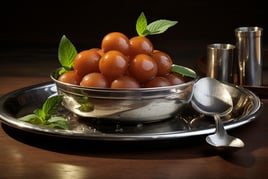


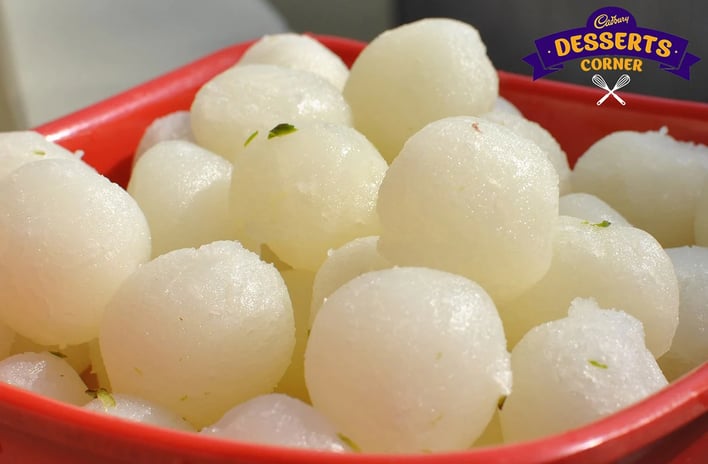


Rasgulla is an Eastern Indian icon, central to the pride of Odisha and West Bengal. These syrupy chhena spheres are a legendary symbol of regional heritage.
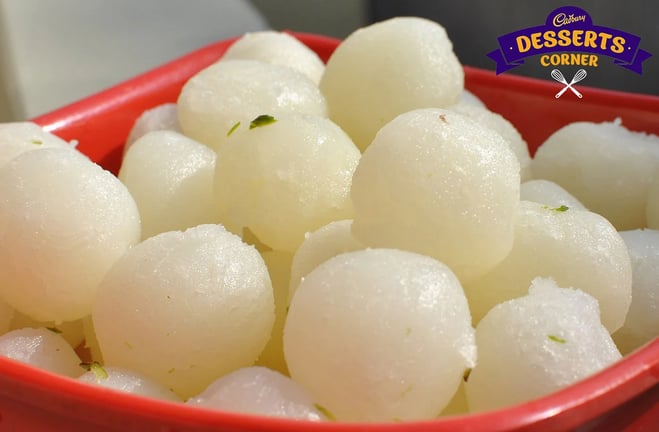
Soft and round and dripping in syrup, rasgullas are among India's favorite sweet indulgences. Even if you hail from Bengal, Odisha, or any other place in the country, there are chances that you have had a rasgulla at one point or another. Served at festivals, weddings, or, for that matter, any day, it's a dessert that never requires an occasion.
Prepared from chenna (fresh curdled milk) and cooked in sugar syrup, this white sweet ball can be deceptively straightforward but has years of passion, tradition, and controversy behind it. From domestic kitchens to illustrious sweet shops , the recipe of rasgulla continues to enchant generations. Through the years, this dessert has reached every nook and corner of India's heart and around the world, with followers ranging from Tokyo to Toronto.
But did you know rasgullas have a history replete with intriguing turns, local pride, and a formal GI tag to end age-old rivalries? Let's indulge in a sweet walk through its tale, beginning with its strong link to Bengali sweets .
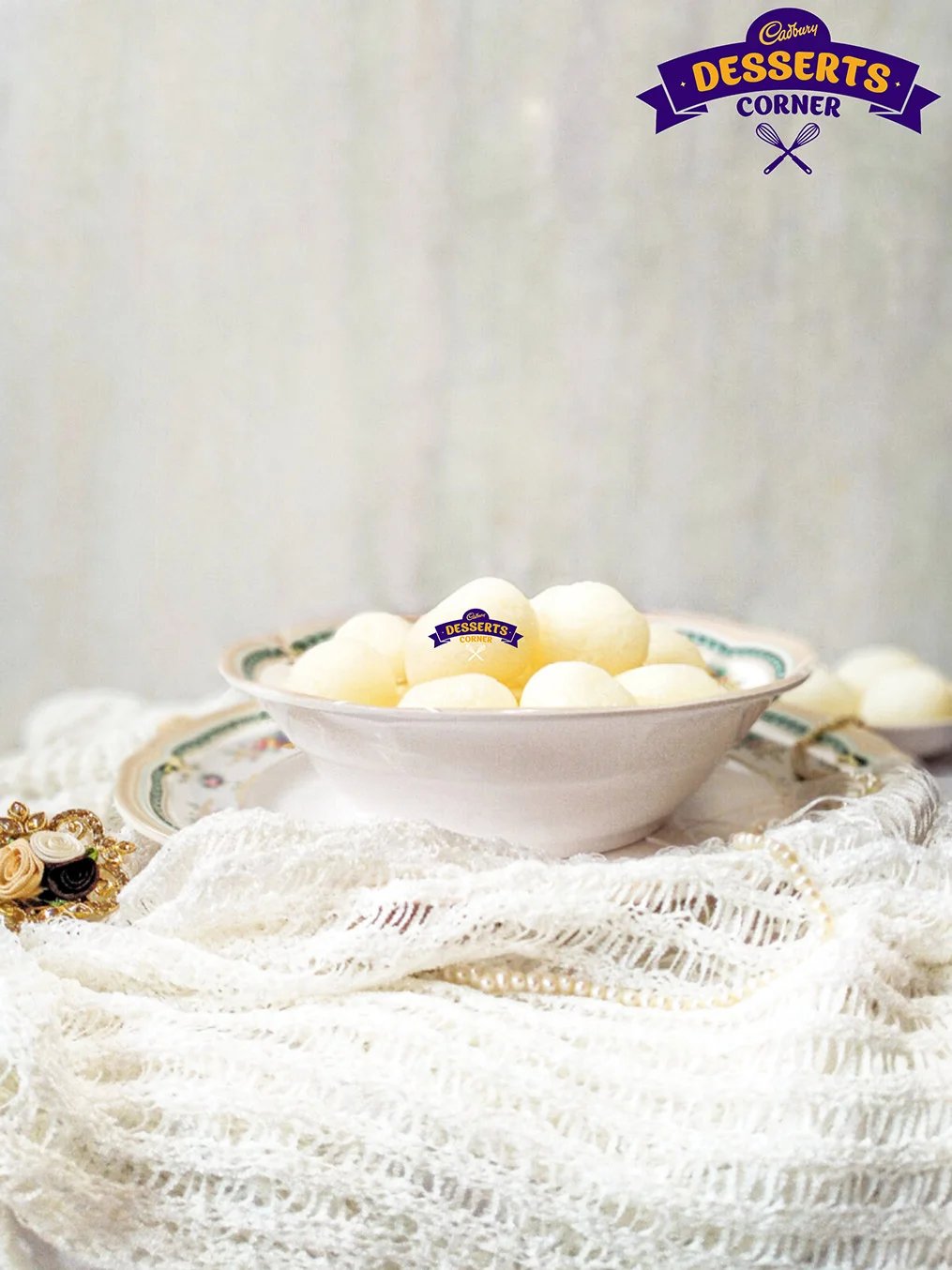
The Great Rasgulla Origin Debate: Bengal vs. Odisha
Odisha's Claim: An Ancient Temple Tradition
The foundational element of the state of Odisha can be linked to religious practices associated with Puri’s Jagannath temple and the oral traditions tied to it. There is a belief that the sweet dish, Khira Mohana, was offered to Jagannath in the temple as early as the 12th century, when the current temple structure was built by the Eastern Ganga dynasty.
A primary legend regarding the offering of rasagola at the end of the annual Rath Yatra is that when Jagannath returns from the chariot festival and wants to enter the temple, Goddess Lakshmi refuses him entry. Jagannath begs her to allow him to enter by offering her rasagola. Goddess Lakshmi agrees and allows Jagannath to enter the temple. This offering is still made today after the Niladri Bije ceremony at the Jagannath temple.
Proponents of Odisha's position maintain that the tradition shows a longstanding cultural link between the sweet and Odisha’s religious culture. The Odisha government has submitted many examples from both historical literature and from temple registers to illustrate that a version of the rasgulla is a part of the traditional offerings.
Scholars, however, have pointed out that sweets, particularly those that are based on cheese (chhena), are not believed to have developed in eastern India until after the sixteenth century (possibly as a result of the introduction of Portuguese methods of curdling milk in Bengal) which makes it difficult to establish an exact date for when the rasgulla was created in its present form. Therefore, as a basis for its claim, the Odisha government points to continuity of religious tradition, not necessarily to the use of the same kind of cooking techniques.
Bengal's Claim: A Modern Culinary Invention
The history of the rasogolla as you know it today can be traced back to West Bengal’s first documented recipe for this confection in 1868 by confectioner Nobin Chandra Das in Kolkata. He is credited with creating the spongy quality that you now associate with Banglar Rasogolla by developing a technique for preparing chhena and cooking it in a light sugar syrup at a consistent heat until it becomes soft.
Nobin Chandra Das’ method produced a very different kind of rasogolla than what had been made previously, which were typically denser types of chhena. Historical reports and later family accounts describe how this new type of rasogolla quickly became commercially successful. Nobin Chandra Das’ son, Krishna Chandra Das, capitalized upon Nobin’s success by popularising the product through expansion into distribution and introducing canned rasogollas with extended shelf life.
So, Who Invented The Rasgulla?
The evidence of Bengal shaping what the renowned sweet is today comes from three documented sources: historic genealogy, period advertisements/marketing, and commercial growth and expansion of the rasgulla. West Bengal's claim, therefore, is based more upon verifiable nineteenth century innovation than on any identifiable ritual/traditional antiquity.
Two distinct narrative forms exist regarding the origins of rasgulla due to the differing evidence types utilized to support each narrative. The legal debate between the two narratives has gone on for years before eventually ending up in the formal legal system or the judicial system.
The GI Tag Battle: A War for Recognition
Geographical indication (GI) is a tag for goods that identify where they originated (from a particular geographic region) by virtue of an essential quality, reputation, or character referring to their geographic origin. GIs in India are regulated and administered via India's Geographical Indications of Goods (Registration and Protection) Act of 1999, and the GI Registry in Chennai.
In November of 2017, West Bengal received a GI tag for 'Banglar Rasogolla.' The GI application outlined that this 'rasgulla' product consists of a white, light, spongy ball of chhena that has been cooked through in syrup and states its unique soft feel and pale color. News outlets at the time reported that the GI tag pertains solely to this special Bengal product and does not serve as a national GI for all "rasgullas."
On July 30, 2019, Odisha received a GI tag for 'Odisha Rasagola.' The GI application from Odisha indicates that its rasagola is softer than the Bengal version and may have a caramel hue due to longer cooking. The Odisha GI application also states that this rasagola is associated with worship in Puri and differentiates its product from the Bengal rasogolla in texture and cooking methods.
Both recognitions of the two GIs create a conclusion that GIs can coexist if a product shares a name but has different characteristics and/or region of origin. The legal results did not determine a "winner" in a historic sense between West Bengal and Odisha, rather they created two separate GIs: 'Banglar Rasogolla' and 'Odisha Rasagola.'
Beyond the Original: A Guide to Rasgulla Variations
The most basic technique in making rasgulla, which are chhena balls cooked in syrup, has produced a wide variety of dishes throughout eastern India as well as in other parts of the world.
Rajbhog is the big brother of the traditional rasgulla; it is made with more chhena and contains a stuffing of crushed dry fruits, flavored with saffron to give it a yellow color; the syrup for rajbhog is usually made thicker than that of rasgulla.
Kamalabhog has a tangy flavor due to the addition of citrus, which is why kamal means lotus. It is also dyed with food-grade coloring to give it an orange color; it's said that the flavor of kamalabhog is brighter than the flavor of traditional rasgulla.
Baked Rasgulla are not actually cooked in syrup; rather, they are put in a baking dish along with thickened milk or condensed milk, and cooked in an oven to caramelize on top, giving them a denser texture.
Nolen Gur Rasgulla are made from date palm jaggery, which will only be available during winter in Bengal. The syrup used to make these rasgulla has a deep amber color and a roasted sweetness unlike regular sugar.
Rasmalai is made from chhena patties that are flattened before being cooked in the same manner as rasgulla. However, instead of being eaten straight after cooking, they will be soaked in a sweetened and thickened milk mixture with cardamom and saffron to change the texture from springy to creamy.
All these examples show that a single cooking method can be modified for different seasons, holidays, or regions with different tastes.
The Cultural Significance of a Sweet Icon
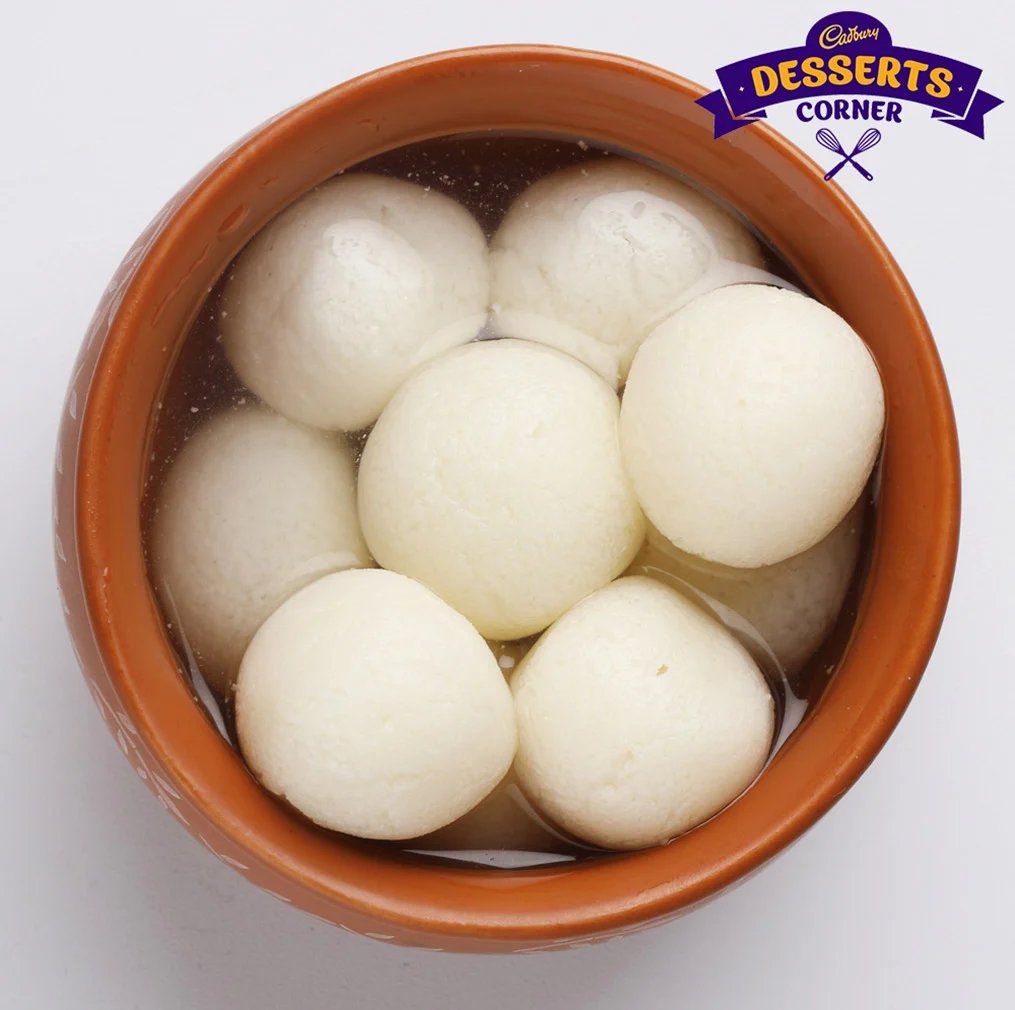
Rasgulla has become part of the culture in West Bengal. Trays of sweets move through families and neighbors during the period of Durga Puja; weddings include sweets from the newly married couple; sending rasogollas from Kolkata in a box is also a custom.
Kolkata's heritage sweet shops carry images of Nobin Chandra Das in order to establish their commercial identity with culinary history. Many people in Kolkata regard rasogolla as a measure of a region's success.
Odisha's ritual calendar is tied to the Jagannath temple's tradition of offering rasagola as part of Niladri Bije, which strengthens this item as a symbol of reconciliation between people and gods.
This dessert has tied together the people of West Bengal and Odisha, showing that food has multiple roles: as a religious offering, as a saleable product, and as a representation of cultural identity.
Key Dates in Rasgulla History (Timeline)
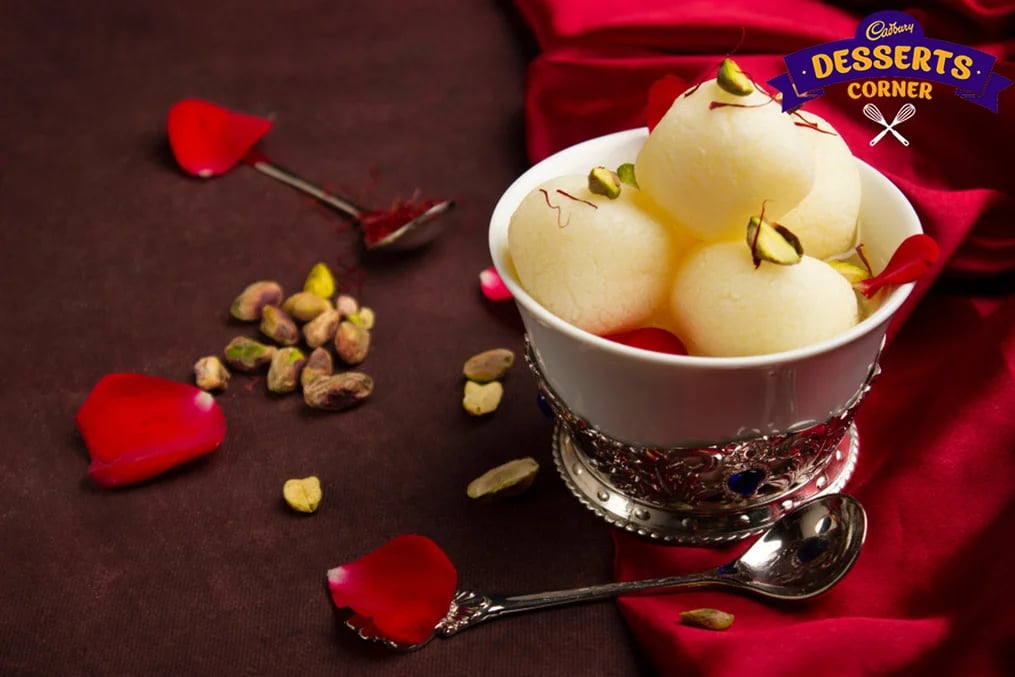
- 12th century: The temple customs of Puri have a long-standing tradition of linking the rasagola or khira mohana to the rituals involving the deity of Lord Jagannath (Puri’s famous temple).
- 1868: Nobin Chandra Das created spongy rasogolla in Kolkata in 1868.
- 2017: West Bengal was awarded the Geographical Indication (GI) label for the “Banglar Rasogolla” on the 14th of September 2017.
- 2019: Odisha was awarded the GI label for the “Odisha Rasagola” on 27th November 2019.
Rasgolla’s story continues to be shaped by the different cultures of India over time. Rasgolla has a sweetness that goes beyond the syrup; it has a depth of history to help it define who it is today.
A Classic Rasgulla Recipe
It might seem daunting to make rasgullas at home, but with patience and attention to detail, you can recreate this traditional dish from scratch. Here is a straightforward rasgulla recipe following the authentic Bengali method of preparation.
Ingredients:
- 1 liter full-fat milk
- 3 tbsp lemon juice (or vinegar)
- 2 cups sugar
- 1 liter water
- 1 tbsp milk (for draining impurities in syrup)
- 1 tsp semolina (sooji) or all-purpose flour
- 2 tbsp rose water
Method:
- Begin by boiling the milk, stirring it to prevent it from sticking. When it boils, reduce the heat and add lemon juice slowly. The milk will curdle.
- When thoroughly curdled, turn off the flame. Transfer to a muslin cloth and wash with cold water to get rid of the sourness.
- Suspend the cloth, which is tied up, and leave it for around 30 minutes to drain excess water.
- Once the chenna is prepared, place it on a plate, and add semolina or flour, kneading well for 10–15 minutes until smooth and greasy.
- Prepare small balls without cracks.
- In a deep pan, combine sugar and water and boil. Add a spoonful of milk to clear the surface of the syrup from impurities.
- Carefully drop the rasgulla balls into the boiling syrup. Cover and cook for 10–12 minutes. The balls will double in volume.
- Once done, add rose water and let them sit in the syrup for at least 30 minutes.
- Serve chilled or at room temperature.
Tips to Perfect It
1. Milk Quality Counts
The quality of your milk will affect the end result. Ideally, use whole milk; otherwise, if you use low-fat (less than 8% butterfat) or skim (less than 0.5% butterfat) milk, your chenna may end up being too dry, or your sweets will not hold together properly in the cooking process.
2. Kneading is Important
The chenna should be worked until it is smooth. Working the chenna will remove any graininess and will help the chenna to form nice balls during cooking because the chenna will have a better body. When the chenna is ready, it will feel soft and pliable.
3. No Cracks Allowed
All rasgulla balls should be without cracks on the outside of the ball. Any cracks will cause the balls to break apart when submerged in the sweet syrup or harden when cooled.
4. Keep the Syrup Light
Use a thin sugar syrup to have your rasgullas uniformly absorb sugar syrup and to cook properly through the centre of the rasgulla.
5. Soft Cooking
Do not cook on high heat. Cook rasgullas on the lowest setting on your stove. Cooking on low will allow your rasgullas to expand properly without becoming soggy.
6. Room to Expand
Give your rasgullas plenty of room to expand as they cook. Use a pan that is large enough so that the rasgullas do not touch when cooking (do not over-pack the pan).
7. Soak Before Serving
When removing the rasgullas from the cooking syrup, allow the rasgullas to remain in the syrup at least 30 minutes before serving.
The above tips are just a few ways to ensure that your homemade rasgullas are as good as any rasgulla available in a Kolkata sweet shop.
In India's dessert culture, rasgulla has remained an integral part of the culinary landscape that has evolved over centuries, from temples through to contemporary sweet shops. Its softness, sweetness, and multi-layered history connect the generations of artisans involved in its production and those who enjoy eating it. The rich stories associated with rasgulla highlight the evolution of food traditions and their ability to sustain an enduring sense of regional cultural identity.
Like This Article?
More Like This

Popular Articles


Trending Web Stories


Curated Recipes


