





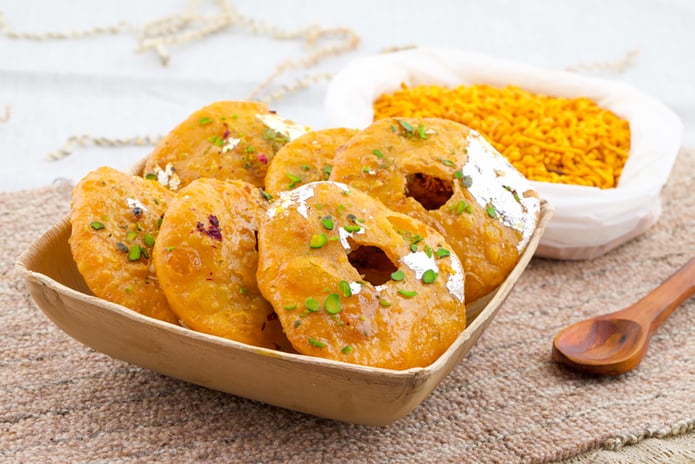


Rajasthani sweet dishes, including the ghevars, churma laddoos, mohanthals, and halwas, surely bring a smile to all the sweet lovers’ faces.
The Rajasthani sweet dishes are steeped in history, royal court sophistication, an abundance of naturally rich ingredients, and a rich regional art of sweet making. It has some unique sweets to offer. While some are doused in sugar syrup, the others are dry and rich in dairy. The ghee-rich recipes also boast dry fruits that add more texture to the mouth-watering sweets.
Rajasthani Sweets: What Makes Them Special
Sweets and desserts are commonly enjoyed for their taste. But when it comes to Rajasthani sweet dishes, besides the rich ingredients, the recipes subtly include history, heritage, and tradition as well. From the hot and sultry desert weather to the royal influences, several factors have shaped the Rajasthani sweet platter over the decades. Made with natural and nutrient-dense desi ingredients like ghee, lentils, jaggery, milk, khoya, and aromatic spices, every single variant of the sweets has its own story to tell. Be it the grand ghevar or the sweet Monhanthal, Rajasthan’s ‘sweet’ hospitality never disappoints the desi dessert lovers. Here’s a list of famous Rajasthani sweets to try.
Top Traditional Rajasthani Sweets Dishes
Ghevar
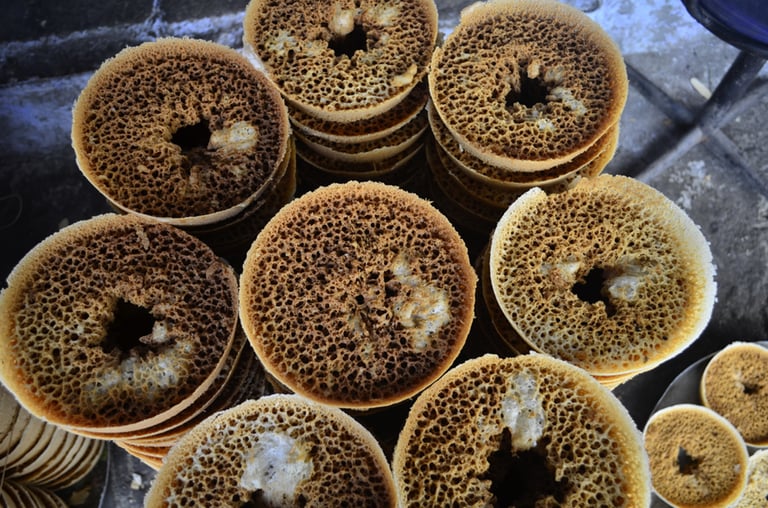
Ghevar is one of Rajasthan’s most beloved sweets. Made with common ingredients, this disc-shaped, honeycomb-like Rajasthani traditional delicacy is a must during festivals and special occasions.
Ingredients
- 250 gm all-purpose flour
- 120 ml ghee
- 120 ml milk, chilled
- 200 gm sugar
- 1 tray of ice cubes
- ½ tsp cardamom powder
- 1 tsp lemon juice
- Dry fruits, for garnish
- Oil or ghee, for frying
Instructions
- Add ghee to a large bowl and rub a big-sized ice cube or smaller ones into the ghee for five minutes, until it becomes creamy.
- Add the flour to the cold and creamy ghee and mix thoroughly, then gradually add the chilled milk while using your hand to mix.
- Measure one cup of icy cold water, around 225 ml, into the bowl and mix well to form a batter.
- Add another cup of chilled water and, using a fork or spatula, or just your hand, mix the batter well, with vigorous motions for five minutes to get rid of all lumps.
- Add the lemon juice to the batter and stir again. The batter should be thin but not watery. Refrigerate for 30 minutes to chill thoroughly.
- Heat oil or ghee in a four-inch or more deep, wide pan to reach 190°C, and while it heats. Place the batter next to the stove and have a slotted spoon and paper towels ready.
- Pour batter from a height in a circular motion, then create a hole in the center while pouring. Let the batter cook until it stops bubbling. Reduce the heat and cook until golden brown.
- Carefully remove and drain on paper towels while you prepare the syrup.
- Take a pan and add sugar with 60 ml of water and heat until a syrup with one-thread consistency forms. Rub between fingers and stretch to test. Add cardamom powder and mix.
- Dip each ghevar in the hot syrup until coated. Lift up carefully and place on a serving plate while still warm. Garnish with chopped dry fruits and let them cool before serving.
Mawa Kachori
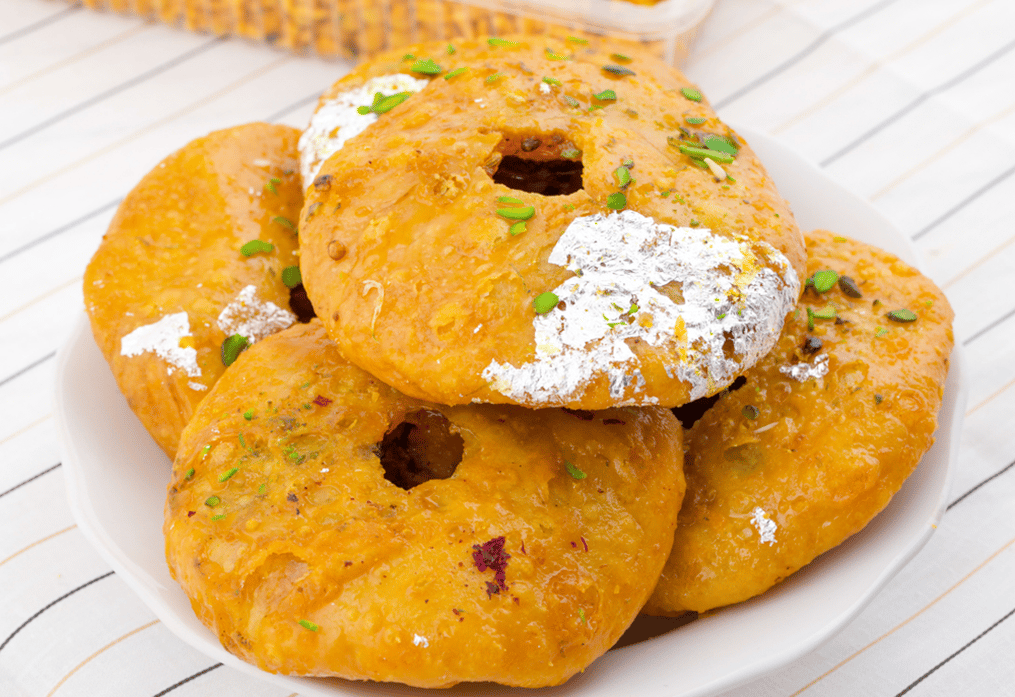
As the name suggests, this is a sweet snack filled with the goodness of mawa, sugar, and cardamom, all encased within a deep-fried, flaky pastry shell. Be it Holi, Diwali, or any other occasion, mawa kachori is a must in Rajasthani celebrations.
Ingredients
- 250 gm all-purpose flour
- 120 gm sweetened khoya (mawa)
- 60 ml mixed nuts (almonds, pistachios, and cashew nuts)
- A pinch of saffron strands
- Salt to taste
- 2 tsp ghee, for dough (more for frying)
Instructions
- Add a pinch of salt and enough water to the flour and mix. Then add the ghee to it, and knead well to form a thick dough. Set aside to rest, with a towel over the dough for one to two hours.
- Add the nuts to a mixer grinder and grind them into a coarse consistency.
- Add the nuts to a bowl with the sweetened khoya, mix and form small balls, two to three cm each.
- Divide the rested dough into equal portions, about golf ball size, and roll each portion into a circle about 8-10 cm in diameter, and place one khoya-nut ball in the center.
- Bring the edges together, pinching to seal and flatten the ball slightly between your palms.
- Heat ghee in a deep pan over medium heat and carefully slide two to three kachoris into the hot ghee.
- Fry on medium heat, occasionally turning them, and fry until they turn golden brown. Remove from the oil, draining well onto paper towels.
- While still warm, sprinkle with crushed saffron strands and garnish with chopped nuts. Serve warm, either plain or dipped in sugar syrup.
Kalakand
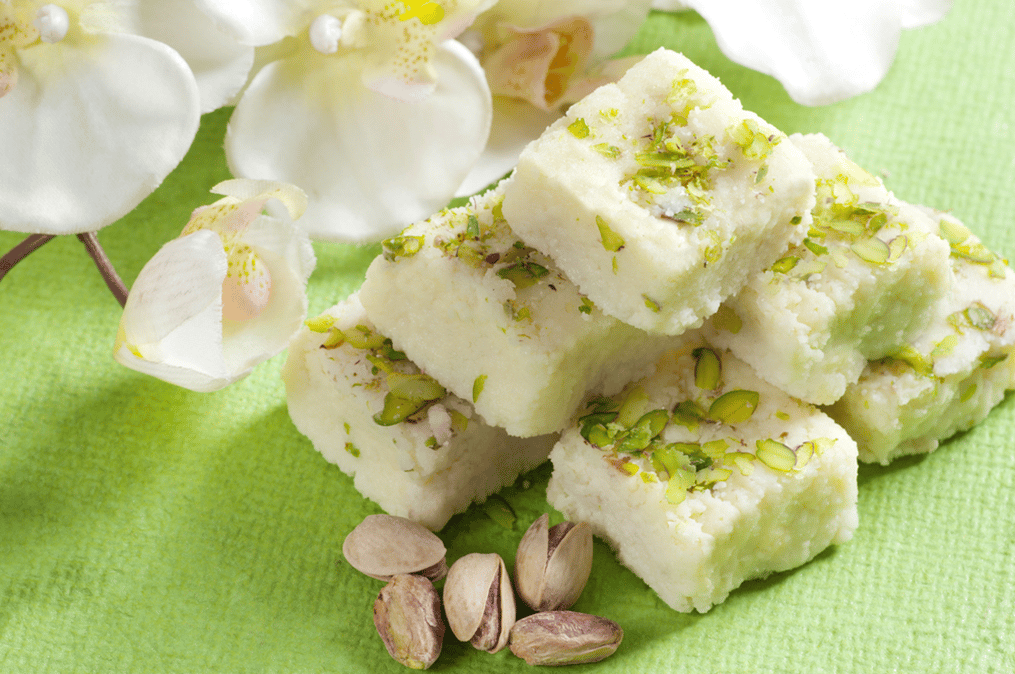
Kalakand is a classic Rajasthani sweet that defines the ‘melt-in-the-mouth’ texture in the best possible way. It is all about experiencing a grainy, creamy, milky delight with every single bite.
Ingredients
- 2 liters of full-fat milk
- 100 gm sugar
- 2 tsp lemon juice or vinegar (for curdling milk)
- ½ tsp cardamom powder
- 1 tsp ghee, for frying
- For garnish: Finely chopped pistachios and almonds
Instructions
- Heat milk in a heavy-bottomed pan and bring it to a boil. Then reduce heat to medium, and add lemon juice or vinegar while stirring. Continue until the milk curdles completely.
- Then line a colander with cheesecloth and pour the curdled milk through it. Gather the edges of the cloth and squeeze to remove excess whey. Let it hang for 15 minutes.
- Return the whey to the pan and simmer on low heat, stirring constantly, until reduced by half and thick. The mixture should coat the back of a spoon.
- Crumble the chenna into the reduced milk and add sugar and cardamom powder. Mix well and continue cooking on low heat, while stirring.
- Cook until the mixture starts leaving the sides of the pan and is very thick. Then grease a tray with ghee and transfer the mithai to the tray. Spread evenly with a spatula.
- Let the kalakand cool for 10 minutes and sprinkle chopped nuts. Press down gently to embed.
- Allow the mithai to cool outside for two to three hours, then cut into squares or diamonds and serve.
Churma Ladoo
Churma Ladoo is another integral part of the Rajasthani sweet platter. Often made during festivals and special occasions, these crumbly, aromatic bite-sized balls are all about the goodness of natural ingredients. It is made by binding coarsely ground wheat flour with ghee, jaggery or sugar, and nuts. What further elevates the flavor profile of the sweet is the subtle touch of spices like cardamom and nutmeg.
To make this, one needs to knead flour with ghee, shape it into dumplings, deep-fry them, and then grind coarsely to create the signature texture.
Malpua
In Rajasthan, Malpua is considered one of the most auspicious desserts served during festivals and special occasions. Dipped in a flavorful sugar syrup, the pancake-like sweet delight is soft on the inside and crispy on the outside.
The key ingredients of the traditional sweet include flour, sugar, milk, khoya, cardamom powder, fennel seeds, and mashed banana for flavor and texture. To make them, prepare the dough and make sure it is rested for about 30 minutes before frying. Next, shape them into thin pancakes and deep fry them in ghee until golden brown, and serve them warm with some rabri.
Mohanthal
Often served as an offering to Lord Krishna on Janmashtami, Mohanthal is a classic Indian dessert enjoyed for its dense yet melt-in-the-mouth texture. The traditional recipe includes ingredients like besan, ghee, sugar, and cardamom powder. However, some variations also include khoya for an added rich taste. It is often topped with almonds, pistachios, or edible silver vark. To try this at home,
roast the gram flour in ghee until golden brown, mix it with a sugar syrup and flavorings. Let it set properly before cutting it into squares.
Balushahi
Rajasthani celebrations are never complete without a plateful of these flaky, donut-like, deep-fried sweet treats. Known for its crispy exterior and soft interior, the Balushahi defines the beauty of Rajasthani sweets like nothing else. It is made from flour, yogurt, baking soda, and ghee, deep-fried on low heat, and soaked in sugar syrup.
Moong Dal Halwa
Halwas are an inseparable part of Rajasthani sweets. And when it comes to Moong Dal Halwa, very few other items can beat its popularity. Loved for the signature grainy, creamy texture, all this golden brown halwa takes is some simple ingredients and a whole lot of patience.
It is made with soaked, ground moong lentils, ghee, milk, and sugar. After the lentils are soaked and ground into a coarse paste, they are fried on low heat for a long time to get rid of the raw smell. All the other ingredients are then added one by one and cooked until a perfect grainy consistency is achieved.
Tips for Making Rajasthani Sweet Dishes At Home
Focus on the syrup consistency: Sweet syrups are an important part of Rajasthani sweets. It is, therefore, crucial to perfect the game of making single-string syrup. To check the consistency, once the syrup is made, take a drop of it between the thumb and index finger and pull the fingers apart. If the syrup forms a single string, it is perfect.
Add ghee generously: Nothing defines the grandeur of Rajasthani sweets
Better than the earthy, rustic flavor of ghee. Make sure pure desi ghee is added generously while making ghevar, halwas, and Mohanthal.
Subtle spices elevate the flavor: While rich ingredients like ghee, milk, and sugar are often considered the tastemakers of Rajasthani sweets, the aromatic spices like cardamom, saffron, and nutmeg always elevate the flavor profile to a whole new level.
Frequently Asked Questions
What is the most famous sweet of Rajasthan? 
Ghevar is often considered the most famous Rajasthani sweet. This disc-shaped, honeycomb-like desi dessert is a sweet delicacy made from flour, ghee, and milk, and mawa.
Which Rajasthani sweets have a long shelf life?
The shelf life of Rajasthani sweets varied depending on the moisture level of the items. Due to the scorching temperature, the dry sweets like Churma Ladoo and Balushahi have a longer shelf life compared to the halwas and ghevar.
Can I make Ghevar without a mould?
Yes. Ghewar can be made using a deep, small-bottomed vessel as well. Make sure there is enough depth in the vessel to pour the batter from the top into the center.
Like This Article?
More Like This

Popular Articles


Trending Web Stories


Curated Recipes