







Are you a new baker? These definitions will serve as a roadmap as you explore the wonderful world of baking and learn to make delectable treats.
As you start your adventure in the baking world, there will be many terms that you will have to learn, which may initially seem like navigating a maze of baking terminology. This guide, titled "An A to Z of Baking Terminology for Beginners," can be useful in the journey.
Baking Basics for Beginners: Understanding Essential Terms & Techniques
These baking terminology guides will be helpful at any stage of the baking process. From aerate to firm peak and beyond, you will definitely appreciate learning these baking terms and techniques, which will help you make delicious, professional baked goods. Whether you are just starting with baking or have years of experience, these terms will open up a whole world of precision and love for baking to you. So read up on interesting baking terms and get ready to develop yourself into a master baker.
Baking Terms A–F: Essential Definitions Every Beginner Should Know
A–B Baking Terms
Aerate
This baking terminology relates to incorporating air into a substance, usually a batter. This is important in baking to achieve a light and fluffy texture in baked goods.
Bain-marie
Also known as a hot-water bath, a bain-marie is used in baking to melt ingredients such as chocolate and butter gently.
Bake Blind
Baking blind means baking the crust of a pie or tart without the filling to ensure the crust is properly cooked and won't be soggy after the filling is added.
Batch
A batch is a quantity of baked goods prepared in a single baking session. This term comes in especially handy if you bake more than one piece, such as cookies or bread.
Batter
A batter is a mixture of dry and wet ingredients such as eggs, flour, and milk or water. Unlike dough, it is not kneaded and contains much more liquid.
Beat
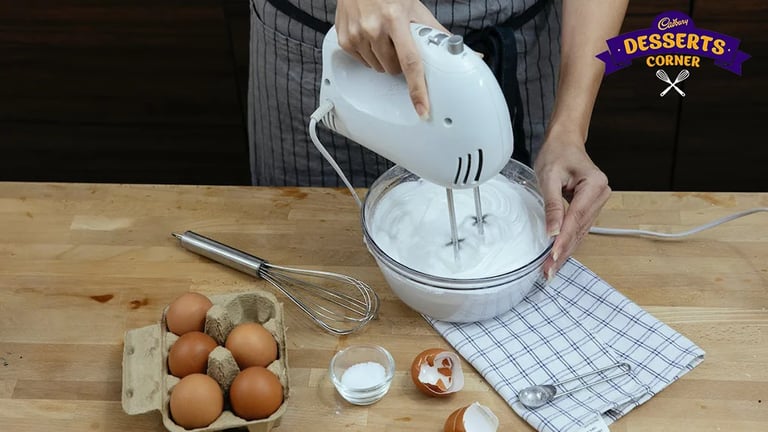
The process of beating means thoroughly mixing the ingredients with speed and intensity to incorporate air. Beating is crucial when baking cakes, as you want them to be light and airy.
Blend
Blending involves mixing two substances until they become fully incorporated. In baking, this can refer to combining wet and dry ingredients or ensuring a uniform distribution of flavors and textures.
Bloom
There are two possible uses of the bloom term in baking. For gelatin, this means soaking the ingredient in a liquid before use. For cocoa powder, this means making a smooth mixture by combining it with water, thereby intensifying the chocolate flavor before mixing it with others.
Boil
The term "boil " in baking terminology refers to cooking a liquid to a boil or submerging an ingredient in boiling liquid. It's a fundamental technique in various recipes, from creating syrups to blanching certain ingredients.
Butter
To butter in baking is to spread or add butter onto something. It's a common step in preparing pans or surfaces to prevent sticking and enhance flavor.
Buttercream
Buttercream is a versatile icing used for filling, topping, coating, and decorating cakes or cupcakes. It's typically made by creaming butter with powdered sugar and adding colorings and flavorings for the final touch.
C Baking Terms
Caramelize
Caramelization is the process of cooking sugar until it turns brown, creating a rich, complex flavor. This technique is essential in various desserts, from caramelizing the sugar in crème brûlée to enhancing the sweetness of certain fruits.
Chop
Chopping involves repeatedly using a knife or other sharp object to cut something into small, manageable pieces.
Coat
To coat in baking is to cover something with a wet or dry substance. After baking, bread loaves are often coated with a layer of butter, enhancing their flavor and look.
Combine
Combining in baking refers to mixing two or more ingredients together thoroughly. This step ensures a homogeneous mixture, contributing to the overall consistency of the final product.
Consistency
Consistency in baking describes the texture and thickness of a substance. Achieving the right consistency is essential for the success of various recipes, from batters to frostings.
Cool
Allowing something to cool in baking is the process of reducing its temperature to a safe level, a critical step before handling or serving. Cooling helps set certain textures and prevents components from melting or losing structure.
Cream
Creaming in baking involves softening solid fats like butter and mixing them with other ingredients, typically sugar. This technique creates a smooth and airy texture, especially in recipes like cookies and cakes.
Crimp
Crimping is a baking technique that involves pinching the sides and tops of pie or tart crusts. This not only adds a decorative touch but also helps seal the edges, preventing fillings from leaking during baking.
Crumb
Crumb in baking refers to the small particles of cakes or bread. It describes the texture, which can be tight, loose, moist, dense, etc. Achieving the desired crumb is essential for the overall quality of baked goods.
Crust
The crust in baking is the outer skin of a bread or pie. It's typically hard in texture, providing a contrast to the softer interior. Crusts can vary in thickness and flavor, influencing the overall eating experience.
Curdle
Curdling occurs when a liquid separates and forms curds and lumps. This phenomenon is often used to describe ingredients such as eggs, batter, or milk when they undergo undesirable separation. Techniques like gradual mixing or temperature control can prevent curdling.
Cut In
Cutting in, or cutting butter or shortening into flour, is a baking technique. Using a knife or pastry blender, this method creates a crumbly texture, essential for achieving flakiness in pies, pastries, and cookies.
D Baking Terms
Defrost
Defrosting is the process of removing ice or frost from something frozen by increasing its temperature. This is essential in baking when working with ingredients that have been frozen, such as frozen fruits or puff pastry.
Dilute
Diluting in baking involves thinning a liquid by adding water or another solvent. This technique is often used to adjust the consistency of batters, sauces, or glazes.
Dip
Dipping in baking refers to immersing something into a dry or liquid mixture. This can include coating cookies in chocolate or dipping bread into a flavored oil.
Dissolve
Dissolving in baking is the process of incorporating a solid ingredient or food into a liquid to form a solution or mixture. This is often seen when dissolving sugar or salt into liquids to create a base for various recipes.
Double Boil
Double boiling involves using indirect heat to melt or cook ingredients. This technique is often employed for delicate substances like chocolate or custards, preventing scorching or overheating.
Dough
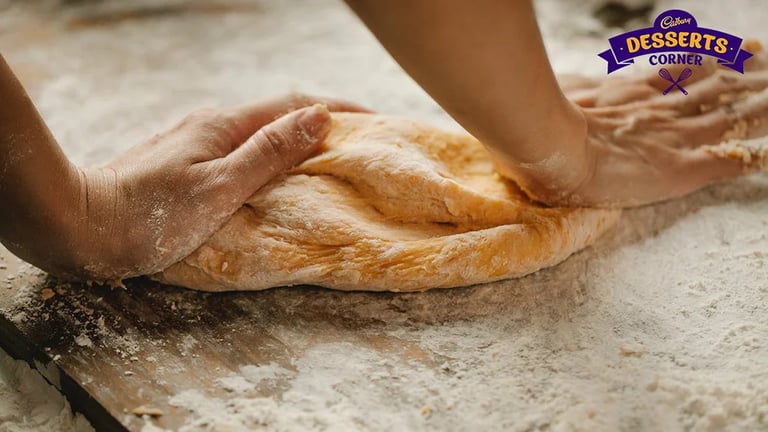
Dough is a thick mixture made by combining flour or meal with a liquid. It refers to the mixture used in making bread or pastry and is stiff enough to be kneaded and rolled.
Drizzle
Drizzling in baking is the process of pouring a thin stream of liquid, such as glaze or butter, over food. This technique adds a decorative touch and can enhance flavors.
Dry Ingredients
Dry ingredients in baking refer to substances that are dry and don't contain water, usually in solid form. Examples include flour, sugar, cocoa powder, and salt. Mixing dry ingredients separately before adding them to a recipe ensures even distribution.
Dust
Dusting involves sprinkling a thin layer of powdered ingredients such as cocoa powder, flour, or confectioners' sugar over food. This can prevent sticking and add visual appeal.
E–F Baking Terms
Egg Wash
Egg wash refers to beaten eggs, sometimes with additional liquid like milk or water added. As a verb, it means brushing this mixture over the surface of food, typically before baking, to add color and shine.
Emulsion
An emulsion is a mixture containing liquids that are immiscible, such as oil and water. Emulsifiers, like egg yolks, are often used in baking to create stable emulsions, as seen in mayonnaise or certain dressings.
Essence
In baking, essence refers to an artificial substance used for flavoring. For example, vanilla essence is made synthetically and is often more affordable but less fragrant than natural extracts.
Extract
Extract in baking refers to a natural substance extracted directly from its source. Vanilla extract, for instance, is the concentrated essence derived from vanilla pods. It imparts a more authentic flavor compared to artificial essences.
Fermentation
Fermentation is a process crucial in bread baking, converting sugars and starches in dough into simpler substances like carbon dioxide. This produces the characteristic rise and porous texture in bread. Most bread recipes involve two fermentation periods – the first rise after adding yeast to the dough and the second rise, also known as the final rise, before baking.
Fold
Folding is a gentle technique used to incorporate dry and liquid ingredients. Usually done with a whisk or rubber spatula, folding ensures thorough mixing without deflating ingredients like whipped egg whites or delicate batters.
Firm Peaks
Firm peaks refer to a stage in whipping. When lifting up beaters or a whisk, peaks should hold their shape better than soft peaks. They have more distinct ridges, yet with tips that are slightly bent. Achieving firm peaks is crucial in recipes requiring whipped cream or meringue for stability and texture.
Must-Know Baking Techniques for Beginners
Understanding key baking techniques is an important step in mastering baking for beginners.
Creaming Method (For Cakes & Cookies)
Creaming butter and sugar together traps air, creating lighter cakes and cookies with improved texture and even baking results.
Folding Technique (For Light Batters)
Folding gently combines ingredients without removing air, helping sponge cakes, mousses, and delicate batters remain light and fluffy.
Whisking & Beating (Adding Air to Mixtures)
Whisking and beating incorporate air into ingredients, producing volume, softness, and improved structure in many baked goods.
Kneading Dough (For Bread Basics)
Kneading develops gluten strands, creating elasticity and strength that give breads their characteristic texture and chewiness.
Essential Baking Tips for Beginners (Baking 101 Guide)
Every baking 101 guide starts with simple habits that improve results. Small details such as measuring accurately and preparing ingredients correctly make a noticeable difference. These practical baking tips help beginners avoid common errors while building confidence in the kitchen and understanding the fundamentals of successful baking.
Measure Ingredients Accurately
Precise measurements ensure the correct balance of ingredients, helping recipes bake consistently and reducing the risk of failure.
Use Room Temperature Ingredients
Room-temperature ingredients blend more evenly, creating smoother batters and improving the texture of cakes and cookies.
Preheat the Oven Properly
A fully preheated oven ensures even baking and helps recipes rise correctly from the beginning.
Avoid Overmixing Batter
Overmixing develops excess gluten, often resulting in dense cakes, tough muffins, and less desirable textures.
Follow Recipe Steps Carefully
Following instructions in order helps ingredients perform correctly and improves overall baking success.
Basic Baking Essentials Every Beginner Needs
Beginners do not need expensive equipment, but a few reliable tools can improve accuracy and efficiency.
Measuring Cups & Spoons
Accurate measuring tools help maintain consistency and ensure recipes contain the correct ingredient quantities.
Mixing Bowls
A set of mixing bowls provides space for combining, whisking, and preparing ingredients efficiently.
Whisk & Spatula
These versatile tools help mix ingredients smoothly and scrape bowls without wasting batter.
Oven Thermometer
An oven thermometer verifies actual oven temperature and helps prevent underbaking or overbaking.
Common Baking Mistakes Beginners Should Avoid
Mistakes are part of learning, but recognising common baking errors can save time and ingredients. Many beginner problems stem from rushing preparation or ignoring important steps. Understanding these challenges strengthens knowledge of baking basics and improves consistency, making the learning process more enjoyable and rewarding.
Overmixing Batter
Excessive mixing often creates dense baked goods with reduced softness and volume.
Incorrect Measurements
Using inaccurate quantities can alter texture, flavor, and the overall success of a recipe.
Opening Oven Too Often
Frequent oven checks release heat and may cause cakes or breads to collapse.
Skipping Preheating
Starting with a cold oven affects rising, baking time, and final texture.
Conclusion
Mastering baking for beginners starts with understanding terminology, techniques, and essential kitchen practices. From creaming and folding to accurate measuring and proper preparation, these fundamentals create a strong foundation for success. With regular practice, confidence grows naturally, and the connection between baking 101 concepts and real-world results becomes clearer, helping every beginner become a more skilled and capable baker.
FAQs About Baking for Beginners
What are the most important baking terms to know? 
Key baking terminology includes creaming, folding, whisking, kneading, proofing, batter, dough, and preheating. These terms form the foundation of baking basics.
What is the difference between batter and dough?
Batter has a liquid-to-semiliquid, often pourable consistency, while dough is thicker, firmer, and typically shaped by hand.
Why is creaming important in baking?
Creaming incorporates air into butter and sugar, helping cakes and cookies achieve a lighter texture and better rise.
What does folding mean in baking?
Folding is a gentle mixing technique used to combine ingredients while preserving trapped air, resulting in lighter baked goods.
Like This Article?
More Like This


Popular Articles


Trending Web Stories


Curated Recipes