










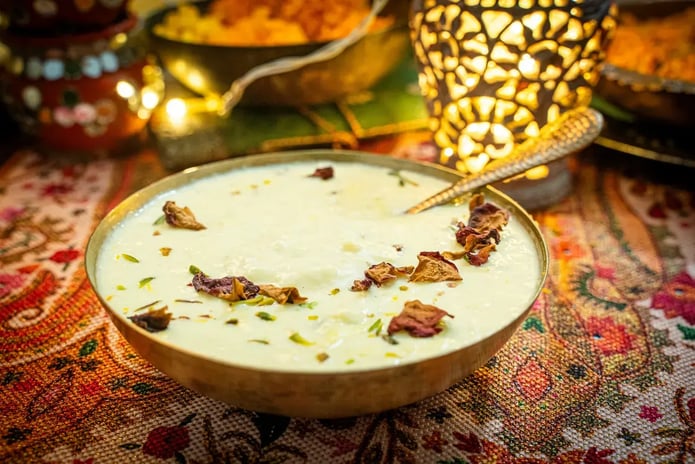


Want to make Basundi just like it’s served at festive Maharashtrian homes? Learn to make it creamy and rich this Maharashtra Day.
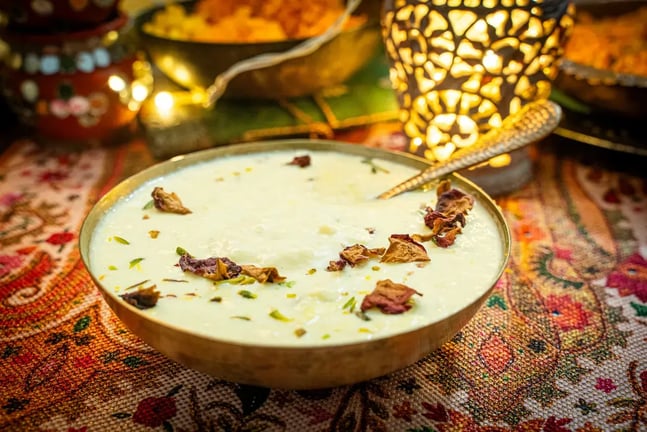
How long has it been since you leaned over a pot of milk, stirring patiently, waiting for it to thicken while the entire kitchen wafts with the sense that something wonderful is happening? That's what making Basundi is like. This isn't a 10-minute dessert. It's a slow dish. Prepared with time, prepared for celebration.
Among those is Basundi —a creamy milk dessert simmered till rich, then sweetened with sugar and flavored with cardamom, nutmeg, and saffron. It’s served cold or at room temperature, garnished with chopped nuts. You’ll spot it at weddings, pujas, or just on days when someone decides to treat the family. But for Maharashtra Day, it feels just right—a dish that celebrates the essence of the region without needing too much.
Maharashtra Day, celebrated on May 1, commemorates the establishment of the state in 1960. The day is celebrated in cities and towns with flag hoisting, cultural activities, and naturally, food. Just as Diwali has karanji and Holi has puran poli, Maharashtra Day has its own soft spot for sweets that are traditional, earthy, and comforting.
So if you've never made it at home before, or want to get it right this time, we've got you covered. Below is the traditional Basundi sweet recipe, followed by tips that'll help you make it like someone who's been stirring this pot for years.
What Is Basundi? A Classic Maharashtrian Milk Dessert Explained
Basundi is a traditional Maharashtrian milk dessert made by slow simmering of sweetened milk until thick and aromatic. This sweet is usually prepared on occasions like festivals, marriages, and celebrations. Unlike rabri, the consistency is a little thinner and contains a smaller quantity of milk solids and malai.
Traditional Basundi Recipe
Ingredients:
- 1.5 litres full-fat milk
- 1/2 cup sugar (adjust to taste)
- 1/4 tsp cardamom powder
- 1 pinch nutmeg powder
- A few strands of saffron
- 2 tbsp warm milk (for soaking saffron)
- 10–12 almonds and cashews, chopped
- 1 tsp chironji (optional)
Method:
- Heat milk in a wide, heavy-bottomed pan over high heat and bring to a boil.
- Reduce the heat and allow it to simmer.
- Keep stirring from time to time, scraping the sides and returning the cream to the milk.
- Soak saffron in warm milk and add once the milk has reduced by about 1/3.
- Add sugar and mix well until dissolved.
- Add the cardamom and nutmeg powder and sprinkle.
- Keep it simmering for a while longer until it thickens up to a creamy consistency.
- Turn off the stove, let it cool a bit, and then add chopped nuts.
- Serve cool or at room temperature.
How to Make Basundi at Home (7 Tips)
Tip 1: Always Use Full-Fat Milk — Here's Why It Can't Be Substituted
Basundi takes richness from whole milk. Don't use toned or skimmed milk—it simply won't yield what you're expecting. Milk needs to simmer naturally and overheat to thicken up and become creamy. Shortcuts like milk powders or condensed milk won't save time but alter the essence of the dessert. Patience, not substitutes, is used in the traditional method.
Tip 2: Use a Wide, Heavy-Bottomed Pan to Prevent Burning and Speed Up Reduction
The wider your pan, the quicker the milk thins without overflowing. A thick bottom does not burn, particularly when the milk begins to stick to the bottom. If the milk is burned even minimally, it introduces a nasty smoky flavor. Stirring is not optional in this case—it's the solitary task. So, plan for 45–60 minutes and make it the sole responsibility in your kitchen for that hour.
Tip 3: Stir Regularly and Scrape the Sides — That Cream Is Where the Richness Lives
You don't have to stir continuously, but don't leave it alone either. Stir in a rhythm every few minutes and scrape down the cream that accumulates on the sides. Mix it back into the milk. This provides basundi with its creamy texture. If you skip this step, you'll have a thinner consistency and miss out on the richness that characterizes it.
Tip 4: Use Real Saffron and Bloom It Properly Before Adding
Saffron is not for color alone. It provides actual saffron filling and fragrance that artificial colors or essence cannot. Soak it in hot milk for a couple of minutes before putting it in the pot. This allows it to bloom completely and blend well. Add it once the milk has thinned by at least one-third, not sooner, so it keeps its richness.
Tip 5: Add Sugar Only After Reduction — And Taste Before You Pour
After the milk has thickened, add sugar. But begin modestly and taste first before adding more. As the milk cooks down, it becomes sweeter naturally, so you don't have to dump in too much. Over-sweetening also overpowers the nutty and spiced flavors that result from cardamom, nutmeg, and saffron. Shoot for balanced—not merely sugary.
Tip 6: Add Nuts Only After Cooling — And Why Chironji Deserves a Mention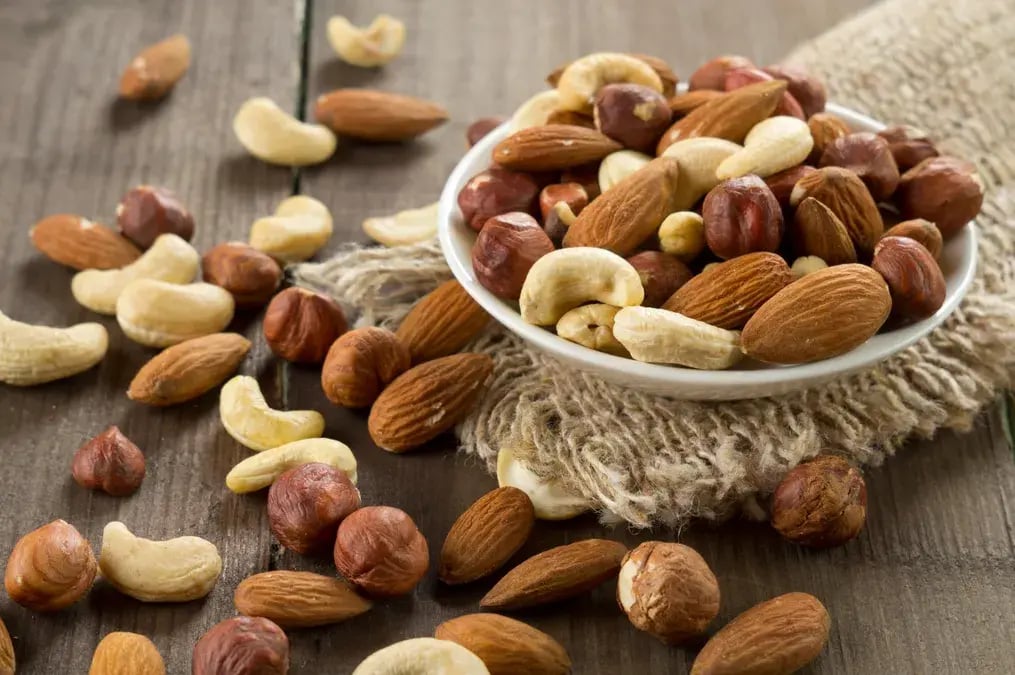
Chopped nuts provide each spoon of basundi with a nice bite. But don't add them when the milk is boiling down. They'll get too soft and lose their crunch. Cool the basundi slightly and then add them. If you prefer chironji (charoli), soak them for 10 minutes and then add along with the nuts for that old-world touch.
Tip 7: Chill Before Serving — Cold Basundi Is Thicker, Richer, and Better
Once basundi is done, let it cool and refrigerate for a few hours. Cold basundi thickens slightly more and tastes richer. If serving it right after making, let it rest at room temperature for 20–30 minutes. But if you’re prepping ahead, chilling it makes it set perfectly. Just give it a good stir before serving and garnish with more chopped nuts on top.
Common Basundi Mistakes and How to Fix Them
-
Thin basundi: Continue simmering on low flame, stirring frequently, until most of the moisture has evaporated, leaving you with a thick and creamy basundi recipe.
-
Grainy texture: To avoid this while making a basundi recipe, avoid using high flame and maintain gentle stirring.
-
Too sweet: To counter this problem when preparing basundi at home, you can add some warm milk and let it simmer. This way, you can also ensure that the sweet basundi recipe is not too runny.
-
Bland flavor: To prepare flavorful basundi, you can add cardamom, saffron, nuts, or a few drops of rose water. This will enrich the base of your basundi recipe without overpowering the other flavors.
-
Scorched milk: First, remove the pan from the flame and transfer the remaining basundi to a clean one, instead of trying to remove the burnt portion. You can also avoid this problem while learning how to make basundi by using a thick-bottomed kadhai on a low flame.
Frequently Asked Questions
Can I make basundi with condensed milk? 
Yes, using condensed milk can save you time and add richness. A quick basundi recipe uses condensed milk along with regular milk, so that it does not have to be simmered for long.
How long does it take to make basundi from scratch?
Basundi is a traditional Indian dessert that typically takes 45 minutes to 1 hour to prepare, as the milk has to be simmered and stirred constantly until it reaches the desired consistency.
How do I know when basundi is ready?
Basundi is ready when the milk has thickened slightly but is still pourable, with a creamy texture and reduced volume. It will continue to thicken as it cools down.
Why does my basundi turn out thin or watery?
Thin basundi usually means that the milk hasn't been reduced enough. Keep cooking gently over low heat, stirring frequently, until it reaches a creamy texture.
Like This Article?
More Like This




Popular Articles


Trending Web Stories


Curated Recipes