

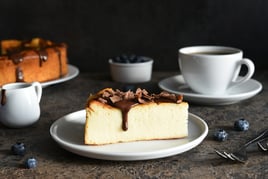
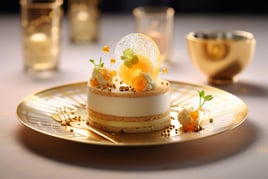
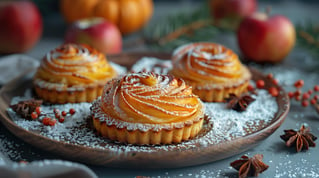




Monaco has a lot to offer when it comes to scenic beauty. Its desserts are a cherry on top, learn more about them, from millefeuille to tarte au citron
A little microstate on the French Riviera, Monaco is quintessentially French and famous, and as such it hasn’t been home to any dessert inventions, but some of the best French desserts are popular here. It is after all the place where many of the rich and famous retire to, to bask in the sun and escape from the hubbub of life.
Monaco's Most Beloved French Desserts, From Millefeuille To Tarte Au Citron
If you walk into any patisserie in Monaco, you will notice something then and there; the desserts there look like they are in some sort of museum. This is not an accident, though. Monaco sits right on the French Riviera, and between France and the Mediterranean, and therefore, its dessert is inspired by and is a reflection of both the cultures. Among all the famous desserts there, one that stands out and is seen almost everywhere is millefeuille. It is layered, glossy, and seems like a lot of architectural work has happened while creating it. This has become something of a signature for the region, alongside other classics like tarte au citron.
This article looks at why these desserts matter so much in Monaco, what actually goes into making them, and a few other names worth knowing if you want to explore French pastries beyond the obvious favorites.
Why Monaco Desserts Are Deeply Influenced By French Pastries
Monaco is its own sovereign state, but geographically and culturally, it is deeply tied to the French Riviera. That closeness shows up clearly in the dessert scene. Most Monaco desserts share the same roots as classic French desserts, built on the same techniques, the same emphasis on precision, and often the same ingredients.
There's also the Mediterranean coastal influence to consider. Being right on the water means fresher fruit, lighter dairy, and a general desserts that feel a little less heavy than their northern French counterparts. Add Monaco's reputation for luxury, and you end up with a pastry scene that takes French tradition and presents it with even more polish. Bakeries here treat dessert-making less like a side trade and more like fine craftsmanship, which is part of why visitors often remember the desserts almost as much as anything else about the city.
What Makes French Desserts So Popular Worldwide?
French desserts have a reputation that extends well beyond France itself, and it's not hard to see why once you understand what goes into them. A lot of it comes down to balance. These desserts have the perfect contrast between something crisp and something creamy, or something rich and something bright. That contrast is intentional, not incidental.
Technique plays a huge role too. Classic French patisserie relies heavily on butter, cream, and specific pastry methods, like laminating dough for layers or tempering custards so they set just right. None of this happens by accident, and the precision is part of the appeal. Presentation is also an important part along with the taste in French dessert culture, with even simple tarts finished to look intentional and refined. Add this with the centuries of patisserie tradition behind it, and it's easy to understand why French desserts have set the standard that so many other dessert cultures still reference.
Monaco Fraise Millefeuille – Monaco's Famous Strawberry Pastry
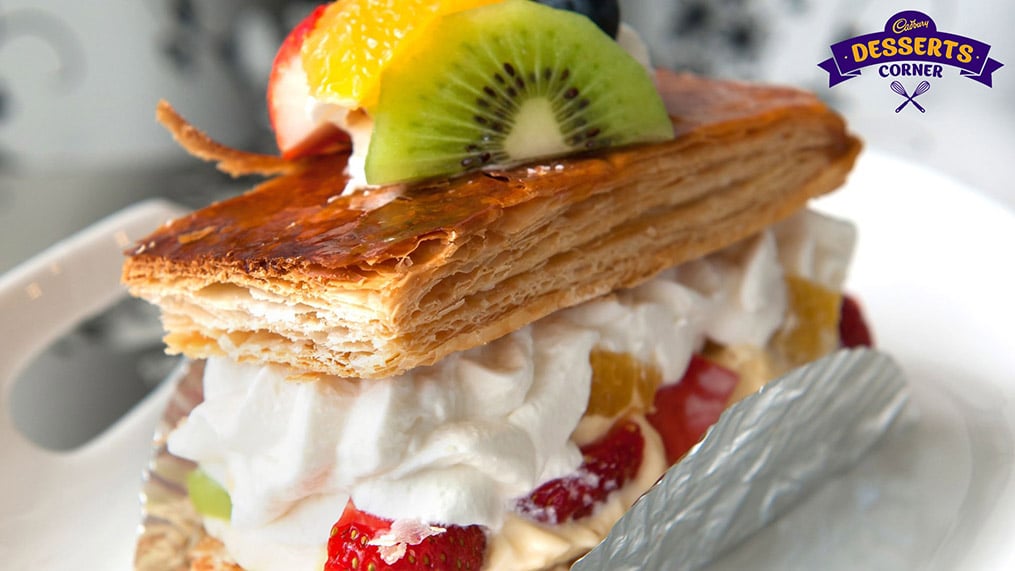
If there's one dessert that represents Monaco's pastry scene best, it's the fraise millefeuille, a strawberry pastry built from layers of crisp puff pastry and smooth pastry cream, finished with fresh strawberries either folded in or arranged on top. The strawberries aren't just decorative. Their natural acidity cuts through the richness of the cream, keeping each bite from feeling too heavy.
Texture is really what makes millefeuille special here. You get that initial crunch from the puff pastry, followed immediately by something soft and cool from the cream, and then the slight tartness from the strawberries pulling it all together. It's a dessert built entirely around contrast, and Monaco's bakers have leaned into that strawberry version so consistently that it's practically considered a local specialty at this point, even though millefeuille itself originated elsewhere in France.
What Is Millefeuille And Why Is It Called 'Thousand Layers'?
The name millefeuille literally translates to "a thousand leaves" or "a thousand sheets," which is a pretty accurate description once you understand how it's made. Classic millefeuille is built from puff pastry, which gets its many thin layers from a lamination process: folding butter and dough together repeatedly until you end up with dozens of paper-thin layers stacked on top of each other.
When baked, those layers puff up and separate slightly, creating that signature flaky, crisp texture. The classic construction involves three layers of this puff pastry separated by two layers of pastry cream, finished with a dusting of powdered sugar or a thin glaze on top.
You'll sometimes hear millefeuille referred to as a Napoleon pastry, particularly outside of France. They're closely related and built the same way, though purists will point out small differences in how each version finishes the top layer or styles the glaze. For most people enjoying the dessert, though, millefeuille and Napoleon are essentially the same idea wearing two different names.
Traditional Millefeuille Recipe Components Explained
-
Puff pastry sheets – These provide the structure and that signature crunch. Getting the lamination right is what separates an average millefeuille from a great one.
-
Pastry cream filling – Usually a vanilla-based custard, smooth and rich enough to balance the crispness of the pastry without overwhelming it.
-
Fresh fruit additions – Traditionally optional, but strawberries have become a near-permanent fixture, especially in Monaco's version.
-
Powdered sugar finishing – The classic top layer often gets a dusting of powdered sugar or a light fondant glaze, sometimes finished with a decorative pattern.
Strawberry Mille Feuille Variations Popular In French Bakeries
While the classic strawberry mille feuille is what most people picture, French bakeries have run with the format in plenty of directions. Chocolate millefeuille swaps the pastry cream for a chocolate version, sometimes adding a thin layer of ganache between the puff pastry sheets. Vanilla cream millefeuille sticks closer to the original, letting the simplicity of vanilla custard take center stage without any fruit at all.
Then there are the berry-filled versions that go beyond strawberries entirely, using raspberries, blueberries, or a mix of berries layered into the cream. Each variation keeps the core structure intact – crisp pastry, smooth filling, repeated in layers. What changes is just the flavor profile, which is part of why millefeuille has stayed so adaptable across different bakeries and regions.
Tarte Au Citron – Monaco's Favorite French Lemon Tart
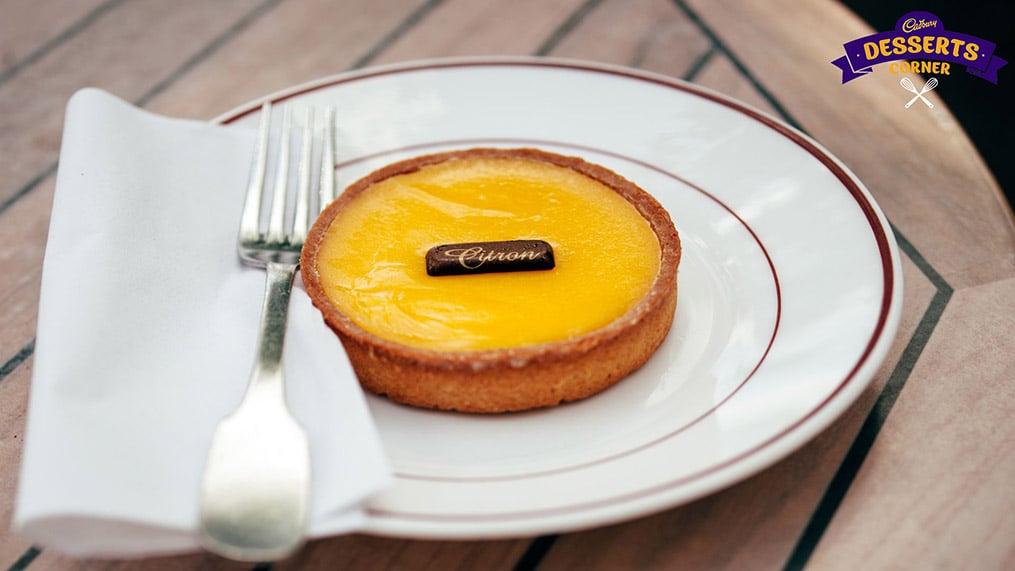
Alongside millefeuille, tarte au citron holds its own as one of the most beloved desserts in Monaco. This French lemon tart starts with a shortcrust pastry base, baked until firm and slightly crisp, then filled with a smooth, tangy lemon custard. The filling is really where this dessert lives or dies. A good tarte au citron balances sweetness against the natural tartness of fresh lemon, never letting one overpower the other. That citrus brightness pairs naturally with Monaco's Mediterranean surroundings, where fresh lemons are practically a given. It's a simpler dessert than millefeuille in terms of construction, but the precision required in the custard makes it just as demanding to get right.
Why Mediterranean Desserts Often Use Citrus And Fresh Fruit
Citrus shows up constantly in Mediterranean desserts, and there's a reason for that beyond just availability. Lemons and oranges grow abundantly along the coast, so they've naturally worked their way into local baking traditions over generations.
There's also a stylistic reason. Mediterranean desserts tend to lean lighter than some of their northern European counterparts, often favoring fruit-forward flavors over heavy, butter-dense richness. Fresh coastal ingredients, simple preparations, and that bright acidity from citrus all combine to create a dessert style that feels suited to warmer climates. It's less about indulgence for its own sake and more about balance, which is exactly what you see in something like tarte au citron.
Tarte Tropézienne And Other Famous French Pastries Loved In Monaco
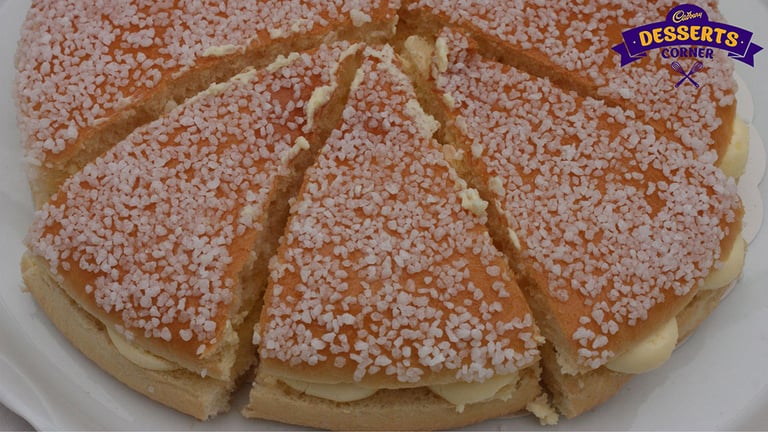
Tarte Tropézienne is another name worth knowing if you're exploring French pastries in this region. It's a brioche-based dessert, split and filled with a light, creamy filling, usually a mix of pastry cream and whipped cream. Unlike millefeuille's crisp layers, Tarte Tropézienne is all about that soft, airy brioche texture contrasted with a cool, light cream filling.
This pastry actually originated nearby in Saint-Tropez, but it's become a familiar name throughout the French Riviera pastry scene, including in Monaco. It reflects a slightly different side of French pastry tradition, one built around soft, cream-filled textures rather than the crisp, laminated style of millefeuille, and it's a good reminder that the region's dessert culture isn't built around just one technique.
Traditional Monaco Desserts Beyond Millefeuille
While millefeuille and tarte au citron tend to get the most attention, there are several other traditional Monaco desserts worth knowing about:
-
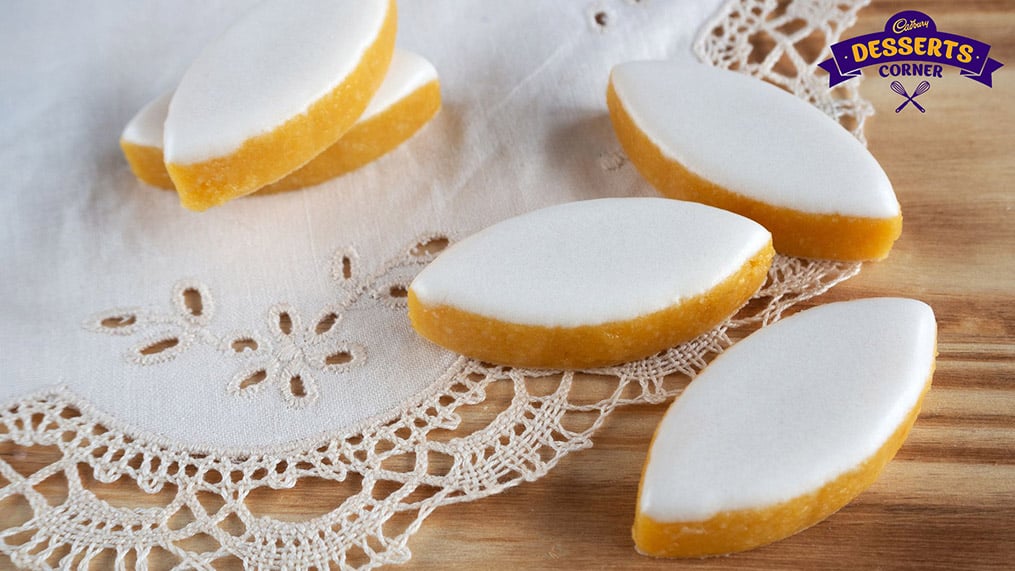
Calisson is a diamond-shaped confection made from almond paste and candied fruit, often associated with the broader Provence region.
-
Louis XV dessert is a rich chocolate and hazelnut praline cake, named for the famous monarch and considered something of a Monégasque classic.
-
Galapian d'Apt is a traditional candied fruit confection, less common today but still part of the region's dessert heritage.
-
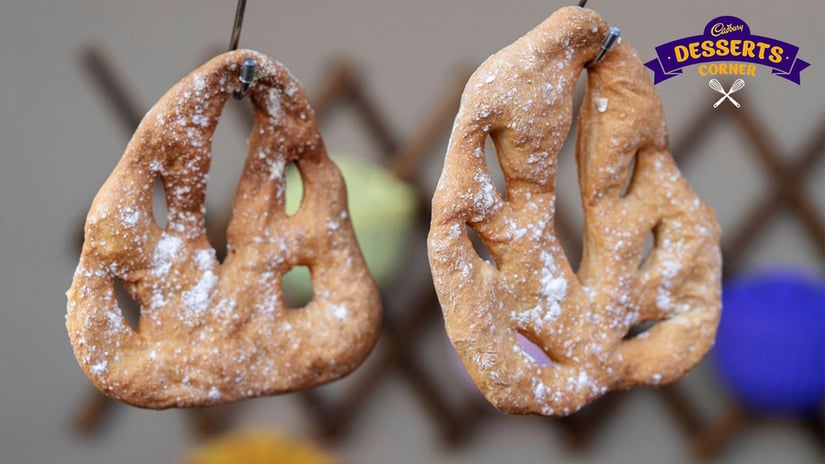
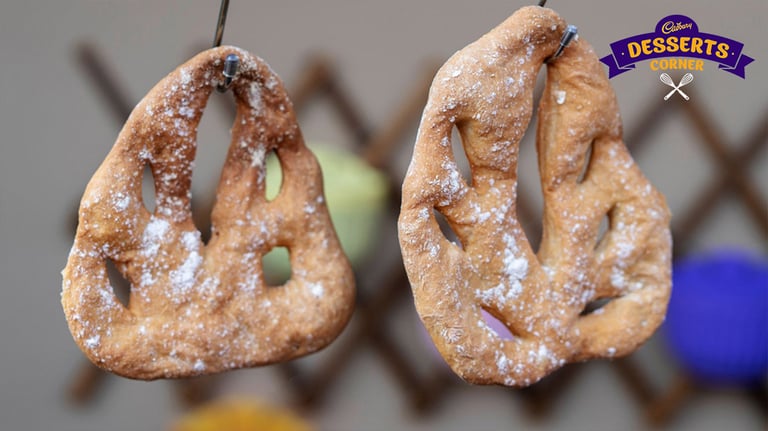
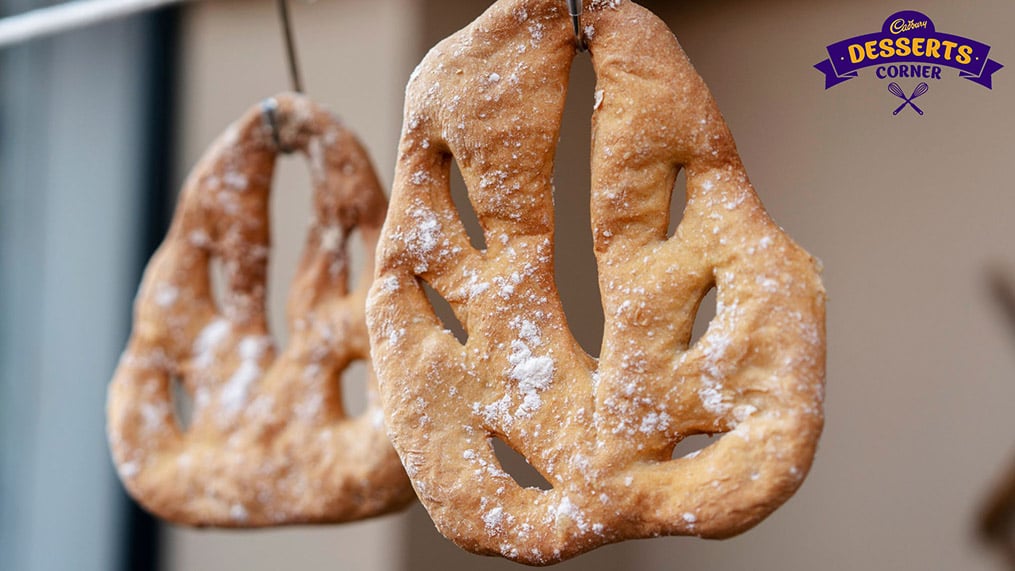
La Fougasse is a sweet, flat bread often flavored with orange blossom water, sometimes served around festive occasions.
How French Dessert Recipes Focus On Texture Contrast
If there's one thread that runs through nearly every classic French dessert recipe, it's contrast. Crisp pastry paired with creamy filling, as in millefeuille. Smooth custard against a crumbly tart shell, as in tarte au citron. Even desserts built around mousse or soft custard usually include something with a bit of structure, whether that's a cookie base, a thin pastry layer, or a dusting of something crunchy on top.
This focus on texture isn't just about variety for its own sake. It's what makes each bite feel complete rather than one-note. Layered desserts in particular rely on this idea heavily, stacking contrasting textures deliberately so that no single element dominates the whole experience. It's a big part of why French desserts tend to feel more considered than simpler, single-texture desserts from other traditions.
The Role Of Strawberries In French Pastry Desserts
Strawberries have earned a near-permanent place in French pastry, especially once spring and summer roll around. Their natural acidity makes them a good match for rich, creamy fillings, cutting through the heaviness in a way that keeps a dessert from feeling one-dimensional.
This is exactly why strawberry pastry options multiply during warmer months, with strawberry mille feuille being one of the most prominent examples. The pairing of strawberries with puff pastry in particular works so well because the fruit's juiciness softens slightly against the crisp layers without making the whole thing soggy, as long as it's assembled close to serving time. It's a seasonal pairing that French bakers have leaned on for generations, and Monaco's bakeries are no exception.
Why Millefeuille Remains One Of France's Most Iconic Pastries
Despite the sheer number of pastries that have come out of French baking traditions, millefeuille has held onto its status as one of the most iconic for a long time now. Part of that comes from its classic pâtisserie pedigree; it's a dessert that requires real skill to execute well, which gives it a certain prestige among bakers and diners alike.
It's also adaptable. Whether it's the classic vanilla version, a chocolate variation, or Monaco's beloved strawberry take, the core structure flexes easily without losing what makes millefeuille recognizable in the first place. You'll find it in luxury cafes and neighborhood bakeries alike, across France and well beyond. That combination of technical respect and everyday accessibility is rare, and it's a big part of why millefeuille hasn't faded the way some other classic pastries have over the decades.
Frequently Asked Questions About Monaco And French Desserts
What is millefeuille made of? 
Millefeuille is made from layers of puff pastry separated by pastry cream, typically finished with powdered sugar or a light glaze on top. Many versions, especially in Monaco, also include fresh strawberries between the layers.
Is millefeuille the same as Napoleon pastry?
They're very closely related and built using the same basic technique of layered puff pastry and cream. The main differences tend to be regional naming conventions and small variations in how the top layer is finished.
What is the famous lemon tart from France?
Tarte au citron is the classic French lemon tart, made with a shortcrust pastry base and a smooth, tangy lemon custard filling. It's especially popular in Monaco and along the French Riviera.
Why are French pastries so flaky?
The flakiness comes from lamination, a process where butter and dough are folded together repeatedly to create dozens of thin layers. When baked, those layers separate and puff up, creating the crisp, flaky texture associated with French pastries like millefeuille.
What desserts are popular in Monaco?
Millefeuille and tarte au citron are among the most popular, alongside other regional favorites like Tarte Tropézienne, calisson, and the Louis XV chocolate praline cake.
What is the difference between tarte au citron and lemon pie?
Tarte au citron uses a shortcrust pastry and a smooth baked lemon custard, while lemon pie (or lemon meringue pie) typically includes a meringue topping and a different crust style. The flavor base is similar, but the texture and presentation differ noticeably.
Can strawberry mille feuille be made at home?
Yes, though it takes some patience. Store-bought puff pastry can simplify the process significantly, and the pastry cream and strawberry assembly are manageable for home bakers willing to follow the steps carefully and assemble it close to serving time.
Like This Article?
More Like This


Popular Articles


Trending Web Stories


Curated Recipes