






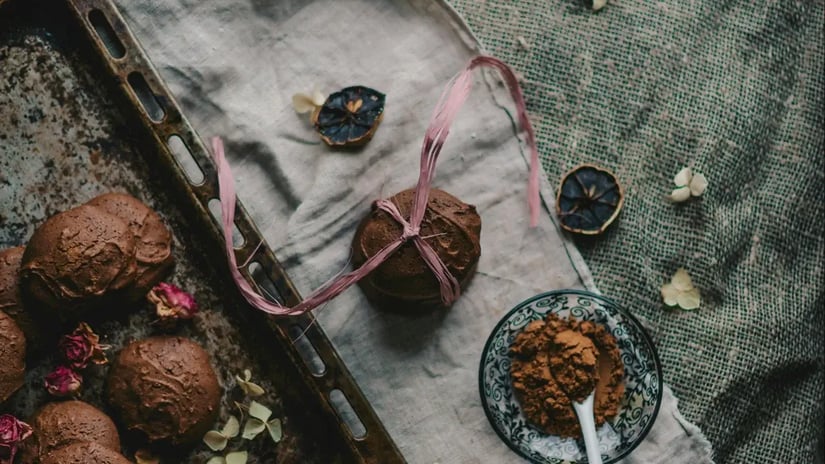


Learn essential tips for healthy baking with cocoa powder during the holiday season, focusing on balanced methods, lighter textures, and ingredient-led techniques.
Cocoa powder is an excellent base for holiday baking because it adds a lot of flavor without adding a lot of heavy fats or dense taste. It works well in cakes, cookies, drinks, and frostings. This helps keep things in balance during a time of year when desserts are rich. Creamy or caramel-based foods need a lot of ingredients or fat to get the right texture, but cocoa gets its depth from its strong flavor, helping the dessert be healthy and exceptional. This allows recipes that want to be lighter but still feel right for special occasions.
Cocoa also works well in dry mixes, so you can expect consistent results regardless of the temperature you bake at. You can use cocoa in a lot of healthy dessert recipes because it goes well with whole grains, fruit purees, nuts, or yogurt. You don't need as many stabilizers because the powder mixes well in both hot and cold liquids. This can make things richer. Cocoa makes it easy for people who want desserts of consistent density to get what they want.
You often need to be flexible when baking for the holidays. Cocoa is great for this because the powder gives things shape, color, and taste without making them too heavy. Cocoa tastes great with seasonal foods like spices, nuts, berries, and oranges, which gives you even more ideas for recipes.
5 Essential Tips For Healthy Baking With Cocoa Powder
1. Choose High-Quality Cocoa Powder
High-quality cocoa powder supports a stronger flavor without relying on heavy dairy or concentrated additions. A finer grind blends smoothly into dry mixtures, creating a consistent structure in cakes, cookies, and breads. A natural or Dutch-processed variant can be selected based on the recipe's acidity requirements. Natural cocoa supports leavening agents that depend on acidity, while Dutch-processed cocoa delivers a smoother, mellow profile. Reliable cocoa powder helps maintain balance during holiday baking, especially when lighter ingredients or whole grains are used, because flavor strength remains stable even when richer components are reduced.
2. Balance Cocoa With Moisture-Focused Ingredients
Cocoa powder absorbs moisture quickly, so holiday baking benefits from ingredients that reinforce softness and stability. Fruit purées, yogurt, and nut butters can support texture without relying on heavy cream or dense caramel-style components. These ingredients enhance tenderness while strengthening the batter's structure. Moisture-focused components help brownies, muffins, and snack cakes achieve dependable results. A balanced ratio also supports consistent baking times, preventing dryness often seen when richer ingredients are replaced. This approach aligns with lighter seasonal baking while maintaining a steady texture across various formats.
3. Use Whole Grains Thoughtfully
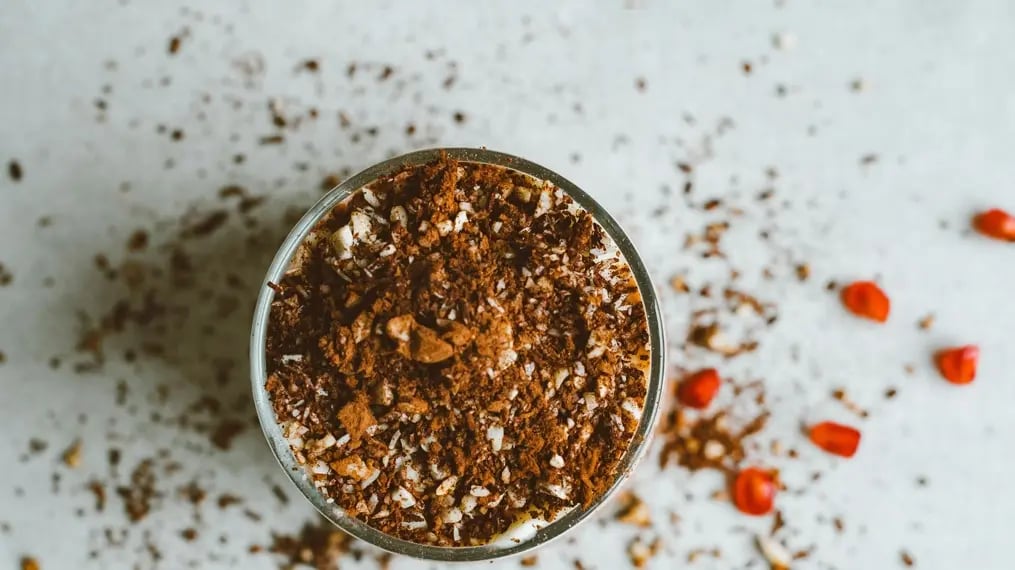
Whole grain flours contribute fiber and structure, but they can compete with cocoa’s flavor if used in large quantities. A blended approach often works best, combining whole-grain flour with a portion of refined flour for stability. This balance supports cocoa’s strength and prevents dense textures. Careful selection also matters, as oats, ragi, or whole wheat each provide different absorption levels. A controlled combination aligns well with healthier dessert goals, especially during holidays when lighter textures remain desirable. This method protects flavor clarity while supporting nutrient-focused baking choices.
4. Reinforce Flavor Through Complementary Ingredients
Cocoa responds effectively to components that strengthen overall flavor without adding heaviness. Warm spices, citrus zest, nuts, and coffee can expand the flavor profile while maintaining balance in seasonal bakes. These additions interact smoothly with cocoa and reduce dependence on richer foundations. A thoughtful combination also introduces variety to holiday menus by broadening the flavor spectrum within lighter formats.
5. Manage Baking Temperatures Carefully
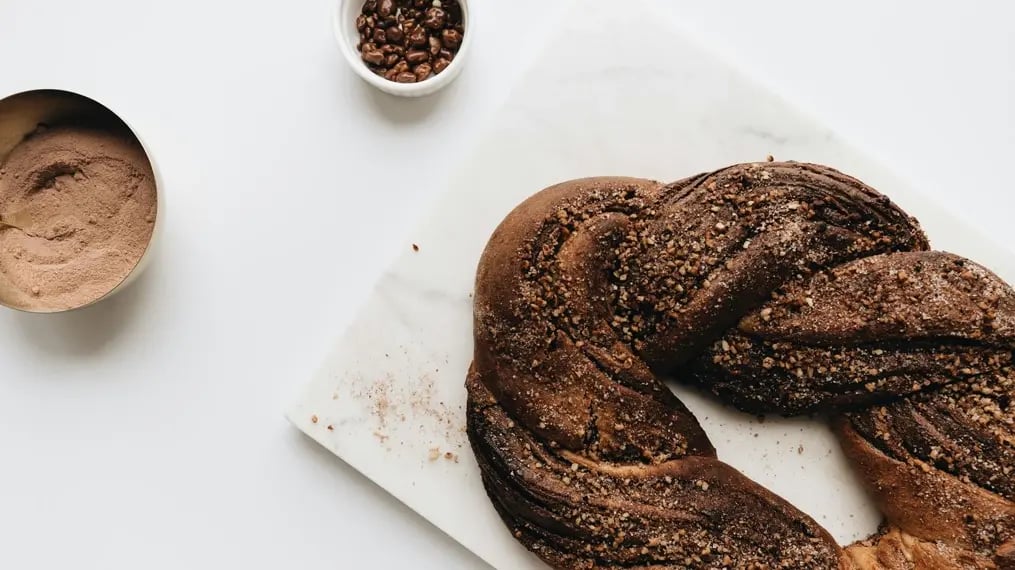
Cocoa-rich batters respond strongly to temperature changes, so controlled heat supports even rising and prevents dryness. Medium temperatures allow cocoa to disperse fully throughout the structure while maintaining softness. High heat can lead to rapid surface firming and limited internal expansion. Bakers benefit from preheating ovens and placing items on the middle rack to ensure consistent airflow. Smaller bakes, such as muffins or bars, require shorter exposure, while loaves need a slightly longer period for center development. Temperature control ensures cocoa-forward holiday desserts retain color, structure, and clarity without relying on dense dairy components.
Conclusion:
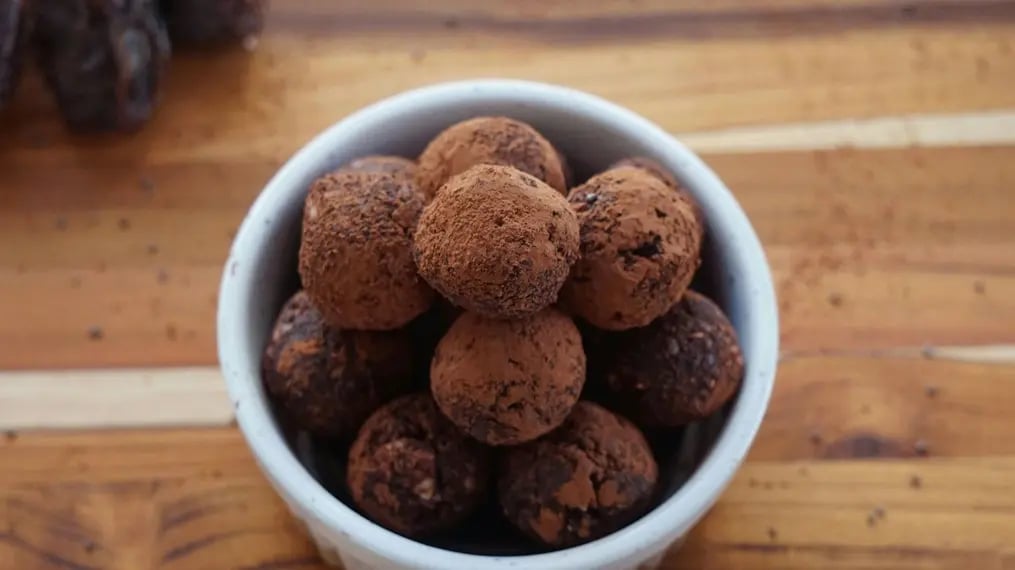
Cocoa powder supports balanced holiday baking through reliable structure, strong flavor, and adaptability across lighter ingredient combinations. Controlled techniques, thoughtful pairings, and accurate preparation methods ensure consistent results without reliance on heavy components. These practices help maintain quality and clarity in seasonal desserts while supporting a more mindful approach to festive baking.
Like This Article?
More Like This




Popular Articles


Trending Web Stories


Curated Recipes